https://files.constantcontact.com/e55a58bc001/3ebdaed1-7144-49fd-af9b-2d4676b5fd3a.png?rdr=truea=1135292488692

Building the Advanced Battery Industry in North America

February 20, 2026

Vol. 17, No. 8

NAATBatt Member News

NAATBatt Announcements

NAATBatt 2026, the 17th annual meeting and conference, concluded last week at the JW Tucson Starr Pass hotel in Tucson, Arizona. Nearly 500 delegates attended the conference. Thanks to all who participated! 137 NAATBatt member companies made Member Update Presentations describing their most important products and services. You can view these presentations, most speaker slides, photos, and the final list of attendees here. Please note: to access the presentations, you will need to register on the new NAATBatt Novi website site. Simply follow the registration instructions when you click the link.


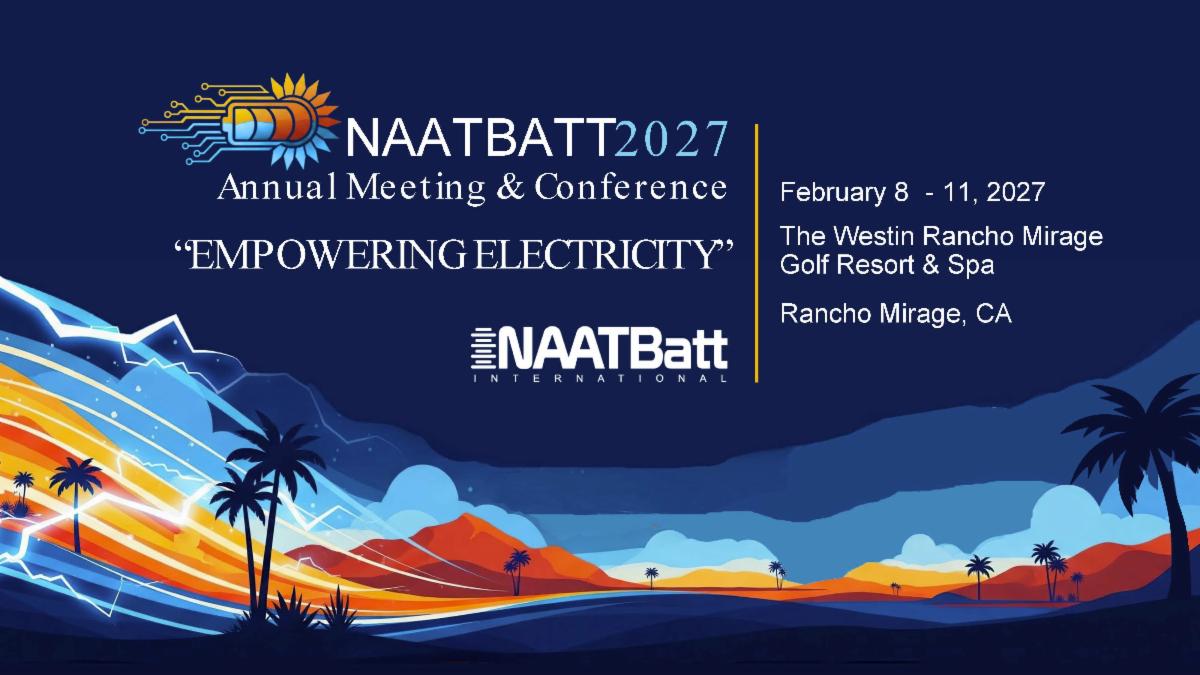
Mark your calendar for NAATBatt 2027!!! NAATBatt 2027, the 18th annual meeting of NAATBatt International, will take place February 8–11, 2027, at the Westin Rancho Mirage in Palm Springs, California. Hope to see you there!

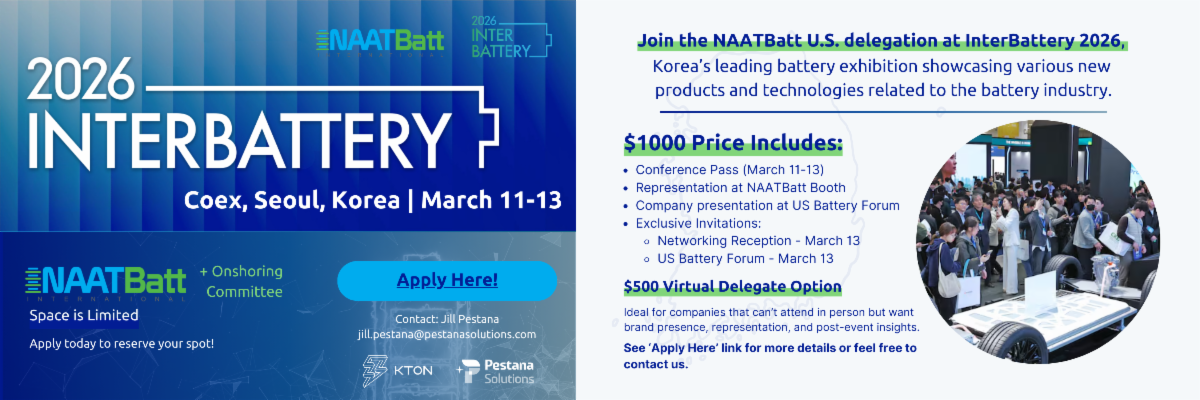
JOIN THE NAATBatt DELEGATION AT INTERBATTERY 2026 IN SEOUL, SOUTH KOREA

COEX Convention Center | March 11–13, 2025


InterBattery is Korea’s premier battery exhibition, convening global leaders, innovators, and investors across energy storage, EVs, and advanced battery technologies. NAATBatt will host a curated delegation, offering members exclusive access, increased visibility, and high-value connections in one of the world’s most influential battery markets.


As part of the delegation, participants will be invited to a U.S. Battery Forum, a full-day convening with U.S. and Korean companies, the U.S. Embassy, and key economic development stakeholders. The forum is designed to foster strategic collaboration on battery supply chains, with a particular focus on defense and national security applications, providing U.S. battery companies a rare opportunity to engage directly with Korean partners aligned with defense-related manufacturing, materials, and technology priorities.


With limited spots available, this delegation is ideal for U.S. battery companies looking to deepen partnerships in Korea and position themselves within critical, defense-relevant supply chains.


Click here to register.

NAATBATT LITHIUM-ION BATTERY SUPPLY CHAIN DATABASE

The National Laboratory of the Rockies (NLR), formerly the National Renewable Energy Laboratory (NREL), has released a major update to the NAATBatt Lithium-Ion Battery Supply Chain Database. Developed in collaboration with Avicenne Energy US, the enhanced edition expands coverage to 1,178 facilities and 1,022 companies across North America. New features include real-time production data, detailed construction timelines, and expanded tracking of upstream, midstream, downstream, and recycling activities. The database is available through an online interface or as an Excel download to support strategic planning.


First launched in 2021, the database remains the most comprehensive directory of North American lithium-based battery companies, organized by product line and including suppliers of goods and services used in battery production. The February 2025 update added NAATBatt member professional service providers serving the industry. Updated twice yearly, the database allows companies to submit additions, corrections, or requests for inclusion directly to NLR.

New Website 2026

New NAATBatt Website

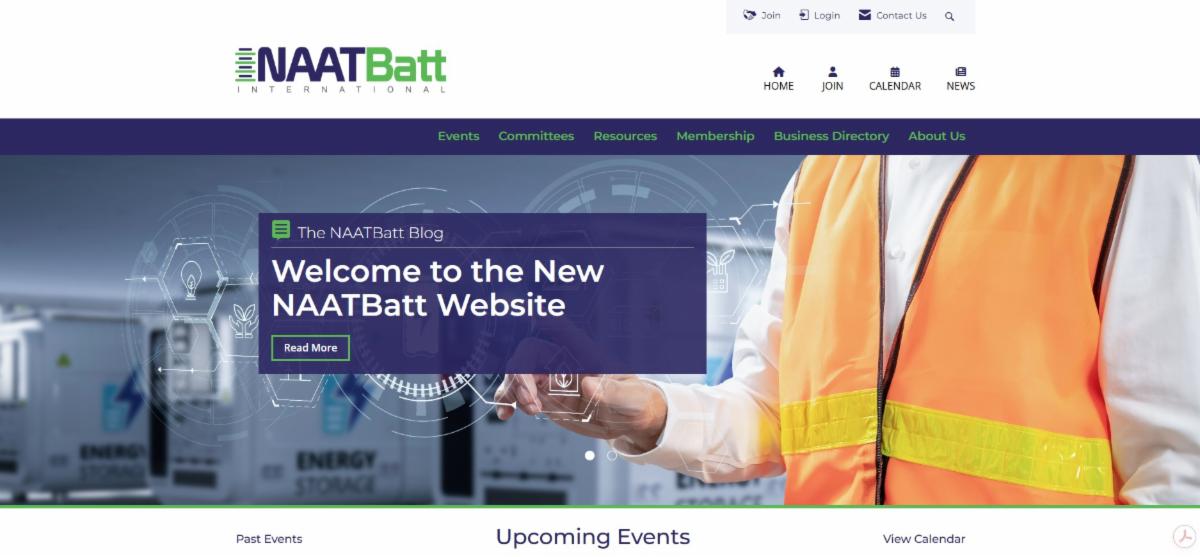
NAATBatt’s new website is now live! Visit us at: www.naatbatt.org. Certain information and resources are available exclusively to members, and an account is required to access this content. Employees of all NAATBatt member firms should register to gain entry to the private member portal. The portal contains links to special resources and tools. For a guide on how to register and take advantage of this new NAATBatt member only resource, go to: https://www.naatbatt.org/blog/welcome-to-the-new-naatbatt-website

WHAT ARE YOU WAITING FOR?? JOIN ONE OR MORE NAATBatt COMMITTEES/COMMUNITIES

NAATBatt has 18 active subject matter committees/communities, offering NAATBatt members a way to hear about new developments in 18 different sectors of the advanced battery industry. And here's the kicker: It costs nothing to join a NAATBatt committee and participate in the community discussions. Just sign up here. NAATBatt subject matter communities are the new "water cooler" of the North American advanced battery industry: the place to hear the scuttlebutt about what is really going on. It makes no sense not to join.

Member Press Releases

Nano One outlined its 2026 strategy, highlighting growing demand for its One-Pot™ LFP technology in defence,energy storage systems (ESS), and electric vehicles (EVs). Its Candiac demonstration plant will drive commercialization and support localized LFP production outside Asia.

Click here for the full news release.

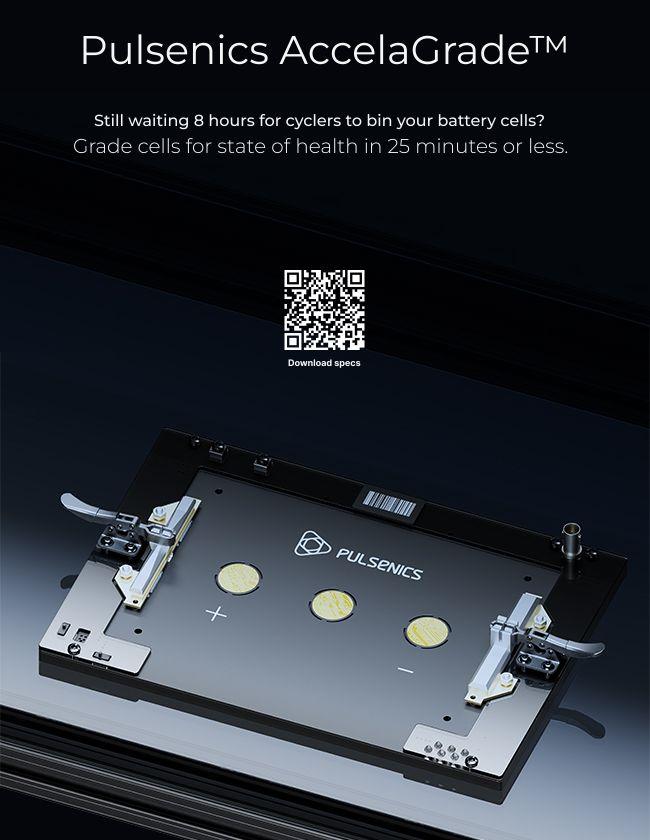
Pulsenics announced AccelaGrade™, a new quality control solution for lithium-ion battery remanufacturers. AccelaGrade™ represents a step-change advance in battery cell diagnostics that will help remanufacturers scale.

Click here for the full news release.

RecycLiCo has launched its Innovation Centre laboratory in Delta, British Columbia, offering bench-scale hydrometallurgical processing and R&D services. Future pilot plant operations aim to speed development, lower risk, and advance projects toward commercialization.

Click here for the full news release.

NAATBatt members interested in publishing press releases about developments at their companies in this section of the newsletter should send their releases by e-mail to Vivian Yu at NAATBatt by Thursday of each week.

Community Pulse

NAATBatt Committees Launch 2026 Planning in Tucson — Spotlight on the Sodium Battery Community


During the recent NAATBatt Annual Meeting & Conference in Tucson, AZ, NAATBatt's committees convened to align priorities and begin shaping work plans for 2026. The meetings provided valuable time for collaboration, strategic discussion, and identifying next steps for the coming year. Members were also informed about the transition from committees to communities — a strategic shift intended to encourage broader participation, strengthen engagement, and create greater year-round value for members.


One of the many forward-looking discussions took place during the Sodium Battery Community meeting, where members focused on development of a sodium-ion white paper. The session featured open brainstorming around the technology’s value proposition, market opportunities, and technical positioning.


Key advantages discussed included reduced dependence on graphite, use of domestically abundant materials, existing sodium refining capacity, and potential manufacturing efficiencies such as dry electrode processing. Participants also noted that sodium-ion cells can largely be produced using existing lithium-ion equipment and expertise.


Safety messaging emerged as an important component, with plans to collaborate with the Battery Safety Committee to support data-driven discussions around sodium technology. Members also explored market drivers, upcoming industry announcements, and outreach opportunities to better understand early adopter interest.


The group emphasized an inclusive but focused approach that addresses both high-power and long-lifetime application needs. Federal interest in clear commercialization roadmaps was noted, along with opportunities for collaboration with pack-level companies and battery management system providers. Participants also identified several institutions with pouch-cell prototyping capabilities that could support development efforts.


The goal is to complete the white paper by the end of Q2, followed by review through NAATBatt's Strategic Alignment Committee. Looking ahead, the Community anticipates participation in an ESS Conference planned for November 3–5, 2026, in collaboration with NY-BEST, where a sodium-focused panel is likely to be featured.


Members interested in joining the Sodium Battery Community — or any other NAATBatt community — are encouraged to click this link to get involved and participate in upcoming discussions.

Li-Bridge Corner

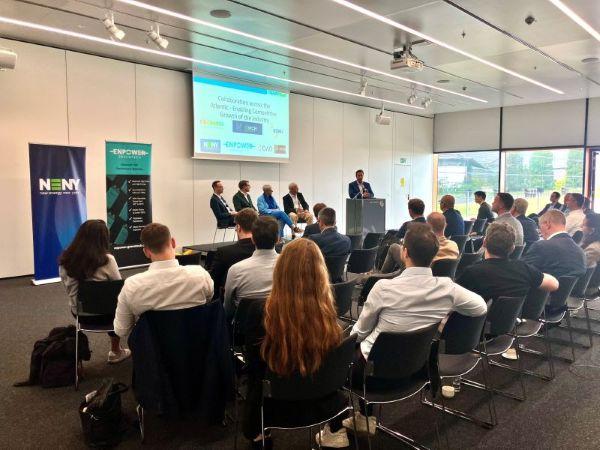
NAATBatt 2026 “Charging Innovation” Highlights the Strength and Resilience of North America’s Battery Ecosystem


NAATBatt 2026’s “Charging Innovation” meeting brought together the energy storage community for networking, market insights, and technical dialogue focused on building a more competitive North American battery ecosystem, fully aligned with Li-Bridge’s mission. The program blended informative market keynotes with panel discussions and collaborative breakfast discussion groups.


While innovation throughout the supply chain was covered, a persistent theme emerged around batteries for dual-use and dedicated military applications in a way not previously emphasized. Other timely topics included data center and industrial BESS applications, cybersecurity, second life and recycling, zinc and sodium batteries, workforce development, onshoring, track and trace, finance, and manufacturing in North America. Additional discussions addressed supply chains for critical materials, §45X tax credits and FEOC compliance, and safety.


A significant takeaway from the conference is that the industry is alive and well, spanning from R&D through end-of-life considerations. Despite headwinds facing the EV industry, the overall energy storage sector remains robust, supported by a wide range of non-EV applications and demonstrating the industry’s resilience.

Advanced Battery Industry News

The U.S. Supreme Court has ruled that President Donald Trump does not have the legal authority to impose sweeping global tariffs without congressional approval. The 6-3 decision concerned tariffs imposed under an emergency powers law, including “reciprocal” tariffs that Trump levied on nearly every other country. The President responded that he would move to restore tariffs through different avenues, including a temporary 10% global tariff. (Source: NBC Washington, Supreme Court)


Samsung SDI is set to sell its 15.22% stake in Samsung Display — valued at about 10 trillion won ($6.9 billion) — to fund investments in energy storage systems and to also strengthen its financial structure given the prolonged slowdown in the electric vehicle (EV) market. The company has informed its board. However, details are undisclosed. (Source: The Korea Herald)


HiTHIUM has signed an agreement with KNESS Group (Poland-based). Under the agreement, the companies will focus on the Ukraine market and support energy storage projects with a total planned capacity of 2GWh (gigawatt-hours) over the next 2 years. The cooperation covers multiple battery energy storage system (BESS) of different durations, including 6.25MWh (megawatt-hour) and 5MWh systems, with approximately 400MWh scheduled for delivery in 1Q26. (Source: HiTHIUM)


Waaree Energies has announced plans to set up a ₹8,175 crore ($899 million) integrated lithium-ion battery gigafactory in Andhra Pradesh that will have a capacity of 16GWh. The facility is expected to be commissioned and become fully operational by July 2027. (Source: Solar Quarter)


Reliance Industries is planning to invest $110 billion over the next 7 years to build data centers and rollout AI services in India. The company has begun construction of multi-gigawatt data centers in Jamnagar, Gujarat with over 120MW (megawatts) of capacity expected to come online in 2H26. (Source: Tech Crunch


Adani Group announced it will invest $100 billion by 2035 to build renewable-energy-powered data centres in India. The initiative could catalyse an additional $150 billion in investments across servers, sovereign cloud platforms, advanced electrical systems and related infrastructure. The roadmap expands AdaniConnex's existing 2 GW national data centre capacity to 5 GW. (Source: Adani)


Wärtsilä has been selected by Gramme Storage 1 to deliver a 50MW/100MWh BESS in Belgium. Construction is now underway and the site is expected to be completed by 2Q27. (Source: Wärtsilä


Stanwell announced its $514 million Tarong Battery energy storage project has commenced operations and is supplying electricity to the National Electricity Market. The battery comprises 164 lithium-ion Tesla Megapacks and will boost Tarong power stations’ overall capacity to 2.1GW. (Source: Stanwell)


Blue Bird has signed an agreement to pay approx. $200 million to acquire Girardin Group’s stake in the 50/50 Micro Bird joint venture (JV). The transaction is expected to close in 1H26. (Source: Blue Bird)


Uber plans to spend over $100 million to develop fast-charging stations for autonomous vehicles in U.S. markets such as the San Francisco Bay Area, Los Angeles and Dallas. The company intends to launch public robotaxi services in partnership with technology providers in these markets. (Source: CBT News)


Rio Tinto has assumed direct management of Nemaska Lithium and will leverage its processes to build an integrated lithium business in Québec. Since Mach 2025, the company has made equity investments along with the Government of Québec (through Investissement Québec) in Nemaska Lithium. Rio Tinto now holds a 53.9% stake in Nemaska Lithium, while the Government of Québec holds 46.1% of the company. (Source: Rio Tinto)


Sovereign Metals has executed a non-binding memorandum of understanding (MOU) with Traxys North America. Under the MOU, the companies are negotiating a binding marketing agreement in which Traxys would sell Sovereign’s graphite produced from its Kasiya Rutile-Graphite Project in Malawi. The indicative volumes are 40,000 tonnes per annum (tpa) in Stage 1 for years 1 to 5 and 80,000 tonnes tpa as the project expands. (Source: Sovereign Metals)


Nebius (Amsterdam-based) AI cloud services firm plans to build a 240MW data centre in Béthune, France. The 1st phase of capacity is expected online by late summer, with half the data center up and running by the end of 2026. (Source: Data Center Dynamics)


ZF’s Commercial Vehicle Solutions division has secured an order from an OEM in India for its AxTrax 2 LF electric portal axle that can provide 20% energy savings (compared to its predecessor) and helps operators save costs by reducing battery requirements enabling all-electric city buses (ebuses) to achieve a higher range. The multi-year agreement includes the delivery of several thousand units. (Source: ZF)


ExxonMobil and ACP Technologies have opened a demonstration-scale pilot unit in Kentucky that will make synthetic graphite precursors that will be converted into synthetic graphite. The plan is to start up a commercial facility in 2029 that will have a capacity of 20,000 tons. (Source: ExxonMobil)


The U.S. Government is rescinding a rule that incentivized automakers to produce EVs to meet fuel economy requirements by overstating energy savings. (Source: Reuters)


The U.S. Environmental Protection Agency (EPA) has rescinded its 2009 Greenhouse Gas (GHG) Endangerment Finding, eliminating its authority under Section 202(a) of the Clean Air Act to regulate GHG emissions from new motor vehicles and engines. (Source: EPA, EPA Final Ruling)


Pulsenics has launched its AccelaGrade™ quality control solution for lithium-ion (li-ion) battery remanufacturers that represents a step-change advance in battery cell diagnostics that will help remanufacturers scale. (Source: Pulsenics)


PostAuto has signed an agreement with Solaris Bus & Coach for up to 115 ebuses for use in cities across Switzerland. Orders are to be placed through to the end of 2026, with deliveries scheduled to continue until the end of 2027. (Source: Coach&Bus Week)


Ashok Leyland (India-based) will start manufacturing ebuses for the European market at its Ras Al Khaimah plant in the United Arab Emirates (UAE) within the next 12 months. (Source: Sustainable Bus)

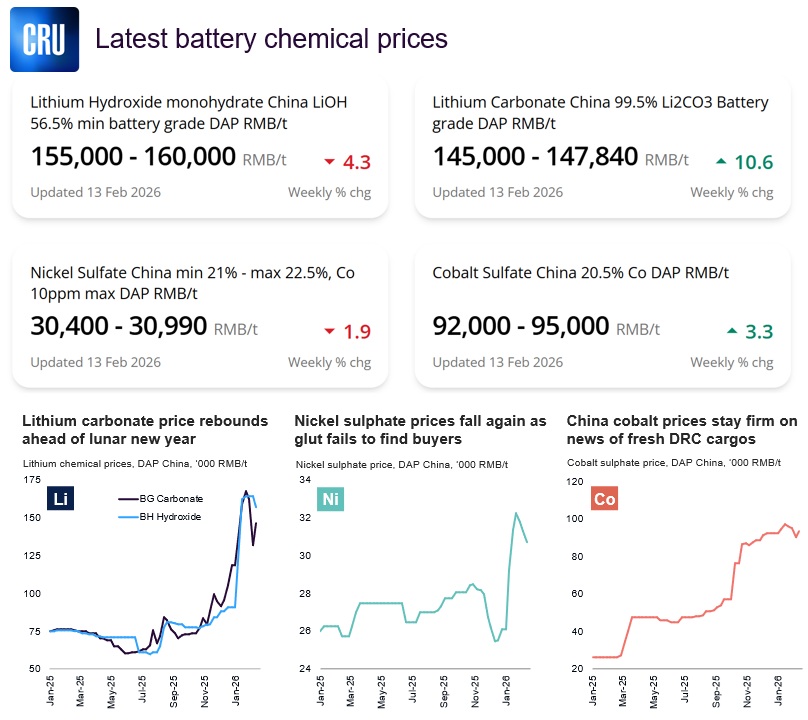
Industry Indices

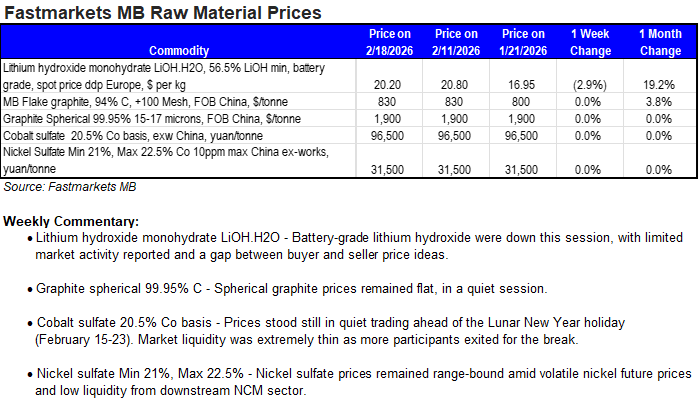
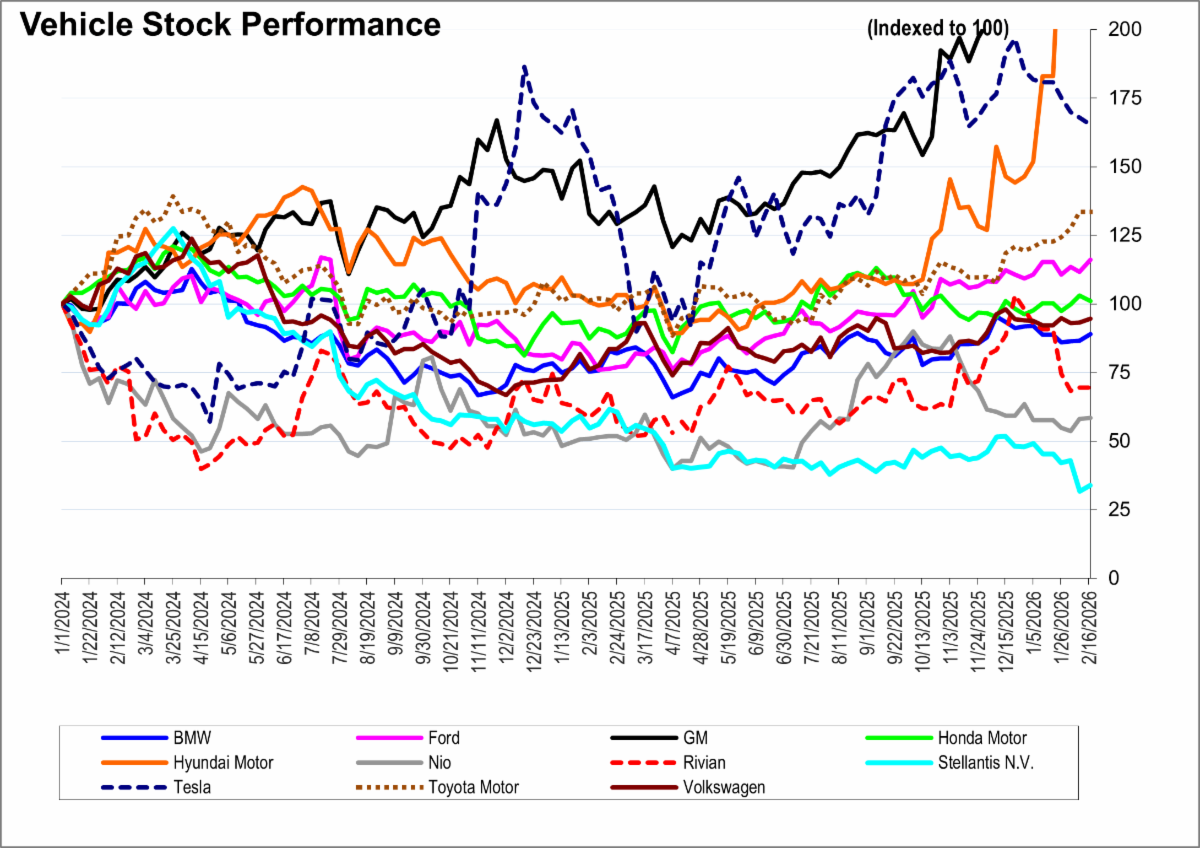
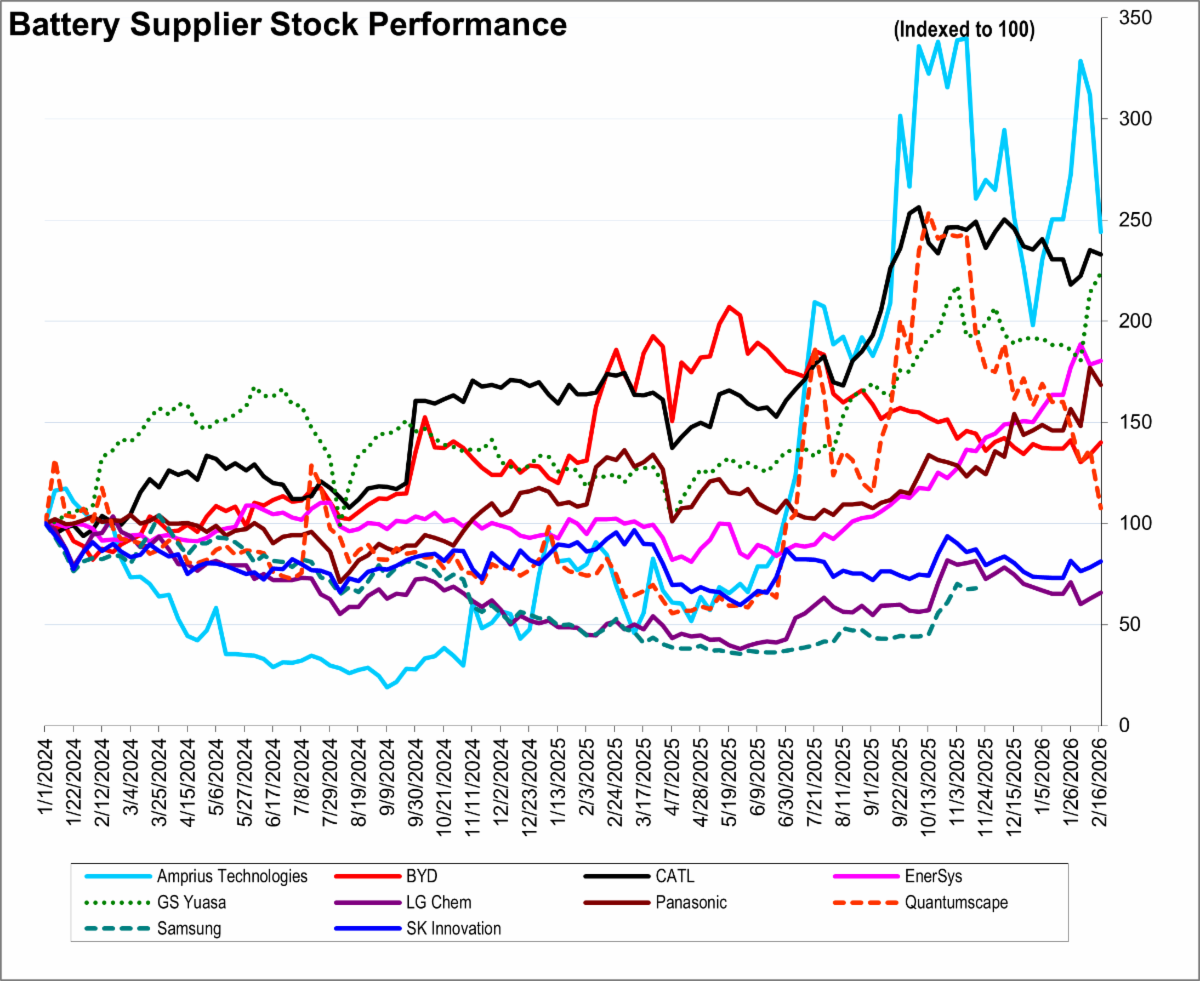
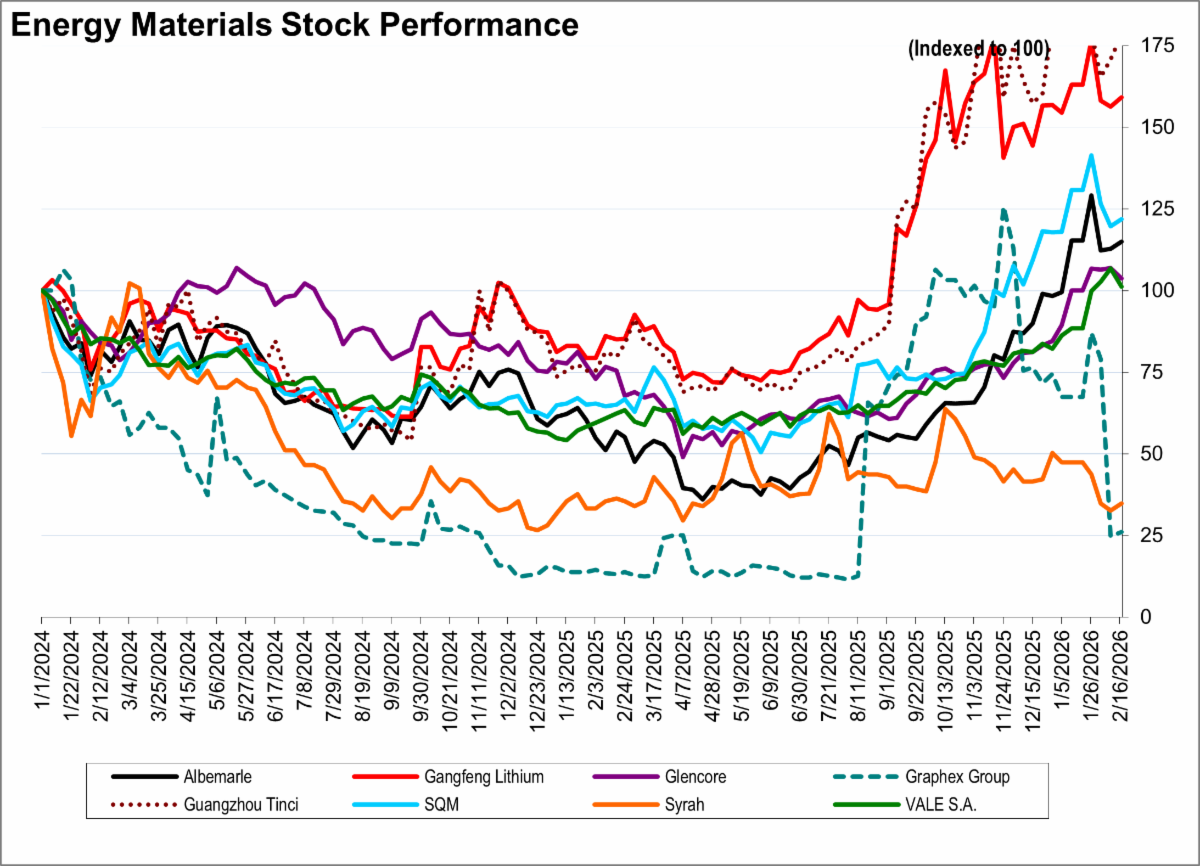
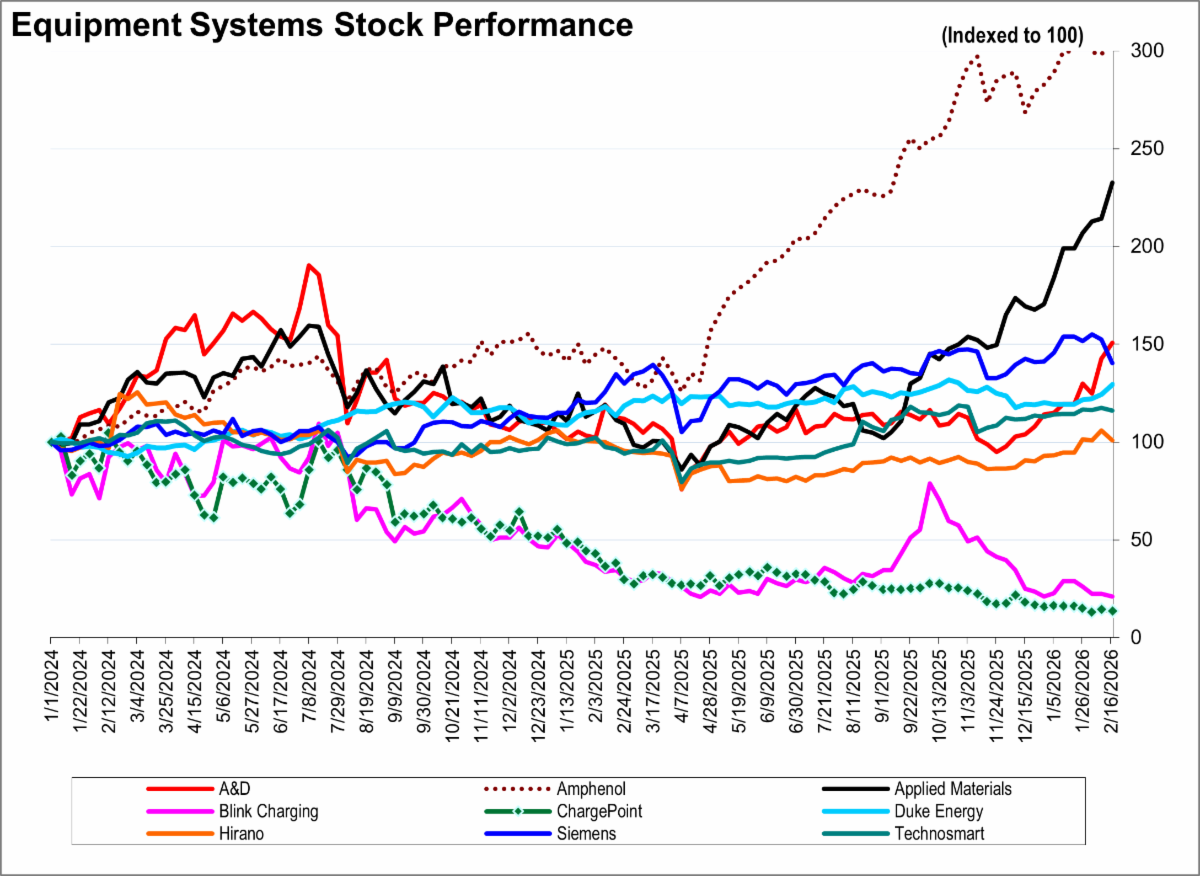
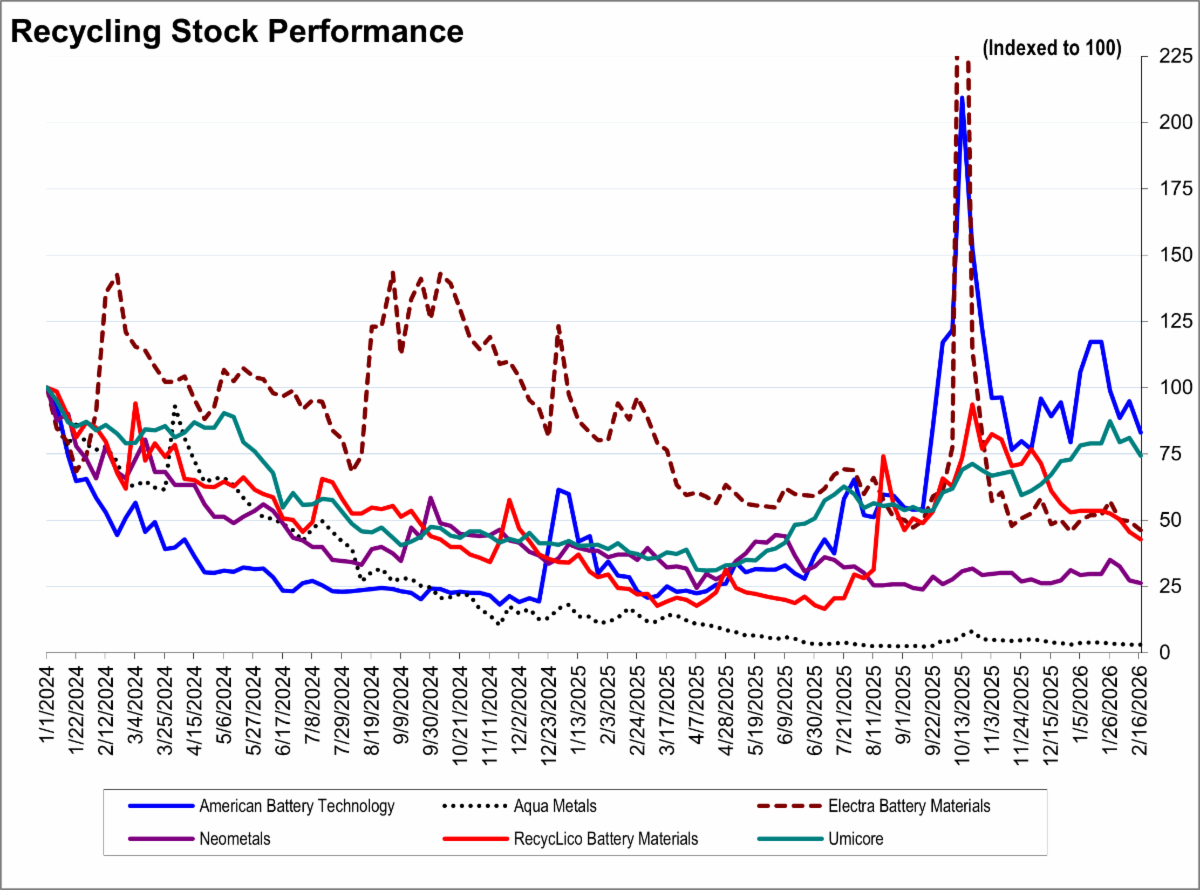
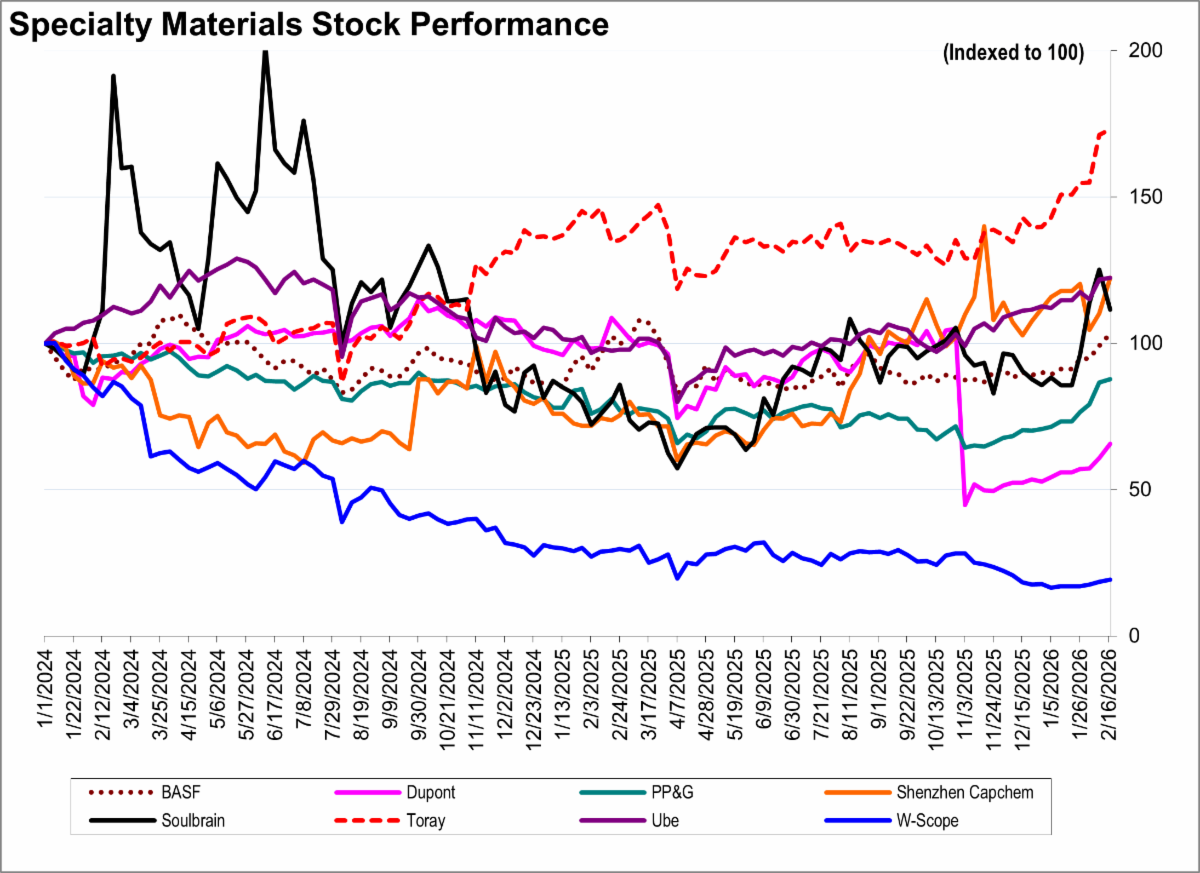
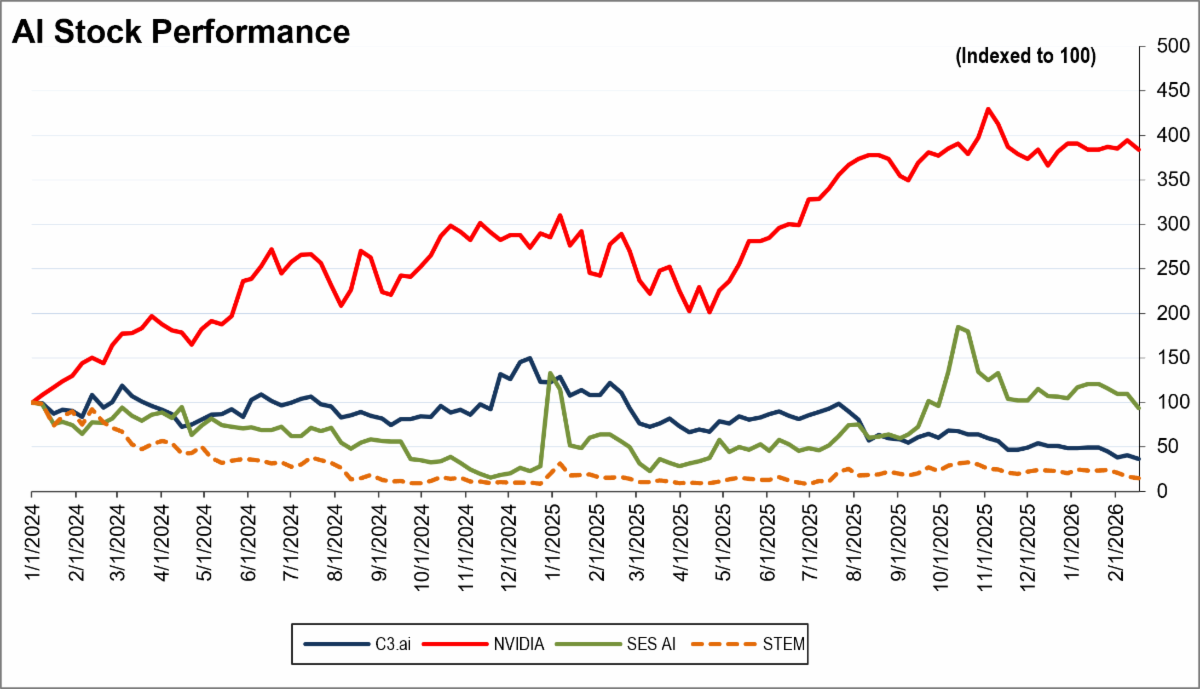
Source: CRU Group

Executive Director's Notes

U.S. Battery Policy Needs a Reboot


In his blog this week, Executive Director Jim Greenberger suggests that the Learning Resources v. Trump decision, striking down IEEPA tariffs, provides a good opportunity for a reboot of U.S. industrial policy for lithium battery technology. Jim mentions that on the day the U.S. Supreme Court released its Learning Resources opinion, three good articles separately appeared commenting on the failure of current U.S. battery policy: "Western Battery Manufacturing is in Freefall--and Running Out of Time" by Shmuel de Leon, "An EV is the Best Defense Against Military Assault" by Kenan Sahin, and "America is Falling Behind in the Global EV Race--That's Going to Cost the U.S. Auto Industry" by Hengrui Liu and Kelly Sims Gallagher. Jim suggests that China's near-term dominance of the lithium battery industry is now beyond question and that its dominance is likely increasing. Rather than rely on the blanket protectionism the IEEPA tariffs represented to grow a domestic battery industry, the U.S. should try another approach. That new approach should recognize the limitations of western politics and capital markets, actively pursue the transfer of battery technology from China, and organize an international effort to diversify the supply chain for lithium battery technology worldwide. Read Jim's thoughts about what this new policy might look like in his blog, "U.S. Battery Policy Needs a Reboot", which can be read by clicking here.

Advertisements and Announcements

About NAATBatt International


NAATBatt is a not-for-profit trade association dedicated to promoting the commercial interests of its members by supporting developments in advanced battery technology consistent with the goals of enhancing energy efficiency, reducing petroleum dependence and enabling carbon-free electricity generation. NAATBatt's programs, committees and publications help its members increase their knowledge and grow their business in one of the most important industries of the 21st Century.


Are you part of the industry, or do you just work in it?


For information about NAATBatt International and the benefits of membership, Click Here


To apply for membership in NAATBatt International, Click Here


See:

List of NAATBatt Members

NAATBatt Board of Directors

NAATBatt Officers

Facebook  Twitter  Linkedin