In this Issue:
- Last Chance to Submit Your Session Proposal for NABT2023 in Baltimore
- NABT Members & Friends Named AAAS Fellows
- UnderstandingScience.org Has Been Updated
- Apply By April 1 for Bean Beetle Microbiome Project Workshops
- Register for the 2023 BIOME Institute Today
- Survey Request: Tell Us About Life Science in Your General Ed Courses
|
|
Last Chance to Submit Your Session Proposal for NABT2023 in Baltimore
This is the final reminder that the Call for Proposals for the 2023 NABT Professional Conference is closing. Please ensure that your proposal is submitted by midnight on Saturday, April 1st.
As always, sessions promoting a "for sale" product, program, or service must be conducted as an exhibitor workshop.
Acceptance notifications will be emailed to primary presenters by May 15, 2023. Upon acceptance, all session presenters must register before May 31st for the session to be included in the 2023 Conference Program. Please contact all co-presenters before you submit to make them aware of this requirement.
|
|
|
|
Submitting a session proposal is not your last opportunity to share your expertise and insights at NABT2023. The call for NABT Research Papers and Biology Posters will be released in the coming weeks.
|
|
NABT Members & Friends Named AAAS Fellows
Fellows are elected each year by the AAAS Council, the organization's member-led governing body. The title recognizes contributions to STEM disciplines, including "pioneering research, leadership within a given field, teaching and mentoring, fostering collaborations, and advancing public understanding of science."
|
|
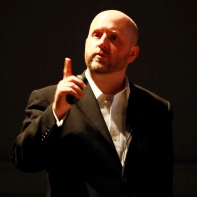
Jason R. Wiles, PhD is a biology professor at Syracuse University. As a Discipline-Based Education Researcher (DBER), his scholarship focuses on teaching and learning in the life sciences. In addition to his position in the Department of Biology, Jason also holds courtesy appointments in the Department of Science Teaching and the Department of Earth and Environmental Sciences. His award-winning work focuses on how students and the general public think about concepts such as evolution and climate change, and how attitudes related to identity and ideology impact science acceptance. Jason was appointed as a fellow under the AAAS Section on Education.
|
|
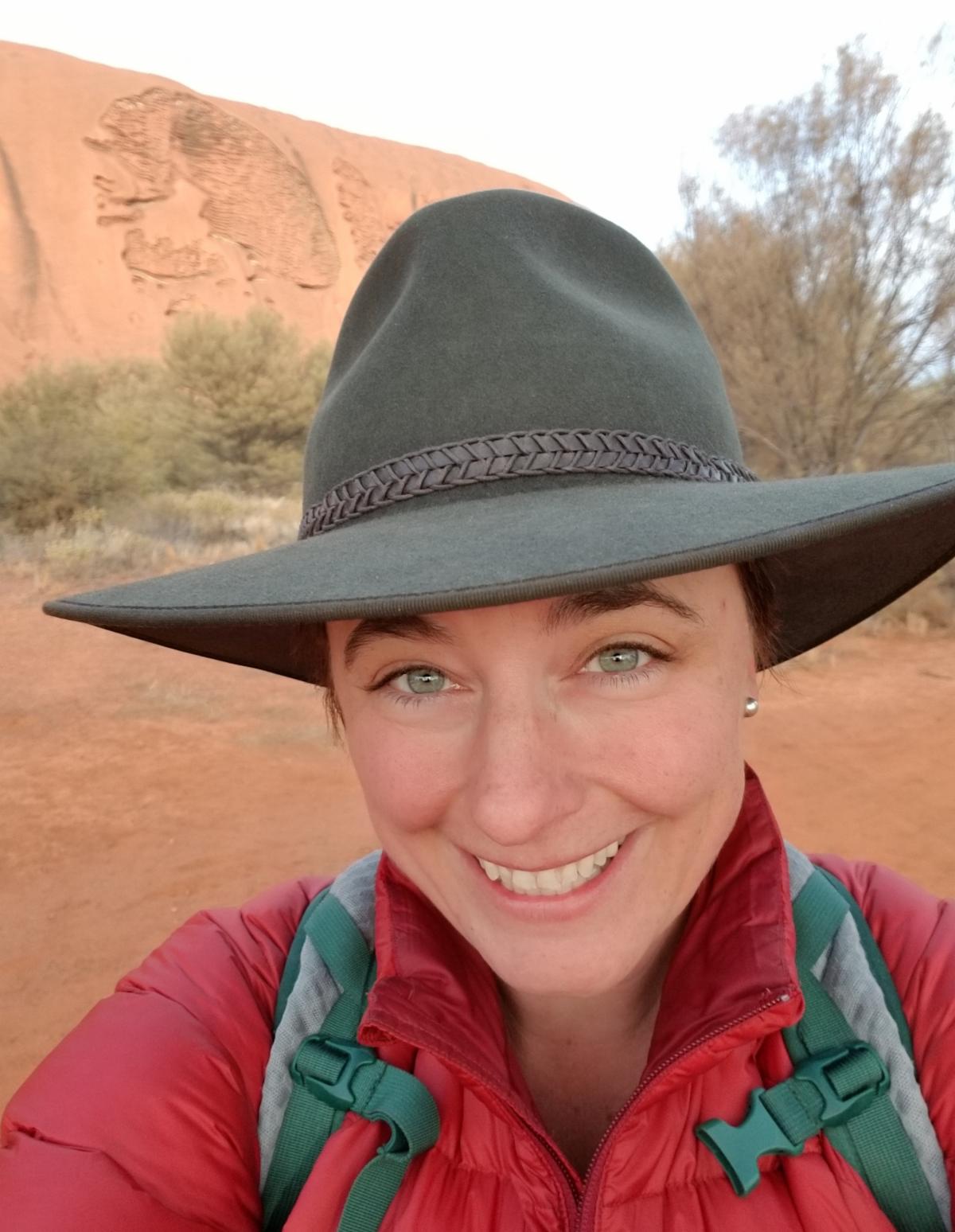
Katie Hinde, PhD is an associate professor at the School of Human Evolution and Social Change, a core faculty member at the Center for Evolution and Medicine, an associate professor with the Global Biosocial Complexity Initiative, School of Life Sciences interdisciplinary graduate faculty, and a senior global futures scientist with the Global Futures Scientists and Scholars Network at Arizona State University. Katie investigates the evolutionary ecology and behavioral biology of milk, mothers, and infants. She has authored numerous scholarly articles, presented at dozens of conferences, and produced the TED talk "What We Don't Know About Mother's Milk," which has been viewed over one million times. Katie is also the founder, director, and Editor-in-Chief of one of our favorite online science initiatives, March Mammal Madness. Katie was appointed as a fellow under the AAAS Section on Anthropology.
|
|
The 2022 class of fellows includes a diverse group of 505 individuals from around the world, representing a wide range of scientific disciplines. They have been selected based on their outstanding research accomplishments, leadership in their respective fields, and contributions to science education and public engagement. The fellows will be recognized in Washington, D.C. this summer.
|
|
UnderstandingScience.org Has Been Updated
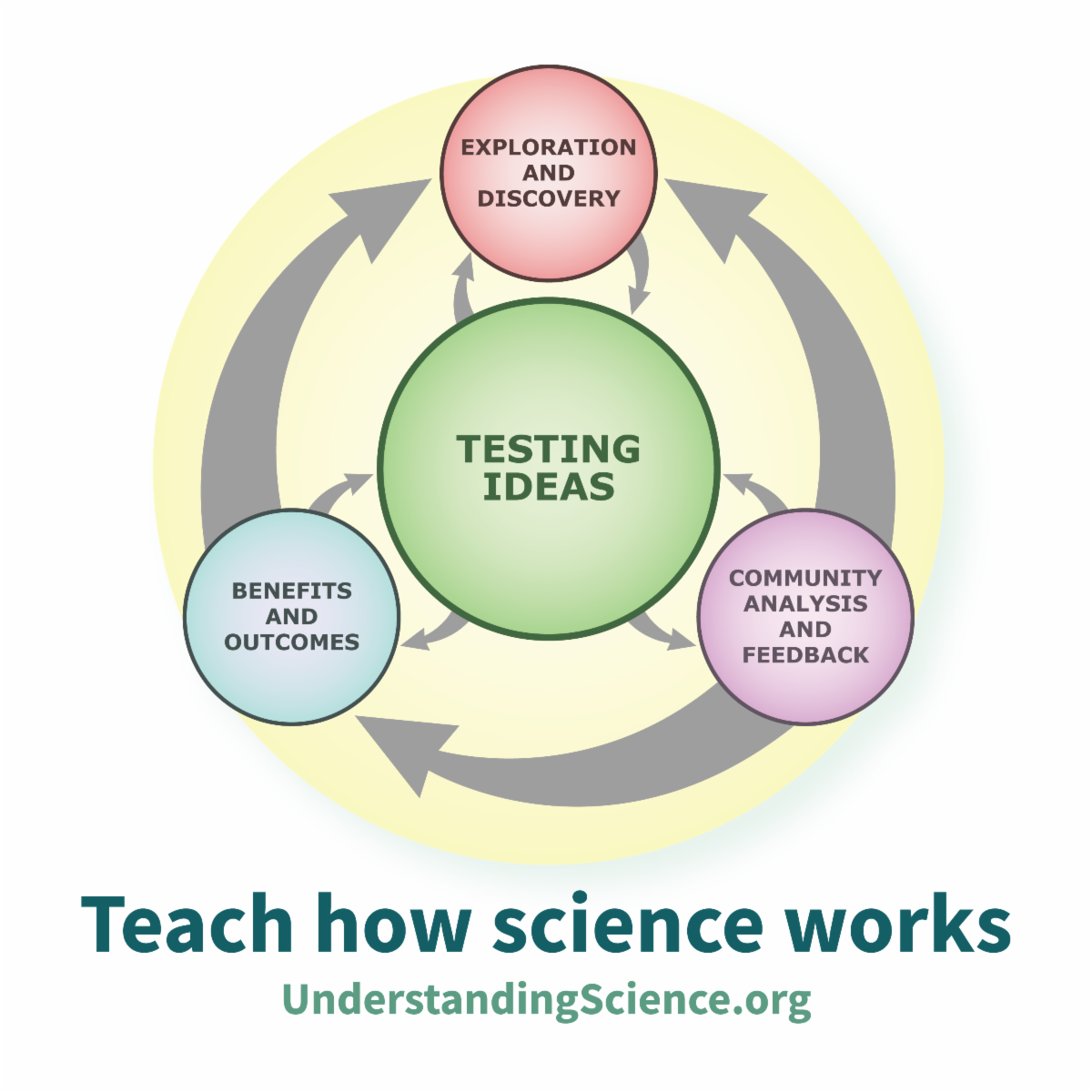
Understanding Science is one of our all-time favorite resources for teaching and learning about the nature and process of science – and the University of California Museum of Paleontology has updated the website with new features and a modern, mobile-friendly platform.
Highlights include:
|
|
The site’s interactive journaling tool, developed with HHMI, allows students and educators to document, annotate, and reflect on the non-linear, dynamic process of science in their own investigation, an article, or video. The interactive tool provides an introduction to the components of the Science Flowchart and a clickable graphic for mapping pathways through the process of science. Each step in a journal can be annotated with text, images, and files. Learners can save and edit journals and export their work into a PowerPoint presentation. The interactive tool includes a complex version of the flowchart (for middle school and up), as well as a basic version (grades 3-5). It is available in English and Spanish, as a browser-based tool or for download.
|
|
In addition, the most popular topics on the site have been reviewed and updated by educators and scientists – and they’ve added new content about prejudice, diversity, equity, and inclusion in science. If you’re not familiar with the site, now is the time to explore it, and if you haven’t visited in a while, it’s worth taking a look again.
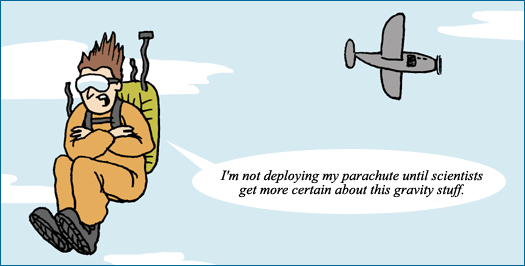
Understanding Science first launched in 2009. It was developed in response to the lack of clear, accurate depictions of how science works for students and teachers, as well as to counteract cases in which misrepresentations of the nature of science are used to threaten teaching and learning about accepted science such as evolution and climate change. The site has continued to pursue that mission, supporting science teaching and learning for more than a decade – and is now ready to welcome the next generation of teachers and learners.
This project was funded by the Institute of Museum and Library Services and was based on guidance from scientific and teacher advisors, as well as input from site users.
The National Association of Biology Teachers has proudly endorsed
Understanding Science.
|
|
Apply By April 1 for Bean Beetle Microbiome Project Workshops
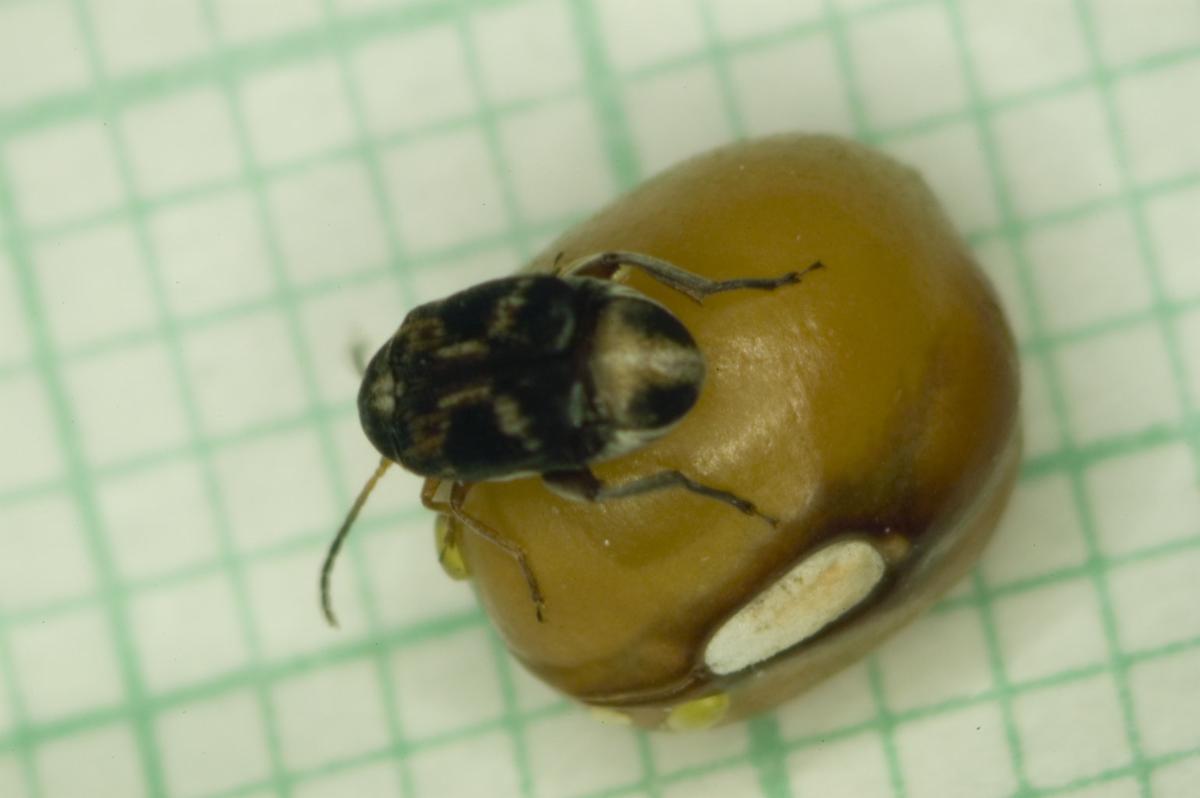
You are invited to participate in a professional development opportunity on a course-based undergraduate research experience (CURE) with insect microbiomes.
- The online workshop will be conducted 3-hours each day May 15-19, 2023.
- The in-person workshop will be held at Emory University, Atlanta and will be conducted May 30 -June 2, 2023.
You may choose the workshop format that best meets your needs. For more details about the workshops, the benefits for faculty and students, the expectations of workshop participants, the online and in-person workshop agendas, and sample curricula for the bean beetle microbiome CURE, please visit https://www.beanbeetle.org/workshops/.
Note that the implementation of the curriculum is covered by an NSF grant.
The application for the 2023 workshops is now open at 2023 Beetle Microbiome and the deadline for full consideration is April 1, 2023. Priority will be given to faculty who apply in pairs.
This will be the last year that we will be offering these professional development workshops.
|
|
Register for the 2023 BIOME Institute Today
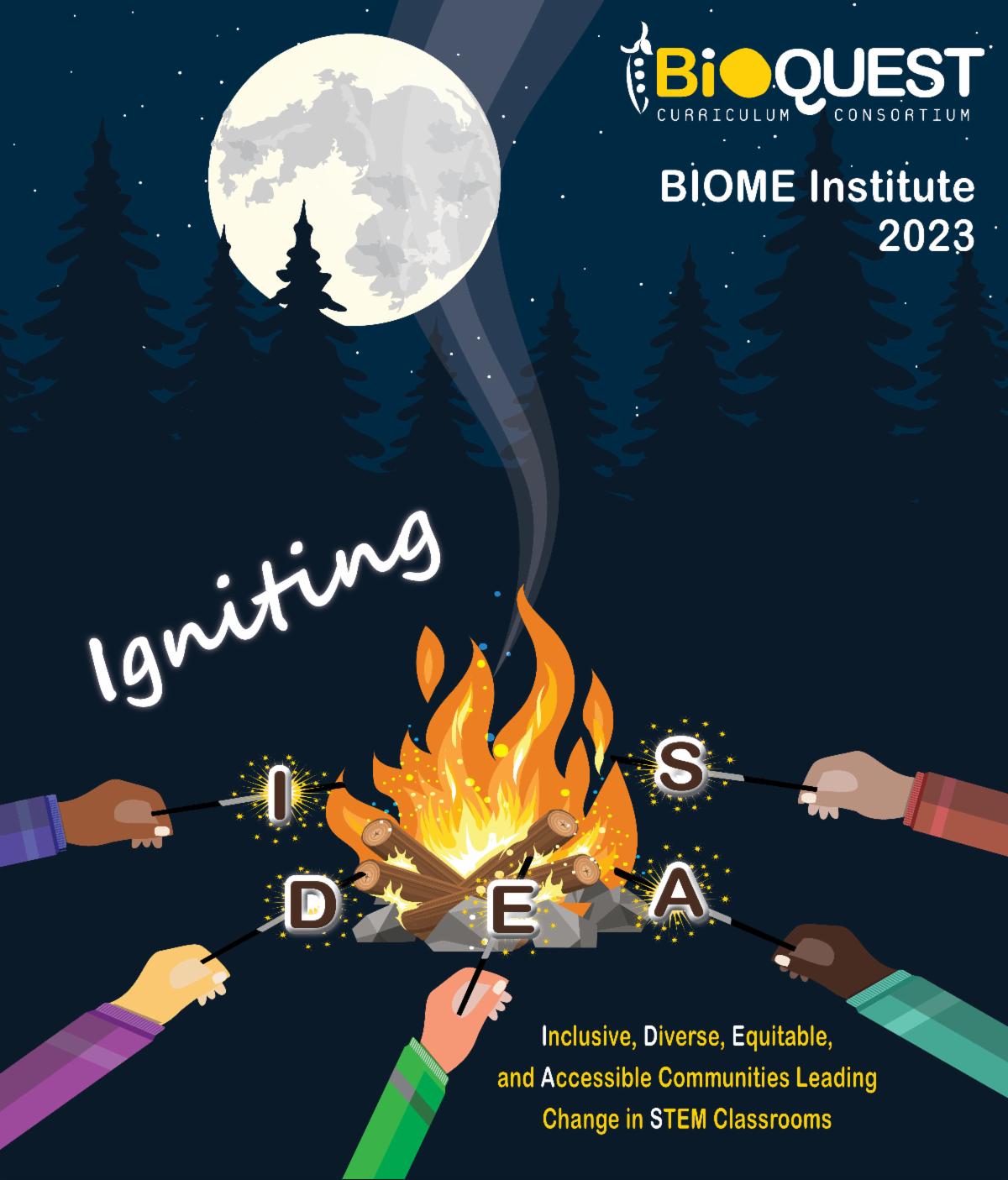
The 2023 BIOME Institute will create bridges connecting existing and newly created communities of practice and ignite new collaborations.
The BIOME Institute is a program of the BioQUEST Community and is open to educators at all levels. BioQUEST will share its knowledge about creating learning environments where educators and learners don’t just survive, but thrive. Participants will gain a deeper understanding of the work that has been done by others and how they can accelerate a change in STEM education with IDEAS (Inclusivity, Diversity, Equitability, and Accessibility).
The application is due April 3, 2023. Find the full description and schedule on the BIOME webpage, and feel free to contact Rhianna Kozinski (rkozinski@bioquest.org) with questions.
|
|
Survey Request: Tell Us About Life Science in Your
General Ed Courses
As a member of the NABT community, we greatly value your perspectives, and we need your help!
Faculty who teach undergraduate life science courses to non-science majors, play an incredibly important role in our society. These courses may be the only opportunity these students have to learn essential information and gain skills necessary for their future filled with environmental, health, scientific, and technological issues.
If you teach undergraduate life science courses to non-science majors, we need your input! The IGELS (Improvement of General Education Life Science courses) project, through an NSF award (2126154), is investigating what impact the biology education report, Vision and Change (AAAS, 2009), has had on select undergraduate life science/biology instructors. Even if you have NOT read the document, your input is valuable.
We have developed a brief survey, and your answers will help shape effective and relevant professional development opportunities for instructors of General Education Life Science (GELS) courses.
NABT is a proud founding partner for the IGELS Project.
|
|
|
|
November 3 - 5, 2023
Baltimore Waterfront Marriott
Baltimore, MD
|
|
|
|
P.O. Box 3363
Warrenton, VA 20188
Phone: (888) 501-NABT
|
|
Are you hosting a workshop? |
|
Use our easy online form to order free items from NABT such as copies of ABT, membership coupons, and other NABT merchandise.
|
|
Notices that appear in News & Views are announcements only and do not indicate an endorsement by NABT. Permission is granted by the National Association of Biology Teachers for libraries and other users to make reproductions for their own or their client's personal, noncommercial, or internal use.
copyright © 2022 All rights reserved
|
|
|
|
|
|
|