CHRONIC DISEASE MANAGEMENT |
|
FROM THE NACHC LENS
Improving Chronic Disease Care—
A Snapshot of What's Working in Health Centers
In providing chronic disease care management to health center patients, care teams are doing so with an understanding and sensitivity that many patients face one or more environmental and/or educational barriers. Reducing heart disease takes an all-hands-on deck approach.
“Truly, we have a whole team approach,” says Cynthia L. Jones, MD, Chief Medical Officer, Mosaic Health. “From the scheduler to the lab schedulers and techs, nursing staff, social workers, insurance managers, pharmacy staff, and providers – everyone is involved….The days of working in a silo as a physician are over.”
At Zufall Health Center, Rina Ramirez, MD, Chief Medical Officer, shared that as part of their multidisciplinary approach, clinical pharmacists (rather than primary care providers) provide patients with more in-depth diabetes education and medication management through several consultation sessions. In addition, needs assessments by different care team members are performed to ensure barriers that may impact a patient's care are captured. Care team members then collaborate and coordinate care and services such as nutritional counseling, low cost or free healthier foods, low-cost medications or laboratory services, medication education, behavioral health counseling, etc.
Ongoing high-touch engagements with patients about their chronic conditions is also a core part of many chronic disease management programs. “The single best thing we can do is educate and motivate our patients,” advises Keith Ferdinand, MD, Gerald S. Berenson Endowed Chair in Preventive Cardiology, Professor of Medicine, Tulane School of Medicine. Information should be simple and clear (e.g. simple low-lit infographics) and culturally appropriate. For older adults, Ferdinand recommends using caution when directing these patients to websites because they may not use the Internet to search up health information and if they do, they tend to find a lot of misinformation.
“We take our time to educate high-risk patients through phone calls and in person and we give them a lot of time to ask questions,” says RN Managers Christine Lynch, RN, and Rebecca Horning, RN, Mosaic Health. “We’re constantly myth busting or helping patients get past a bad experience (when using statins). We spend a lot of time on the ‘why’ and ask ‘what’s preventing you from taking your statins?’” Once the care team knows the “why” they can get patients resources that help solve a specific problem.
|
|
Chronic Disease Strategies At a Glance
-
Run Gap reports in EHR systems to identify patients who need treatment intensification, follow-up, lab work, or needs assessments to address barriers and/or gaps in care.
-
Feedback from both staff and patients is key to enhancing and improving patient care.
-
Incorporate high-touch education touchpoints during the visit with “teach back” opportunities and two-way conversations that meet patients where they are.
-
Avoid overwhelming patients with too much information that is difficult to understand. Use motivational interviewing to hone in on one goal or action they can work toward.
-
Conduct frequent follow-up phone calls and/or virtual video calls to help keep patients engaged and on track with their medication regimen and/or behavioral lifestyle changes.
-
Educate teams, from front to back office so everyone understands the health center’s efforts to reduce blood pressure, cholesterol, A1C, etc. among patients with chronic conditions and can support a multidisciplinary approach to chronic disease care.
|
|
Using Self-Monitoring Technologies to Successfully Engage Patients in Managing High Blood Pressure and Diabetes
One of the growing trends in managing chronic diseases such as diabetes and hypertension is the use of self-monitoring technologies. These tools help patients and health center care teams regularly monitor and manage blood pressure and/or glucose levels, often without patients having to leave their homes or places of work. This can save both time and costs associated with in-person clinic visits. Patients using them have demonstrated increased engagement in managing their disease including increased adherence to medications, greater knowledge about their chronic condition, and adaptation of behavioral and lifestyle changes.
Rina Ramirez, MD, is Chief Medical Officer with Zufall Health Center, one of 20 health centers that participated in NACHC’s Leading Change: Transforming At-Home Care program and participates in NACHC's Million Hearts® Preventing Heart Attacks and Strokes in Primary Care project. Under her leadership, Zufall incorporated the use of self-monitoring chronic disease devices into the care of about 300 patients.
Results have been very positive and have demonstrated great success. Patients consistently experienced an average decrease of 10 mm Hg in systolic and 6 mm Hg in diastolic blood pressure levels. Additionally, providers and care teams stay very engaged and want to continue to expand the program and help more patients.
Looking to start or enhance your health center’s use of self-monitoring devices to help patients manage and/or lower their blood pressure and/or A1C levels? Dr. Ramirez recommends that care teams consider the following:
- Remain flexible when introducing patients to the devices and technology and adjust the use of the technology to what they can and are comfortable using
- Offer self-monitoring devices options including those that don't depend on technology to reduce any barriers
- Simplify the process for the patient
- Give patients opportunities to report results
- Appoint care team member to be a dedicated program assistant who can work with staff to modify the program based on staff and patient needs, help manage data collection
- When assessing patient feedback, keep it simple and ask only a few critical questions
|
|
 |
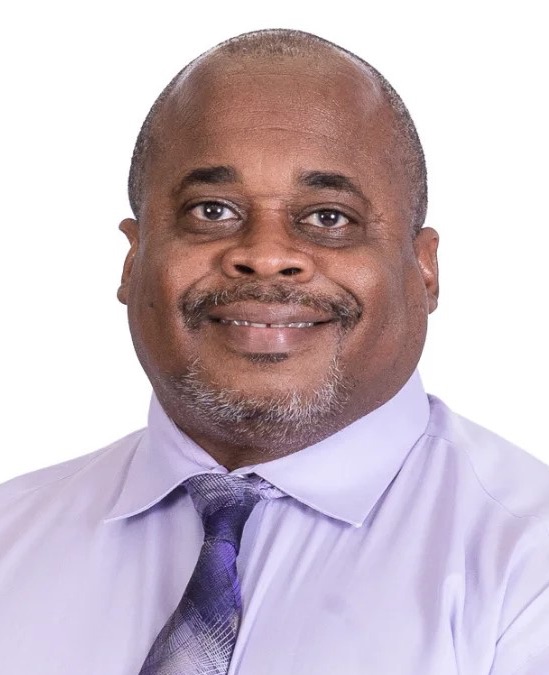
Adrian James, MD
Chief Medical Officer
West Oakland Health
“I know what hog head cheese is, and I grew up eating neck bones in a family headed by a single mom who believed in home remedies, and at times, experienced a lot of financial stress,” says Adrian James, MD, Chief Medical Officer at West Oakland Health. “If I could bring my own unique experience of growing up here to this health care setting, I knew I could make an impact in this patient community because I could connect and communicate with them.”
And for 27 years Dr. James has been doing just that. Low health literacy, numerous environmental stresses, and limited access to physicians with full clinic schedules are among the challenges West Oakland Health patients face as they try to manage their health care needs. It is with this understanding that Dr. James leads a care team committed to actively engaging patients in their medical care by:
-
Building relationships with two-way conversations where care team members are speaking with, not at or down, to patients.
-
Creating teach back opportunities during clinic visits where care team members ask patients – always in a mindful and respectful way-- to summarize key takeaways. This allows care teams to further help patients understand their medical diagnoses, treatment, and follow-up.
-
Providing more frequent patient touches where care coordinators reach out to patients three to four times a month to check in about their home care and medication adherence. This ongoing communication has proven highly successful in helping patients manage their chronic disease conditions and creates opportunities for them to develop trusted relationships with care team members and not just their provider.
Dr. James’ mantra of treating patients “with the utmost respect, like you would family” becomes even more critical as he continues to foster a sense of connection and trust in the health center and the care team that enables patients to get the care they need and deserve.
|
|
|
|
|
NACHC and the Centers for Disease Control and Prevention are partnered together to reduce heart attacks and strokes to help achieve the Million Hearts® 2027 goals. The current focus is to implement evidence-based strategies to improve hypertension management and control among African Americans. In addition, the program is exploring new community-based medication therapy management care models, increasing the use of statin therapy in high-risk patients, and expanding the use of self-measured blood pressure monitoring. Learn more about the NACHC Million Hearts® Initiative.
|
|
|
|
Healthy Together
Healthy Together is a free patient lifestyle change program that blends technology, at-home self-care tools, lifestyle coaching, and ongoing support with trained health center staff. It utilizes a network of regional, state, and national partners to increase the impact of diabetes prevention and management at health centers through a whole-person and culturally sensitive approach. Read more about the program here.
|
|
|
|
|
Breathing Exercise
Take a few minutes away from your patients and colleagues to refresh with a mindful exercise of sitting meditation.
- Sit comfortably with your back straight, feet flat on the floor, and hands in your lap.
- Breathing through your nose, focus on your breath moving in and out of your body.
- If physical sensations or thoughts interrupt your meditation, note the experience and then return your focus to your breath.
|
|
|
|
© National Association of Community Health Centers. All rights reserved. |
|
|
|
|
|
|
|