|
Thursday, November 29, 2018, 3:00 - 4:30 PM ET
NAFSCE Effective Practices Webinar Series:

While the debate continues regarding the impact of social media and technology on the development of young children and adolescents, a plethora of research supports the fact that the
effective use of educational media and technology helps children learn, increases family engagement, and boosts parent and educator capacity.
 In a first-of-its kind survey, education researchers from the Education Development Center (EDC) and SRI International spoke to more than 1,400 parents to explore how learning occurs in contemporary families, the role that media plays in children's learning at home, and the types of resources and
experiences that parents would like to better support their children's learning.
This study was commissioned by the U.S. Department of Education's Ready To Learn Initiative, led by the Corporation for Public Broadcasting and PBS.
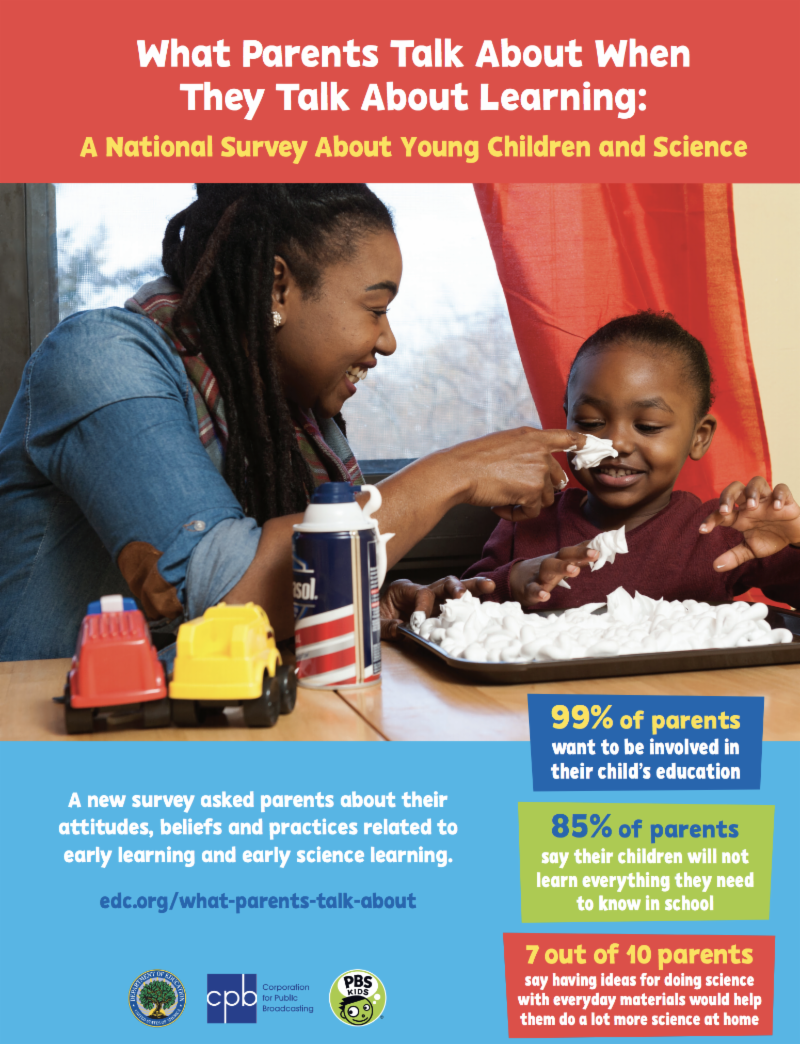
Captured in the report,
What Parents Talk About When They Talk About Learning:
A National Survey About Young Children and Science
, parents told researchers
they are very confident in teaching their children reading, writing and arithmetic, yet
parents are far less likely to report feeling confident in helping their children learn science. Many parents, especially low-income parents, say that more ideas and resources would help them to do more science with their children. This presentation will explore how media can fill that need.

We will then explore one such mobile-based resource,
Ready4K,
that is currently helping over 150,000
parents across the country support their children's learning
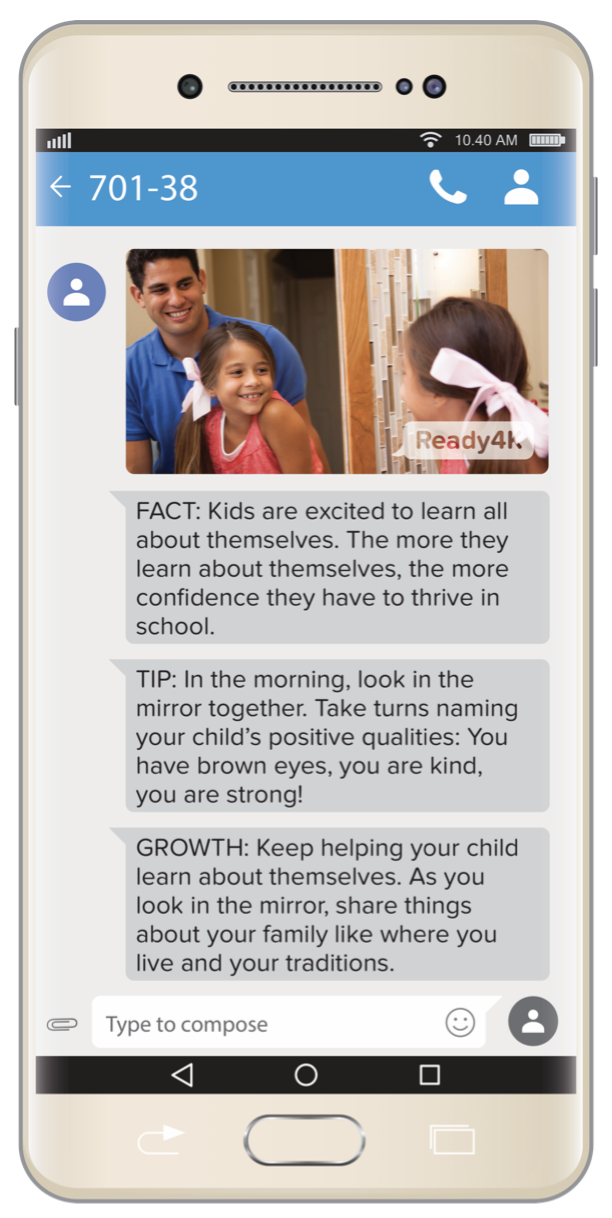
through an evidence-based family
engagement program delivered via text message. Dr. Ben York, the founder of Read4K, will discuss the research behind the program,
which he led while at Stanford University, and how it has proven to increase family engagement and children's development by 2 to 3 months over the course of a school year.
Please join our presenters as they highlight new science and literacy media designed to support children's learning, in combination with new approaches to family engagement and community collaboration.
Presenters include:
|
Megan Silander
Senior Researcher
Educational Development Center
|
Executive Director, Ready To Learn,
Corporation for Public Broadcasting
|
|
David Lowenstein
Senior Director, Ready To Learn, PBS Kids
|
Benjamin N. York, Ph.D.
Founder & CEO, ParentPowered Technologies, creators of Ready4K
|
|
|
|
 |
|
|
|
Next Convening: December 4th, 2018,
2:00p
m ET
Join your fellow family engagement practitioners as they discuss strategies, obstacles and creative solutions to family and community engagement challenges in this virtual gathering.
NAFSCE Members:
Please sign in
to receive the Zoom call-in information.
|
|
|
|
|
|
|
|
|
|
|
|
|

Today, over 44 million adults in the United States are unable to read a simple story to their children. Over 60 percent of children in low-income areas have no children's books in their homes. Yet 79 percent of educators believe family engagement in literacy education is essential. In this article for The 74, Kathryn Starke, an urban literacy specialist, reading consultant, author, and founder of Creative Minds Publications, provides tips on how schools and parents can work together to embed reading into a child's everyday life.
|
|
|
|
|
|
|
|
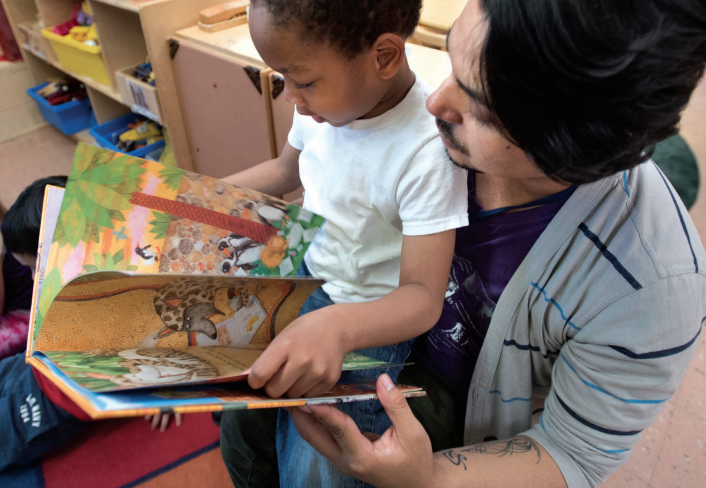
A new research synthesis by the Chicago Consortium on School Research, "Supporting Social, Emotional, & Academic Development: Research Implications for Educators" outlines the skills and practices that research shows are critical for teachers and principals to best support student success, including family engagement. The report suggests ways that educators can utilize insights from research to create responsive, engaging schools and classrooms that advance educational equity. Chapter 5 highlights the importance of family engagement, including the fact that t
eachers are more likely to remain at schools with strong family engagement programs and policies.
|
|
|
|
|
|
|
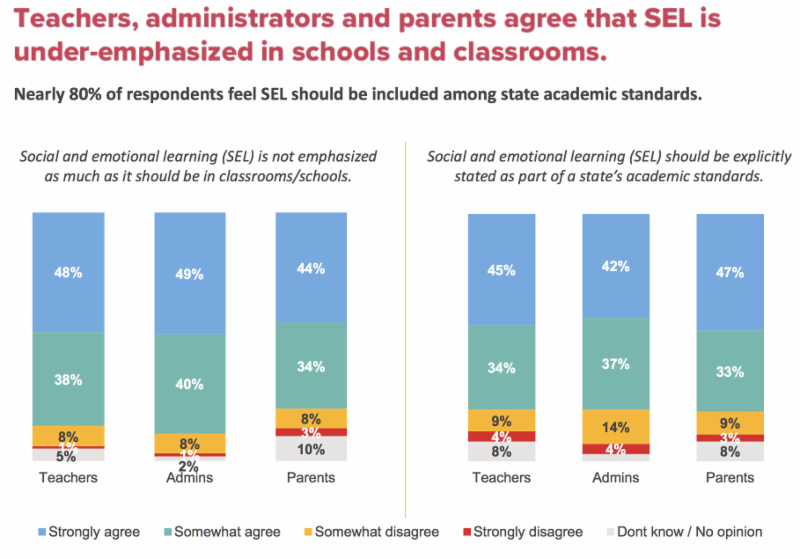
The overwhelming majority of administrators (96%), teachers (93%) and parents (81%) believe that social and emotional learning (SEL) is just as important as academic learning. Teachers and administrators most commonly cite "negative student behaviors such as bullying" as the issue that SEL instruction is most important in combatting. Parents, meanwhile, most commonly cite improving school safety as the most important benefit of teaching SEL skills in the classroom. Read more key takeaways from McGraw-Hill Education's 2018 Social and Emotional Learning Report.
|
|
|
|
|
|
|
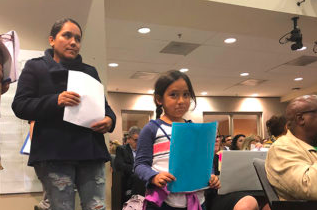
LA Unified has ended a requirement that parents have to pay to volunteer in their children's schools.
The school board voted unanimously to approve a resolution by Superintendent Austin Beutner, who exercised his authority to waive the $56 fee for fingerprinting and background checks. The district will also nearly double - from seven to 13 - the number of locations where volunteers can be fingerprinted.
"Families and community members are essential to the success of our students and schools," Superintendent Beutner said in a statement. "We want to eliminate costly fees and needless bureaucracy so every family and community member can help us provide every child with a great education."
|
|
|
|
|
|
|
|
|
|

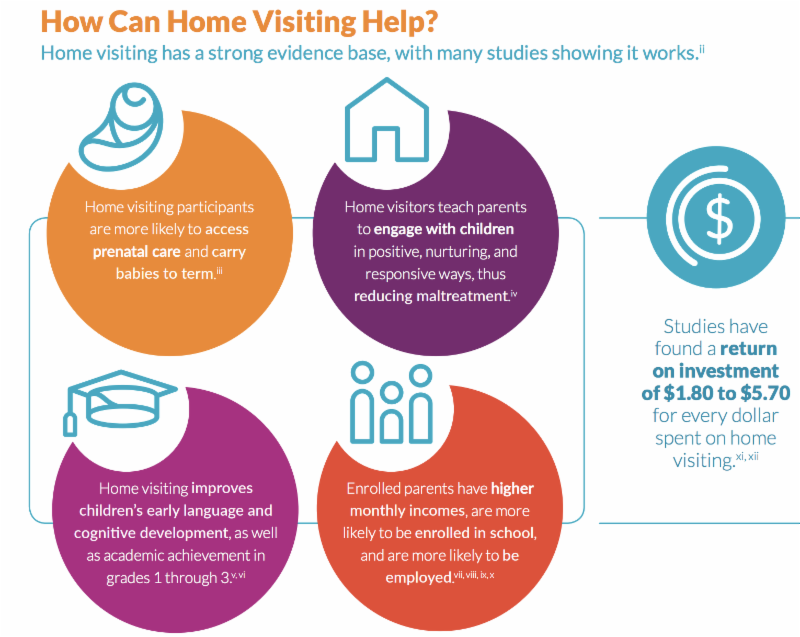
The migrant education program in the Dodge City school district provides a holistic approach to learning and integration for nearly 300 students, incorporating home visits, family engagement, and health services on a variety of levels. The students are qualified by an unusual metric - they are eligible for the program if they have moved across state lines in the past three years, and the services that the program provides are linked to the unique needs of the students and their families.
|
|
|
|
|
|
|
When you support NAFSCE, you are supporting initiatives that have the potential to change the way our country thinks about the family's role in our children's education. From our partnership with the NEA to develop higher-education training for future teachers, to our work with the FrameWorks Institute to create a fundamental shift in the way people think about engaging parents and caregivers, NAFSCE's work will have a profound effect on how we all think about family engagement.
|
|
|
|
|
|
|
The Program Director is a key member of MCC's leadership team. With broad oversight from the Faculty Director, this role will lead our new "Caring Families" parenting initiative, which, in 2018-19, will primarily focus on identifying and developing effective parenting strategies for promoting empathy, gratitude and diligence. In subsequent years, the Program Director will oversee MCC's portfolio of school-focused programs, including our Caring Schools Network; our Caring Schools #CommonGood campaign to deepen the impact of our college admissions work with high schools; our Empathy Strategies Initiative; and our national Youth Advisory Board.
|
|
|
|
|
© 2018 All Rights Reserved.
|
|
|
|