|
The NAHLN Update 2025
Volume 16, No. 1
| |
THE OFFICIAL NEWSLETTER OF THE NATIONAL ANIMAL HEALTH LABORATORY NETWORK (NAHLN)
A STATE AND FEDERAL PARTNERSHIP TO SAFEGUARD ANIMAL HEALTH
| |
Founding Principles and Features of the NAHLN |
- Operate within a quality management system
- Maintain competency of laboratory personnel
- Use standardized protocols, reference materials, and equipment
- Maintain appropriate biosafety/biosecurity levels
- Provide secure communications and real time electronic reporting
- Evaluate preparedness through scenario testing
| |
|
In This Issue:
Recurring call schedule
NAHLN Activities/Accomplishments
Next-Generation Sequencing Symposia
HL7 Messaging Symposia
Highly Pathogenic Avian Influenza Network Strength
Inaugural Biosecurity and Emerging Agrosecurity Threats Workshop
Foreign Animal Disease Diagnostic Laboratory
Unusual Morbidity and Mortality Events Project Involvement with HPAI Dairy Cow Outbreak and Beyond
NAHLN-NBAF Partnership to Improve Early Detection of Emerging Diseases
Regional Meetings Planned for the NAHLN-NBAF Partnership
Getting to Know the NAHLN-NBAF Partnership Scientists
Round-up
| |
|
Recurring Call Schedule:
NAHLN Q&A calls occur every Friday.
NAHLN Laboratory Response Planning calls occur every Friday.
NAHLN Coordinating Council (CC) calls occur on the third Monday of each month.
Fun Facts
Did you know the the Foreign Animal Disease (FAD) PReP Material and References websiteincludes information on:
and many more useful resources.
Input Welcome!
We appreciate hearing from you!
Are there other topics that you would like to hear about? Please email your comments to us at NAHLN@usda.gov.
| | |
NAHLN Activities/Accomplishments for Fiscal Year 2024
- HPAI Outbreak Electronic Messaging
- NAHLN Farm Bill
- American Recue Plan (ARP) funding for NAHLN Labs
-
American Association of Veterinary Laboratory Diagnosticians (AAVLD) / National Veterinary Services Laboratories (NVSL) Summer Diagnostic Symposium
- NAHLN-National Bio and Agro-Defense Facility (NBAF) Partnership
- Quality Management System Training
- Foreign Animal Disease Diagnostician (FADD) School Support
| |
Next-Generation Sequencing Symposia
Michigan State and Colorado State Universities are hosting a Next-Generation Sequencing Symposia – a one-of-a-kind opportunity to gather professionals, researchers, and graduate students for hands-on training in sequencing and bioinformatics who work within NAHLN Laboratories.
Following the increase in access and implementation of Next-Generation Sequencing (NGS) in veterinary diagnostics, it is essential to initiate harmonized training for methods across NAHLN laboratories to enhance information sharing and growth.
The main goals of these symposia:
- Support the dissemination of knowledge and capacity building for NGS technologies among participating laboratories
- Prepare participants for comprehensive and efficient infectious disease diagnostic workflows and outbreak responses in the animal health laboratory setting
The symposia will consist of two components:
- May 5 – 9: Preparation of sample libraries (i.e. library prep) will take place at Michigan State University
- July 28 – August 1: Data analysis (i.e. bioinformatics) will take place at Colorado State University
Registrants received information regarding travel logistics in February. Questions on the symposia should be sent to Colorado State University at vdl_ngsnahln@colostate.edu.
Article submitted by Christina M. Loiacono, DVM, PhD, DACVP, Coordinator, NAHLN Program Office, USDA APHIS VS D & B, NVSL.
| |
HL7 Messaging Symposia
These symposia are designed to help improve the accuracy and efficiency of day-to-day messaging activities and focus on key roles/areas in the laboratory:
- Laboratory personnel that participate in data entry including technicians, sample receiving staff, and case coordinators
- Those involved in troubleshooting LIMS messaging issues
- Others — including those personnel with a strong IT background that aid in any HL7 management
The kickoff symposium will be an in-person event hosted in Schaumberg, Illinois, September 3-4, 2025. Following the initial meeting, it is expected there will be several virtual breakout sessions hosted between October 2025 and January 2026. Topics will be based on the initial symposium’s discussions around the key areas above, and only personnel involved in that area/role need to attend.
Article submitted by Todd Bleifuss, Physical Scientist, NAHLN Program Office, USDA APHIS VS D & B, NVSL.
| |
Highly Pathogenic Avian Influenza – Network Strength | |
|
We have now surpassed the three-year anniversary of the initial confirmation of highly pathogenic avian influenza in domestic poultry in Indiana on February 8, 2022. And as seems to be part of this entire outbreak, new unique challenges presented themselves within the last six months. As numbers of both positive poultry and dairy premises rapidly skyrocketed in California, the immense value of the “network” in the NAHLN came into the spotlight.
As the only NAHLN Laboratory in the state, the California Animal Health and Food Safety (CAHFS) Laboratory at Davis reached out to the NAHLN Program Office to ask for assistance. Multiple laboratories heeded the call to either deploy personnel to the CAHFS Laboratory to assist with HPAI testing there, accept diverted samples from California to be tested at their laboratory, and in some cases both. Samples for outbreak-associated HPAI testing, outbreak-associated rapid research, USDA epidemiological studies, FAD investigations, and multiple surveillance testing streams for various NAHLN scope diseases were diverted to seven other NAHLN laboratories. These laboratories worked diligently to communicate with the California Department of Food and Agriculture, maintaining outstanding turn-around times and results distribution.
While one laboratory can have their testing capacity overwhelmed, the cumulative capacity of the network is there to support those needs. The NAHLN was formed with that very purpose in mind, and the last several months have proven the success of that plan. As the NAHLN Laboratories now work through the details of supporting their state’s testing needs as part of the NMTS, they are once again sharing ideas, lessons learned, and examples of successes with one another to move the entire network forward as we all work towards fulfilling the current needs of our stakeholders, states, and American agriculture.
Article submitted by Kelli Almes, DVM, DACVP, Associate Coordinator, NAHLN Program Office, USDA APHIS VS D & B, NVSL.
| |
Inaugural Biosecurity and Emerging Agrosecurity Threats Workshop
The first Biosecurity and Emerging Agrosecurity Threats Workshop (NAHLN/Federal Bureau of Investigation (FBI) Biosecurity Course) was held January 14-15, 2025, in Manhattan, Kansas. This course was the product of collaboration between the NAHLN Exercises and Drills Working Group and representatives from the Chemical Biological Countermeasures Unit/Weapons of Mass Destruction Directorate of the FBI. This training was designed specifically for NAHLN Laboratory staff and covered topics such as biocyber security, personnel suitability, biosecurity from a law enforcement perspective, insider threats, and more. Three interactive mini-table top exercises helped participants walk through possible scenarios that could affect their laboratory and discuss possible mitigation strategies with other participants. This first training session included personnel from the NALHN Program Office, three NAHLN laboratories, NBAF, FBI field agents from Kansas and Oklahoma, Kansas State University, the Manhattan Fire Department, and the State Fire Marshal’s Office of Kansas. Pending available funding and personnel, three more training sessions hosted by NAHLN laboratories are being planned for 2025.
Article submitted by Kelli Almes, DVM, DACVP, Associate Coordinator, NAHLN Program Office, USDA APHIS VS D & B, NVSL.
| |
Foreign Animal Disease Diagnostic Laboratory
The Foreign Animal Disease Diagnostic Laboratory (FADDL), one of four NVSL laboratories, was established at the Plum Island Animal Disease Center (PIADC) in New York in 1954.
FADDL conducts diagnostic testing and develops response measures to high-consequence infectious diseases of livestock including foot-and-mouth disease (FMD), ASF, and classical swine fever.
FADDL’s diagnostic mission is accomplished in three locations: PIADC, NBAF, and Puerto Rico. FADDL’s mission includes 24/7 diagnostic testing, emergency response, and training support for federal and state veterinarians and diagnosticians. FADDL is a national reference laboratory through the NAHLN, an international reference laboratory for the World Organisation for Animal Health, and a reference center for the Food and Agriculture Organization of the United Nations. FADDL also manages two vaccine banks that serve to store vaccine antigen concentrate that can be formulated into vaccines if a FMD introduction was to occur.
The NVSL is comprised of three other laboratories: the Diagnostic Virology Laboratory, Diagnostic Bacteriology and Pathology Laboratory, and Diagnostic Bioanalytical and Reagent Laboratory. The mission of these other three laboratories complements FADDL, and they are located at the National Centers for Animal Health in Ames, Iowa.
Article submitted by Traci Imlau, Program Assistant, NAHLN Program Office, USDA APHIS VS D & B, NVSL.
| |
Emerging Disease Response: | |
Unusual Morbidity and Mortality Events Project Involvement with HPAI Dairy Cow Outbreak and Beyond
| |
|
The Unusual Morbidity and Mortality Events (UME) project is designed to facilitate access to advanced diagnostic testing in situations when there is an elevated or unusual morbidity or mortality event that primary/first-line diagnostics have failed to find a cause for disease.
In calendar year 2025, UME provided funding to clarify diagnoses in seven cases: one feline, one canine, and five bovine.
When the morbidity event in U.S. dairy cattle began in early 2024, the UME team worked closely with state and federal officials to provide support for additional diagnostics, in addition to the HPAI diagnostics supported by Animal and Plant Health Inspection Service (APHIS), for comorbidity testing before the situation was declared a Federal Emergency.
As part of the dairy HPAI event, the UME team supported ruling out comorbidities that could be causing cattle to become more susceptible to HPAI. The UME team also met with the NAHLN-NBAF group to help determine a case definition for the event as well as create a list of samples for recommended testing for the comorbidities.
In all, the UME project funded over 2,700 diagnostic tests to help the HPAI dairy outbreak response until additional funding became available for this type of testing.
The UME team has also presented our purpose and achievements to various organizations throughout the year, including presentations to the Centers for Disease Control and Prevention, regional diagnostic laboratories, the Public Health Emergency Countermeasure Enterprises, the Western State Livestock Health Association, the AAVLD & NAHLN Laboratory Emergency Management Committee, and the Veterinary Services Aquaculture stakeholders.
While the HPAI dairy event has diverted some attention away from other cases both locally and nationally, the UME team is here to help with advanced diagnostics for those unusual and unexplainable cases. If you have cases beyond the HPAI outbreak that you would like the UME team to consider, please send an email to APHIS.UME@usda.gov. Include as much of the following information as possible to allow us to quickly process your requests:
- A synopsis of the basic epidemiology and prior testing history for case(s) of interest, and
- A diagnostic plan for the specimens from those cases (including an estimate of costs).
Article submitted by Kimberly A Lehman, DVM, MPH, DACVPM, Director, Diagnostic Bacteriology & Pathology Laboratory, USDA APHIS VS D & B, NVSL.
| |
NAHLN-NBAF Partnership to Improve Early Detection of Emerging Diseases
The NAHLN- NBAF Partnership is fully staffed!
APHIS has funded the strategic placement of five scientists, identified through a competitive process, who specialize in evaluating and developing diagnostics for animal and zoonotic diseases at five key NAHLN laboratories throughout the nation. The regions are identified in the map below.
| |
|
All five scientists are on-board and engaged in the activities being organized in support of the Partnership! Each scientist is listed below with their assigned region and their areas of interest. We look forward to seeing what this group will accomplish!
Region 1: New York, Dr. Leonardo Cardia Caserta, DVM, PhD; Genetics and Molecular Biology
Region 2: Virginia, Dr. Anna Hassebroek, DVM, MPH, PhD; Epidemiology and Emerging Diseases
Region 3: Michigan, Dr. Kayla Conner-Halim, PhD; Microbiology and Molecular Genetics
Region 4: Arizona, Dr. Patrick Maes, PhD; Entomology and Insect Science
Region 5: Washington, Dr. Preeyanan “Meow” Sriwanayos, DVM, PhD; Infectious Diseases and Immunology
Article submitted by Christina M. Loiacono, DVM, PhD, DACVP, Coordinator, NAHLN Program Office, USDA APHIS VS D & B, NVSL
| |
|
Regional Meetings Planned for the NAHLN-NBAF Partnership
To kick things off within each region, the NAHLN Program Office will host weekly calls in April that will each focus on a specific region. The calls will be offered to all NAHLN laboratories within the assigned region as well as the State Animal Health Officials, the Area Veterinarian in Charge, and other state personnel as each region sees fit to include. The discussion will include, for that region, risk assessments for potential emerging diseases, response capability and capacity among the NAHLN laboratories, any need for assay development, what communication should include, and general concerns or gaps specific to the region. See dates below for each regional call:
April 03, 2025, Region 3
April 10, 2025, Region 1
April 17, 2025, Region 5
April 24, 2025, Region 2
May 01, 2025, Region 4
Article submitted by Christina M. Loiacono, DVM, PhD, DACVP, Coordinator, NAHLN Program Office, USDA APHIS VS D & B, NVSL
| |
Getting to Know
the NAHLN-NBAF Partnership Scientists
| |
|
Region 3 – Dr. Kayla Conner-Halim
| |
|
|
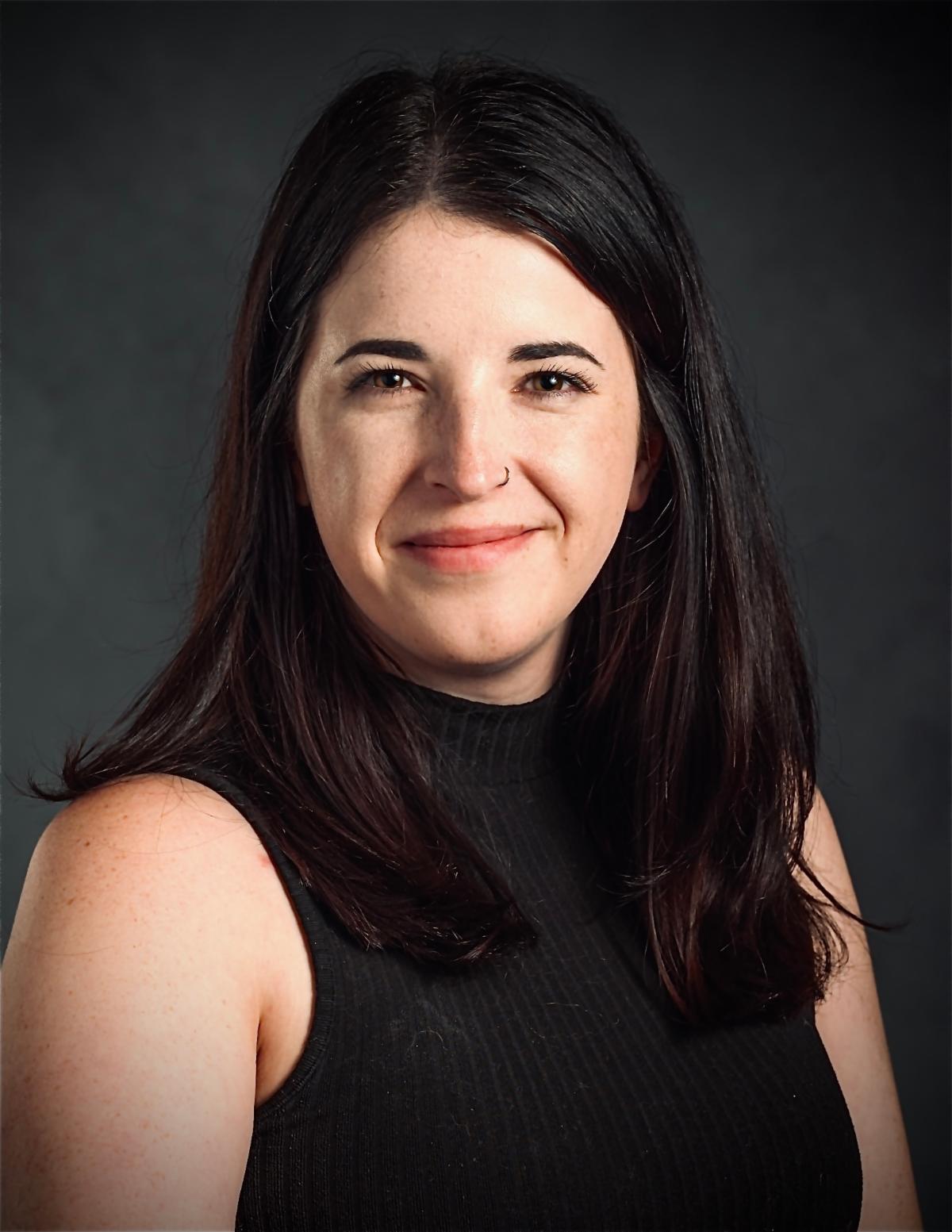
Dr. Kayla Conner-Halim is the Midwest regional scientist for the NAHLN-NBAF Partnership and is housed at the Michigan State University Veterinary Diagnostic Laboratory (MSU VDL) in Lansing, Michigan. Dr. Conner-Halim joined the NAHLN-NBAF Partnership in April 2024 with expertise in infectious diseases, Next- and Third-Generation Sequencing, and bioinformatics. At the MSU VDL, Dr. Conner-Halim works in the Next Generation Diagnostics unit, where she helps to develop sequencing-based assays and bioinformatic pipelines for sequencing data analysis. Dr. Conner-Halim is also passionate about public health, infectious disease control, and early detection of zoonotic threats, making her a great fit for the NAHLN-NBAF Partnership.
While Dr. Conner-Halim is new to the world of veterinary diagnostics, she has extensive experience in infectious disease research. As an undergraduate, Dr. Conner-Halim worked with Drs. Erin McClelland and Scott Handy at Middle Tennessee State University to identify novel plant-derived compounds with antifungal properties toward the fungal pathogen Cryptococcus neoformans. Dr. Conner-Halim then moved on to Michigan State University, where she studied for her PhD under the guidance of Dr. Jonathan Hardy. Her thesis work focused on the impacts of placental Listeria monocytogenes infection on pre-term labor, as well as how genetic diversity of L. monocytogenes isolates impacts placental tropism. While her initial studies were wet lab-based, Dr. Conner-Halim eventually transitioned to bioinformatics-based approaches for studying L. monocytogenes diversity following university and laboratory shutdowns in 2020.
Dr. Conner-Halim’s longstanding passion for public health was reinforced by the onset of the COVID-19 pandemic, which occurred during her doctoral studies. While carrying on her research on L. monocytogenes, she took on a role during the summer of 2020 with the Michigan Department of Health and Human Services Bureau of Laboratories working toward development of genomic sequencing methods for variant detection of the SARS-CoV-2 virus. She went on to work with Michigan State University’s ‘Spartan Spit Program’ for large-scale surveillance testing for early detection of SARS-CoV-2 on campus and ultimately conducted thousands of q-RT-PCR tests.
Upon completion of her PhD in June 2022, Dr. Conner-Halim completed post-doctoral training at Michigan State University with Dr. Andrew Olive investigating early innate immune responses in the lung. This experience allowed Dr. Conner-Halim to further expand her bioinformatics skills, as she developed automated pipelines for data analysis of the Olive Lab’s genomic and transcriptomic studies of alveolar macrophages. Since her transition to the MSU VDL, Dr. Conner-Halim has grown her passion for the use of Next- and Third-Generation Sequencing technologies for the advancement of veterinary diagnostics. She serves on the planning committee for the NAHLN NGS Symposium to be held in Summer 2025 and is a member of the AAVLD, where she serves as co-chair of the Next-Generation Sequencing sub-committee alongside Northeast Region NAHLN-NBAF scientist, Dr. Leo Caserta.
In her free time, Dr. Conner-Halim enjoys spending time with her husband (Alan), their corgi (Winston), and their very dumb orange cats (Louis and Charlie). Together, they love to hike, try new board games, and see live music. Additionally, Dr. Conner-Halim is a certified barre instructor and teaches several group classes each week.
Dr. Conner-Halim’s thoughts on the biggest challenges faced by the NAHLN-NBAF partnership in the early detection of emerging diseases, “I see two main challenges in the early detection of emerging diseases. The first is expecting the unexpected. Prior to spring of 2024, I don’t think anyone anticipated spillover of HPAI into dairy cattle. I think this event is a prime example of how important it is to consider all possible scenarios, no matter how unlikely they may seem, and to always be thinking about what could come next. The second main challenge I see is lack of public awareness when it comes to the importance of veterinary health/One Health. Prior to transitioning from human-centric infectious disease research to veterinary diagnostics, I rarely considered the criticality of animal health. I now hold the work done by NAHLN in great reverence and hope that we can continue connecting with the public to emphasize the interconnection between animal and human health.”
Article submitted by Traci Imlau, Program Assistant, NAHLN Program Office, USDA APHIS VS D & B, NVSL.
| |
Getting to Know
the NAHLN-NBAF Partnership Scientists
| |
|
Region 5 – Dr. Preeyanan Sriwanayos
| |
|
|
Dr. Preeyanan Sriwanayos joined the Washington Animal Disease Diagnostic Laboratory (WADDL) at Washington State University (WSU) in September 2024 as part of the NAHLN-NBAF Partnership. She and her family recently relocated from Thailand to take this exciting and honorable position, recognizing its vital role in safeguarding animal health and responding effectively to emerging disease threats. Currently, under the guidance of Drs. Thomas Waltzek and Kevin Snekvik, Dr. Sriwanayos is focused on developing infectious disease surveillance networks and molecular diagnostic tests (including next-generation sequencing approaches) to support national surveillance efforts for diseases impacting aquaculture and U.S. seafood security.
Before joining WSU, Dr. Sriwanayos had a distinguished career at the Department of Fisheries in Thailand, where she served as the Head of the Aquatic Animal Drug and Chemical Research and Development Section at the Aquatic Animal Health Research and Development Division from 2020 to 2024. In this role, she collaborated with various sectors and stakeholders, both nationally and internationally, focusing on antimicrobial resistance (AMR) and antimicrobial use (AMU) surveillance in aquaculture under a One Health approach. Her responsibilities also included the inspection and control of drug and chemical use in aquaculture, as well as aquatic animal disease diagnostics, which provided her with extensive experience in disease management and diagnostics in both coastal and inland environments.
Dr. Sriwanayos earned her Doctor of Veterinary Medicine degree from Kasetsart University, Thailand, in 2008, followed by a master’s degree in Fisheries and Aquatic Sciences from the University of Florida in 2012. She completed her PhD in Veterinary Medical Sciences at the University of Florida in 2020, under the mentorship of Dr. Thomas Waltzek, where her research focused on the detection, genomic characterization, and risk analysis of ranaviruses affecting aquaculture in Asia.
Dr. Sriwanayos now lives in Pullman, Washington, with her husband, Kamonchai Imnoi, who works as a laboratory manager at the College of Veterinary Medicine, WSU, focusing on aquatic animal disease diagnostics. Together, they are raising their twin daughters, Ida and Ivy. In her free time, she enjoys cooking, watching TV shows, spending time outdoors, and exploring the beautiful scenery of the area with her family.
Dr. Sriwanayos said, “As a scientist in the NAHLN-NBAF Partnership, I believe the biggest challenges to early detection of emerging diseases include developing diagnostic methods that are not only up-to-date but also sensitive enough to rapidly identify novel pathogens. Additionally, fostering strong collaboration across sectors is critical to enhancing our response capabilities.”
Article submitted by Traci Imlau, Program Assistant, NAHLN Program Office, USDA APHIS VS D & B, NVSL.
| |
Sign up for National Institute of Food and Agriculture (NIFA) email updates: NIFA Funding Opportunities | |
Abbreviation / Acronym Key | |
| |
|  |
|
NAHLN Facts
The following link show a map and laboratory list of laboratories that have been approved as part of the NAHLN Testing Network.
| | | | | |