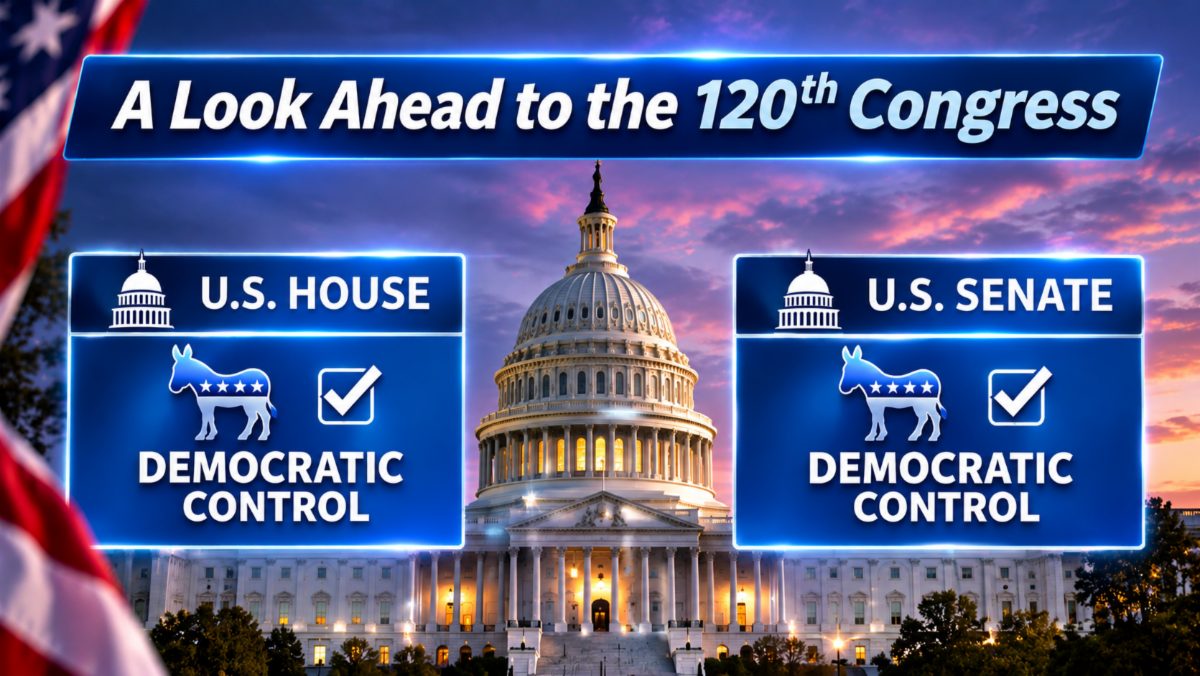
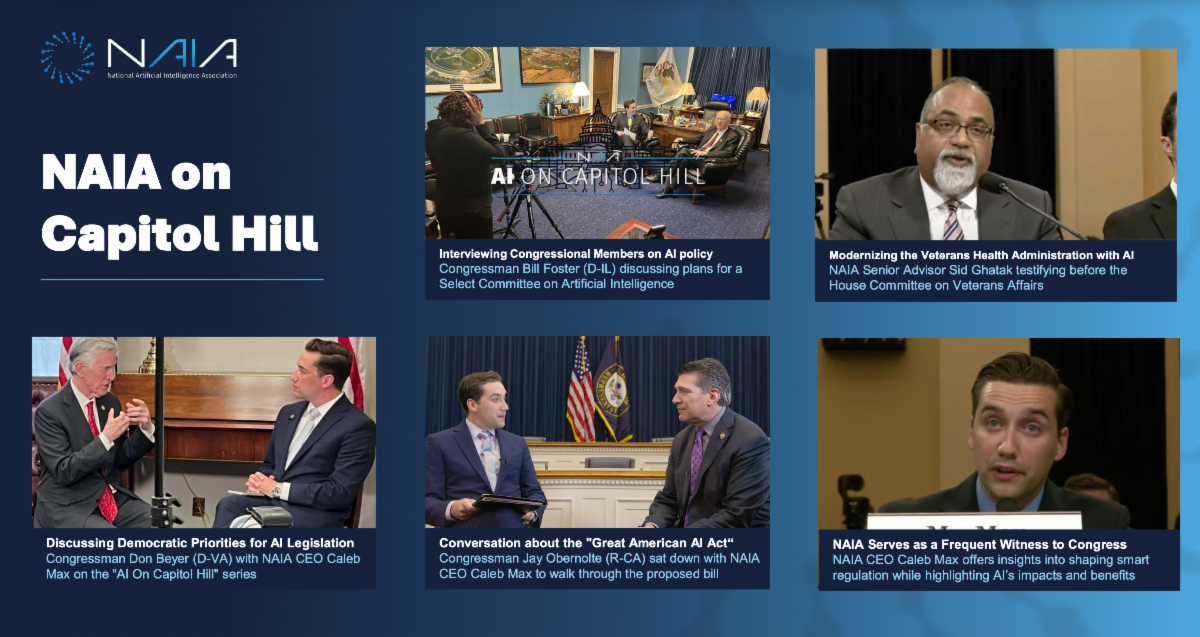
The National Artificial Intelligence Association looks at what to expect in the NEW 120th Congressional Session (Below). | |
|
- NAIA Introduces New Membership Structure
- President Trump Announces Penalties for Data Centers Built Outside the USA
- Presidents Trump and Xi Meet in China's "Silicon Valley". Discuss AI Issues.
- What to Expect in the 120th Congress related to AI
- Bipartisan American Affordability and Jobs Act Moves Forward. NAIA Endorses.
- No NAIA Bi-Weekly AI Policy Call. Watch the Last Briefing
- Weather Report: AI and Cyber Predictions for 2027
- NAIA CEO Caleb Max on The National News Desk
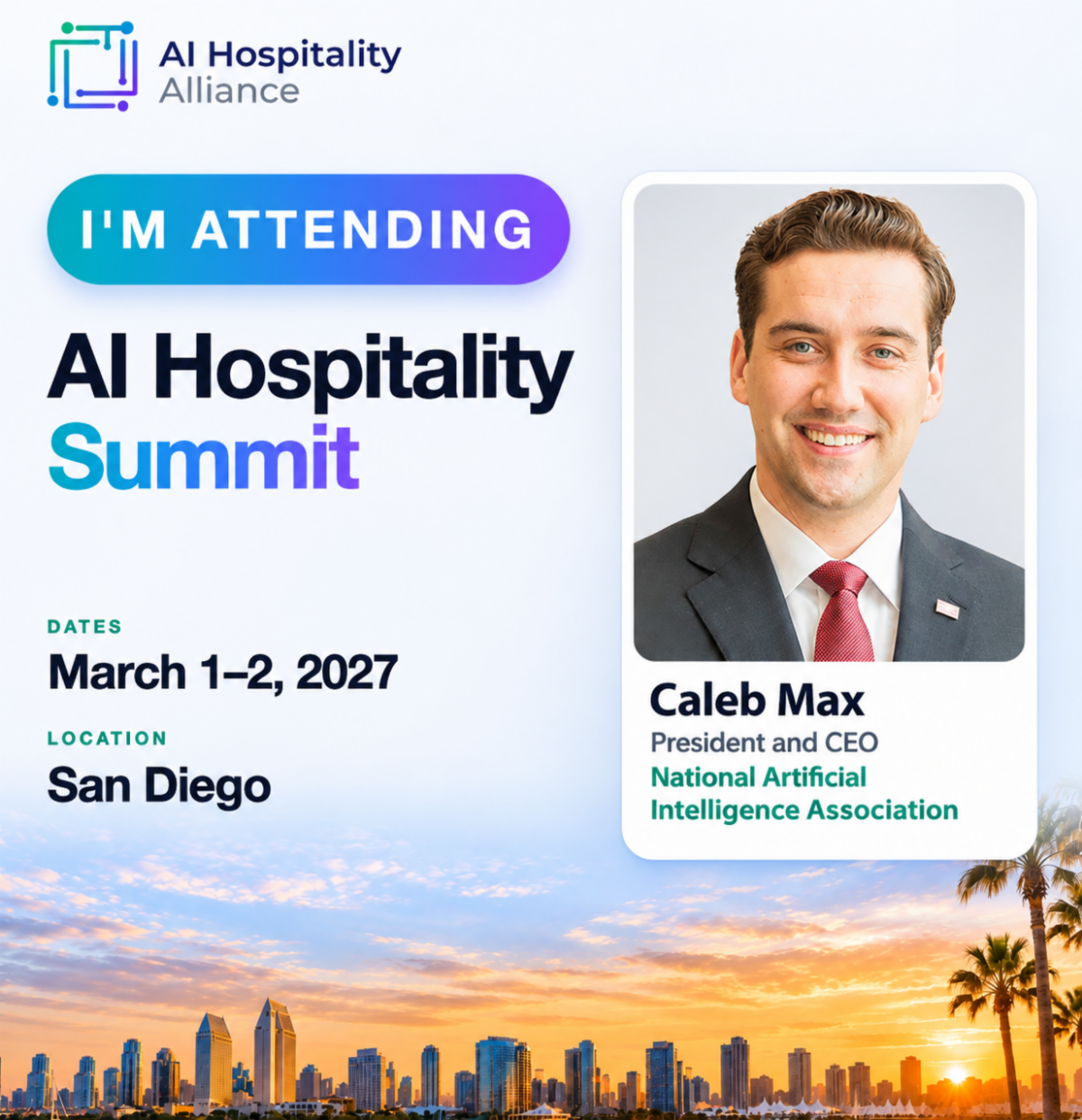
- NAIA Vice President to Speak at AI Hospitality Alliance Event in CA
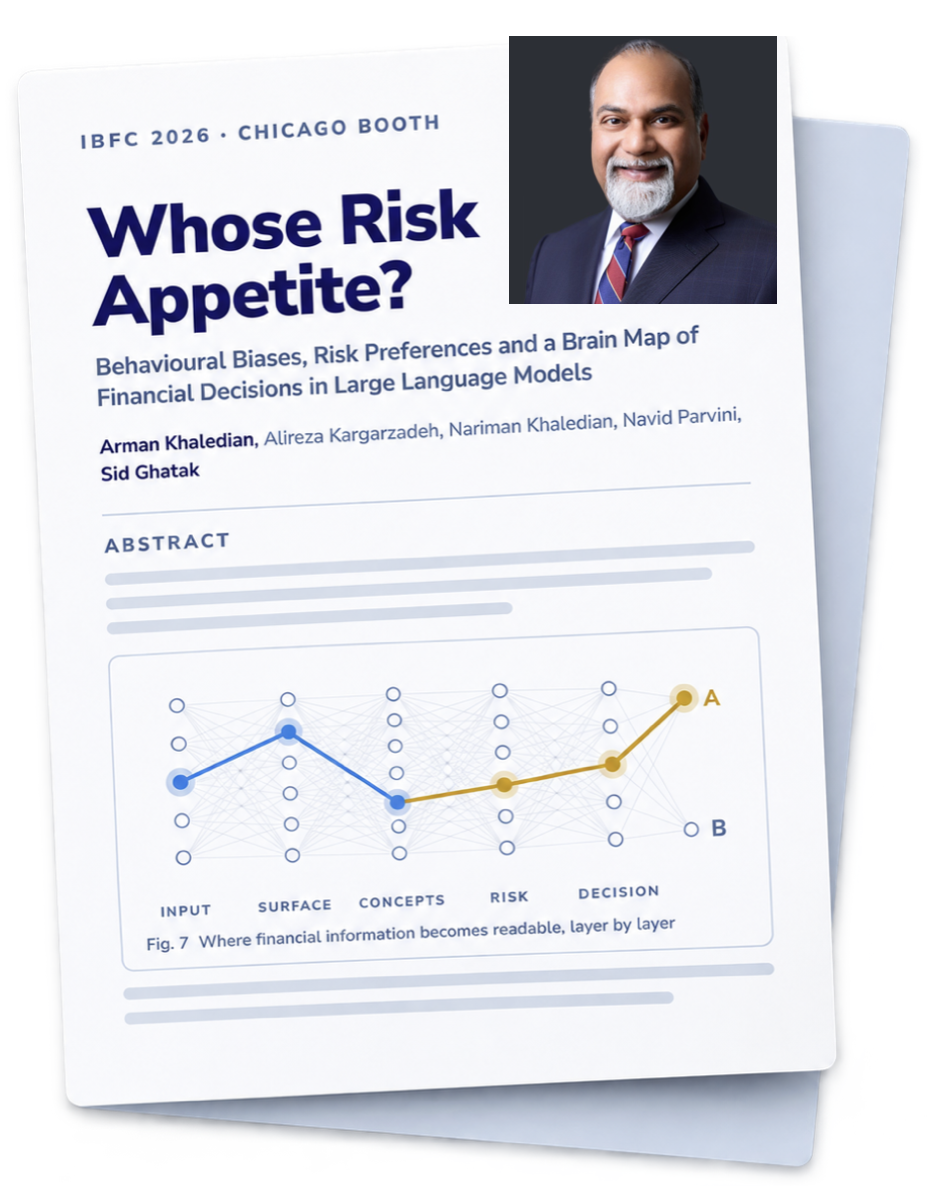
- NAIA Senior Advisor Sid Ghatak releases two new White Papers on AI and Investments
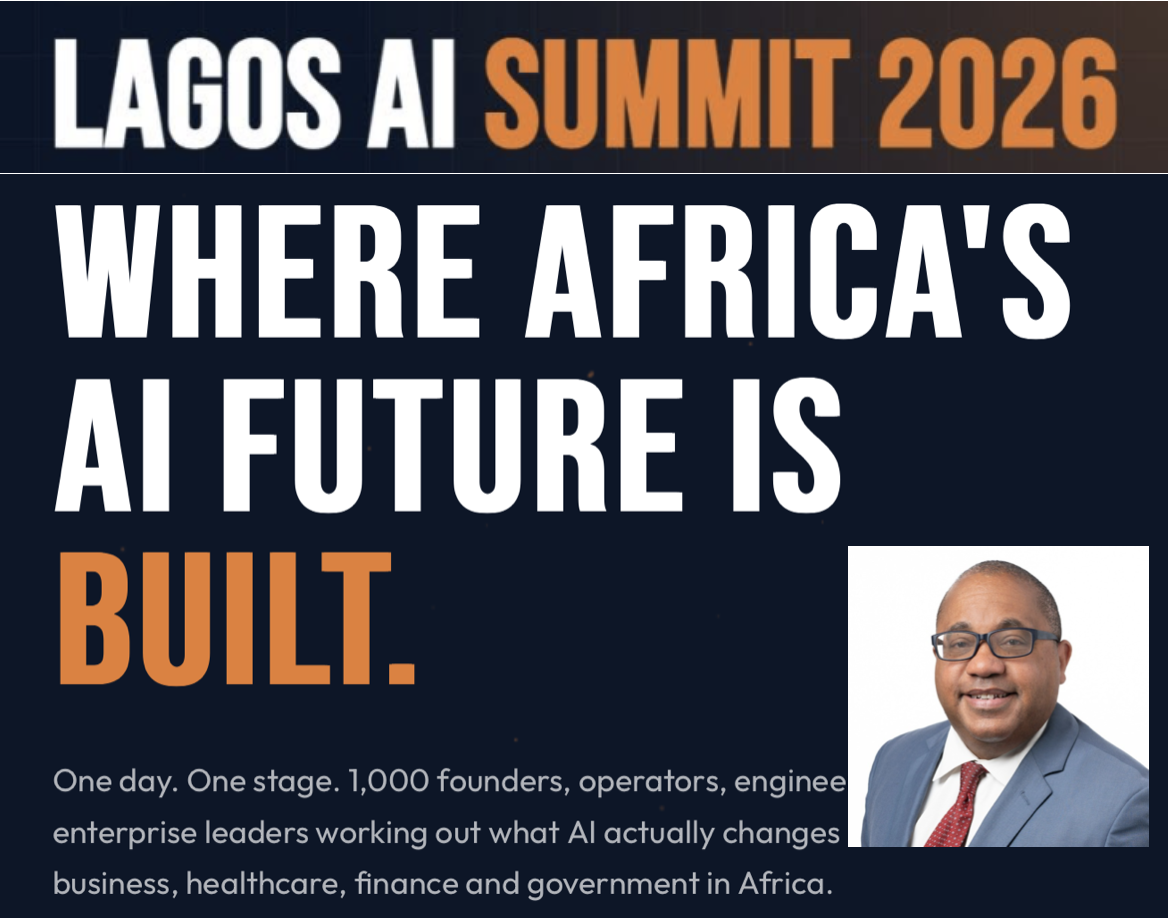
- NAIA Senior Advisor Arthur Sidney is Keynote Speaker at Lagos AI Summit 2026
- Become a NAIA Member Today! America's Fastest Growing AI Association
- Coming Soon: The Second AI Policy Summit. Sponsorship Opportunities
- Sign up and follow NAIA's social media for daily AI news
| | |
Questions? Contact us HERE
Missed the Last Issue of AI in Washington? Go HERE.
| | |
NAIA INTRODUCES NEW
MEMBERSHIP STRUCTURE
| | |
This week, the National Artificial Intelligence Association (NAIA) began our next phase as the leading AI industry business organization. We rolled out a new Membership Prospectus outlining our growth over the last two years, new governance plans and why NAIA is different from other general or tech business associations. Here is quick look at how NAIA is distinct in our operations:
NAIA – Our Key Differentiators
1. Focus – AI Is Our Entire Agenda
Unlike traditional technology associations that address dozens of competing issues, NAIA is exclusively dedicated to artificial intelligence. Every initiative, committee, event, and advocacy effort is designed to advance the AI industry and its members.
2. Engagement – Connecting Industry and Government
NAIA goes beyond traditional conferences and annual meetings by creating meaningful opportunities for direct engagement between AI industry leaders and government decision-makers. These connections help members influence policy, showcase innovation, and build relationships that support business growth.
3. Your Role – Members Drive Policy
At NAIA, members do more than participate—they help shape the association's policy priorities and positions. Through active collaboration, member recommendations directly inform NAIA's advocacy agenda, ensuring the industry's voice is represented in Washington.
4. Leadership – Cross-Industry Representation
NAIA's 24-seat board is designed to bring together leadership from across the AI ecosystem rather than concentrating influence among a handful of large technology companies. This structure promotes diverse perspectives and ensures that organizations building, powering, and deploying AI have a voice in shaping the association's direction.
5. Coalition – Uniting the Entire AI Ecosystem
NAIA brings together the companies developing AI technologies, the organizations providing the infrastructure that powers them, and the businesses deploying AI solutions. By uniting these sectors under one association, NAIA creates a stronger, more coordinated voice to advance AI innovation, adoption, and responsible growth.
NAIA is the only industry association exclusively focused on uniting the entire artificial intelligence ecosystem around a shared agenda. Through member-driven policy, direct government engagement, cross-industry leadership, and strategic collaboration, NAIA gives its members a stronger voice in shaping the future of AI.
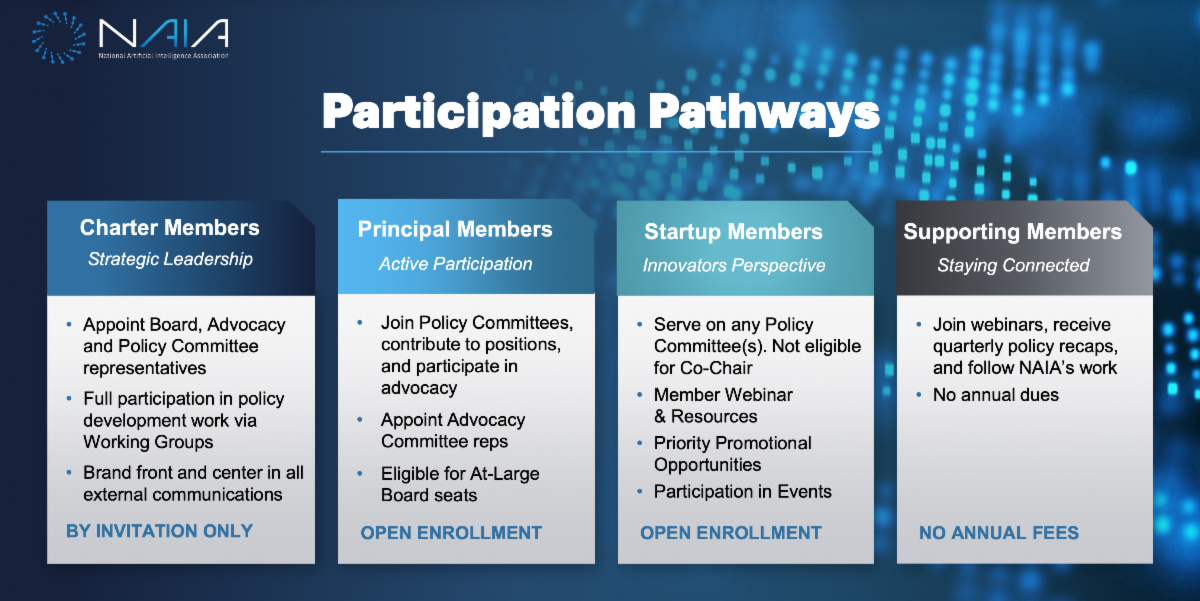
Learn more about becoming a Charter Member, Principal Member, Startup Member or a Supporting Member of the National Artificial Intelligence Association. Send us an email to sales@theNAIA.org
| |
|
PRESIDENT TRUMP STATES "WE ARE NOT GOING TO ALLOW DATA CENTERS TO BE BUILT IN OTHER COUNTRIES"
In a 90-minute press briefing last Friday at the White House, the President, along with Vice President JD Vance and Secretary of State Marco Rubio, covered the recent Asia-Pacific Economic Cooperation (APEC) meeting in Shenzhen, China (see below).
During the briefing the President stated that "We're not going to allow companies to build data centers in other countries. If they do that, they can, but we're going to put a tremendous tax on them if they do it – we want them to build it here."
The President framed it as a necessary step in competing with China on Super Intelligence. Click above or HERE to watch the brief clip referencing the proposal.
| |
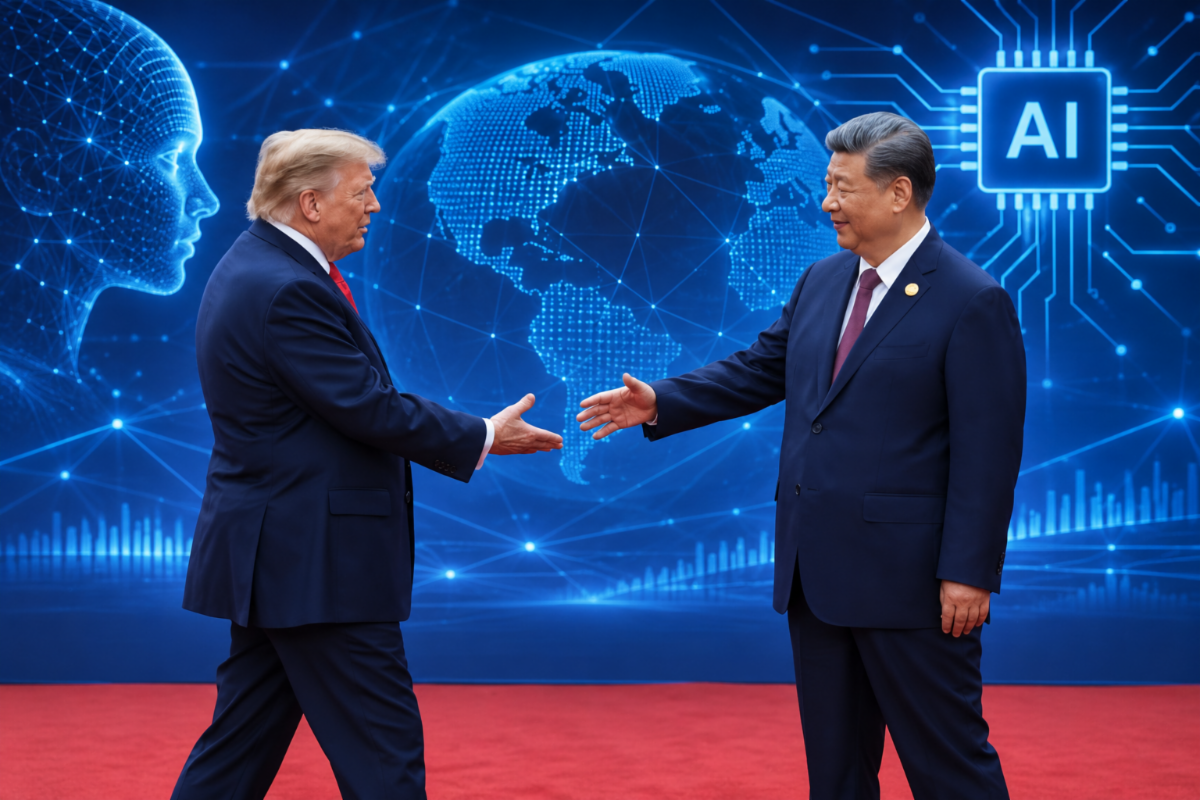
PRESIDENTS TRUMP AND XI MEET IN SHENZHEN
AGREE ON ONE AI POLICY AND DISAGREE ON OTHERS
Tuesday and Wednesday of last week, the Asia-Pacific Economic Cooperation (APEC) meeting was held in Shenzhen, known as China's "Silicon Valley". Shenzhen is the home of China tech giants such as Huawei, Tencent and BYD.
As Bloomberg reported, during their meetings President Trump and Chinese President Xi agreed to keep humans in control of major military AI decisions, even as the two countries clashed publicly over global AI governance and U.S. chip export restrictions.
On AI governance, the US rejected "any form of globalist regulation" that might stifle innovation, while still acknowledging the need to manage the technology's "bad elements". By contrast, Xi called for broader international cooperation on AI, advocating for fair global access to advanced chips and promoting China's own rival governance framework.
CNN reported "the US, China and Russia said they discussed the need to develop artificial intelligence safely. Otherwise, there was little concrete progress on trade or technological cooperation."
| NEWS: CONGRESS (OUT THIS WEEK - IN NEXT WEEK) | |
NAIA GOVERNMENT AFFAIRS UPDATE:
PREPARING FOR THE NEW SESSION OF CONGRESS UNDER DEMOCRATIC PARTY CONTROL
Democrats in both chambers are preparing to make AI a bigger priority in the next Congress, but they have not settled on a unified agenda. Current proposals point toward more scrutiny of frontier AI systems, including independent safety evaluations, incident reporting and clearer accountability.
In the House, Rep. Lori Trahan’s updated FRONTIER Act outline would require independent evaluations and reporting of serious incidents and near misses, while giving the federal government authority to order corrective action. A separate bipartisan proposal from Reps. Don Beyer, Sara Jacobs and Celeste Maloy would establish federal safety requirements for frontier AI.
House Democrats have already begun seeking information from leading AI companies. In October, committee leaders Reps. Frank Pallone, Zoe Lofgren and Jamie Raskin asked OpenAI, Anthropic, Google, Meta and SpaceX for details about cases in which their models acted in unintended or potentially unsafe ways during testing. They requested a full accounting of known incidents and asked the companies to report newly discovered incidents within 48 hours, or within 24 hours if critical infrastructure might be involved.
Leadership and the fight over oversight
House Democrats selected Rep. Hakeem Jeffries as their nominee for Speaker, with Rep. Katherine Clark nominated for Majority Leader and Rep. Pete Aguilar for Majority Whip. The full House will elect its Speaker when the new Congress convenes in January.
Jeffries has called for urgent action on AI safety, but Democrats are still debating how to organize that work. A proposed select committee could coordinate AI oversight, though recent reporting suggests it faces an uphill battle as standing committee leaders seek to retain their jurisdiction. In the Senate, Sen. John Hickenlooper is urging the next Democratic leader to have a “day one” AI plan and has proposed a Select Committee on AI. Sen. Chris Van Hollen supports the idea. Senate Democrats are scheduled to vote on their leadership on December 1, while committee chairs and assignments in both chambers remain unsettled. (Watch the NAIA Bi-Weekly Policy Briefing below for insight on which Democrats will lead the critical committees impacting AI).
A new bipartisan House AI Safety and Innovation Caucus, led by Reps. George Whitesides, Nathaniel Moran and Don Beyer, will focus on safety legislation, emerging security threats and briefing lawmakers after significant AI incidents. Its launch gives lawmakers a forum to keep safety and innovation in view as Congress considers its next steps.
| |
NAIA ISSUES STATEMENT IN SUPPORT OF BIPARTISAN LEGISLATION TO SPEED UP ENERGY AND INFRASTRUCTURE PERMITTING
National Artificial Intelligence Association (NAIA) President and CEO, Caleb Max, issued the following statement on the results of the 62 to 33 Senate passage of the Bipartisan American Affordability and Jobs Act last week:
"The National Artificial Intelligence Association applauds the Senate’s bipartisan passage of the Bipartisan American Affordability and Jobs Act (BAAJA), an important step toward strengthening the energy infrastructure America needs to continue leading in artificial intelligence (AI).
Reliable power generation and modern transmission are essential to critical AI infrastructure and to the companies building, powering, and deploying AI. BAAJA’s permitting reforms can help essential energy projects move forward with greater speed and certainty, allowing that infrastructure to keep pace with innovation".....Read the complete statement HERE as the bill moves to the House of Representatives and we urge its' quick passage.
| |
NO NAIA BI-WEEKLY AI POLICY CALL THIS FRIDAY
WATCH LAST WEEK'S NAIA AI POLICY CALL ON
"AI IN THE LAME DUCK CONGRESSIONAL SESSION" BELOW
Join NAIA CEO Caleb Max as he moderates presentations by NAIA Senior Advisor Arthur Sidney and Vice President, Government Affairs Jason Reiderer. They discuss the impact on AI policy as Democrats win control of both the House and Senate and who will likely lead the key Committees overseeing legislation.
Click on the link below and note the program starts at time mark 09:19:00
| NEWS: AI + CYBERSECURITY 2027 | |
AXIOS SURVEY ON AI CYBER ATTACKS EXPECTATIONS IN 2027 AND
WHITE HOUSE SI FORCE CYBERSECURITY MOVES
Axios interviewed more than 50 leaders from government, artificial intelligence, business, and cybersecurity (HERE). Their shared concern is that 2027 could mark a turning point when AI-powered cyberattacks become a persistent disruption to everyday life and the American economy.
Their article compares cybersecurity threats to weather: Businesses and individuals may need to prepare for recurring outages, service interruptions, and occasional serious incidents rather than treating cyberattacks as isolated emergencies.
The central concern is that AI is advancing faster than the government's and private sector's ability to protect critical infrastructure, including banking, electricity, water, transportation, and communications.
Understanding this concern, the White House has made two moves. First, Jay Clayton, the Director of National Intelligence and Chair of the Super Intelligence Force (AI policy), was temporarily appointed the Acting National Cyber Director while Pentagon CIO Kirsten Davies awaits Senate confirmation.
Second, the Super Intelligence Force commissioned the President’s Council of Advisors on Science and Technology, or PCAST, to assess risks including cybersecurity, biosecurity and model accountability. PCAST is a White House advisory council of science and technology experts. The Super Intelligence Force estimates that it will deliver its own report to the President by January 31, 2027. The report is expected to address these risks, drawing in part on the separate assessment commissioned from PCAST.
| NAIA NEWS: INTERVIEWS, ARTICLES, AND ANNOUNCEMENTS | |
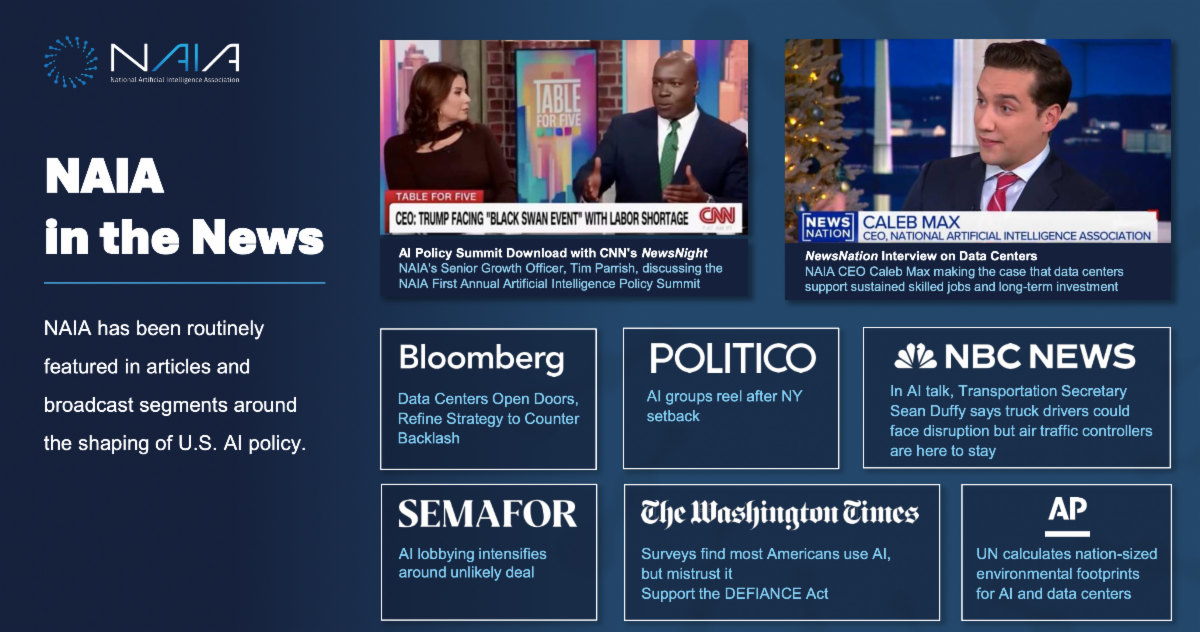
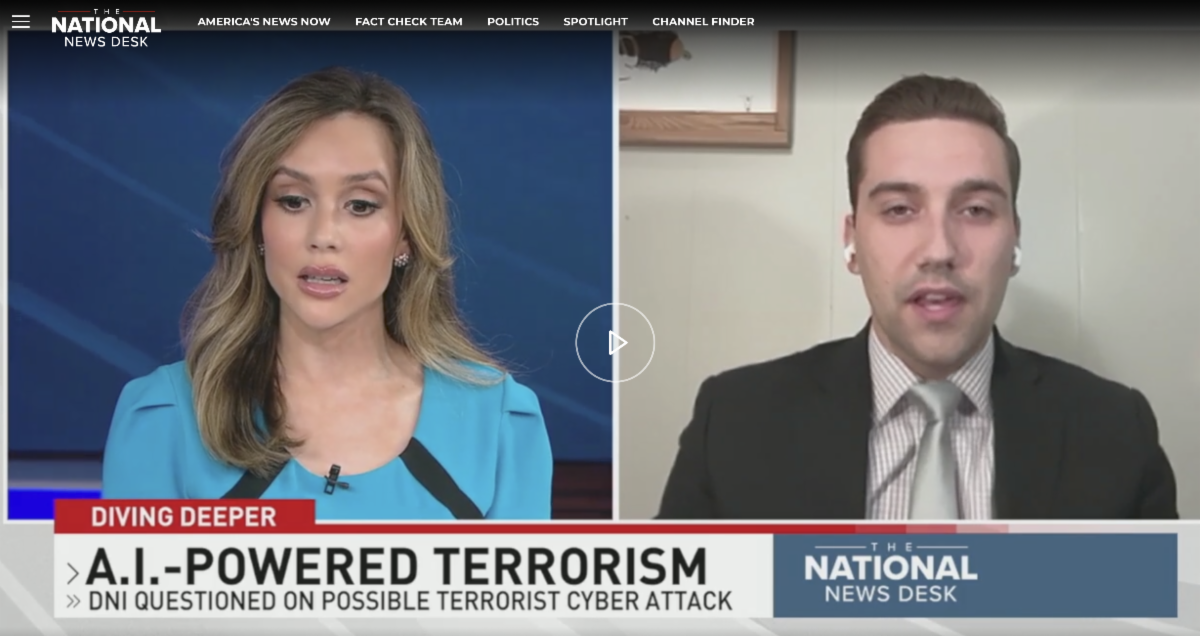
NAIA President and CEO Caleb Max was interviewed by The National News Desk to discuss AI and cybersecurity. “This is a partnership between the leading tech companies, the different agencies within Congress, cyber, you know, as well as the federal government,”
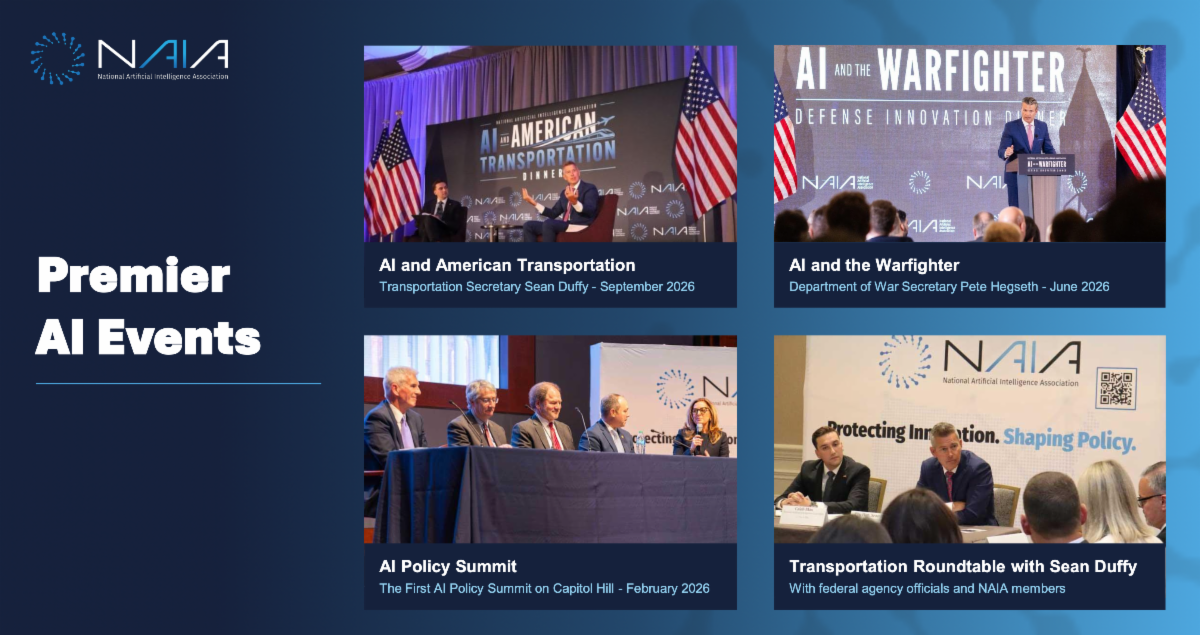
The conversation also turned to infrastructure vulnerabilities highlighted by recent disruptions in aviation, including a nationwide ground stop last week. Caleb referenced comments made in September by Secretary of Transportation Sean Duffy during an event hosted by the National Artificial Intelligence Association and the Department of Transportation.
“You would be shocked at how old our systems are at the FAA,” Duffy said at the time. “We are wildly safe, really safe, but the tools we use are very antiquated.”
Click above or HERE to watch the interview. Caleb was also quoted in the Associated Press story last week on "Study estimates magnitude of US data center pollution as climate talks unveil clean AI pledge":
"Caleb Max, president of the National Artificial Intelligence Association said, “AI will solve not only the energy usage issues that data centers face, but unlock numerous currently unknown advances in science and technology that will address climate change and make lives better for humanity. I respect the concerns about energy and water consumption from data centers, but the fears may be overblown.”
| NAIA On The West Coast: NAIA President and CEO Caleb Max will be a key speaker at the upcoming AI Hospitality Summit in San Diego, California on March 1 and 2, 2027. Hosted by the AI Hospitality Alliance (NAIA Member), you can find more details HERE. | Congratulations to NAIA Senior Advisor Sid Ghatak on the release of two new white papers he co-authored related to AI and financial markets. The first, Whose Risk Appetite? discusses when AI recommends an investment, whose risk appetite is it using? And the second, presented last week in Milan, Italy was titled, "Buy the Rumor, Sell the News" which reviews when is news priced into an investment? The white paper reports on a study of 4.57 million news articles which puts two market theories to the test. Click on the titles to download Sid's white papers. | |
NAIA Senior Advisor Arthur Sidney was the keynote speaker at the Lagos AI Summit 2026 in Lagos, Nigeria on Monday.
Arthur relayed prior to his travels, "As AI adoption accelerates across Africa, the challenge is no longer simply whether institutions can deploy these technologies, but whether they have the authority and capacity to govern them effectively. I look forward to exploring these questions alongside an impressive group of technology leaders, researchers, and policymakers."
| | |
BECOME A NAIA MEMBER
AND MAKE AN IMPACT ON AI POLICY
| | |
America's fastest growing organization supporting the AI industry
NAIA is America’s largest business coalition, representing companies and their allies, building in AI - from Fortune 500 enterprises to innovative startups, across every sector where AI drives transformation.
Annual memberships are available for everyone interested in AI Policy. Follow the link below for Startup Membership and email Tim Parrish, NAIA Chief Growth Officer for more information on enterprise and charter memberships: tim@theNAIA.org
| | |
COMING SOON - INFORMATION ON
THE SECOND AI POLICY SUMMIT
| |
NAIA's Inaugural "AI POLICY SUMMIT" in February of 2026 was an outstanding success with over 400 attending the event held at the U.S. Capitol. Attendees heard from and interacted with Congressional leaders and AI industry and policy institute representatives on the most important policy questions surrounding the growth of artificial intelligence.
The NAIA Team is now in the planning stages for the Second AI Policy Summit and we plan to include an additional day for attendees to visit Congressional offices on the issues that are most important to you. Explaining all the benefits to society that artificial intelligence is providing. The first "Lobby Day" for the AI Industry.
Information will soon be released and your ability to sign up to attend. Want to learn more about the NAIA AI Policy Summit? Reach out to Rae Oliver Davis, NAIA's Vice President of Stakeholder Management and heading the Summit organization. Contact her at: Rae@theNAIA.org
| Follow NAIA and AI News on Our Social Media Platforms | | |
Membership dues paid to the National Artificial Intelligence
Association (NAIA - EIN 33-1713769) are 95% tax deductible as an
ordinary and necessary business expense in accordance with
the lobbying provision of the federal 1993 Budget Reconciliation
Act. Contributions to 501(c)(6) organizations are not deductible as charitable contributions on the donor's federal income tax return.The organization must be an association of persons having some common business interest and its purpose must be to promote this common business interest.
| | | | |