Hello there!
Welcome to our August Newsletter! At NASA Acres, we believe that the sky is not the limit, it's just the beginning, and we want to thank you for coming along for the journey with us! Please enjoy the news and knowledge from this month's edition!
|
|
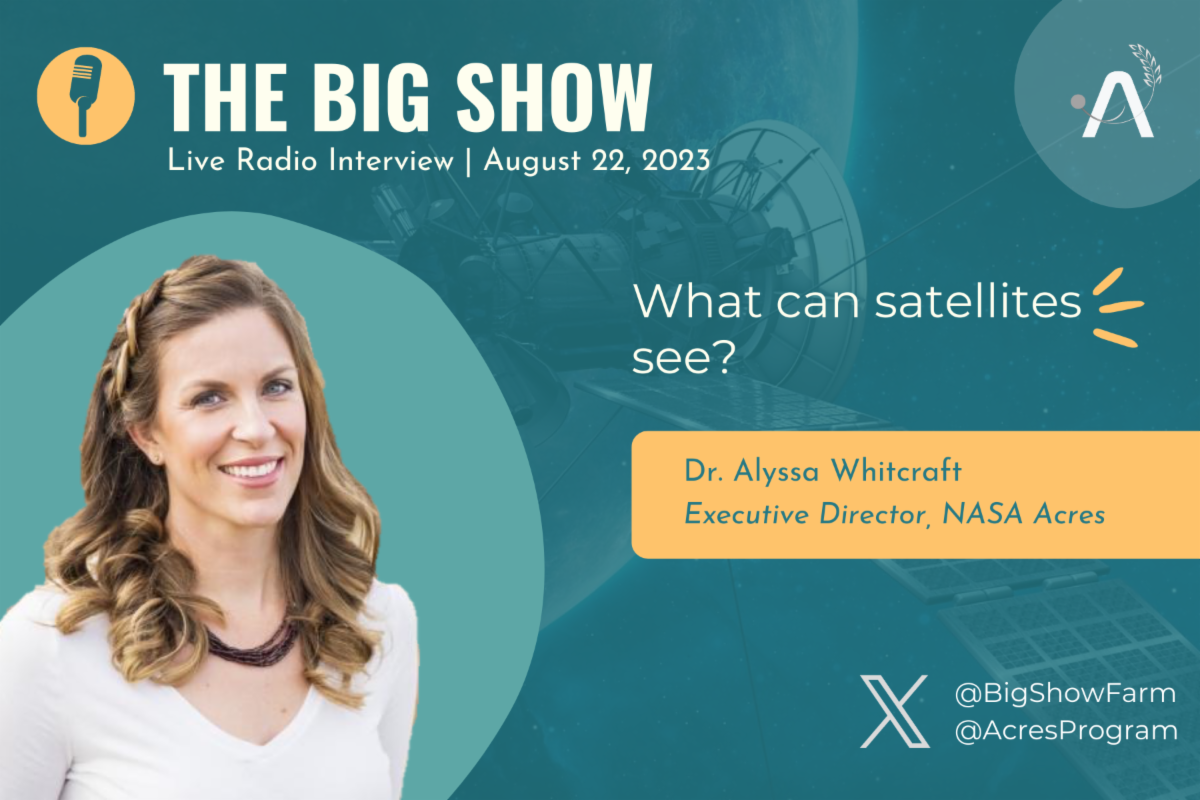
In a live radio interview, Dr. Alyssa Whitcraft, Executive Director of NASA Acres, speaks with David Geiger of The Big Show to talk about what satellites can see and what that means for agriculture. Access the full interview recording and transcript on our website, linked below!
|
|
NASA Acres and NASA Harvest's AI Lead, Dr. Hannah Kerner, taught a guest lecture on AI applications for agriculture, forestry, and other land use during Climate Change AI’s 2023 Summer School. Her lecture covers how the NASA Consortia are using AI to analyze large amounts of Earth observation data, creating fine resolution crop maps, and ultimately using these outputs for better informed agricultural decision making.
|
|
|
|
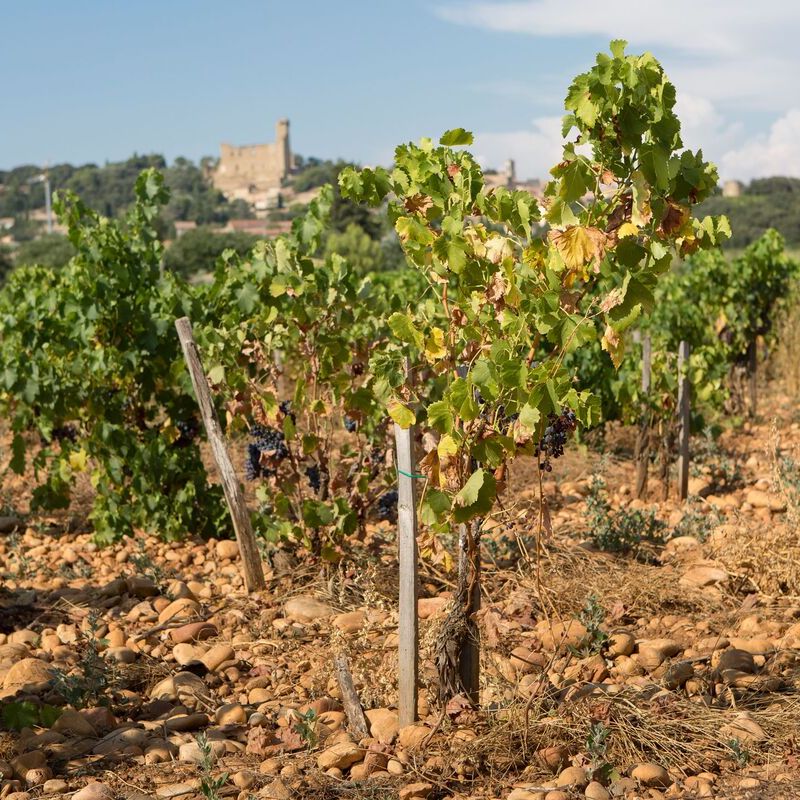
Already used by winemakers trying to harvest at the right time, new orbital sensor technology may be the key to agriculture weathering the climate crisis. NASA's Dr. Karen St. Germain and NASA Acres scientist, Dr. Katie Gold weigh in with Bloomberg.
|
|
|
|
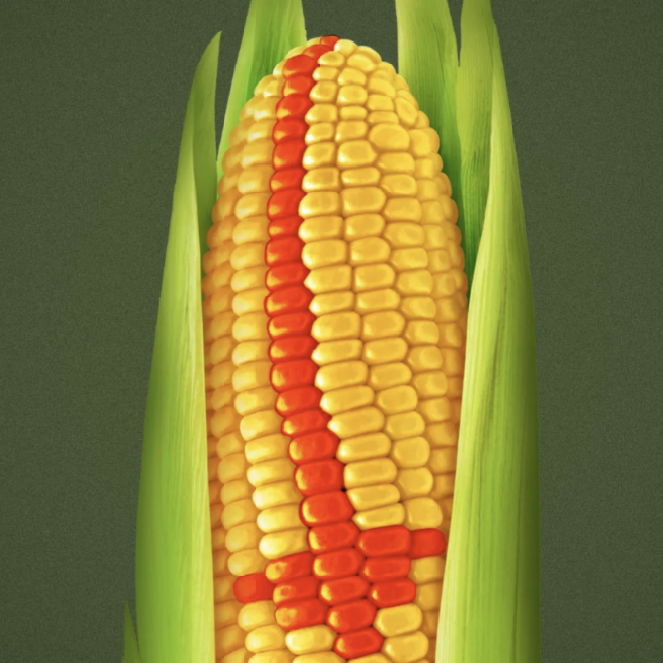
Extreme weather events and our warming planet are primed to strike commodities and the food supply like never before. Dr. Roderick Rejesus, agricultural economist with NASA Acres, weighs in with Axios to talk about how, if left unchecked, it is possible that climate change will leave lasting impacts on the market.
|
|
|
|
NASA Acres scientist, Dr. David Lobell and six other Stanford faculty are among the newest members of the National Academy of Sciences, an organization created in 1863 to advise the nation on issues related to science and technology.
|
|
|
|
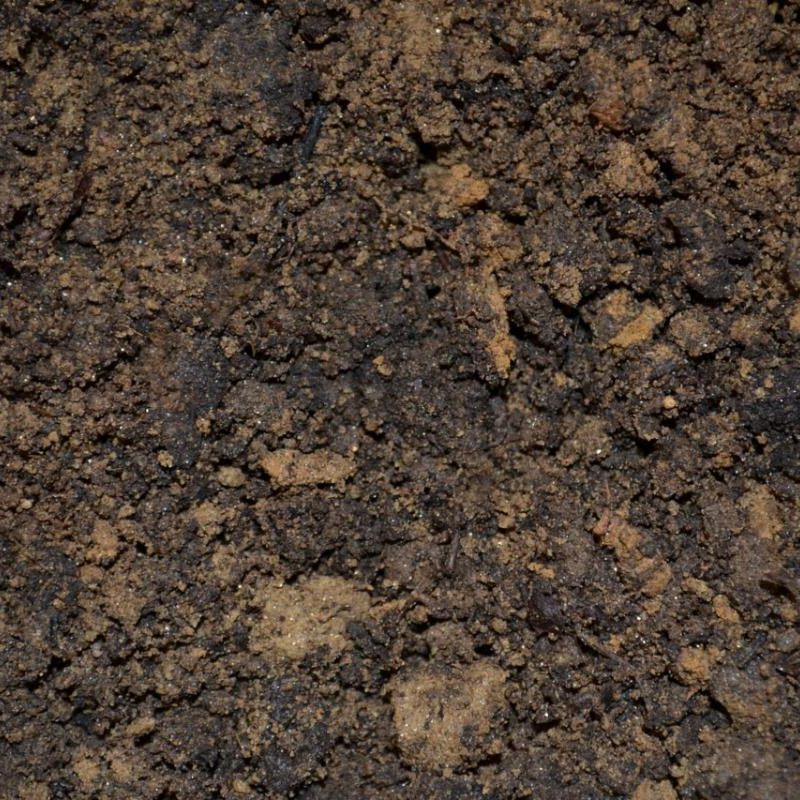
Dr. Kaiyu Guan, Associate Professor at University of Illinois Urbana-Champaign and Chief Scientist at NASA Acres, has led an innovative project that explores a doubly balanced sampling technique for soil organic carbon, finding it to reduce field sampling needs by 30%.
|
|
The Maui County Food Security Data Visualization Project is a partnership between Maui United Way, Responsible Markets (Maui ESG Project), University of Hawaii, and NASA Acres/NASA Harvest, funded by NASA. It aims to address critical data gaps in Maui County related to food insecurity and climate change with satellite imagery and machine learning.
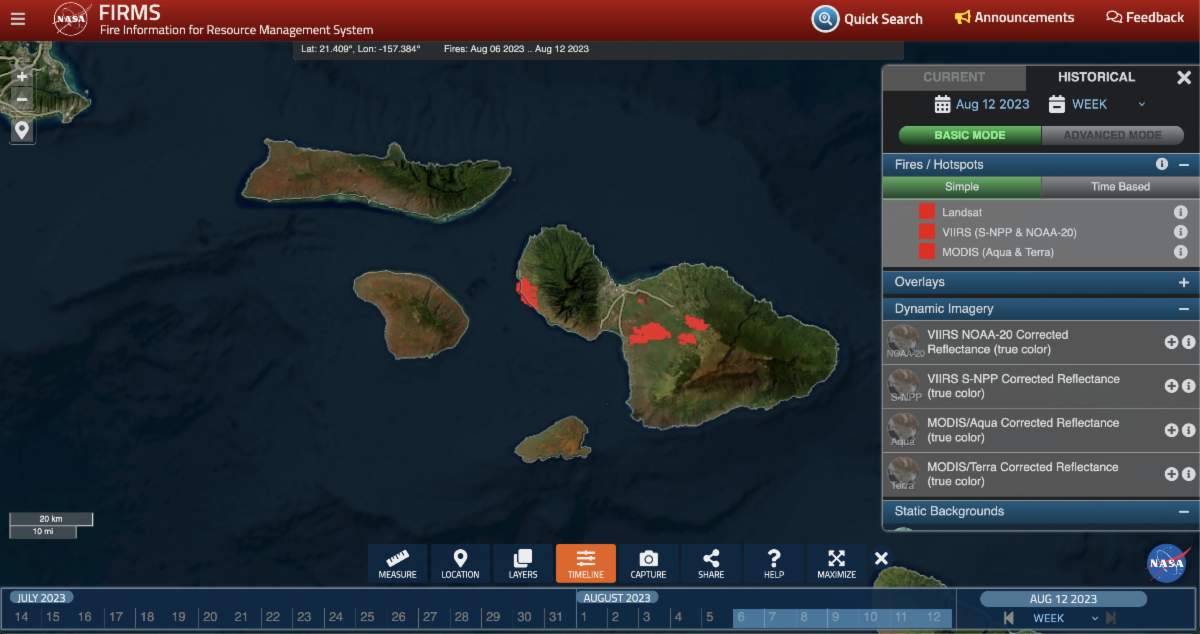
In the aftermath of the devastating fires in Maui, NASA Acres scientists, Dr. Hannah Kerner and Gabby Tseng, have compiled satellite-based resources to support the wildfire response efforts. Satellite and other geospatial data was used to better understand the evolution and impact of the wildfires on Maui (and in the future, how to anticipate or prevent them). There is an abundance of information online about the fires including satellite data, but it can be hard to sort through everything. On this page, Hannah and Gabriel organized the sources of satellite data related to the fires and share resources for accessing this satellite data and derived products.
One of the featured resources is the NASA Fire Information for Resource Management System (FIRMS) dashboard, which combines data from multiple satellites to detect active wildfires, primarily by looking for the strong heat signature of fires. Their visualization dashboard shows locations where active fires were detected in the most recent satellite observations. The above image is a map that shows the location of burn areas on Maui that were detected on the FIRMS dashboard, burn areas are displayed in red.
|
|
The successful candidate will contribute to scaling up methodologies developed at NASA Harvest for crop yield forecasting, bridging the gap between field-level data and national-scale applications. This project will utilize state-of-the-art remote sensing technologies to inform crucial agricultural and food security decisions by diverse public and private stakeholders in sub-Saharan countries. The candidate will build a software system consisting of multiple integrated components and work closely with a diverse team.
This position will be based at the University of Strasbourg, France, with potential international travel to collaborate with our global team - working remotely is not possible for this position.
For best consideration, apply by August 25th, 2023. To apply, please submit your application, CV, and motivation letter via email to Yuval Sadeh at yuval.sadeh@monash.edu.
|
|
Please take a moment to fill out this brief survey to let us know what kind of content you would like to see in the monthly NASA Acres Newsletter. |
|
|
|
|
|
|