NASA Acres Partners Selected as Principal Investigators on NASA Landsat Science Team | | | | |
NASA Acres research, development, and extension (RD&E) partners Drs. W. Dean Hively, David Roy, Lin Yan, and Yun Yang have been selected as Principal Investigators on the NASA Landsat Science Team, with Drs. Brian Lamb, Jyoti Jennewein, and Alison Thieme serving as Co-Investigators.
This achievement highlights leadership in turning Earth observation science into practical tools for farmers, land managers, and decision-makers.
| | NASA Acres Helps Turn Earth Observation Science into Impact for Farmers, Local Communities, and Tomorrow's Agricultural Workforce | | | | |
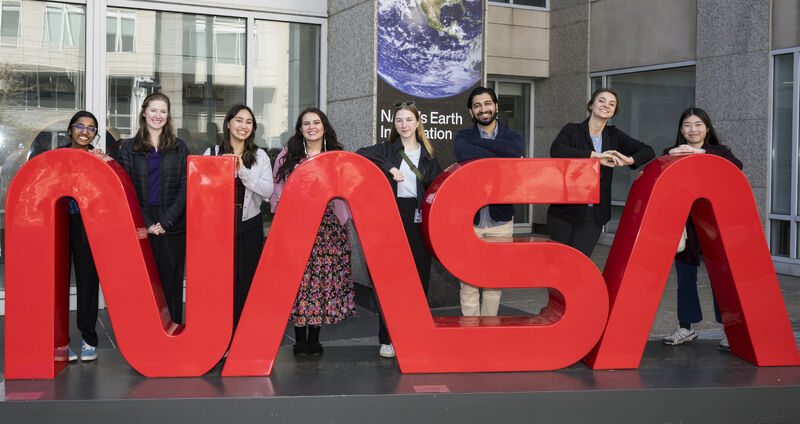
From California vineyards to farms in Texas and Maryland, NASA satellite data is helping producers and state partners make smarter decisions while training the next generation of applied Earth science professionals.
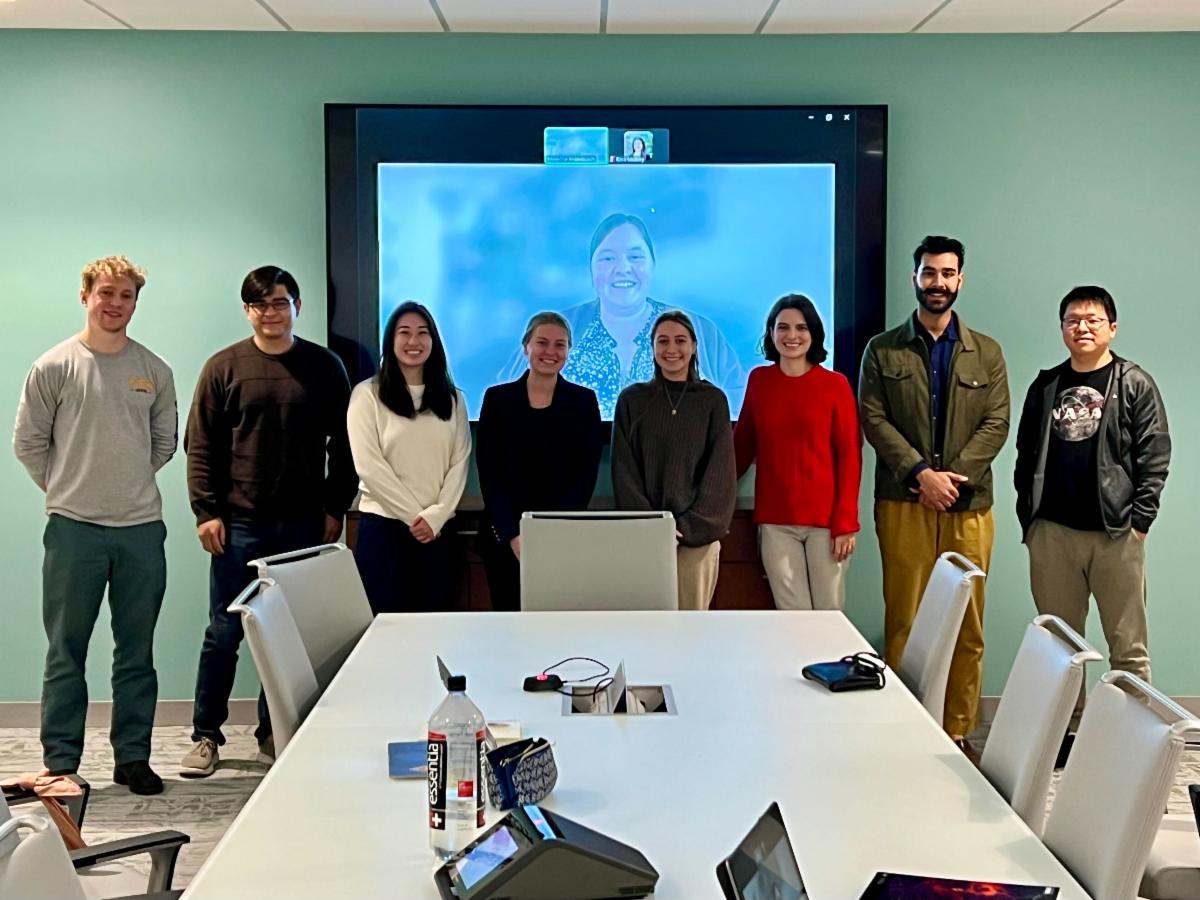
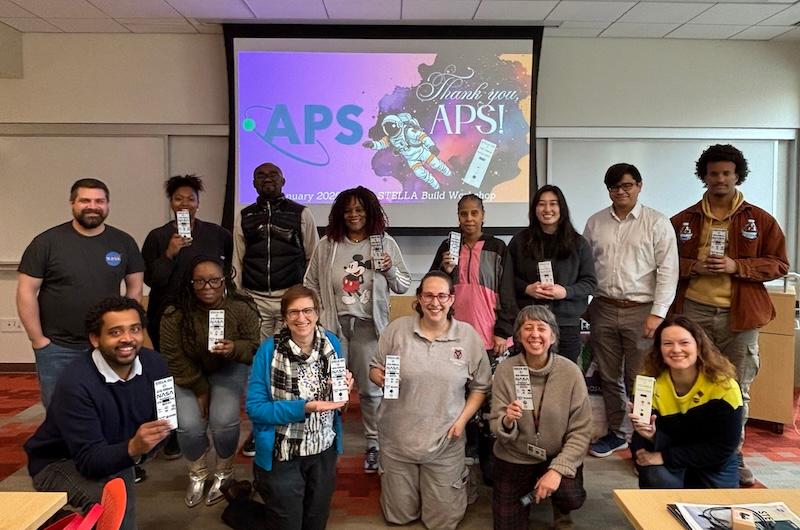
With support from NASA Acres, NASA DEVELOP teams tackled real-world agricultural challenges using Earth observations, turning space-based data into practical impact.
| | |
What is the (real) rate of soil health practice adoption? Making sense of three data sources
A new study co-authored by NASA Acres partners Drs. W. Dean Hively and Alison Thieme compares satellite, survey, and roadside data to assess soil health practice adoption in Illinois and New York. Findings show slow tillage change and low cover crop adoption, underscoring the need for harmonized standards and integrated data.
| | |
Leveraging NASA Earth Observations to Detect Vine Stress and Potential Viral Presence in Vineyards to Inform Management Decisions
In a NASA Acres-supported DEVELOP study, researchers used satellite data and machine learning to detect vineyard stress and Grapevine leafroll-associated virus 3. Early results show strong potential for scalable, space-based crop health monitoring.
| | | | |
Advancing Rangeland Management with Remote Sensing
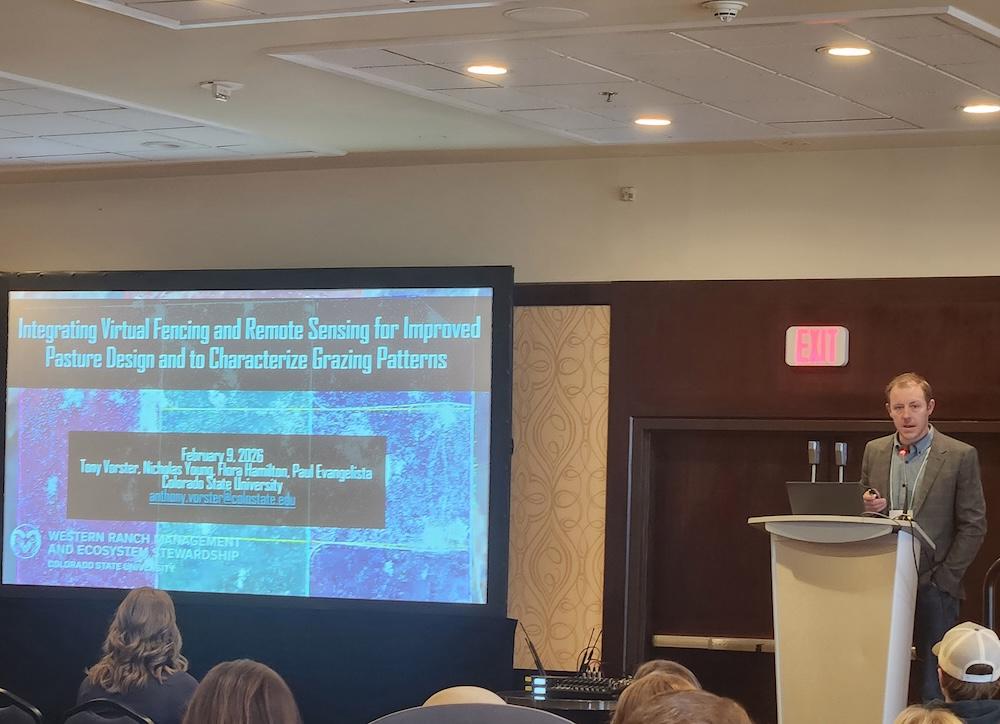
A new paper co-authored by NASA Acres RD&E partner Dr. Tony Vorster highlights advances in applying remote sensing to rangeland management. The team is also preparing a survey to better understand how rangeland managers use remote sensing. Vorster recently presented related work at the 2026 Society for Range Management Annual Meeting in Monterey, California, sharing case studies on integrating virtual fencing, remote sensing, and ground data to support grazing management and land-use decisions.
| | | | | |
NASA Acres and NASA Agriculture will be at Commodity Classic February 25–27. Visit the NASA booth (#3481) to meet the team, attend our sessions and Hyperwall talks, and discover how together we are bringing Earth observation technology down to Earth for agriculture.
| | From Satellites to Seeds: The NASA Acres Farm Innovation Ambassador Team (FIAT) | | |
Thursday, February 26, 8:15 to 8:45 a.m.
Commodity Classic "What's New" Session
| | NASA Acres: Down to Earth Information for U.S. Agriculture | | |
Thursday, February 26, 12:00 p.m.
NASA Hyperwall Talk
| | Farmers and NASA Acres Co-Create a New Farm Innovation Ambassador Team | | |
Thursday, February 26, 12:20 p.m.
NASA Hyperwall Panel
| | |
NASA Launches EarthRISE Developers Academy
The NASA EarthRISE Developers Academy is a 10-week research program that trains the next generation of science and technology leaders to apply NASA Earth observation data to real-world challenges. The program is open to students, recent graduates, and early-career or transitioning professionals, with both in-person and virtual options available.
The Summer 2026 application window will close on Friday, March 6, 2026 at 11:59 PM ET.
| | NASA PACE Applications Workshop: March 11-12, 2026 | | |
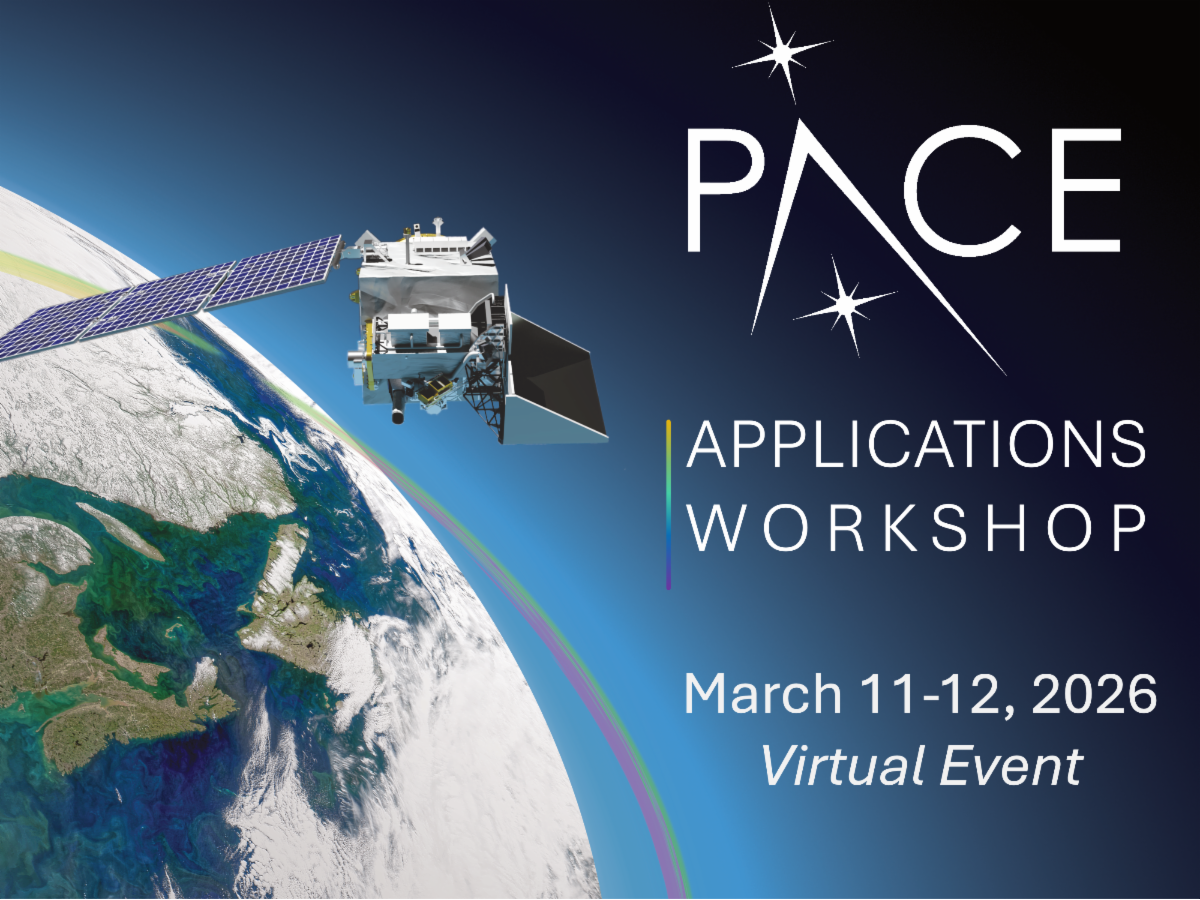
Join a virtual, two-day PACE Applications Workshop!
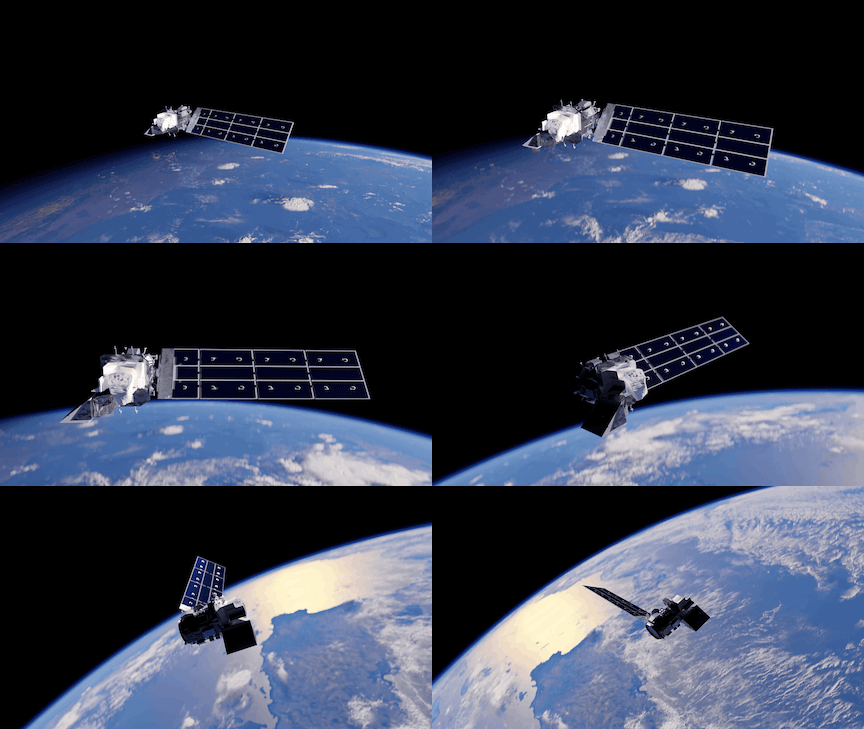
Launched in 2024, NASA's Plankton, Aerosol, Cloud, ocean Ecosystem (PACE) satellite mission is advancing space-based science and applications tools. Through presentations, interactive sessions, and practical tutorial demonstrations you will learn about PACE discoveries, impact, and how PACE's capabilities can serve your applications needs. Register here for free!
| | | |
NASA Internship Programs
College students—want to spend this summer working at NASA? Now’s your chance to gain out-of-this-world work experience alongside agency professionals as a NASA intern! Applications for the 2026 summer session close on Feb. 27. Learn more here.
| | | |
NASA Postdoctoral Program (NPP)
If you're an early-career or senior scientist, apply to the NASA Postdoctoral Program to help pursue NASA's mission and experience the world's most diverse technology and expertise. Application deadline is Thursday, April 2, 2026 at 6 p.m. ET.
| | | | | |