SEPTEMBER SPOTLIGHT

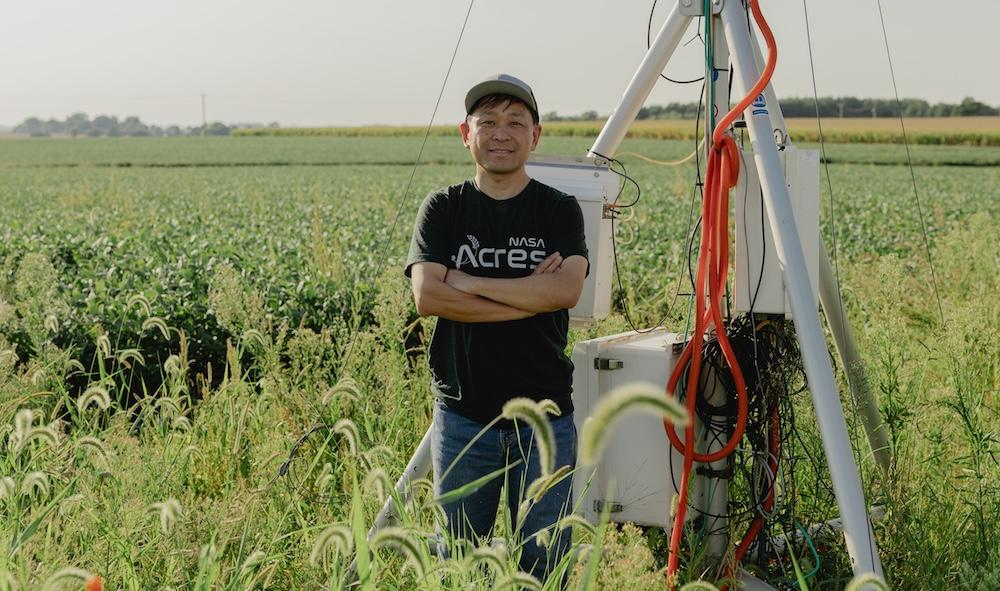
NASA Acres Chief Scientist Kaiyu Guan Named 2026 MacArthur Fellow

NASA Acres Chief Scientist Dr. Kaiyu Guan of the University of Illinois Urbana-Champaign has been named a 2026 MacArthur Fellow, one of the nation’s most distinguished honors recognizing exceptional creativity, significant achievement, and the promise of important future advances.


The MacArthur Fellowship celebrates individuals whose accomplishments demonstrate originality and the potential to shape their fields in consequential new ways. Each Fellow receives an $800,000 award over five years, providing the freedom to pursue ambitious ideas and continue advancing their contributions.


Guan was recognized for combining Earth observations, process models, and machine learning to understand and predict interactions among crops, environmental conditions, and agricultural practices. His research connects observable factors—including crop conditions, climate, water, and nutrient resources—with the biological and physical processes that govern agricultural ecosystems, strengthening the ability to monitor, predict, and optimize crop yields, environmental benefits, and resource use.

LATEST SCIENCE

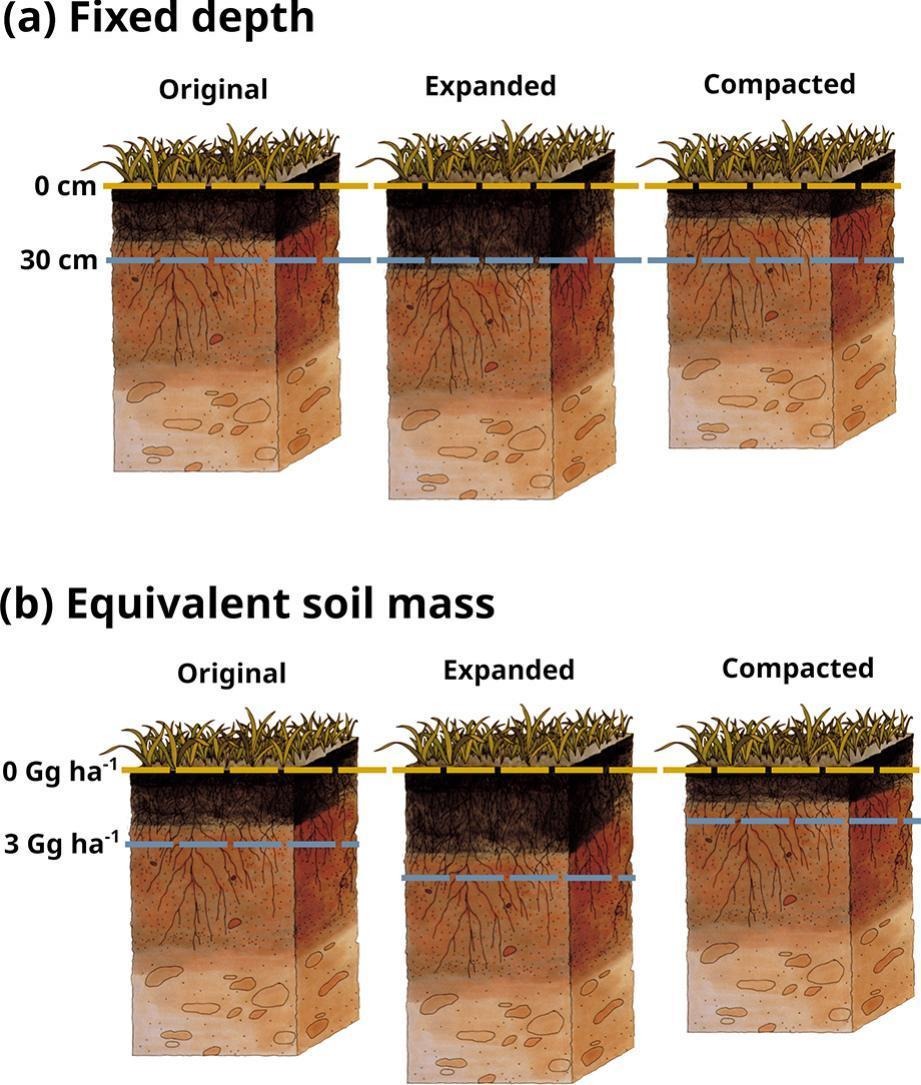
Empirical evaluation and recommendations for equivalent soil mass adjustment of soil organic carbon stocks


Measuring changes in fixed-depth soil organic carbon (SOC) stocks can be problematic when soils have compacted or expanded and bulk density has changed. A recent study by NASA Acres RD&E partner Dr. Eric Potash and colleagues evaluated equivalent soil mass (ESM) accuracy using 72 soil cores from six sites across the central United States. Researchers found that 0–30 cm fixed-depth measurements had systematic errors of up to 8%, while adding a 30–35 cm “correction layer” reduced error to less than 1.5% in both major soil types studied. The findings offer recommendations for more accurate and cost-effective SOC stock change estimation using ESM.

WHAT'S NEW AT NASA ACRES

Project Highlight: Maui Nui Agriculture and Food Security


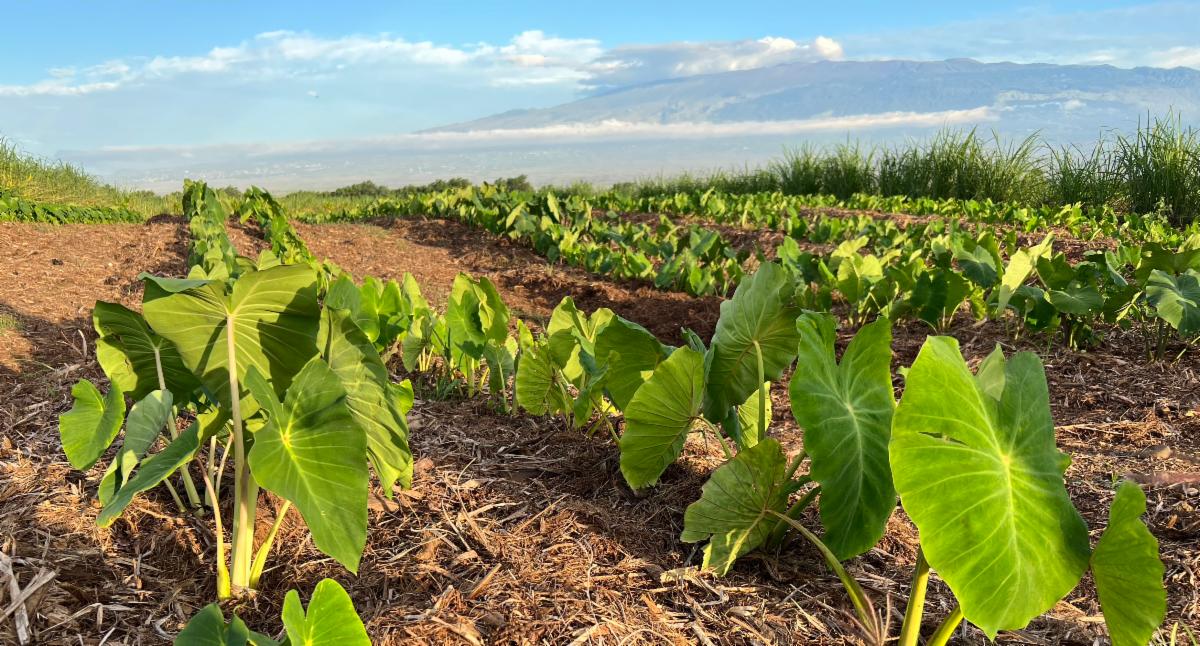
NASA Acres researchers Drs. Hannah Kerner, Ana Tárano, and others are combining NASA Earth observations, AI, and local knowledge to strengthen agricultural resilience and food security across Maui, Lāna‘i, and Moloka‘i.


Working with farmers, students, community organizations, and county partners, the team developed the first 10-meter cropland and crop-type maps for culturally important “canoe crops” and is using satellite data to track crop conditions, drought, water availability, severe weather, and other agricultural risks.


These insights, shared through the public Maui Nui Crop Monitor, are supporting community and policy decisions, including financial relief efforts following the 2023 Maui wildfires and adverse weather responses.

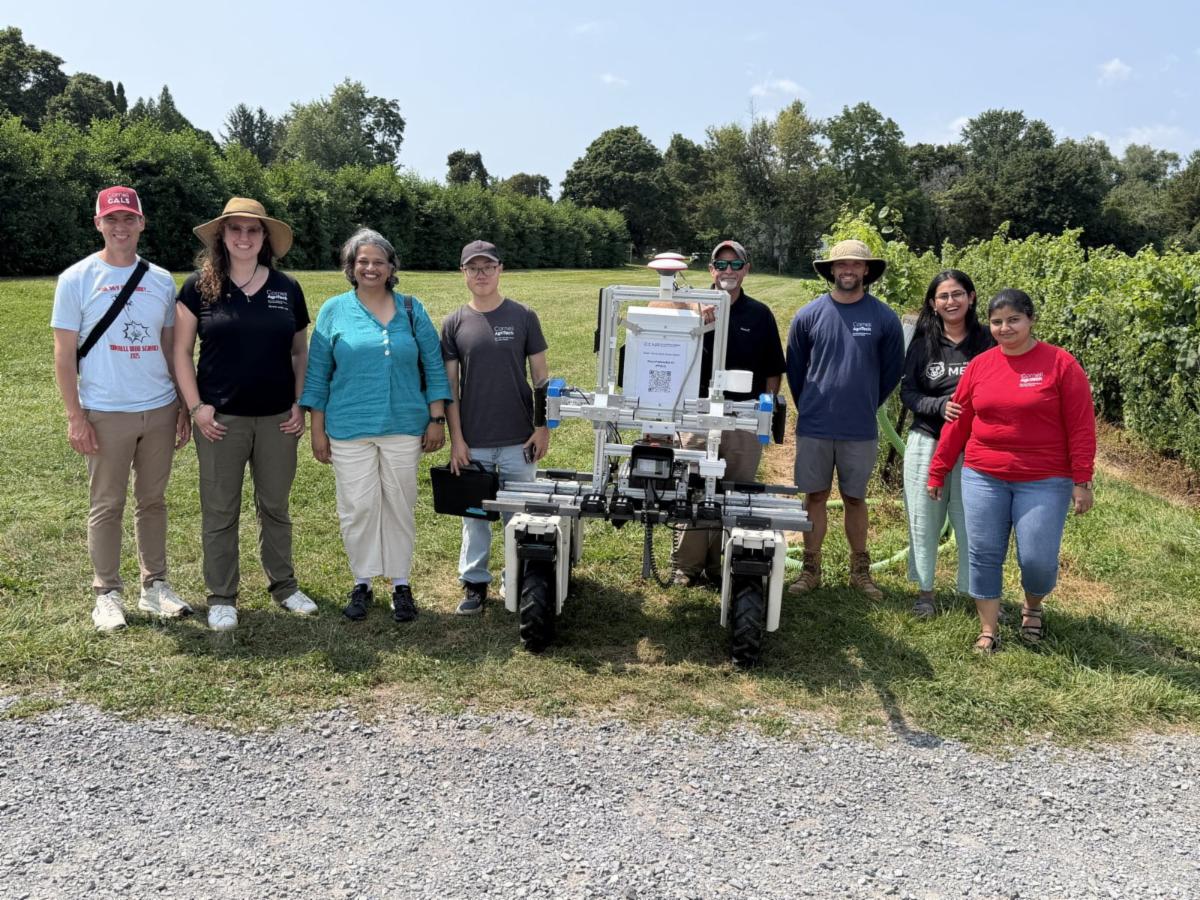
The Gold Lab at Cornell AgriTech


The Gold Lab, led by NASA Acres RD&E partner Dr. Katie Gold, connects plant pathology, sensing, and field research with practical information for grape growers.


Check out their new website, including details on exciting work with NASA Acres, such as AVIRIS4Acres and the Space for Agriculture Tour in New York.

NASA ACRES IN THE NEWS

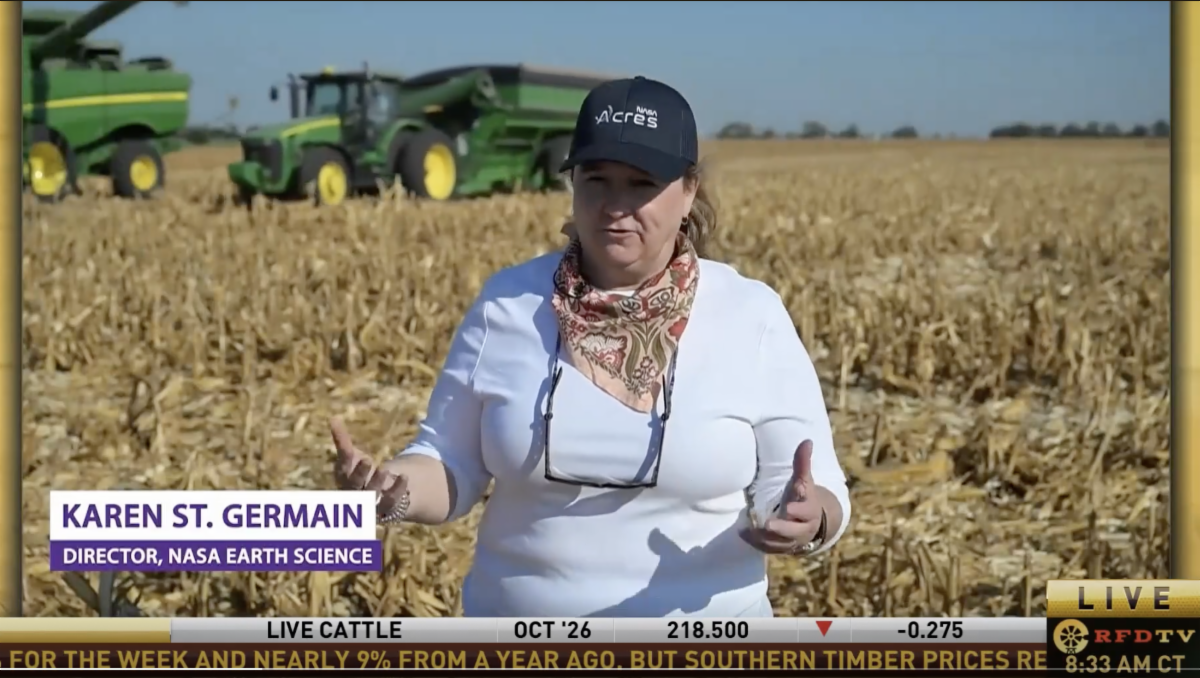
RFD-TV: NASA Turns to Kansas Farmers to Improve Satellite Tools


NWOSU: First Contact: NASA Acres At Northwestern


Salina Post/K-State: K-State, NASA highlight satellite technology for farms at Flickner Innovation Farm


Farms.com/Market Journal: NASA's Role in Agriculture


Plainview Herald: NASA tour visits Kress farm to connect satellite data with farm realities


Enid News & Eagle: NASA tour visits Kress farm to connect satellite data with farm realities

OPPORTUNITIES

Arizona State University’s (ASU) School of Computing and Augmented Intelligence is seeking applicants for Professor (all ranks) in AI with Real-World Impact

ASU is seeking applicants who can strengthen its research and educational efforts in applied and theoretical innovations in reliable, responsible, real-time, and high performance AI and machine learning, particularly with applications in biology, earth and planetary sciences, sustainability, astronomy, space, and cybersecurity.


Learn more and apply here by October 29th.

Linkedin  X  Facebook  YouTube