Twitter  Youtube  Linkedin  

NASA Harvest News

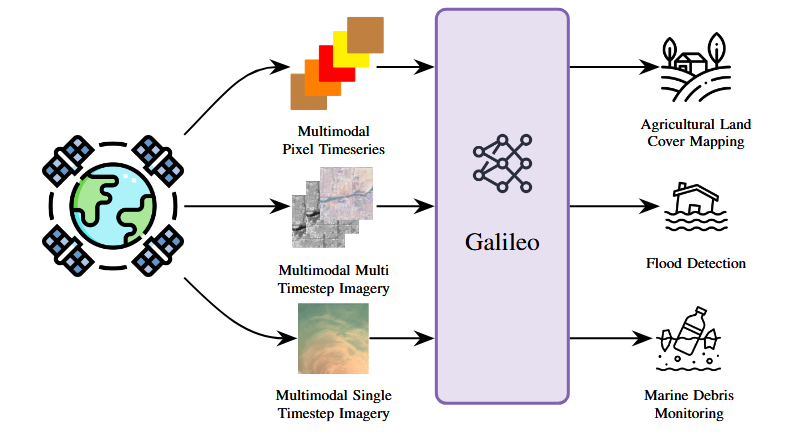
How Galileo is Advancing NASA Harvest’s Mission to Safeguard Our Planet

AI2 and NASA Harvest are proud to announce Galileo, a powerful new remote sensing mapping tool developed with our partners to analyze many types of satellite data at once. Galileo helps us better monitor farms, floods, and more, giving a clearer picture of Earth’s changes.

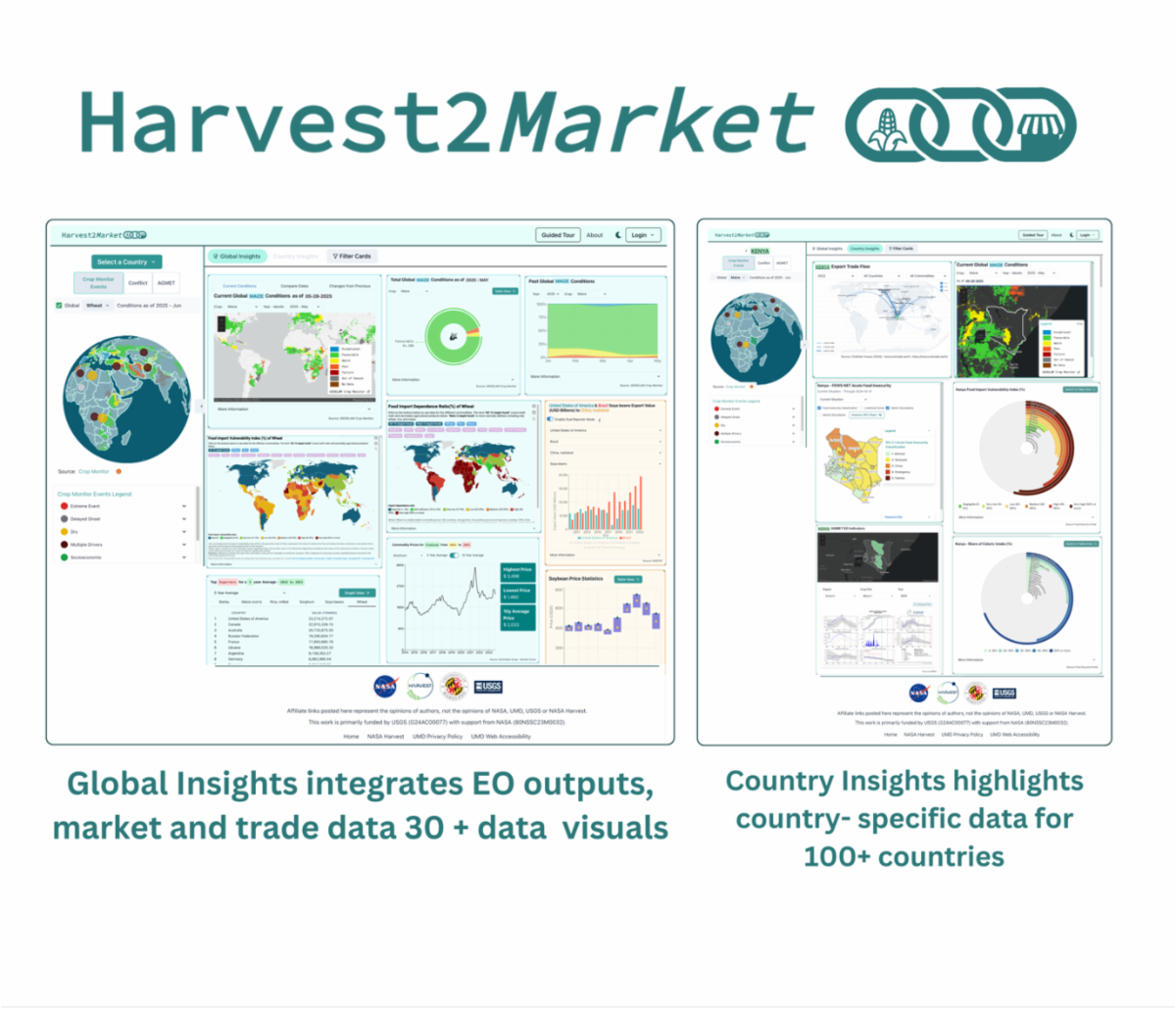
Launch of Updated Harvest2Market Agricultural Supply Chains Monitoring Tool

NASA Harvest has launched our updated Harvest2Market tool, designed to monitor agricultural supply chains and link global food production to markets. Powered by satellite data and advanced models, the platform tracks crops, trade flows, and risks, providing insights to strengthen food security, resilience, and decision-making worldwide.

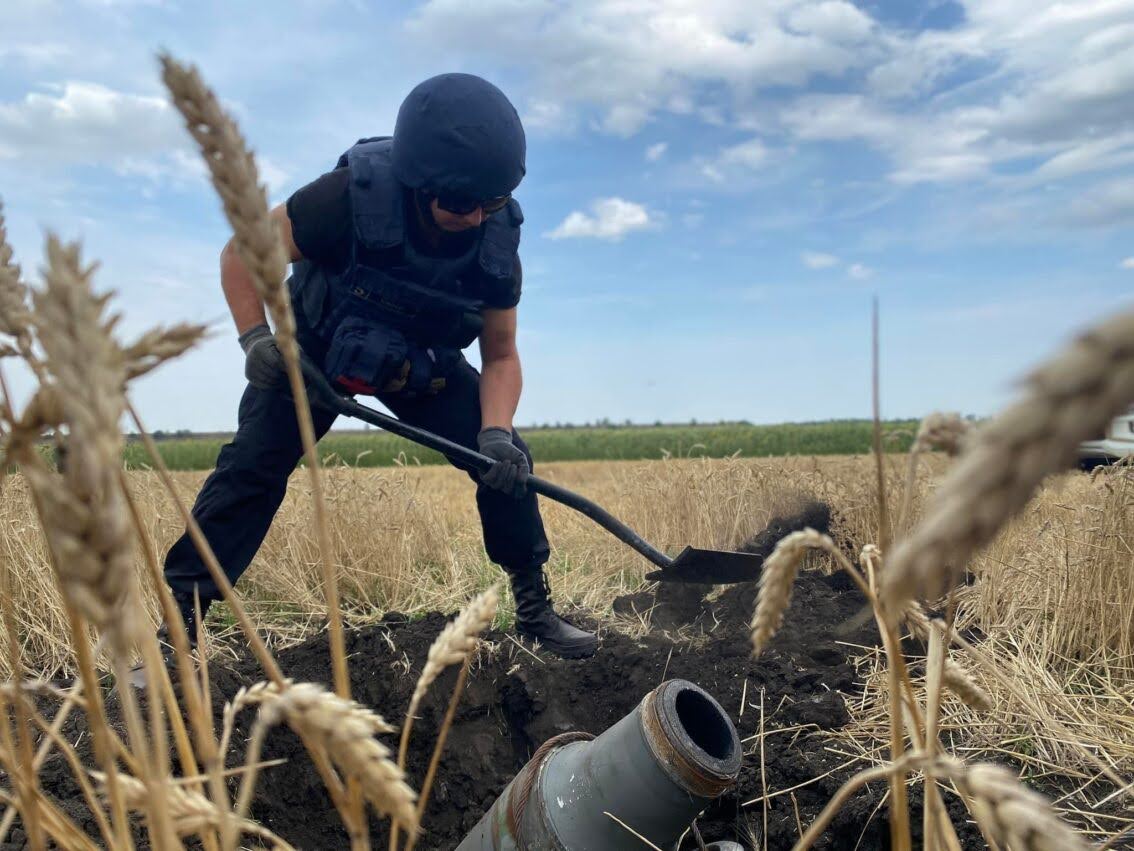
Why Ukraine’s 2025 Harvest Matters and How NASA Harvest is Measuring It from Space

NASA Harvest is tracking Ukraine’s 2025 grain harvest from space to provide accurate estimates amid conflict‑driven data gaps. Using satellite imagery and modeling, the effort assesses planted area, yield and harvest status in free and occupied areas, offering vital insight for food security and global markets

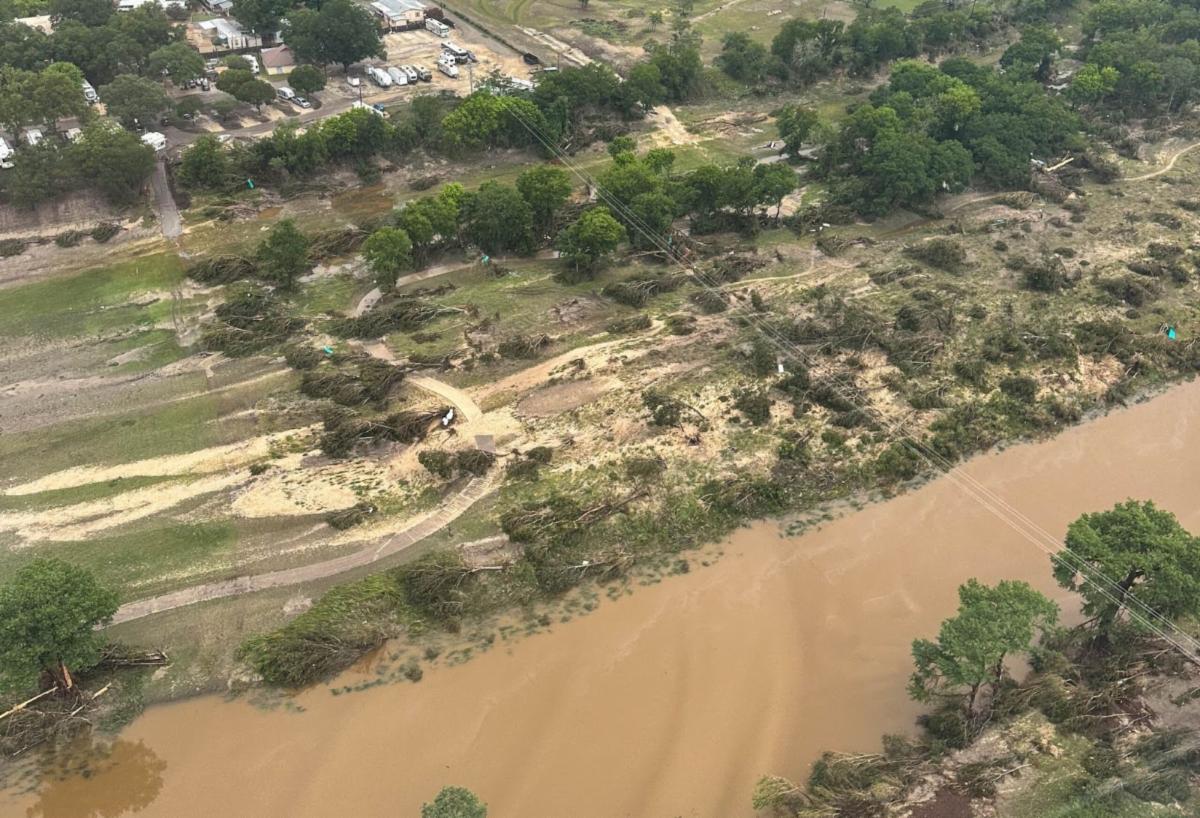
Detecting Flood Damage to Agricultural Land in Texas Hill Country 

Severe flooding in Texas Hill Country claimed lives and damaged property across the region. In response, NASA Harvest and NASA Acres teamed up to use satellite radar and optical imagery combined with cropland data to map agricultural impacts. This analysis revealed the scale of disruption to farmland, providing timely insights to guide recovery efforts and strengthen resilience for farming communities facing future extreme weather.

Professional Opportunities

Call for Submissions:

ERL Focus Issue on Climate-Resilient Agriculture

Environmental Research Letters (ERL) is inviting contributions to its upcoming Focus Issue on Predictive Decision Support for Climate-Resilient Agricultural Production. This special collection will highlight research that takes cutting-edge climate predictions and turns them into practical tools for farmers. The goal is to help agriculture adapt to the growing challenges of climate change and ensure food systems remain sustainable.


Researchers are encouraged to submit studies that link advanced climate science with everyday farming practices, focusing on resilience and sustainability. Submissions can include research letters, perspectives, and topical reviews.


The submission deadline is flexible, with final contributions due by September 30, 2025. Accepted articles will be published as soon as they complete the peer-review process, allowing for quicker access to the latest findings.


For more information, visit the Focus Issue landing page.

Upcoming Events

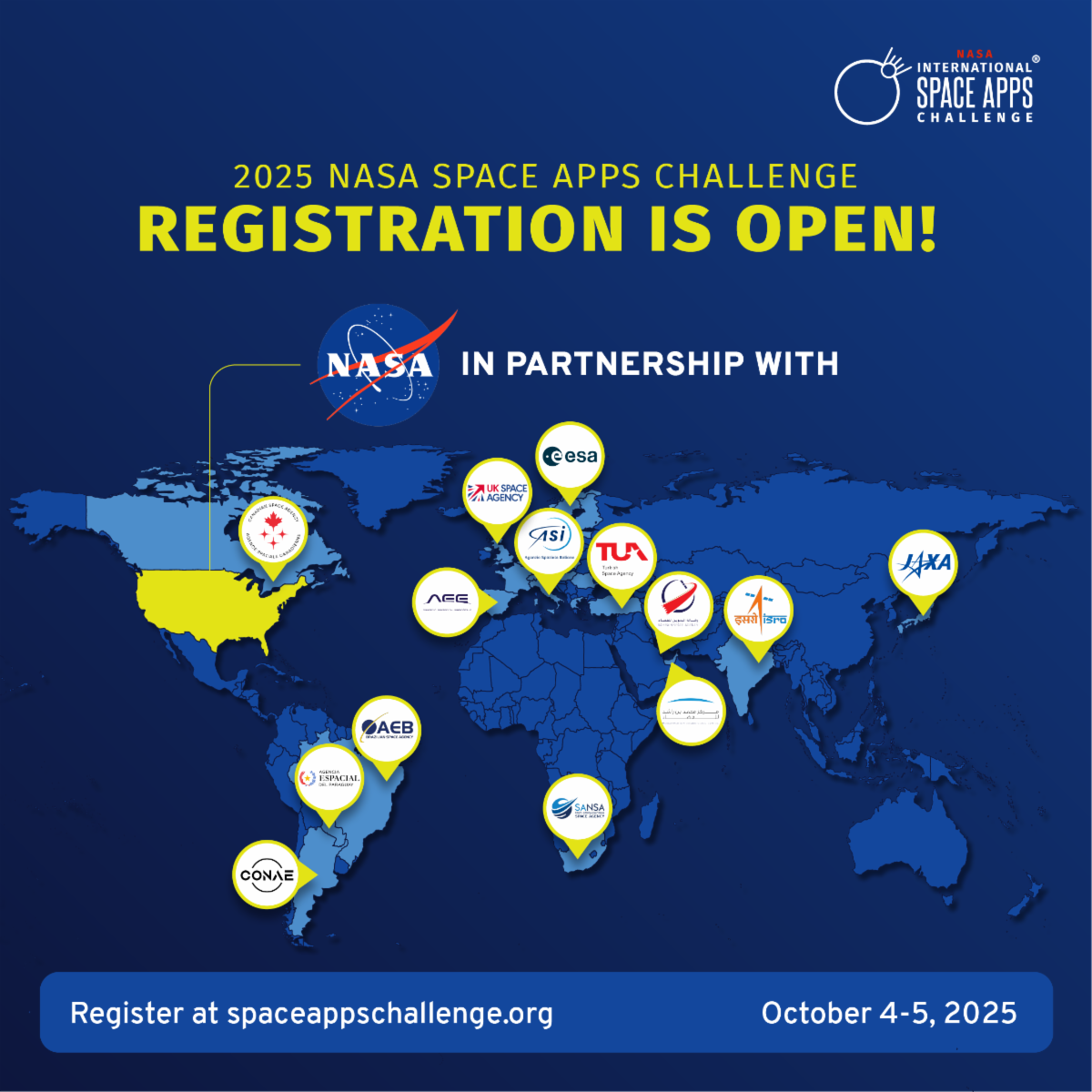
2025 NASA International Space Apps Challenge

Oct 4-5, 2025

Whether you're a coder, designer, storyteller, artist, or just passionate about space and science, the 2025 NASA International Space Apps Challenge is your chance to collaborate, create, and solve real-world problems using NASA’s open data.


🌍 Open to all skill levels—no space experience required.


🗓️ Happening October 4–5, 2025, in cities and online around the world.


Join the global community pushing the boundaries of what’s possible.


Register here.

NASA ARSET: Fundamentals of Remote Sensing

Asynchronous

NASA ARSET is re-releasing their free Fundamentals of Remote Sensing course.


In this self-paced course, you’ll learn the underlying science behind how remote sensing works and the basic functional characteristics of satellites and sensors. You will explore the kinds of satellite remote sensing data that are available, advantages and disadvantages of remote sensing, and some basic tools to visualize data. By the end of the course, you’ll be equipped to begin your journey using NASA’s no-cost, open-access remote sensing data and resources.