Twitter  Youtube  Linkedin  

NASA Harvest News

NASA Harvest to Tackle Food Security as Part of Google.org's AI Collaborative 

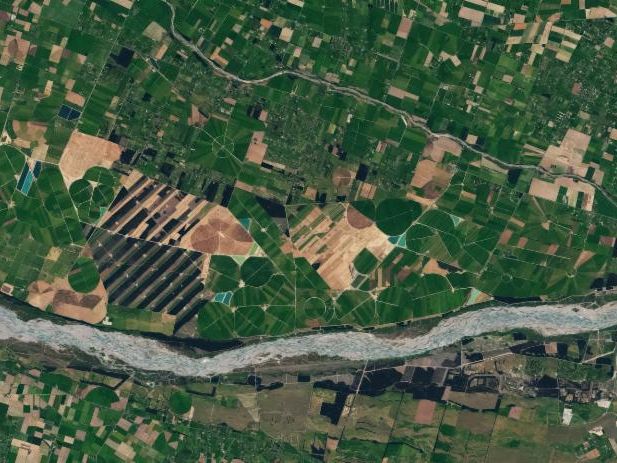
NASA Harvest has joined Google.org’s AI Collaborative: Food Security, a global effort to harness AI for tackling hunger. With this new funding, NASA Harvest will expand its use of satellite data and AI to predict food shortfalls earlier, strengthen agricultural resilience, and provide rapid assessments of crises caused by extreme weather, conflict, or market shocks.

Bloomberg: NASA Scientist Starts Food Crisis Hotline with Tech Giant Funding

With support from Google, Microsoft, and many other international partners, NASA Harvest is building a global rapid agricultural assessment center. The new center will use satellite data to quickly evaluate crop losses in the wake of disasters due to extreme weather, wars, and supply chain disruptions - helping governments and aid groups respond effectively to food supply threats.

Wall Street Journal Report Features NASA Harvest Analysis

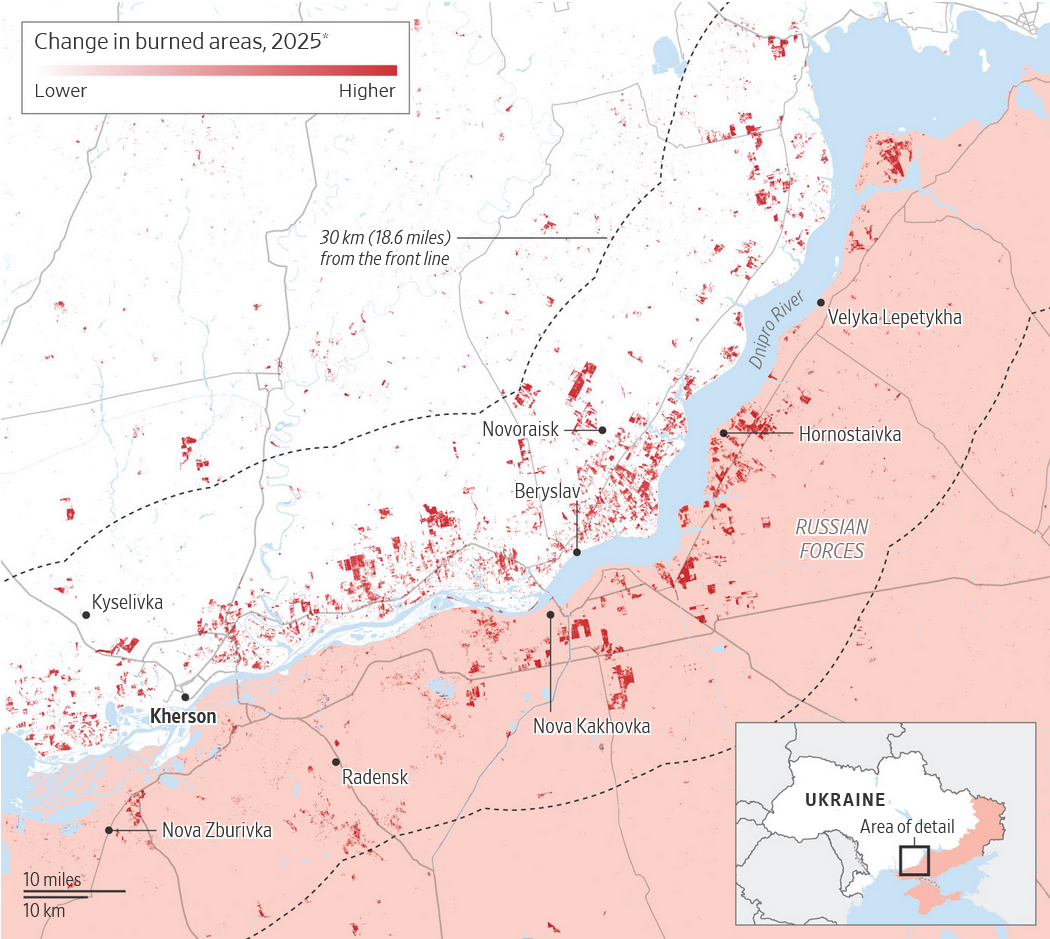
A new Wall Street Journal report details how Ukrainian farmers are under attack as Russia uses drones to burn agricultural fields and destroy crops. Drawing on NASA Harvest research showing sharp increases in burned farmland in Kherson, the report highlights how these strikes not only endanger lives but also weaken Ukraine’s economy.

GEOGLAM Crop Monitor Issues Special Report After Flooding in Pakistan

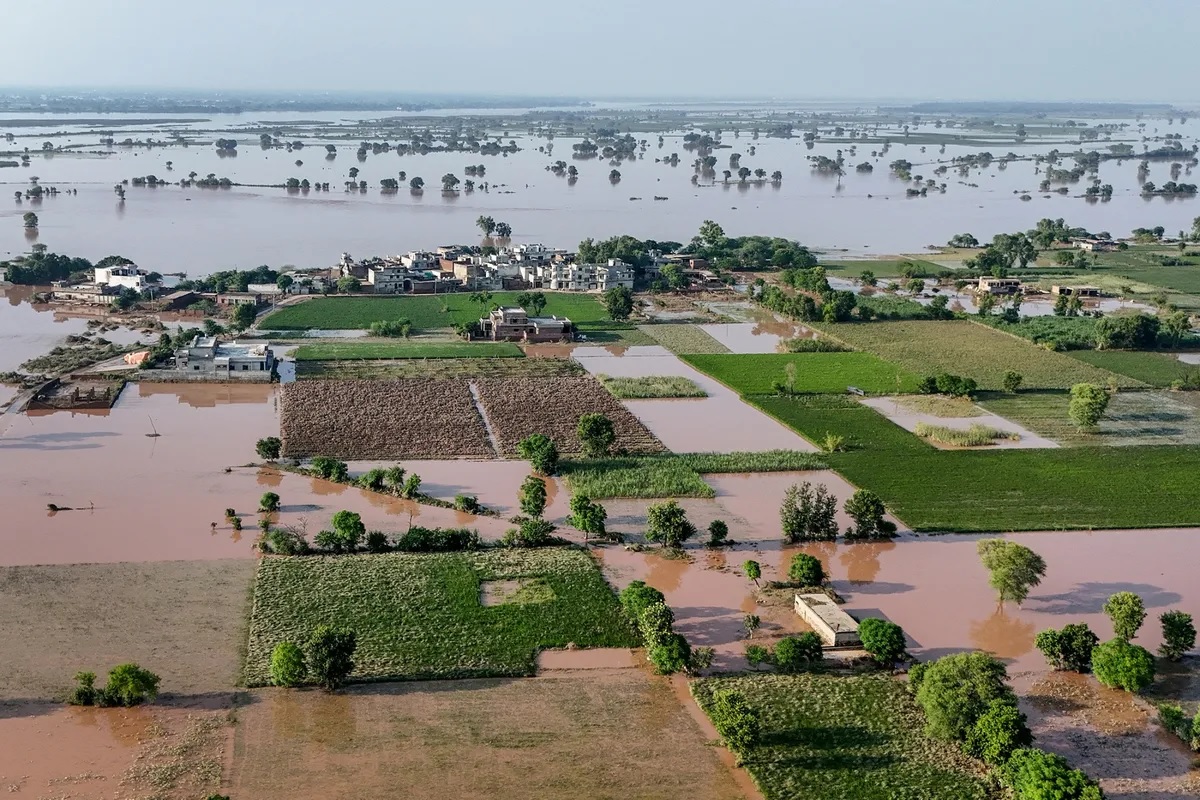
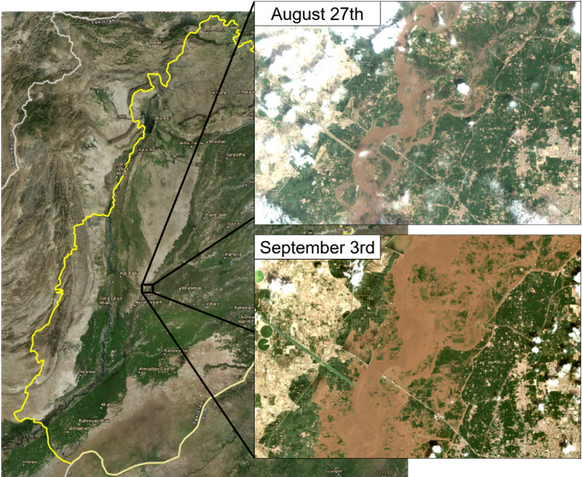
A new Crop Monitor Special Report details the impacts of record monsoon floods across Pakistan. Punjab province, the country’s main breadbasket, has been hardest hit with an estimated 220,000 hectares of rice flooded and damage to maize, cotton, and other crops. Food security impacts are expected to be short-term and localized, but the situation requires close monitoring.

Upcoming Events

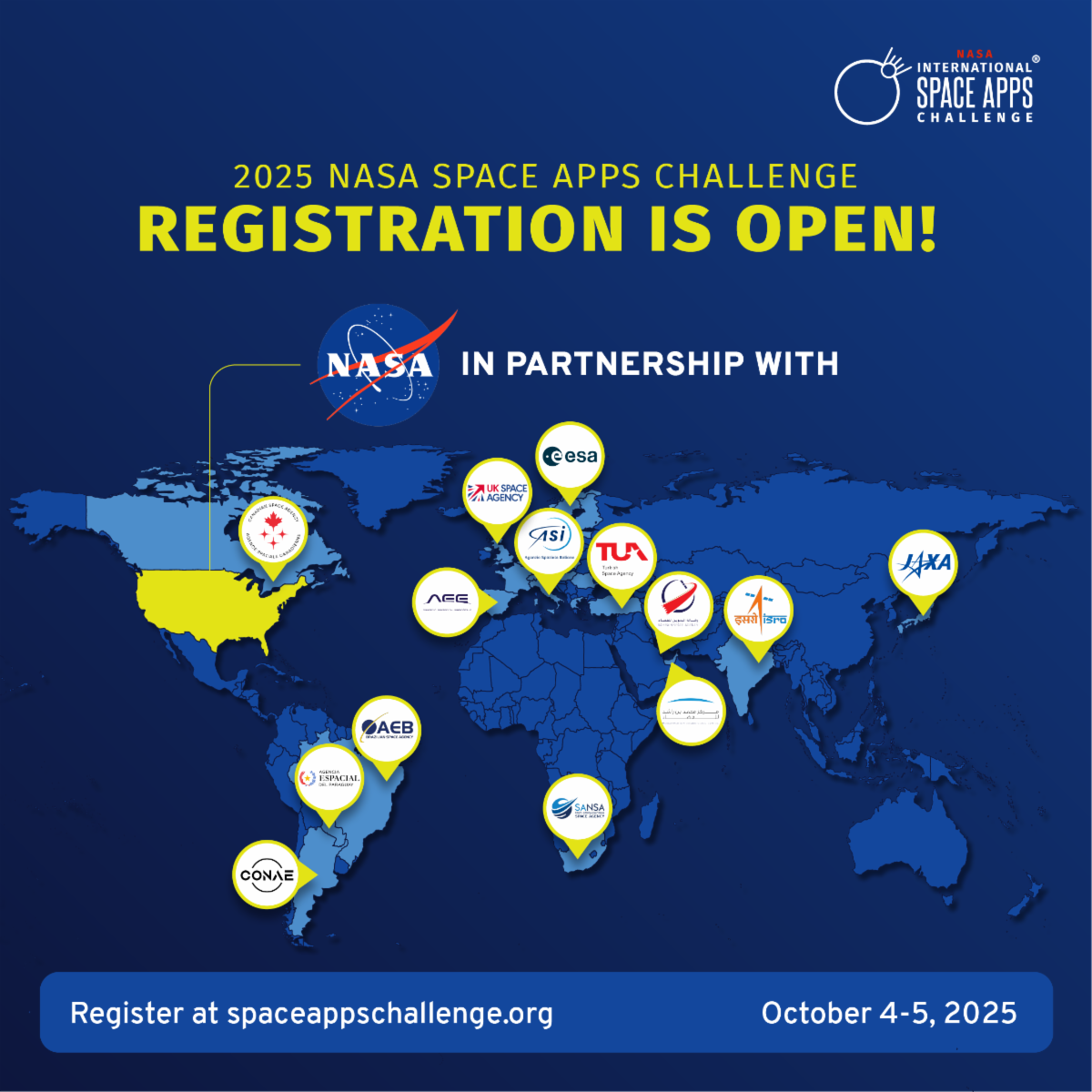
2025 NASA International Space Apps Challenge

Oct 4-5, 2025

Whether you're a coder, designer, storyteller, artist, or just passionate about space and science, the 2025 NASA International Space Apps Challenge is your chance to collaborate, create, and solve real-world problems using NASA’s open data.


🌍 Open to all skill levels—no space experience required.


🗓️ Happening October 4–5, 2025, in cities and online around the world.


Join the global community pushing the boundaries of what’s possible.


Register here.

NASA ARSET: Solar Induced Fluorescence (SIF) Observations for Assessing Vegetation Changes Related to Floods, Drought, and Fire Impacts

Oct 15, 22, 29

Interested in how satellites track the health of Earth’s plants? Join NASA’s ARSET program for a free training on solar-induced fluorescence (SIF), the faint light plants give off during photosynthesis. This training will introduce how SIF helps measure vegetation health, monitor crops and forests, and understand the impacts of climate change. Participants will also learn where to find SIF data and how it can be applied in real-world examples. The course is open to researchers, students, and anyone curious about Earth’s changing ecosystems.