|
Contents: Issue No. 15
NEW: Navigating the Stacks Now Online at IYRSLibrary.org
FEATURE: Boatbuilder Albert Lemos, by Francis Frost
LIBRARY UPDATES: Librarian Francis Frost Farewell
FEATURE: Edward W. Smith Photo Album, by SallyAnne Santos
FEATURED COLLECTION: Ratsey & Lapthorn Sail Plan Cataloged
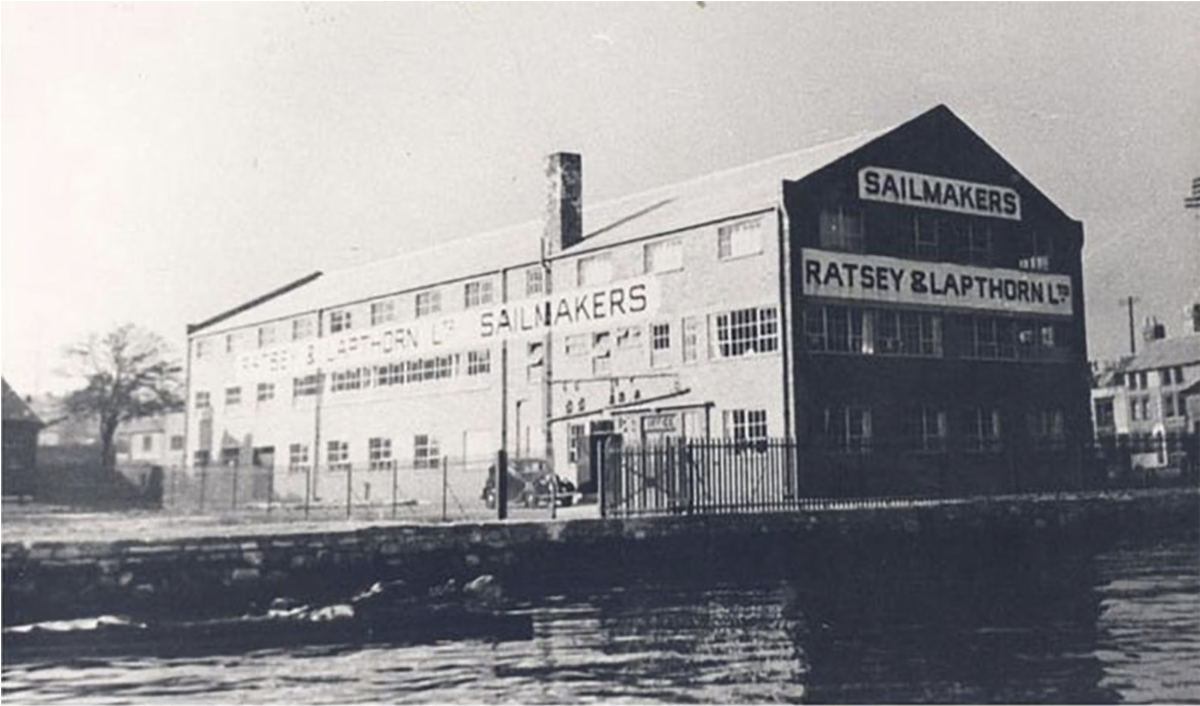
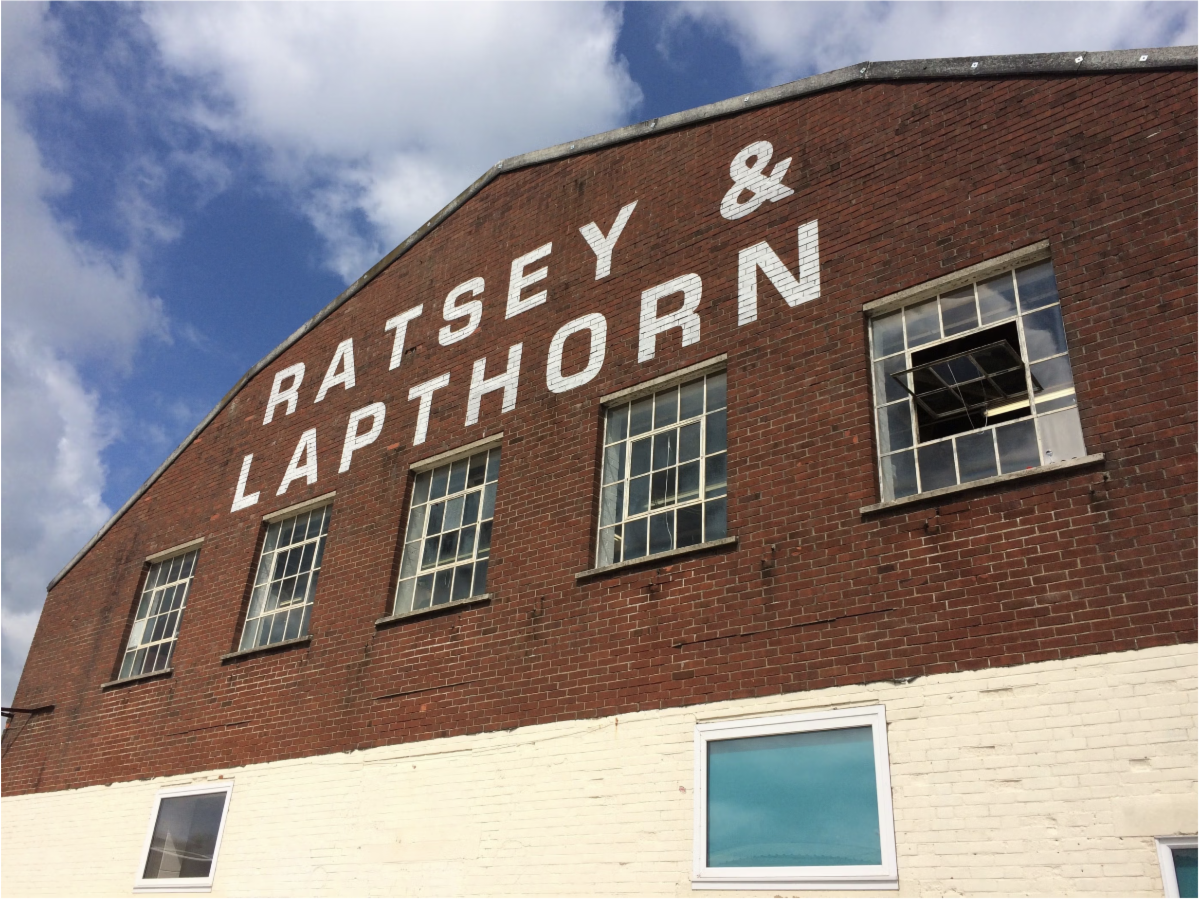
FEATURE: Ratsey & Lapthorn, LTD: A Brief History
FEATURED VIDEO: J-Class Ranger & Endeavour II (AC 1937)
| | NEW: Navigating the Stacks Online | | RI Boatbuilder: Albert Lemos | |
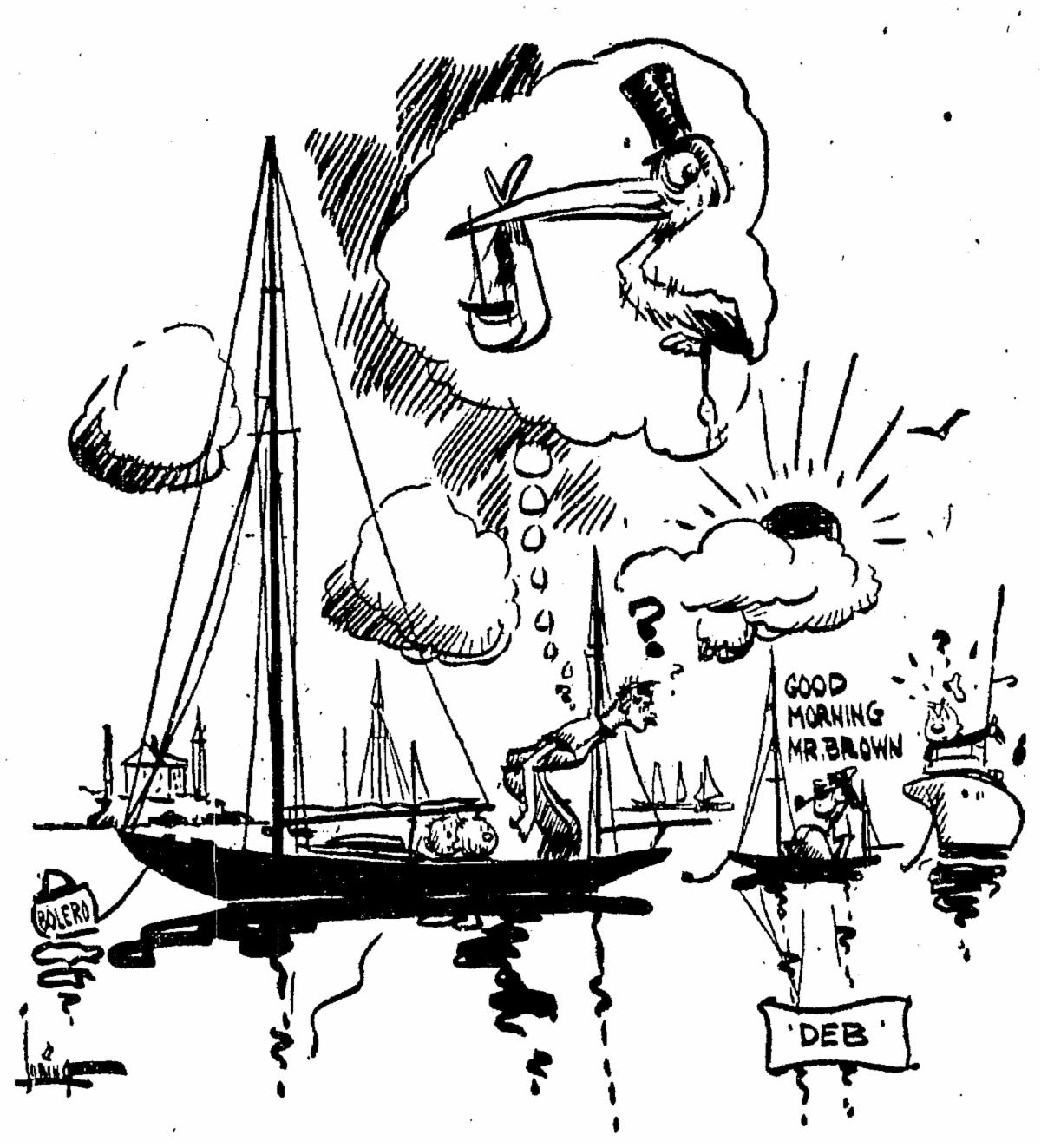
In mid June 1951 The Providence Journal ran a story about a strange sighting in Narragansett Bay:
“A rumor going the rounds at Newport is that John Nicholas Brown’s famous ocean-racing yawl, Bolero, has shrunk. At least a tiny Bolero, reduced from 73 to 20 feet, appeared recently near the Brown mooring off Halidon Hill.”
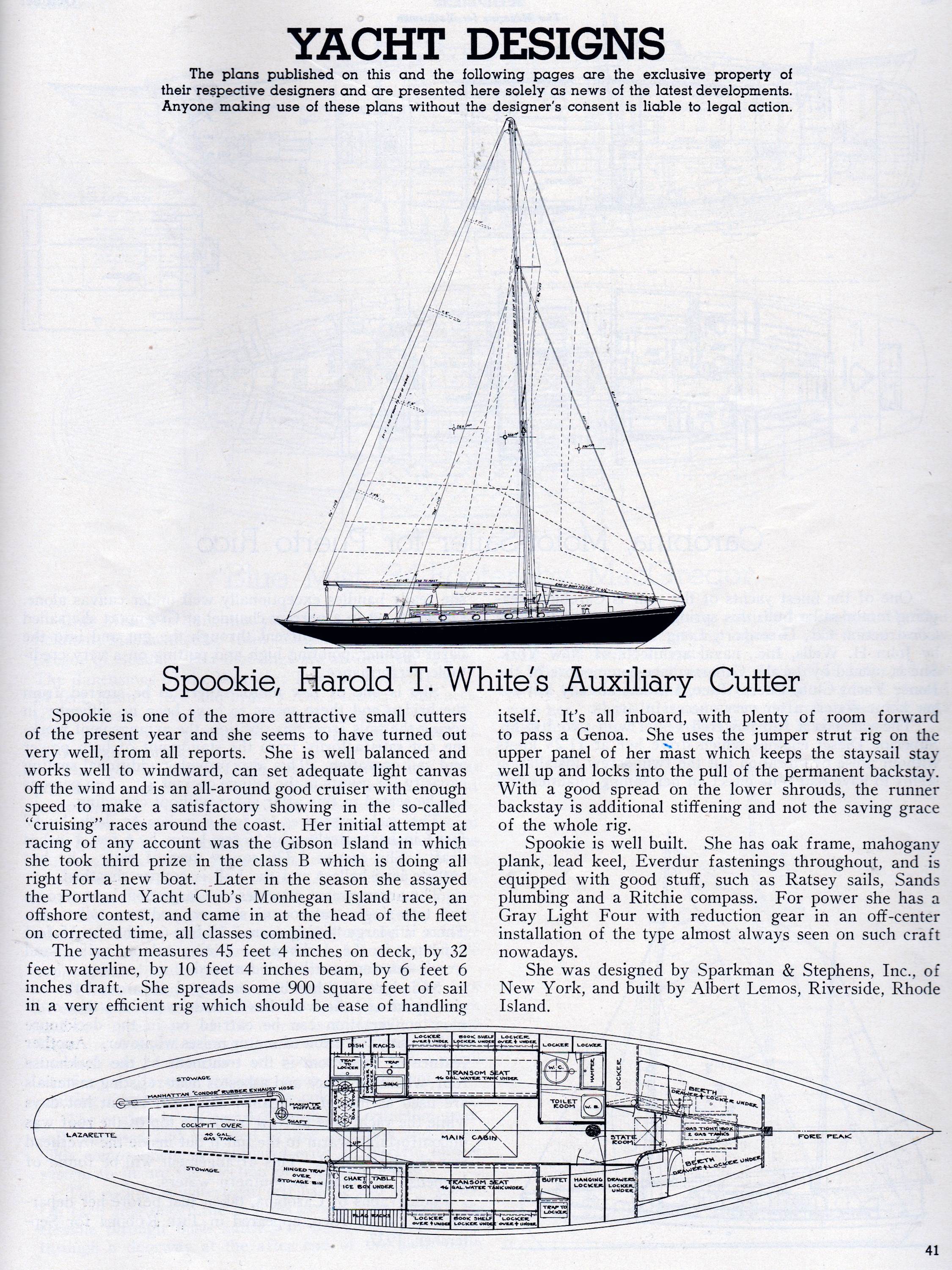
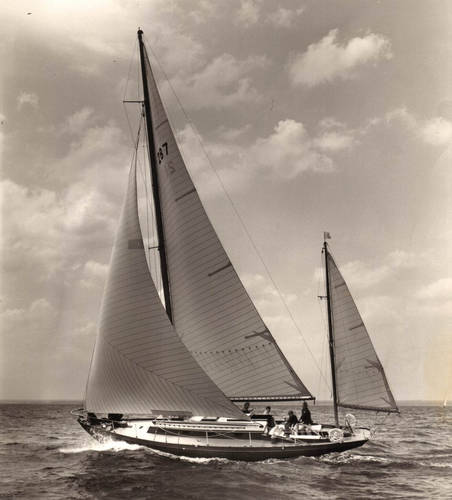
This miniature yacht, named Deb and a scaled-down combination of Sparkman & Stephens’s Bolero and Loki, had been built by Albert Lemos, long-time boatbuilder of Riverside, Rhode Island. She had been built from experience too, as Lemos had built nine vessels for Sparkman & Stephens between 1933 and 1949: including El Nido (1933), their first powerboat commission; Werdna (1935); Spookie (1937), Lemos’s favorite; and Loki (1948).
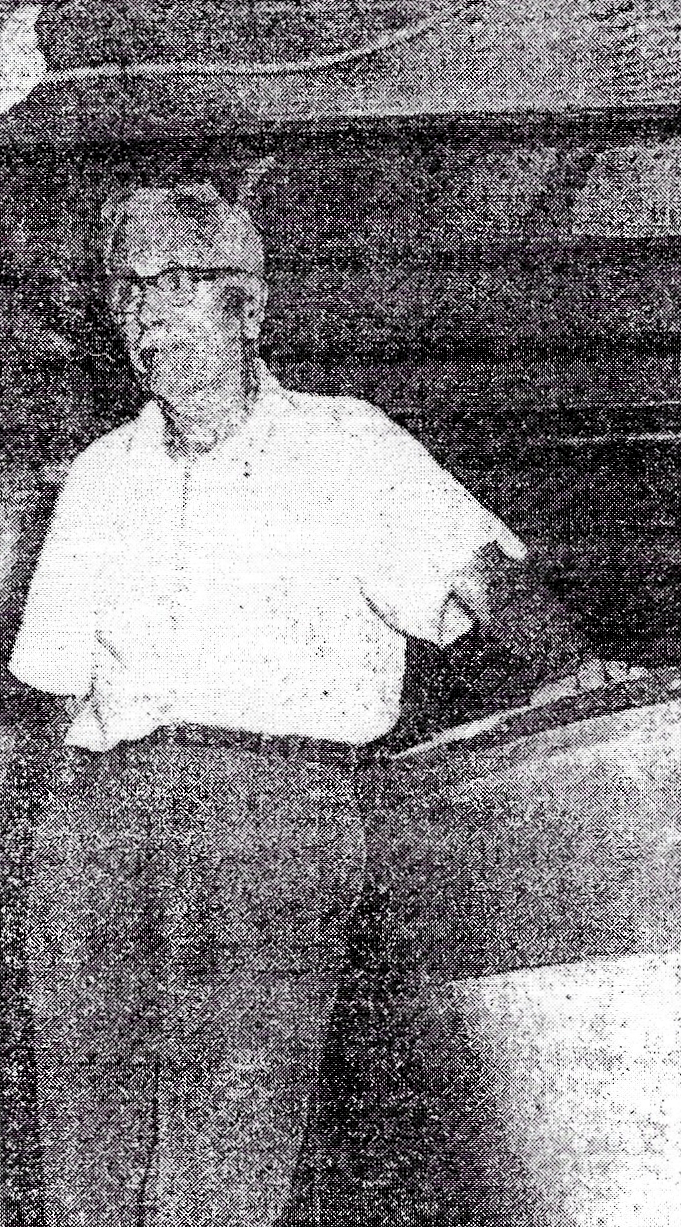
| | | | Albert Lemos (1883-1976) was born on the island of Faial, in the Azores. He had little formal schooling but by the age of 14 had built his first boat, a 16’ schooner-rigged skiff with a clipper bow, and he spent some years working as a ship’s carpenter on a ship sailing between the Azores and Portugal. At the age of 21 he married his wife Bernarda, and soon after they emigrated to the United States. | | | Settling in Fox Point, Providence, Lemos worked initially as a house carpenter however he soon returned to boatbuilding, and by 1906 had established a yard with his brother at the southern edge of East Providence, on Bullock Point in Riverside. Records describing the types of vessels he built in these early years are scant, however in 1910 he designed and built the 51’ steam yacht Maurence for a Walter W. Massie, president of the the Massie Wireless Company (according to Motor Boat magazine, she was to be “equipped with a complete wireless outfit”); in 1912 he designed and built Bedouin II, a 45 ‘ screw launch; and in 1916 was reported to be building a 150’ shallow-draught ferry or excursion boat, to bring passengers from Providence to Crescent Park amusement park in Riverside. | Through the 1920s he built a variety of boats (the partnership with his brother appears to have been relatively short-lived); a 26’ cabin cruiser in 1922; a 55’ power cruiser and another 42’ one in 1923; in 1925 he was mentioned in The Providence Journal as building “a miniature universal rule sloop only 12-feet overall” as well as two power yachts; and in 1929 he was reported to be building a 35’ cruiser as well as “making a yacht out of a 51-foot fishing boat that had been brought up from Florida.” | The change in opportunities for his business though, came in 1933 through his acquaintance with F. Emmons Alexander. Alexander was a yacht broker, and friend and sometimes competitor of Drake Sparkman’s. The young company of Sparkman & Stephens employed Alexander to start a brokerage office in Providence in May 1932 (moving to Boston in early 1934), and Lemos would have been one of the principal local builders he became familiar with. As Olin Stephens writes of Lemos in his autobiography: | "Emmons Alexander took me to meet him in the early thirties as a promising builder for the first powerboat for which I was individually responsible. He built the boat, El Nido, at a reasonable cost and very well. After that we were able to see that he did one new boat each year until the hurricane of 1938 completely washed out his yard”. And Stephens ends the paragraph, writing; “I cannot exaggerate the admiration I have always felt for Albert Lemos.” ~ Olin Stephens | | El Nido was followed by Blue Heron in 1934, Werdna (1935), Domur II (1936), Spookie (1937), Azura (1938), White Heron (1940), Loki (1948) and Chance in 1949. Rod Stephens described the company’s involvement with Lemos to The Providence Journal in July 1951: “These boats were invariably beautifully built and beautifully finished, and the owner as well as the architect derived the greater pleasure in working with the yard while each craft was in production.” | | |
Lemos’s yard actually fared better in the hurricane than Olin Stephens suggested, and better than many of his neighbors; about two-thirds of the yard was severely damaged, and some tools lost, but the railway was intact and the yard remained functional. However, perhaps at the thought of having to rebuild his business when he was in his mid fifties, he joined Herreshoff Manufacturing Co. in Bristol in November of that year, as supervisor of construction. The hurricane damage there had been repaired and business was reported to be carrying on as usual. About nine months later though, realizing that he preferred to run his own business, Lemos left Herreshoff and returned to his yard, which he had had maintained primarily as boat storage.
Returning to civilian work after the war, Lemos built Last Fling, a 50’ sport fishing boat designed by Edson and Charles Schock in 1946, and Comet (later Marluva) designed by Sidney DeWolf Herreshoff the following year. The two final Sparkman and Stephens commissions followed in the final years of the decade, as well as a prototype of the 24’ Raven class sloop, and Deb, his miniature Bolero/Loki.
| | |
However, in 1953 Lemos sold the yard to Godfrey “Unk” Allen, his foreman, and Carl Petersen, a former employee. The yard had two sheds, one for construction and the other a machine shop, and could handle 70 boats 30’ long or smaller for storage. The Lemos yard had been in business for 47 years, and was recognized in the press at the time as “the oldest under continuous operation by one builder in Rhode Island.”
Although retired, Lemos was not done as a boat builder. Over the next 15 years, working in the basement of his Riverside home, he built, sailed, and sold a new boat every few years until, in 1971, he retired again, to Camden, Maine.
For an article in The Providence Journal in March 1960, Lemos shared some thoughts about boat building:
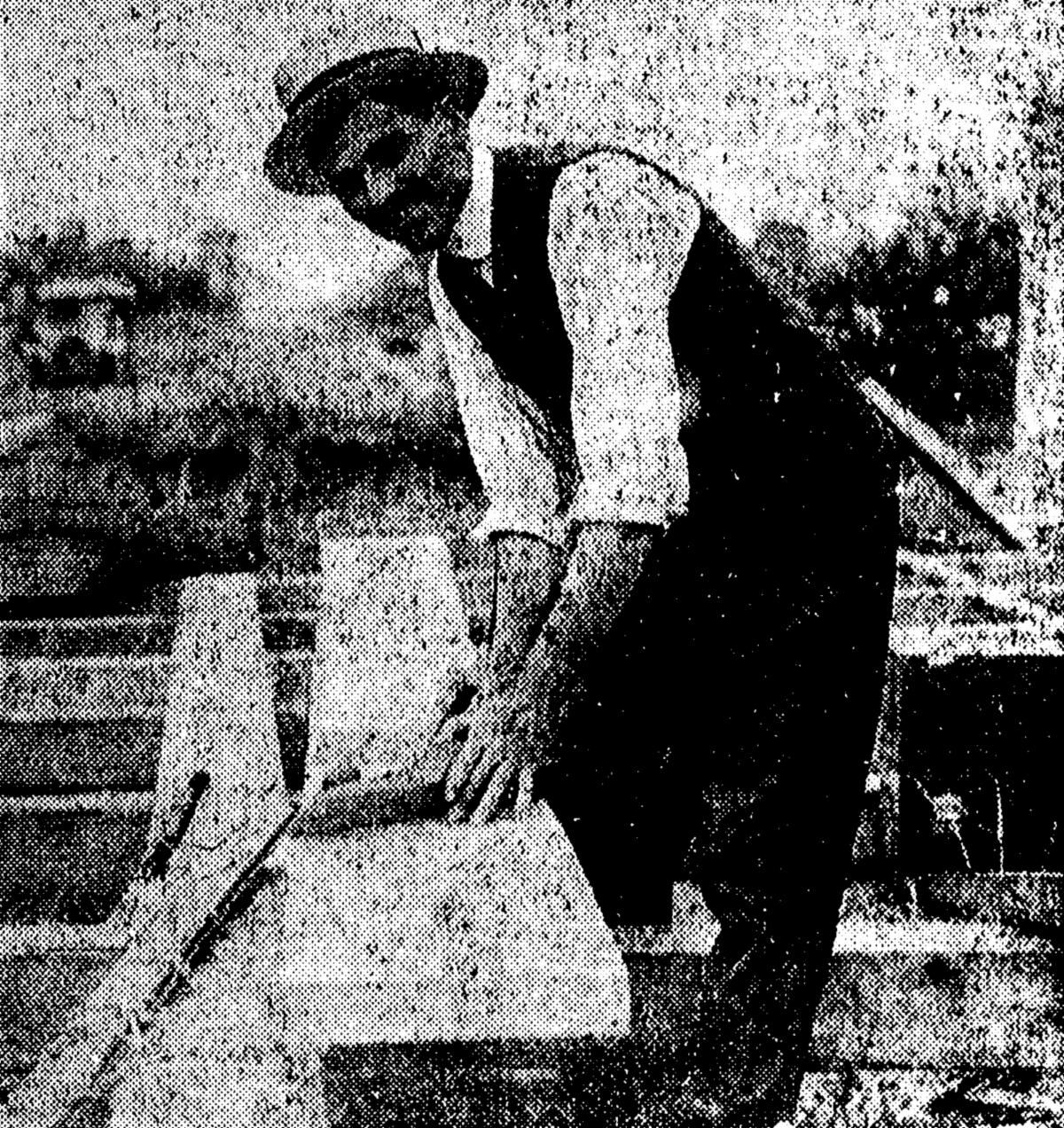
| | | ‘From the beginning, Lemos has operated under a simply theory: “A good man doesn’t need a lot of tools.” In his cellar workshop today, Lemos has few tools and most of them, like the wooden planes, are old-timers. “Once a man came to me looking for a job,” he said, “and carrying three big boxes in his arms. I said ‘What are those?’ and he said, ‘They’re tools.’ I told him we didn’t have any openings. If he had had one little box of tools, I would have hired him and he probably would have been all right.”" ~ Albert Lemos | | | | |
A Note of Farewell from Librarian Francis Frost
I have recently stepped down from running the IYRS Maritime Library and moved to Houston, Texas, where I plan to carry on working in the museum and archives field. I look forward to following developments at the Library through the newsletter and on social media, and to staying in contact with my friends and colleagues at IYRS and in Rhode Island. Going forward I will be an occasional contributing writer for Navigating the Stacks, watch this space...
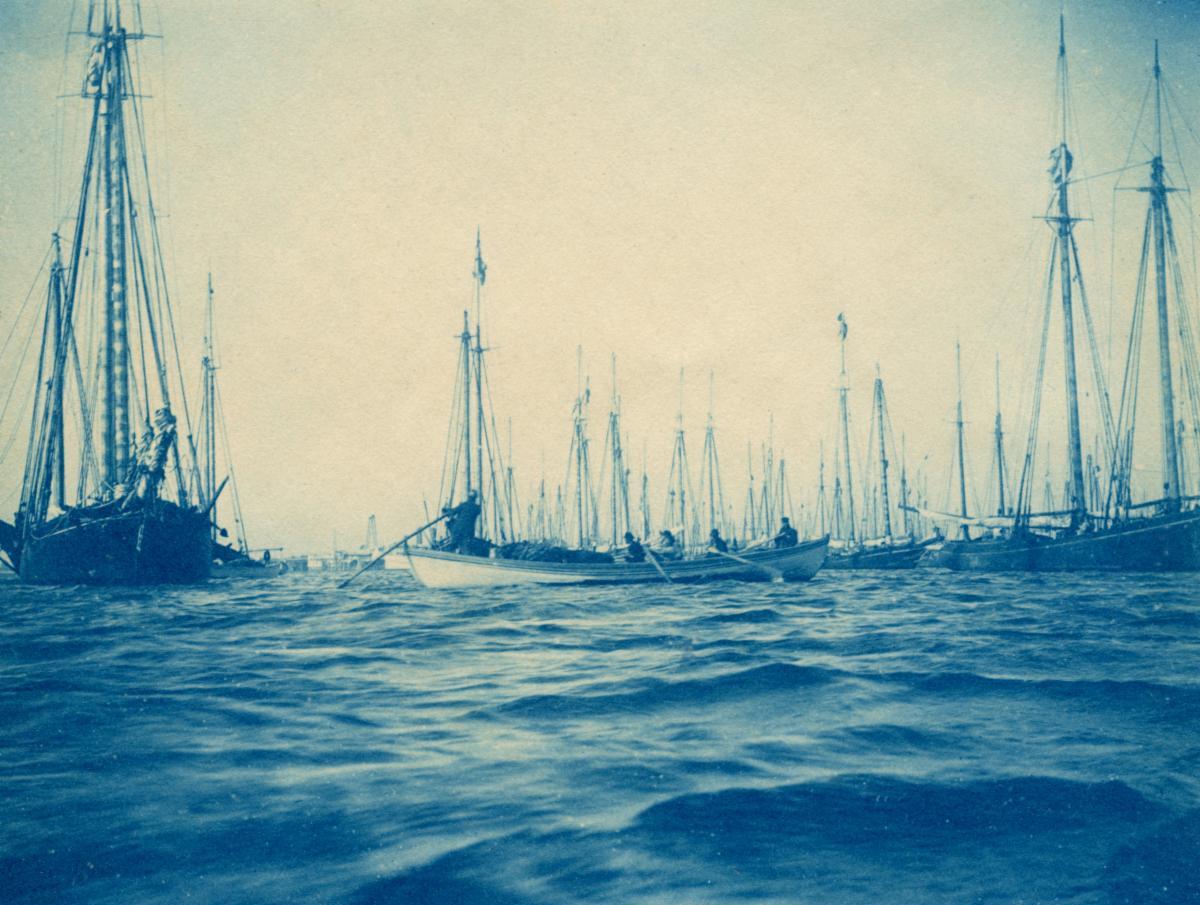
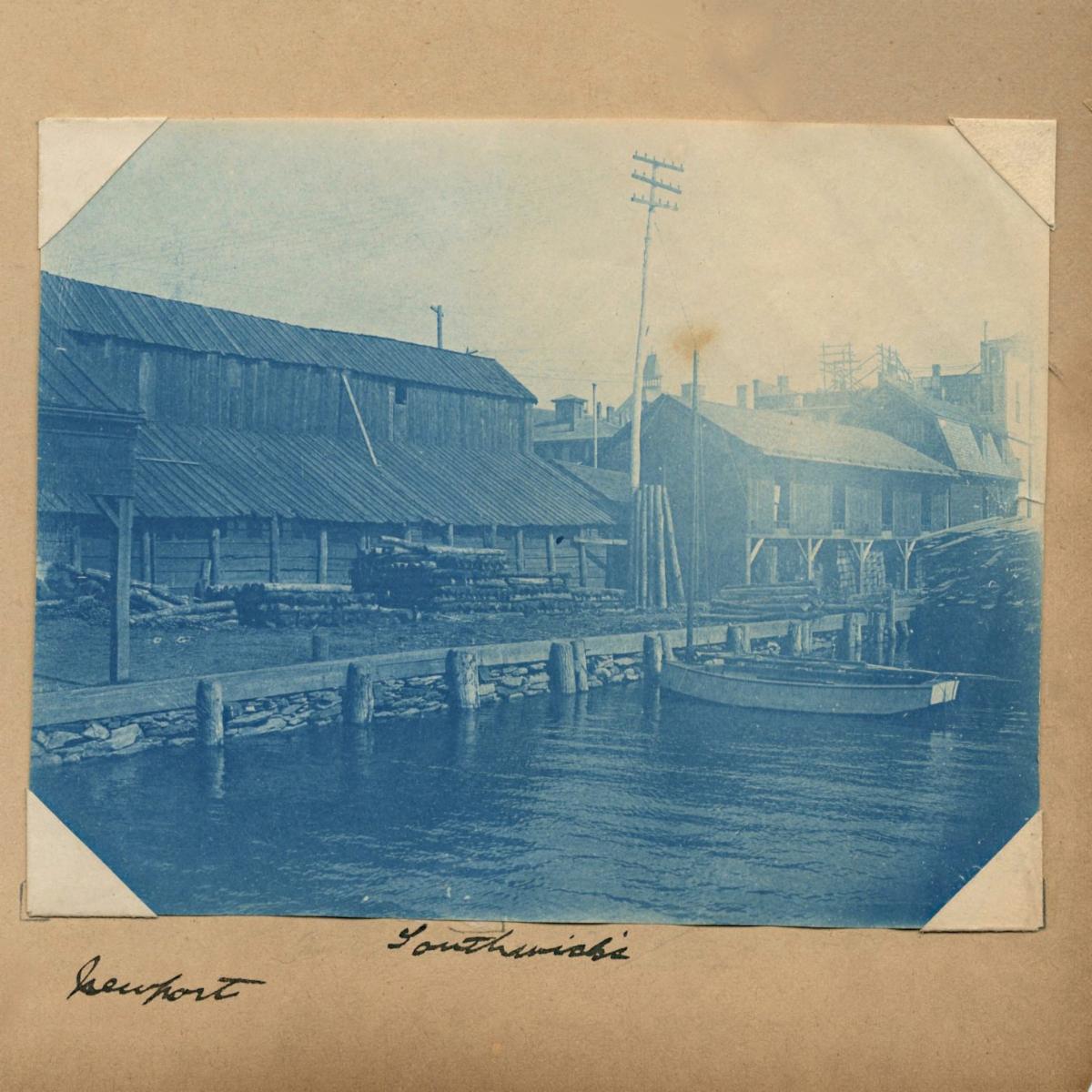
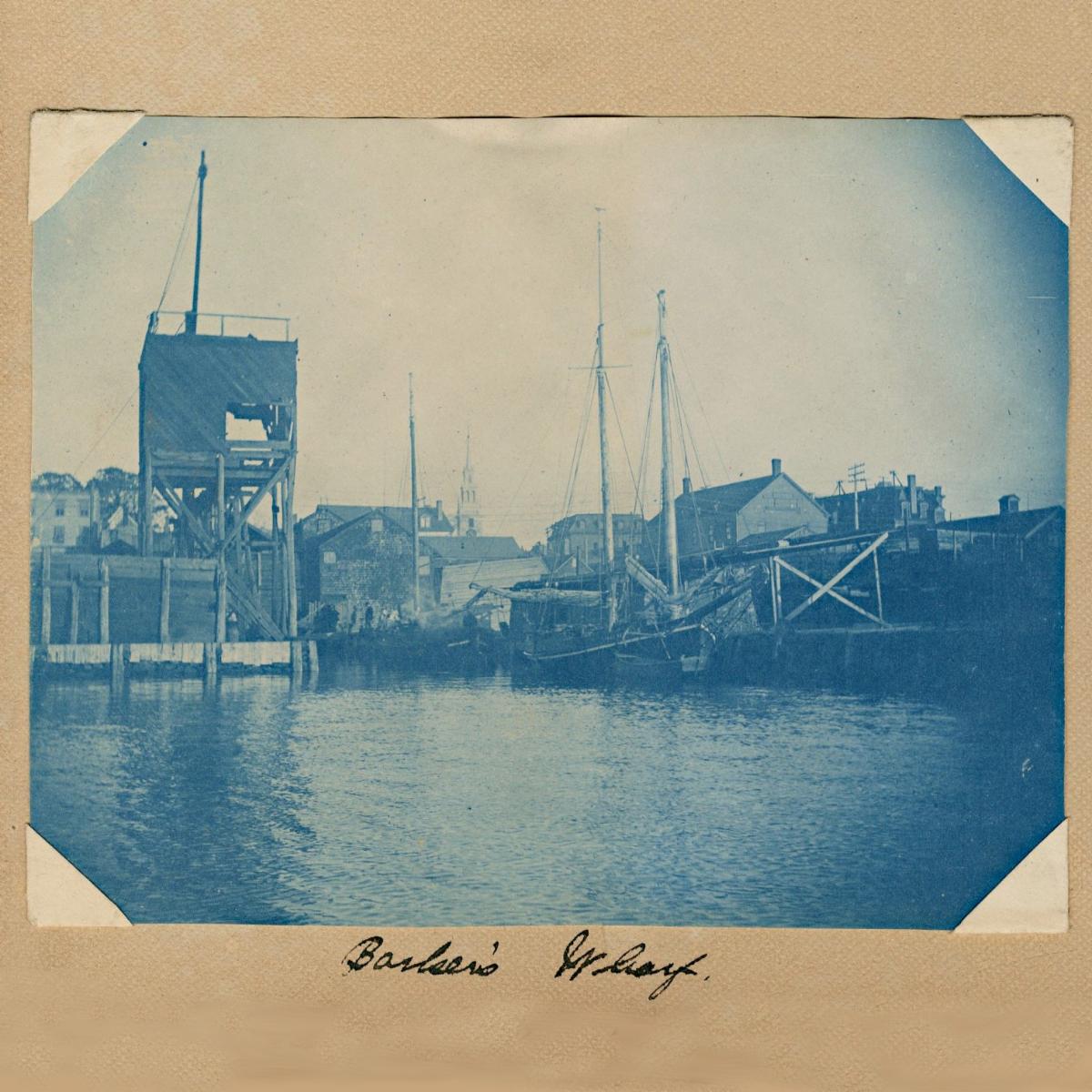
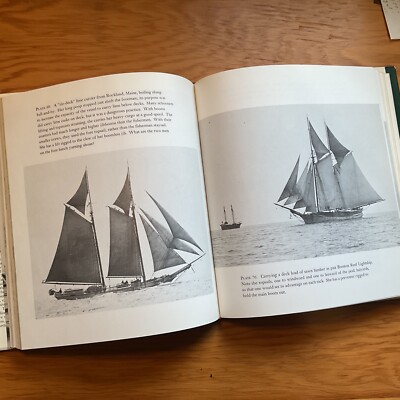
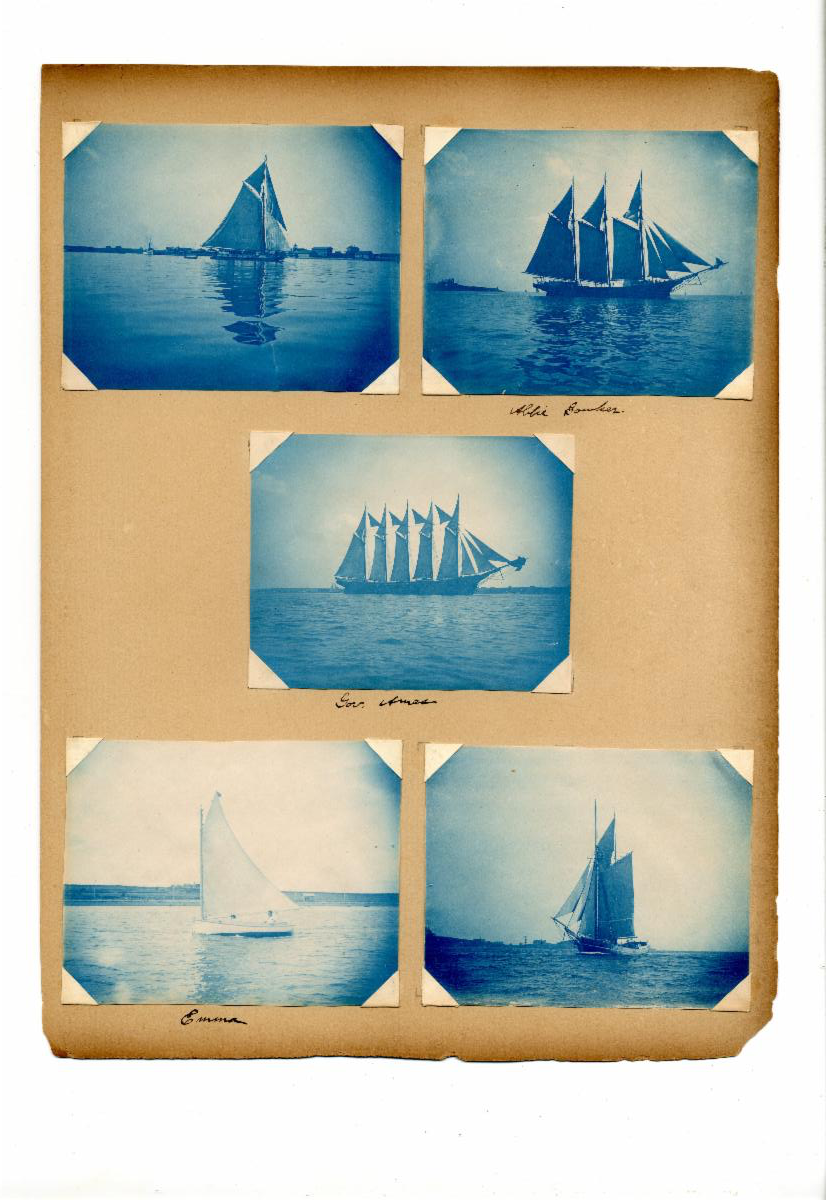
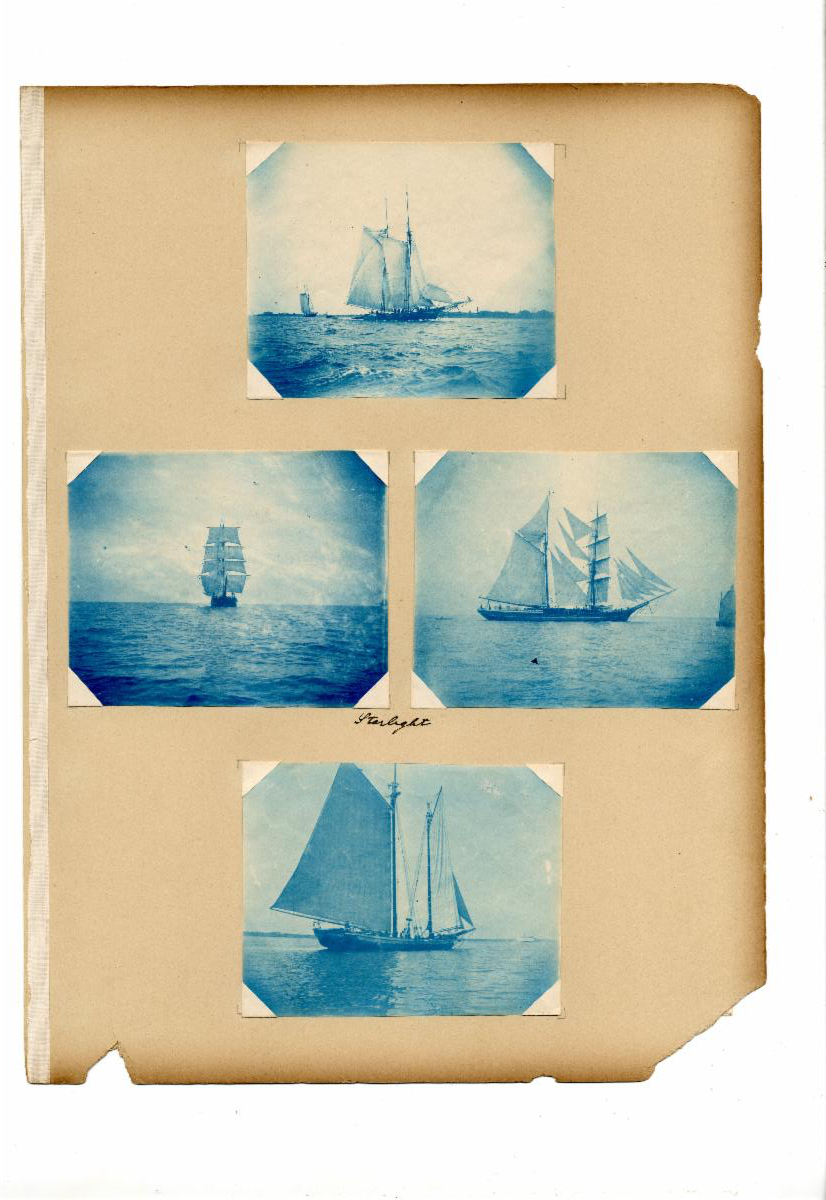
| | A forest of workboat masts were a common sight in Newport Harbor c. 1900. | | Newport Harbor teemed with traffic; steamboats, ferries and ostentatious yachts– but these were of no interest to Smith, who trained his camera only on schooners and workboats. It was a treat to have my father show me his schooner pictures. They were in a huge album which he would place across his knees and leaf through, a page at a time, as I, sitting beside him, peered over his elbow. The album contained scores of four-by-five photographs reproduced on blue print paper in distinctive, unforgettable hues. ~ Edward W. Smith Jr. Preface to Workaday Schooners | | In Workaday Schooners, Edward W. Smith, Jr. described his father — photographer (Edward W. Smith, Sr.) and his work: | | | |
- A straight-laced Quaker, he was most prejudiced against the showy rich and would not photograph their yachts. Instead, he focused his camera on the commercial and fishing schooners which were everywhere and which were taken for granted.
- The schooners were a rugged lot. Wood, hemp, cotton, and tar were used to build them, they represented the development of improvements made by generations of skilled shipbuilders.
| | | Head over to our Navigating the Stacks blog to TAKE A CLOSER LOOK at the entire album. There you may click on any album page to view at full size. | | Ratsey & Lapthorn Sail Plan Collection Cataloged | | |
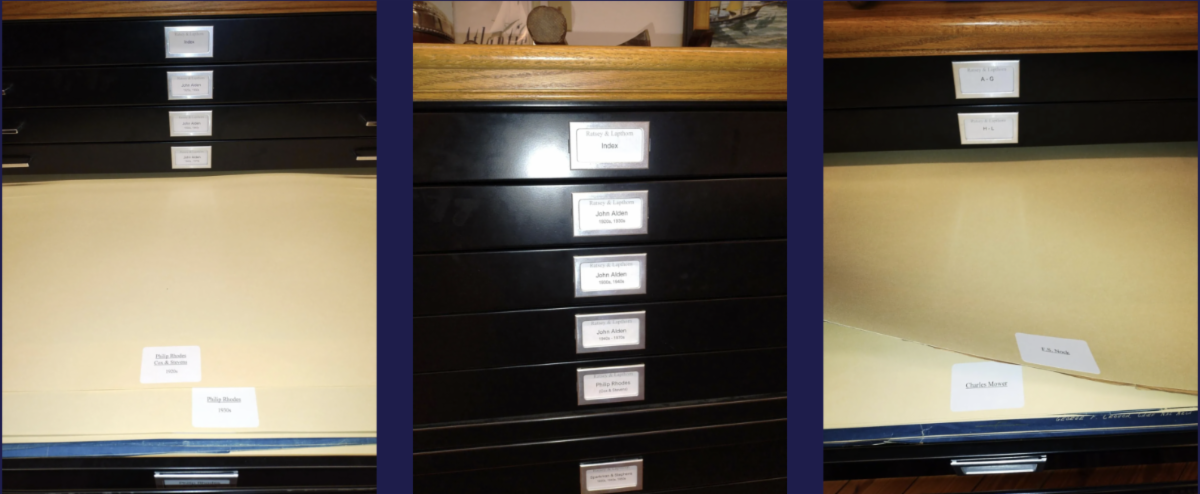
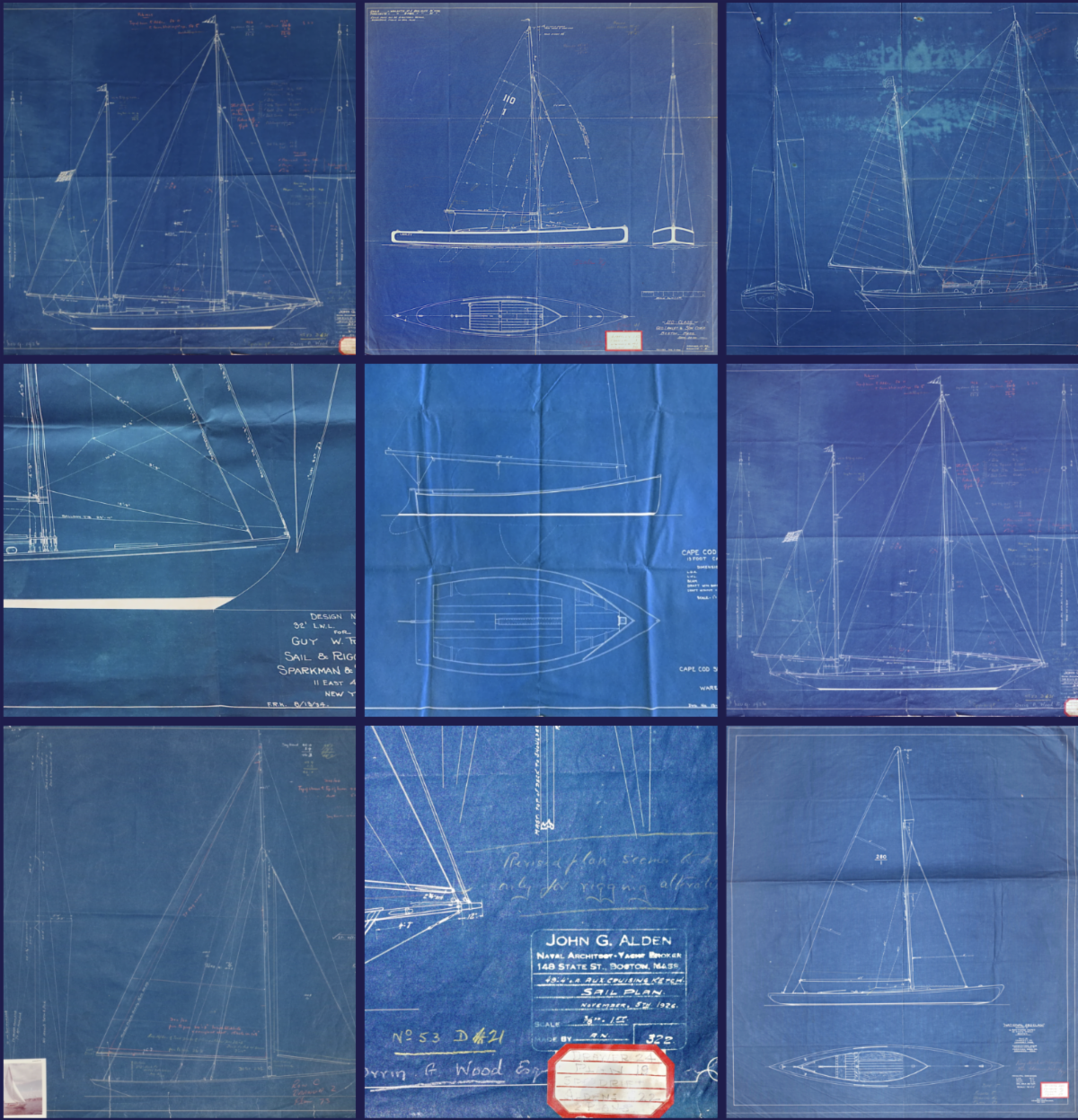
The Library's extensive collection of Ratsey & Lapthorn sail plans has been cataloged. In addition to detailed listings in the IYRS Maritime Library database, an Indexed R&L Inventory & Finding Guide is now available to download.
This extensive collection contains more than 1,000 blueprint sail plans provided by boat designers and owners to Ratsey & Lapthorn's City Island, NY loft. Most have pencil annotations noting sail types, dimensions and changes made throughout the years.
| | Ratsy & Lapthorn, LTD : A Brief History | | |
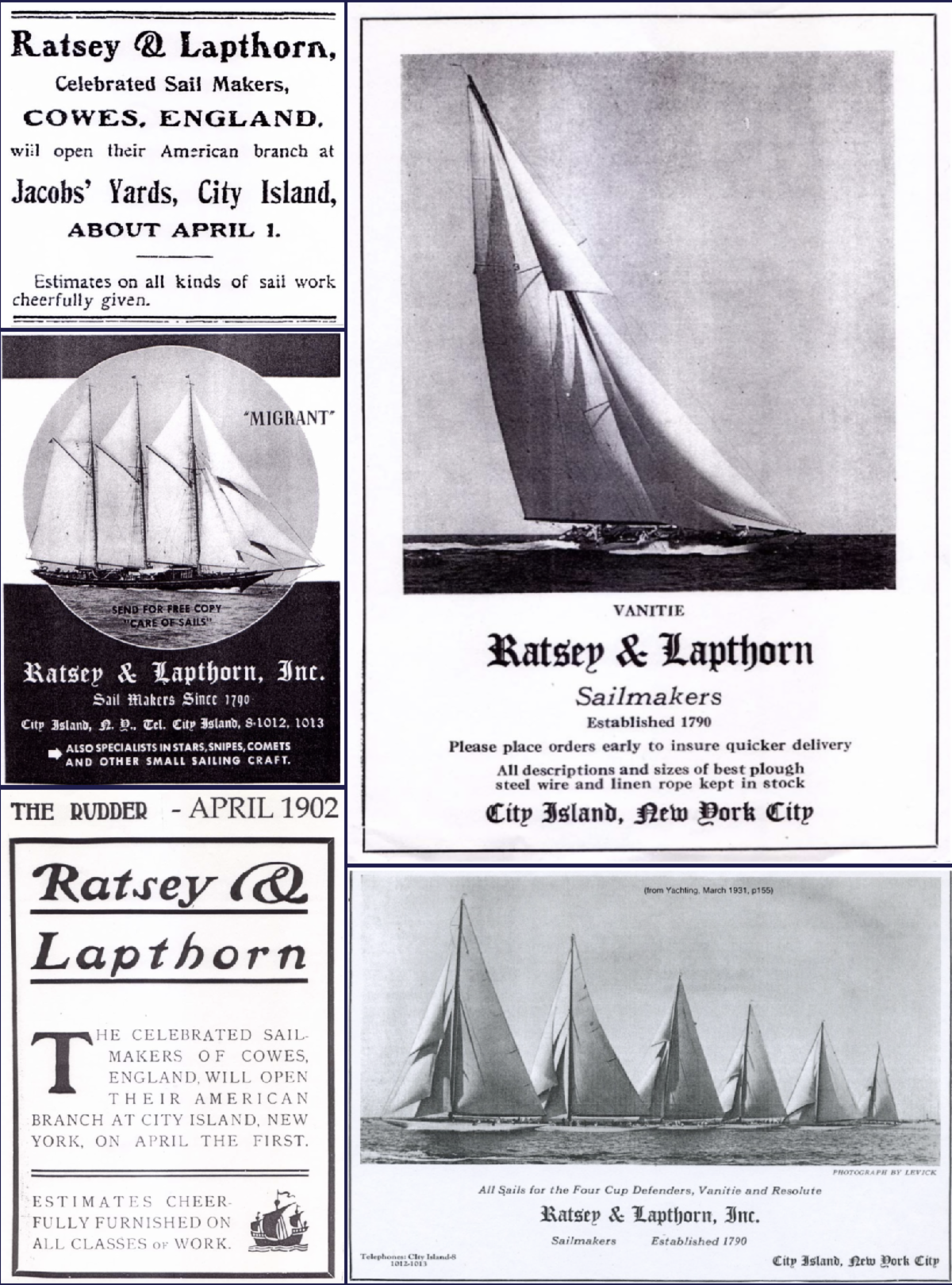
In 1790, George Rogers Ratsey founded a sail- making business in Cowes, England. Among his first commissions were sails for the HMS Victory. In 1825, James Lapthorn established his sail loft in Gosport, England with a commission for the British America’s Cup Challenger Cambria.
The two firms alternately provided sails for all British America’s Cup Challengers including Livonia, Genestra, Galatea and Thistle through 1889 when they joined forces as Ratsey & Lapthorn, Ltd. Commissions from subsequent America's Cup Challengers Valkrye II, Valkyre III, Shamrock and Shamrock II followed.
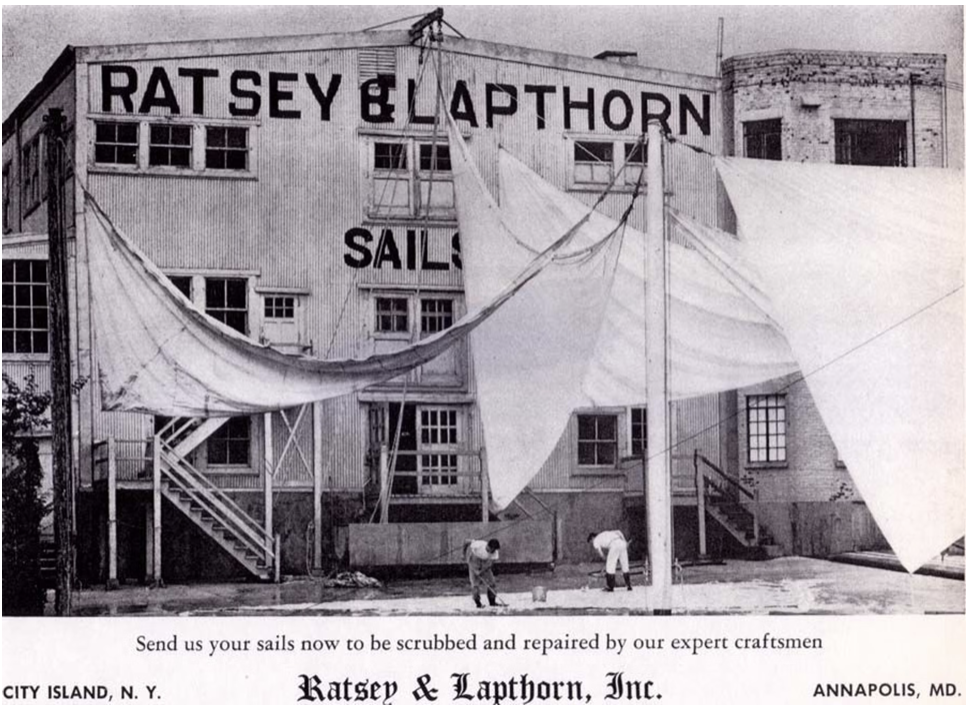
In 1902, they expanded operations to United States with a loft at City Island, NY. Here they built sails for America’s Cup Defenders including Reliance, Rainbow, Ranger and Columbia. Meanwhile, the Gosport loft continued to supply sails for British AC Challengers Shamrock III, Endeavor, Endeavour II and Sceptre.
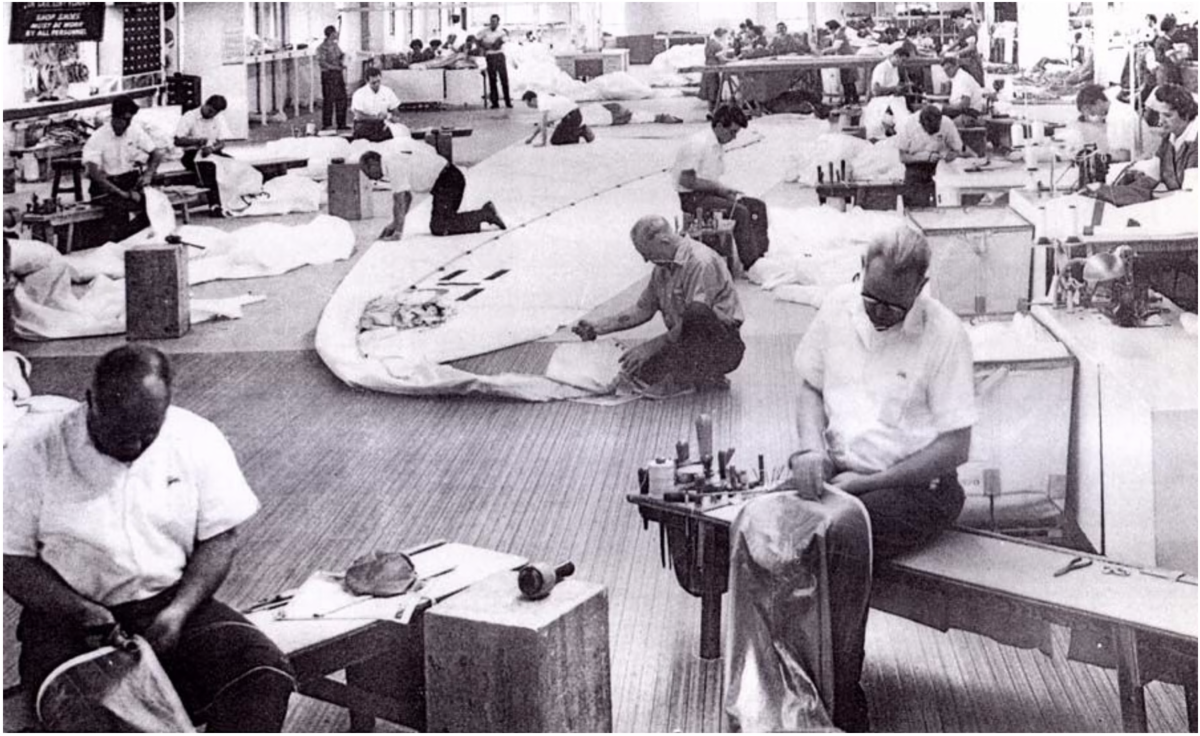
| | Throughout the America’s Cup J-Class era, sails on both Defender and Challenger yachts were made by Ratsey & Lapthorn Ltd. | | By 1917, the firm was so successful they built the (then) largest sail loft in the world at City Island, it was three floors and more than 150’ long. | |
FEATURED VIDEO:
Ratsey & Lapthorn Sails in Action at 1937 America's Cup
Ra.
| | Both J-Class Defender: Ranger and British Challenger: Endeavour II raced for the "Auld Mug" with suits of Ratsey & Lapthorn sails. | | |
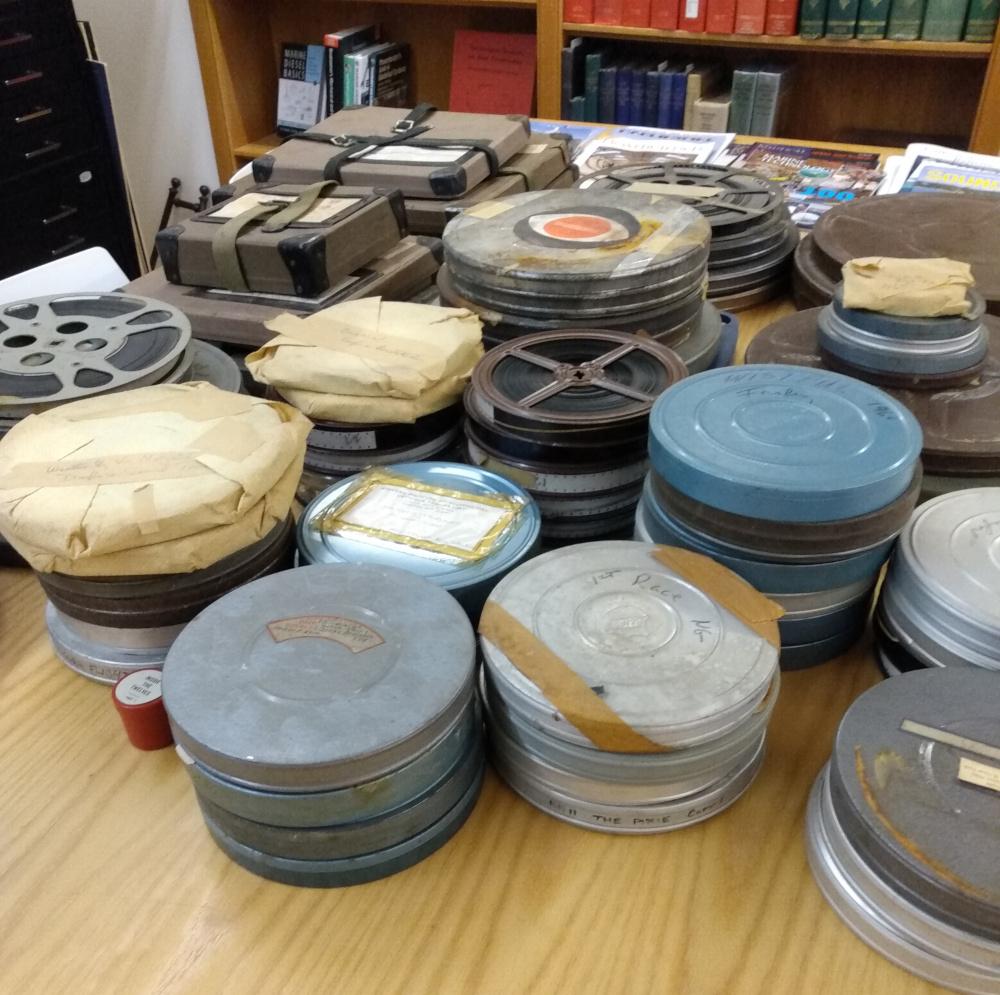
IYRS Maritime Library Film Collection
Library Playlist: Digitized Films Available on YouTube
| | Visit the IYRS YouTube channel and select the Maritime Library's Historic Films Playlist where you will find more than 40 items that have been digitized to date. | |  | |
~ IYRS LIBRARY PLAYLIST ~
> 1926: Abeking & Rasmussen Dinghys
> 1926: Onboard Resolute
> 1926-7: Mattapoisett Yacht Club
> 1933: Herreshoff Catamaran, Amaryllis II
> 1936-9: Cruises of the Seven Seas
> 1937: Raising the Sails Aboard Yankee
> 1937: America's Cup Races
> 1937: Ranger & Endeavour II (2 parts)
> 1937: AC Newport & Marblehead (2 parts)
> 1949: Bolero Launch
> 1949: Sea Cloud
> c. 1950s International 14 Races
> c. 1950s George O'Day, Finn US3
> c. 1950s Johnson Outboards Promo Film
> c. 1955: Monitor sailing hydrofoil
> 1957: Finn Championship
> 1958: Jolly Boat Nationals Annapolis, 1958
> 1958: Newport, RI Harbor & Docks
> 1958: Columbia & Sceptre, (2 parts)
> 1959: Block Island 40 Volta, build/launch
> 1959: Shearwater III, catamaran sailing
> 1960: 5.5mR Olympic Trials, Marblehead
> 1960: Rome Olympics, 5.5mR Race
> 1960: Rome Olympics, Dragon class
> 1960: Rome...Finn, Star & Flying Dutchman
> 1960: Rome...Weighing & Measuring
> 1962: Defiance construction / Norway
> 1962: Easterner & Weatherly
> 1962: Weatherly v. Gretel, (2 parts)
> Fairey Marine, Atalanta
> Fairey Marine, Dinghies
> Fairey Marine, Pixie
| | IYRS Maritime Library Collections | | Additional private collections have been pledged by David Pedrick and Gary Jobson. If you would like to have your collection considered for donation, please contact us at 401-848-5777. | | About IYRS Maritime Library | | |
Mission Statement: The IYRS Maritime Library is an educational and cultural resource, committed to the mission of IYRS and to making its collections available to students, staff and faculty as well as to scholars, researchers, and members of the general public.
IYRS Library Committee is comprised of founder James Gubelmann, interested IYRS Board members, the IYRS librarian, IYRS staff members, and qualified individuals from the surrounding community.
| |
- Location: 4th floor of the historic 1831 John Mecray Aquidneck Mill building on the IYRS campus at 449 Thames Street, Newport, Rhode Island.
- Open to: Students, Researchers and Armchair Sailors
-
Hours: By appointment, please call: 401-848-5777
Search: Navigating the Stacks / Online Catalog anytime
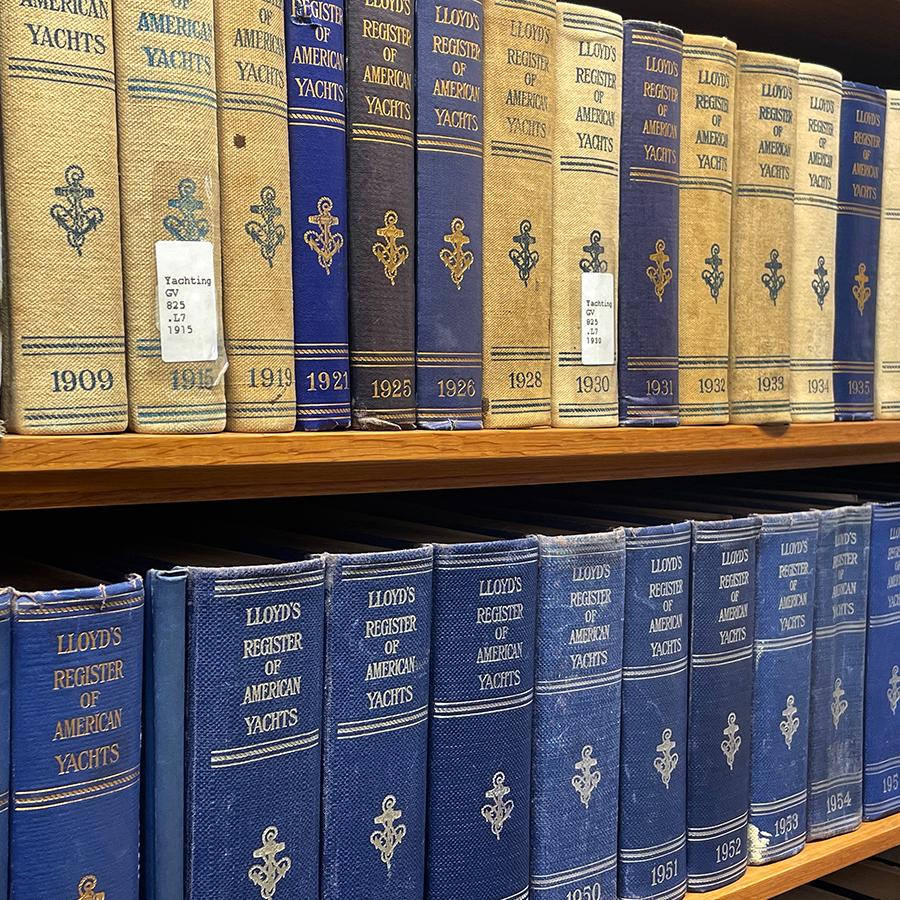
| | Items in the library's Special Collections have been acquired through donations by private individuals and families as well as by esteemed organizations including the Redwood Library & Athenaeum, the National Sailing Hall of Fame, Salve Regina University and of course the Museum of Yachting. In addition to IYRS's searchable online catalog, which utilizes the Library of Congress system, the IYRS Maritime Library was selected to join RIAMCO-- the prestigious online gateway to the Rhode Island Archival and Manuscript Collections. Most recently the IYRS Maritime Library was admitted as a member to the International Congress of Maritime Museums. | | About Navigating the Stacks | | For those unfamiliar with the Edward W. Kane and James Gubelmann IYRS Maritime Library, you may be surprised to learn that in addition to thousands of cataloged books, periodicals and A/V materials, its holdings also include a variety of rare, valuable, fragile, and scarce items. These include hundreds of boat plans, letters, posters, brochures, press kits, typescript or handwritten histories, photographs, slides, films, and video tapes. Ephemera such as wearable items, burgees, flags and an impressive display of trophies, paintings, and models are also preserved, protected, and displayed among the Library’s Special Collections. | | |
Exploring the Collections of the IYRS Maritime Library
This newsletter was envisioned by IYRS Maritime Library co-founder and contributor James Gubelmann in order to illuminate the depth and richness of the Special Collections contained within. Gubelmann said, “Together with Editor, SallyAnne Santos, former Creative Director of the Museum of Yachting, we will provide insight into the library’s holdings, specifically highlighting contents of the Special Collections.”
| | |
Miss An Issue of Navigating the Stacks?
Click date links below to read archived issues
NEW! Click highlighted titles to read these features on our blog website
No. 1: October 2021: Intro & Overview, Museum of Yachting Collections
No. 2: March 2022: Arthur Curtiss James & Redwood Library / Lirakis Collections
No 3. May 2022: Vanderbilt Family Books, Lloyd's Registers, Walter Cronkite's Bookshelf
No 4. August, 2022: Museum of Yachting, Single-Handed Sailors' Hall of Fame
No. 5. October 2022: Meet the Founders, The Gubelmann Family Collections
No. 6. February 2023: Librarian, Francis Frost; Seven Seas; John Scott Russell
No. 7. June 2023: Marine Trades Exhibit; Featured Finds Now Online
No. 8. September 2023: Shipwright Bror Tamm, Polymath & Poet
No. 9. January 2024: Ray Hunt, Dick Newick and The Great Ocean Race, Part 1
No. 10. April 2024: Fredrick Huntington, Part 1; The Great Ocean Race, Part 2
No. 11. September 2024: Luke Bliven, Boat Builder; The Great Ocean Race, Part 3
No. 12, February 2025: Frederick Nock, Boat Builder; Frederick Huntington, Pt. 2
No. 13, July 2025: Amaryllis II, Herreshoff Catamaran /Kodacolor Film, Robert Baker's Tools
No. 14, December 2025: Ernest Ratsey Book Collection; George O'Day; Inside the Twelves
| | | | |