Special Edition

The North Carolina State Transformation Collaborative (NC STC) is a public-private partnership designed to advance value-based and whole-person care through multi-stakeholder alignment with federal engagement (CMS) and state leadership (NCDHHS). As one of four states selected to participate in this initiative operated by the Health Care Payment Learning and Action Network (HCP-LAN), the NC STC represents a collective effort to shift from paying for health care services through a fee-for-service model to investing in health with a value-based, whole-person approach. Since its launch in February 2023, Duke-Margolis, in partnership with the NCDHHS Division of Health Benefits and the HCP-LAN, has established technical working groups and gathered strategic feedback to build a path forward to address shared challenges across key NC STC strategies: aligning quality measures, improving data sharing infrastructure, and enhancing health equity data to enable advanced, coordinated care models, starting with primary care.

Overview


Public meetings are opportunities for the NC STC to highlight progress on shared goals gathered from learning calls, workgroups, and other convenings and obtain feedback on the current work and the future direction of the NC STC. On May 23, 2024, Duke-Margolis held the second NC STC hybrid public meeting with federal and state health leaders and North Carolina stakeholders to share the progress of the NC STC, communicate updates, and discuss other opportunities to enhance health care access.


To access the event website with the meeting agenda, speaker bios, press release, and Alignment Proposal for the NC STC, click here. To view a recording of the meeting, click here.


Ongoing Health Care Reform Efforts


At the beginning of the public meeting, Dr. Betsey Tilson, State Health Director and Chief Medical Officer of NCDHHS, explained that North Carolina is a leading model for shifting from paying for health care services to investing in health. As part of this shift, North Carolina policymakers and health care leaders have implemented bipartisan health reforms and investments to improve access to care, advance whole-person care, and improve health outcomes. Dr. Mark McClellan, Director of Duke-Margolis, explained that the NC STC fosters collaboration, which helps propel forward state health care reform efforts.


North Carolina has made significant investments in whole-person care through the transformation to Medicaid Managed Care and other state reform efforts like Medicaid Expansion, the Healthy Opportunities Pilots, investments in behavioral health, and the Primary Care Payment Reform Taskforce. Additionally, North Carolina was selected as one of eight states to participate in CMS Innovation Center’s Making Care Primary (MCP) model, which utilizes multi-payer alignment to strengthen primary care. There are opportunities to extend learnings from the NC STC to the aligned NC MCP Model to further the state’s goals and make progress on health reform efforts.


Key Takeaways


A main focus of discussion at the meeting was the Alignment Proposal for the North Carolina State Transformation Collaborative: A Pathway to Advance Whole-Person Care. This proposal was released before the meeting and details progress and next steps toward better health care delivery in the short- and long-term, specifically prioritizing key primary care, prevention, and clinical areas to focus on burden reduction to enable the provision of high-quality, equitable, whole-person care. During this meeting, stakeholders reflected on the Alignment Proposal and discussed how it could help streamline health reform programs to support capacity-building for whole-person care and reduce administrative burden for providers. Health care leaders also highlighted the need to address long-standing health disparities in North Carolina through improved collection, use, and sharing of data. Look below for more details on the Alignment Proposal and health equity data. Other takeaways from the public meeting include:


  • The strategies and proposed action areas outlined in the Alignment Proposal for the NC STC will support efforts to improve equitable and high-quality whole-person care in North Carolina.
  • Partnership and alignment are crucial to advance equitable and high-quality whole-person care; the NC STC serves as a vehicle to facilitate alignment and collaboration on payment and delivery system reforms.
  • It is critical to collect and utilize data in a way that doesn’t add administrative burden, particularly on providers. Standardizing data processes is an important lever to achieve this goal.
  • The NC STC is committed to improving data infrastructure and data sharing. Building off existing initiatives in the state, such as the partnership with NC Medicaid and the NC Health Information Exchange Authority (NC HIEA), could translate to better data infrastructure and data sharing.
  • There are opportunities to extend learnings from the NC STC to further the state’s goals around multi-stakeholder alignment through state initiatives such as MCP Model alignment in NC Medicaid.
  • The NC STC needs further engagement and support from health care payers and providers, state government, community-based organizations, and other groups focused on health equity data and NC STC goals.

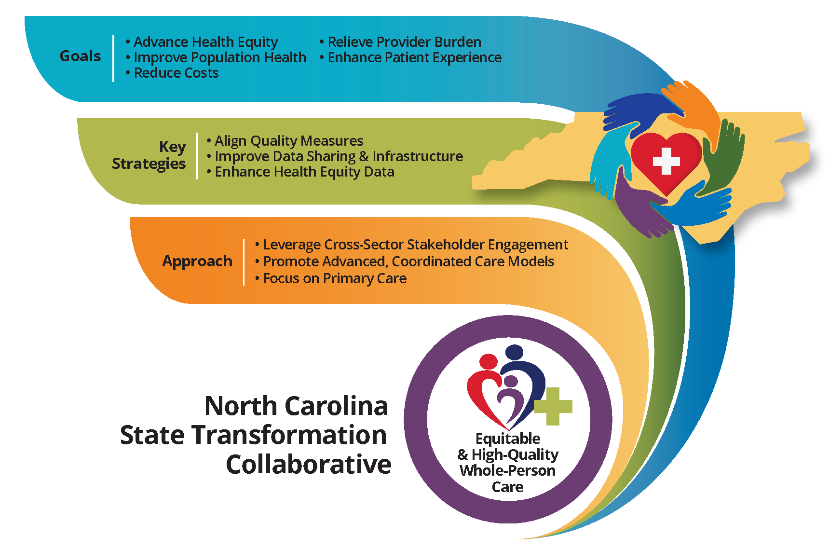
Figure 1. North Carolina STC Summary Framework

Stakeholder Engagement to Identify Shared Goals are Critical to Achieving Alignment


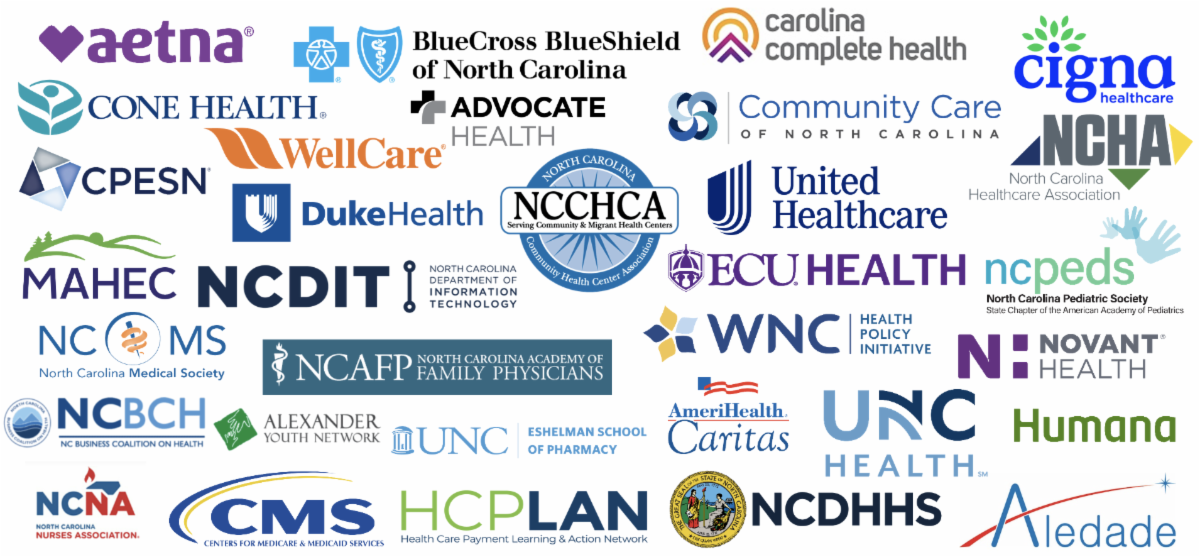
The NC STC has made significant progress on the agreed-upon goals by leveraging multi-stakeholder collaboration and building out the key strategies outlined in Figure 1 (above). Highlighting the NC STC’s cross-sector stakeholder engagement to promote advanced, coordinated care models, the health care leaders shown in Figure 2 (below) have contributed to the NC STC’s alignment initiatives through learning calls, workgroup meetings, convenings, and other efforts to determine actionable alignment areas that can help relieve provider burden, enhance patient experience, advance health equity, reduce costs, and improve population health.


During the public meeting, Kate Davidson, Director of the Learning and Diffusion Group at the Center for Medicare and Medicaid Innovation, explained the importance of continued stakeholder commitment to achieve alignment. She emphasized that reaching these goals takes time and flexibility, noting that multi-stakeholder alignment is difficult and requires everyone to be at the table. The NC STC relies on these diverse stakeholders, organizations, and individuals working together toward equitable and high-quality, whole-person care. 

Figure 2. Stakeholders involved in NC STC efforts

Overview of the Alignment Proposal


Developed by Duke-Margolis, NCDHHS, and the HCP-LAN with stakeholder feedback from clinically integrated networks, NC Prepaid Health Plans, commercial payers and purchasers, primary care providers, federally-qualified health centers, health systems, and pharmacy groups, the Alignment Proposal for the NC STC is a proposed set of actions to address shared challenges of health reform implementation with the goals of improving population health, advancing health equity, enhancing patient experience, relieving provider burden, and reducing cost.


The Alignment Proposal documents the progress of NC STC efforts, outlines a set of preliminary action areas to achieve STC goals, and establishes a foundation for continued partnership and alignment long-term. Strategies and action areas include: aligning quality measures, starting with aligned implementation of a few key measures; improving data sharing infrastructure by meeting organizations where they are and helping progress toward national interoperability standards; and enhancing health equity data like race, ethnicity, and language and health-related social needs through standardized approaches to collection, sharing and use of these data.


To align quality measures, the Alignment Proposal for the NC STC recommends establishing a starter measure set to focus efforts and streamline measure implementation. These starter measures include Childhood Immunization Status (CBE #0038), Glycemic Status Assessment for Patients with Diabetes (CBE #0575) (Previously known as Hemoglobin A1c Control for Patients with Diabetes), and Controlling High Blood Pressure (CBE #0018).


Duke-Margolis convened a new NC STC Data Sharing Workgroup comprised of technical data experts to identify pain points and strategies to reduce burden in the collection and reporting on the three starter measures. To enhance health equity data, the Alignment Proposal for the NC STC proposes identifying guiding principles and establishing foundational steps to measure and track disparities with the established NC STC Health Disparities Workgroup.


Reflecting on the Alignment Proposal


The May public meeting featured two panel discussions to solicit feedback from stakeholders on current and future NC STC work and discuss ways to make progress as a state on shared goals for the NC STC. During the first discussion, panelists identified challenges to achieving whole-person care, citing provider burnout, time constraints, variability and misalignment in value-based payment (VBP) models, and complexity in data infrastructure as important barriers to overcome. They spoke about opportunities to address these barriers with the strategies outlined in the Alignment Proposal, underscoring the importance of the proposed action areas to align quality measures and improve data infrastructure.


Panelists spoke about the importance of community engagement when adopting the action areas from the Alignment Proposal. Sam Thompson, Executive Director of the NC HIEA, explained that we must meet communities, organizations, and providers where they are and provide the resources needed to participate in VBP models and other reform efforts that help advance whole-person care. Dr. Angelo Sinopoli, Executive Vice President of Value-Based Care at Cone Health, echoed this, highlighting that the most significant advancements in health and well-being for Medicaid populations have been made in partnership with communities.


The panel also discussed multi-stakeholder reform efforts. Panelists emphasized that coordination is essential to standardize data processes and reduce complexity. Dr. Michelle Bucknor, Regional Chief Medical Officer at Aetna Better Health, emphasized the need to reduce administrative burden in the measurement process. Kristen Dubay, Chief of Population Health at NC Medicaid, shared that complex data systems could be addressed with modernized data tools and systems. Sam Thompson added that the NC HIEA and other organizations have begun to improve the data sharing landscape. The panel highlighted that bringing stakeholders together through NC STC public meetings, workgroups, and learning calls is essential to move forward and find solutions.


Data to Address Health Disparities


The second panel expanded on the previous discussion about streamlined data collection, discussing strategies to reduce disparities and advance health equity through better data on race, ethnicity, language, rurality, disability status, health-related social needs, etc. Panelists described leading practices for the collection, sharing, and use of health equity data to improve health and well-being in North Carolina. Each panelist shared ways that health equity data could shape policy and practice. Examples included adopting a health equity governance framework, pursuing innovative research to push the data further, and using data to adopt evidence-based, data-driven policies.


Panelists spoke about the importance of trust in data collection and how building and maintaining community trust through meaningful engagement and transparency could help mitigate some of the historical barriers to collection, leading to data incompleteness. Dr. Gabriela Plasencia, Clinical Associate at Duke Family Medicine and Community Health and National Clinician Scholar, and Health Equity Policy and Primary Care Fellow at Duke-Margolis, highlighted that community health workers, because they are often representatives of communities that have been historically marginalized, could help instill trust among patients and communities and improve data collection. Cornell Wright, Health Equity Advisor for General Dynamics Information Technology, added that proactive involvement in communities before issues arise can improve transparency and trust. Jennifer Houlihan, Vice President of Enterprise Population Health-Advocate Health, reemphasized that point and explained the importance of community engagement teams working alongside primary care, population health, and other care teams.


Panelists also discussed recent updates by the Office of Management and Budget to the federal standards for maintaining, collecting, and presenting data on race and ethnicity. Dr. Plasencia shared that many of the race and ethnicity categories currently used are very broad and don’t accurately reflect how people identify or underlying risk factors that put people at higher risk for certain diseases. Having better, more accurate data can help create more tailored interventions.


Finally, Dr. Emma Sandoe, former Deputy Director of Medicaid Policy at NC DHHS, shared how NC Medicaid’s robust and complete race and ethnicity data can be utilized to guide health equity efforts. Panelists agreed that the NC STC can help achieve alignment and standardization of health equity data to support efforts across organizations, and in collaboration with communities. Health equity data can help establish more coordinated and targeted interventions to address health disparities and improve overall health and well-being.

Next Steps for the NC STC

Following the successful annual public meeting in May, NC STC lead partners will:


  • Gather additional stakeholder feedback on the Alignment Proposal for the development of the implementation and evaluation plan.
  • Share an updated Alignment Proposal with NC STC stakeholders and request support through a multi-stakeholder commitment statement or other public show of support.
  • Continue to engage existing stakeholders and expand stakeholder engagement to include groups focused on the reduction of health disparities to further NC STC goals.
  • Convene a Health Disparities Data Workgroup to develop guiding principles and leading practices for identifying and addressing long-standing health disparities in North Carolina.

To get involved in this effort, get in touch with us by using the contact form on the STC web page. Click the button below and scroll down to "Stakeholder Engagement Opportunities through NC STC":

STC Engagement Opportunities