"NCA Health & Safety News" provides you with valuable information and assists in your quest to achieve a world-class safety culture. We believe that developing a safe work ethic is a never-ending process that must be part of every business's professional development.
Please do not hesitate to contact the office with your input, suggestions or safety questions.
We value your feedback!
| |
Safety Training & Membership Appreciation Day: We Want Your Input!
The Safety Committee is looking for member feedback! Tell us what training topics you’d like to see offered, and share your ideas for Membership Appreciation Day presentation topics. Your feedback helps us plan training and events that are meaningful and valuable to you.
Click here to complete the survey and share your input.
| | |
Beyond Complacency: Why Your Brain’s Survival Mechanism Is Creating Safety Blind Spots challenges the industry’s default explanation of “complacency” for incidents involving experienced workers. Drawing on neuroscience and real-world examples, Scott Halling, CRSP explains how habituation—the brain’s automatic filtering of familiar stimuli—creates safety blind spots below conscious awareness. The article argues that this isn’t a personal failing or training gap, but a predictable human factor that demands system-level solutions. Halling outlines practical ways organizations can redesign work, inspections, and investigations to work with human biology rather than against it—helping prevent incidents before they happen.
Click here to read the full article.
Connect with the author, Scott Halling, CRSP, on LinkedIn here.
| | Click here for the IHSA monthly news & updates for February. | | |
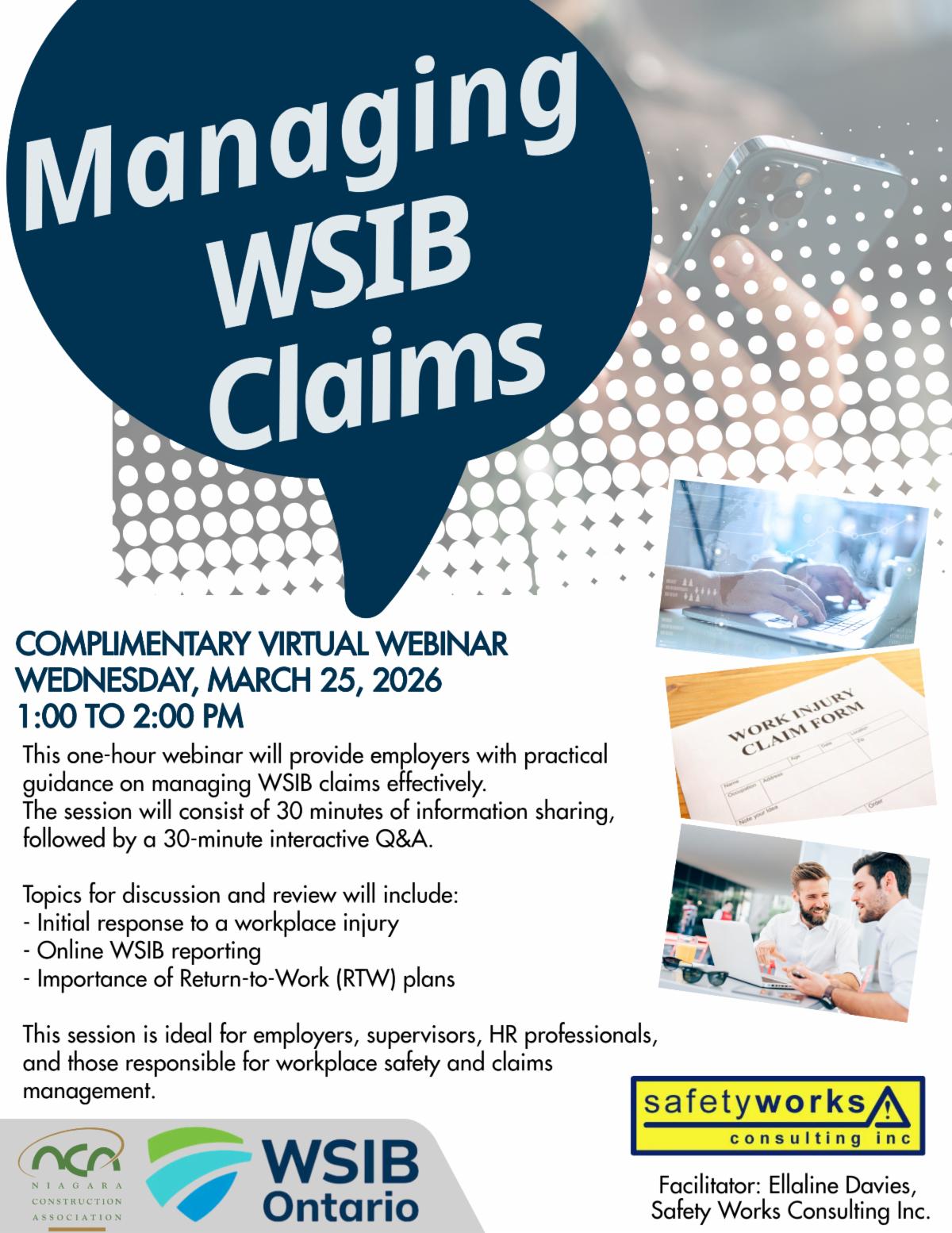
Managing WSIB Claims – Complimentary Webinar
Join the Niagara Construction Association for a complimentary one-hour virtual webinar on Managing WSIB Claims, taking place Wednesday, March 25, 2026, from 1:00–2:00 pm. Facilitated by Ellaline Davies of Safety Works Consulting Inc., this session will provide practical guidance to help employers manage WSIB claims more effectively.
The webinar will include 30 minutes of information sharing followed by a 30-minute interactive Q&A, covering key topics such as initial response to workplace injuries, online WSIB reporting, and the importance of Return-to-Work (RTW) plans.
This session is ideal for employers, supervisors, HR professionals, and anyone responsible for workplace safety and claims management. Register Here
| | |
Risk Assessment: Identifying Hazards Before Work Begins
An effective health and safety program includes a system for identifying, assessing, and controlling hazards in the workplace. Hazards may arise from activities, conditions, or substances and can pose safety or health risks to workers. Tasks that expose workers to higher levels of risk require additional planning through a job or task hazard analysis, completed in consultation with the Joint Health and Safety Committee or Health and Safety Representative, where applicable. Identified hazards and the controls used to reduce risk must be communicated to workers before work begins. Ongoing hazard monitoring, worker reporting, and follow-up help ensure controls remain effective throughout the job.
Click here for IHSA guidance on hazard assessment and control
| | |
Click here for the December edition of the Ministry of Labour, Immigration, Training and Skills Development monthly newsletter.
| | |
Emergency Response Procedures
Ontario Fire Code 2026 – Part 4 (Flammable & Combustible Liquids): The Almost Complete Guide to What Actually Changes on January 1
With January 1, 2026, now at our doorstep, here is a plain-English breakdown of nearly every significant change in Part 4 (O. Reg. 87/25) – Ontario’s first full harmonization with the 2020 National Fire Code in over two decades.
If you store, handle, dispense, or process more than 500 L total or more than 250 L of Class I liquids (gasoline, solvents, ethanol, etc.) in a fire compartment, these rules apply to you starting Day 1.
Click here for a full rundown of what this entails
| |
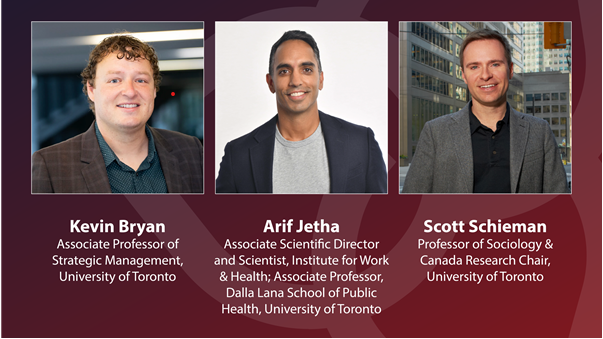
AI: Work, Wellbeing, and What’s Next: A Conversation with Thought Leaders
The Public Services Health & Safety Association recently hosted an expert AI-focused panel discussion. It featured three distinguished thought leaders who brought unique perspectives on the future of work and the role of AI as it relates to health, safety, and wellbeing. The conversation offered valuable insights and practical perspectives on what we can expect from AI now and in the future, how it may impact workplaces—both physically and psychologically—and where opportunity for innovation and efficiency may exist in health, safety, and wellbeing.
Explore how AI is reshaping the workplace—from smarter safety systems to enhanced wellbeing. Join leading experts as they unpack what’s happening now and what’s coming next. You can watch the full panel discussion here
| | |
New Washroom Cleaning Rules: What You Need to Do
Ontario Regulation 480/24, "Washroom Facilities — Records of Cleaning," took effect on January 1, 2026.
This ensures workplace washrooms are cleaned regularly and records are accessible to workers.
Click here for a full rundown of what this entails
| |
February is Heart Health Month
February is Heart Health Month, a time to raise awareness about cardiovascular health and the role it plays in overall workplace safety. Construction work is physically demanding, and factors such as cold weather, long hours, fatigue, and jobsite stress can place added strain on the heart. Taking steps to recognize risk factors, respond quickly to emergencies, and support healthy work practices helps protect workers both on the job and at home. This month’s safety focus highlights practical information and reminders to help crews stay informed and reduce heart-related risks year-round.
| | |
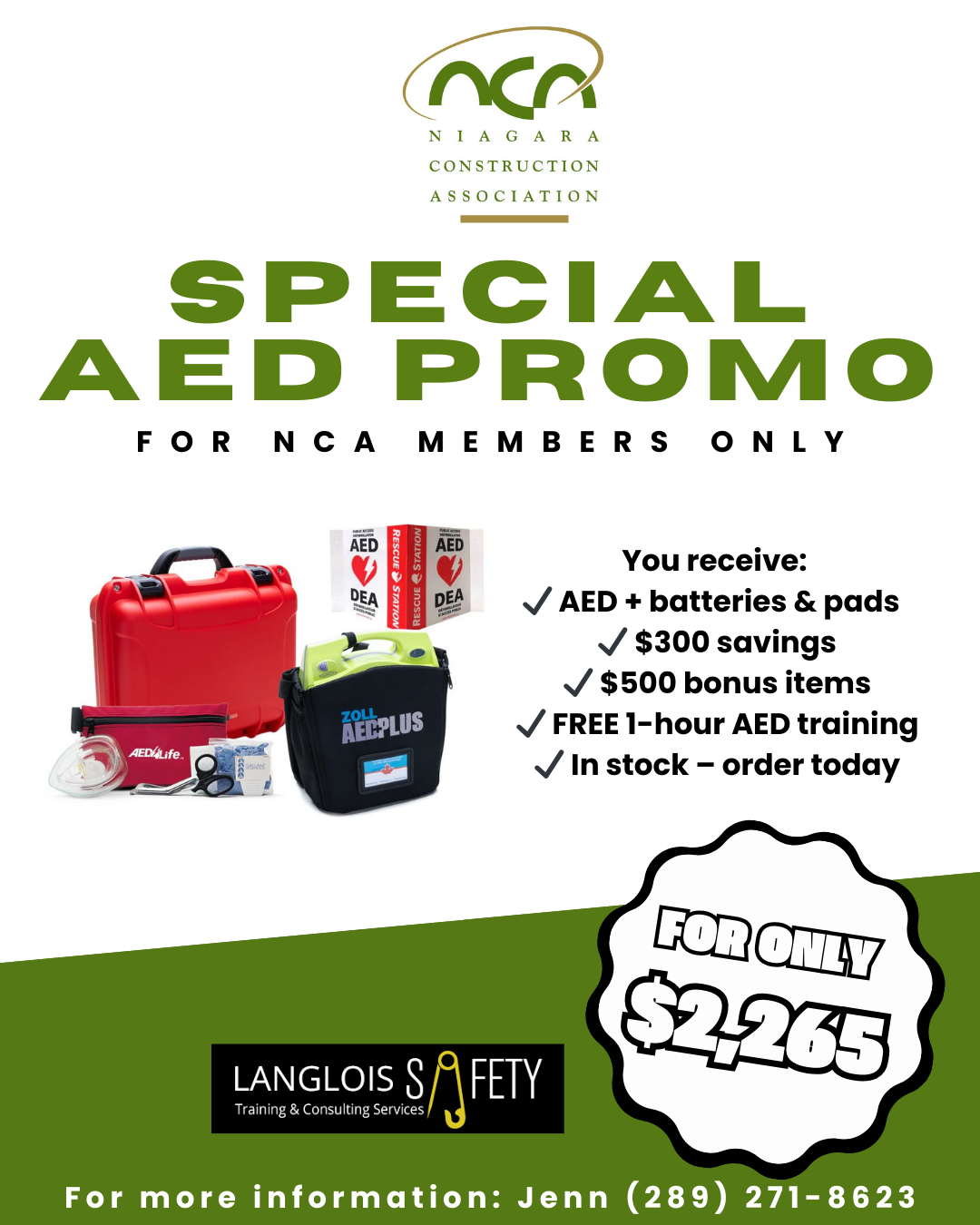
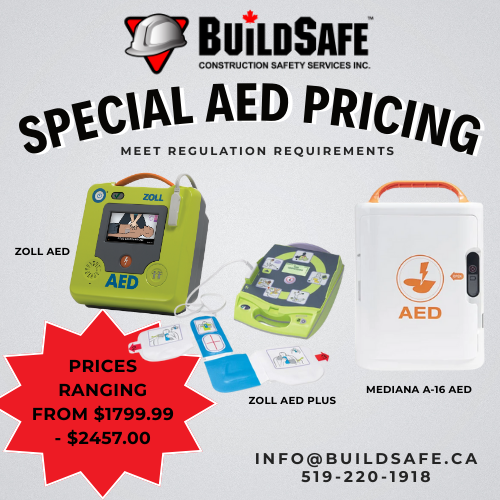
New AED Requirement
On January 1, 2026, a major amendment to Ontario’s Construction Projects Regulation under the Occupational Health and Safety Act (OHSA) took effect.
This change requires construction projects lasting more than three months to install and maintain an Automated External Defibrillator (AED) on-site.
This article explains what the new AED regulation means for employers in Ontario’s construction industry, how to comply, and the legal risks of non-compliance.
| | |
Make your construction site safer and get rewarded—receive up to $2,500 toward an AED with WSIB's new reimbursement program for qualifying Ontario projects. Click here to learn more.
| | Call Jenn for more information: 289-271-8623 | |  | Click here for more information. | | | |
Controlling health risks on construction sites
Exposure to biological or chemical agents used at construction jobsites can lead to serious injuries and illnesses. Assessing these occupational health hazards is critical—and mandatory—to minimize their risk to workers.
IHSA’s new guide, Preventing Exposures to Occupational Health Hazards (M077), helps workplace parties comply with the laws that keep workers safe from harmful levels of exposure. It provides information on the proper assessment and control of designated substances, including through air quality testing and the use of personal protective equipment.
Click here to download the guideline
| | |
Cold Weather + Heart Strain: Winter Work Demands More from the Heart
Winter in Ontario doesn’t just mean snow and ice, it also means extra strain on the heart. Cold temperatures cause blood vessels to tighten and blood pressure to rise, forcing the heart to work harder just to keep blood flowing. On top of that, strenuous activities like snow shovelling or heavy lifting in cold conditions elevate heart rate and cardiovascular workload, increasing the risk of heart-related events on and off the jobsite.
At a time when crews are pushing through winter jobs, it’s important to pace strenuous tasks, take proper warm-ups, and allow frequent breaks so your heart doesn’t labor unnecessarily in the cold. Click here for the Heart & Stroke Foundation’s winter health guide for more tips on staying heart-healthy this season.
| | |
Winter Driving Safety Tips
As we enter the colder and wetter season, it is important that our behaviour on the road changes as well. There are various measures that should be taken to ensure the safety of all on the road.
Having winter tires, sufficient rest before driving, and your seatbelt on at all times are a few things people forget are important for the safety of all when driving.
This article by Transport Canada, includes tips all drivers should remember when driving this winter season.
Here is a playlist containing videos by IHSA about the best practices for safe winter driving
| | |
Heart Attack vs. Cardiac Arrest on the Jobsite
A heart attack and a cardiac arrest are both serious medical emergencies, but they are not the same thing, and knowing the difference can save a life. A heart attack happens when blood flow to a section of the heart is blocked, causing heart muscle damage. Signs can include chest discomfort or pressure, shortness of breath, nausea, sweating, and pain in the arms, jaw, or back. By contrast, a cardiac arrest occurs when the heart suddenly stops beating due to an electrical malfunction, leading to immediate collapse, loss of consciousness, and no normal breathing.
On a construction site, rapid identification and action can make all the difference. If you suspect a heart attack, call 9-1-1 right away and keep the person at rest while waiting for emergency responders. If someone collapses and is unresponsive and not breathing normally, start CPR immediately and shout for an AED — every minute without intervention drastically reduces the chance of survival. Quick response matters especially in jobsite environments where help may not arrive instantly.
Click here to learn more about heart attacks, cardiac arrest, and what to do.
| | |
Heart Attack Warning Signs: A 1-Minute Recovery Check
Understanding how your body responds to physical exertion can provide useful insight into heart health. In this short video, Dr. Berg explains a simple one-minute recovery test that looks at how quickly your heart rate returns toward normal after moderate exercise. Recovery speed is influenced by the autonomic nervous system, particularly the parasympathetic system, which helps the body slow down and recover after physical stress.
The test involves checking your resting pulse, your peak pulse after one minute of moderate exercise, and your pulse again one minute into recovery. Slower recovery may indicate higher cardiovascular strain, while faster recovery generally reflects better fitness and heart resilience. This self-check is not a diagnostic tool, but it can be a helpful prompt to pay attention to heart health and seek medical advice if there are concerns.
Watch the video: “Heart Attack Signs:1 Minute Test” - Dr. Berg
| | |
Nutrition for Long Shifts: Heart-Healthy Lunch Ideas
Packing a heart-healthy lunch doesn’t have to be complicated, especially when you’re working long shifts on the jobsite. Choosing meals with plenty of vegetables and fruit, lean proteins like fish, poultry, beans or eggs, and healthy fats helps support steady energy and heart health throughout the day. Foods high in sodium, such as processed deli meats and packaged meals, can add unnecessary strain on blood pressure, so plan ahead and limit those items when you can. Simple swaps like leafy wraps instead of salty sandwiches or grain bowls with colourful veggies and protein — make great lunch pail options that are both practical and nutritious.
For more fresh ideas and inspiration for packable meals, check out these link from the Heart & Stroke Foundation of Canada:
10 Fresh Ideas for Packed Lunches
Full List of Heart-Healthy Recipes
| | |
Stress on the Job: Mental Strain Isn't Just
"In Your Head"
Workplace stress doesn’t just affect your mood — it hits your heart, too. When we experience mental stress, our bodies react in ways that increase heart strain and reduce our body’s ability to recover. Over time, this can impact both physical health and overall well-being. Recent neuroscience points to heart rate variability (HRV) as a powerful marker of how well we handle stress — the higher your HRV, the better your nervous system can adapt to changing demands at work and in life.
The good news? You don’t need therapy (or a lot of time) to make a difference. Simple, science-backed practices like focused breathing can quickly activate your body’s relaxation response and support heart health. One excellent example is a 5-minute breathing exercise / meditation for improving HRV, featuring Rick Rubin with Dr. Andrew Huberman. It guides you through coherent breathing — a rhythm that helps calm your nervous system and ease stress in just minutes.
Watch the video: 5-Minute Breathing Exercise / Meditation for Improving HRV | Rick Rubin & Dr. Andrew Huberman
| |
Why this works:
- Slow, rhythmic breathing helps balance your autonomic nervous system.
- Improved HRV has been linked to better stress resilience and cardiovascular health.
- 5 minutes is all you need to reset during a break.
Take a moment today to breathe... your mind and your heart will thank you.
| |
Train on Your Time with IHSA eLearning
Take charge of your training with IHSA’s fully interactive eLearning courses. Designed for flexibility and built with engaging multimedia content, these courses let you learn anytime, anywhere—when it works for you.
| | |
MLITSD Ministry of Labour, Immigration Training & Skills Development Report for: January 2026
Click above for full reports (critical injuries, fatalities, Provincial Coordinator's Comment, incidence details and codes, news)
| | |
GAIN THE COMPETITIVE ADVANTAGE OF GOLD SEAL CERTIFICATION - Gold Seal Webinars
The Gold Seal Certification program has been the industry’s most trusted, valued, and reliable certification for those in the management of construction. Gold Seal Certified (GSC) credentials demonstrate your commitment to the profession and your expertise through certifying education, experience, and competency.
Ever wonder what it takes to get Gold Seal Certified?
Find out the answers to these questions and more:
• Do I qualify to write the Gold Seal exam?
• Do I need more experience or training?
• What information do I need to apply?
• What is the application process through the online portal?
Watch a recording of a Gold Seal information session here.
Here are the next dates for this certification:
March 20, 2026
- Time: noon Eastern time.
- Enroll by February 27, 2026.
- For new enrolled applicants and in-progress applicants, the deadline for GSC applications is March 11, 2026.
- The last date for approved GSC applicants to choose this exam date is March 11, 2026.
June 12, 2026
- Time: noon Eastern time.
- Enroll by May 22, 2026.
- For new enrolled applicants and in-progress applicants, the deadline for GSC applications and final reviews is June 3, 2026.
- The last date for approved GSC applicants to choose this exam date is June 3, 2026.
September 18, 2026
- Time: noon Eastern time.
- Enroll by August 28, 2026.
- For new enrolled applicants and in-progress applicants, the deadline for GSC applications and final reviews is September 9, 2026.
- The last date for approved GSC applicants to choose this exam date is September 9, 2026.
November 20, 2026
- Time: noon Eastern time.
- Enroll by October 30, 2026.
- For new enrolled applicants and in-progress applicants, the deadline for GSC applications and final reviews is November 11, 2026.
- The last date for approved GSC applicants to choose this exam date is November 11, 2026.
For more information, click here.
| | NCA Educational & Training courses at the NCA | | |
NCA Training Courses
(membership discounts)
♦ Live Webinars
♦ Online
Please request the most recent training newsletter here.
| | Safety courses created to enhance health and safety awareness and help prevent injures to workers, e.g. Confined Space Safety Awareness, Pipeline Construction Safety Training and more - safety and management courses. Contact us for more information. | |
| Helpful H&S Resources and Information | | Ministry of Labour, Training & Skilled Trades NEWSROOM | | Stay up to date with the latest industry safety news and training by clicking here. | | Check out this valuable resource by clicking here. | |
Check out this valuable resource by clicking here.
| | Click Here for WSIB Newsletter | | |
NCA has made safety awareness a primary initiative for our Association.
We have launched our PATHS initiative, Partners Aligned Together for Health and Safety, formally making a stronger commitment to safety awareness and training.
P.A.T.H.S includes:
- NCA Health & Safety Newsletter
- NCA New Safety Training Partners
- NCA WSIB Health & Safety Excellence Program
- NCA Membership Appreciation Day & Safety/Member Tradeshow
- NCA Safety Resources and Guidelines
- NCA Guidance to become "Supporting Ontario’s Safe Employers" (SOSE) eligible
- NCA Partners with Audit Companies
| | | | |