|
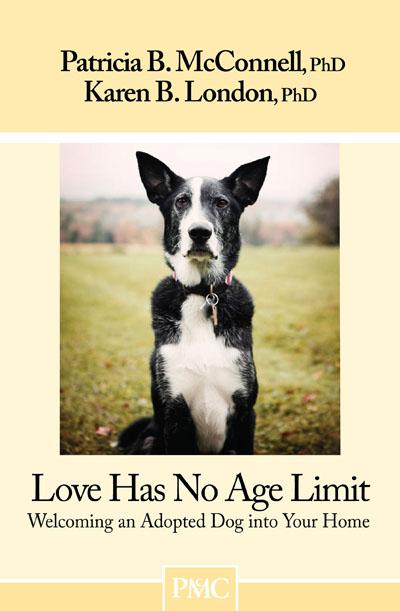
Love Has No Age Limit is a wonderful book that we highly recommend all dog owners read. Whether you are a first time dog owner or have years of experience, everyone can benefit from this book when bringing a new dog into the home. Below is the first chapter on preparation. A link to the book is provided at the end of the chapter.
_______________________________________________________________
PREPARATION
Sometimes a new dog comes into your life unexpectedly, and the best you can do is create a mental "to do" list as you drive home with a bundle of fur in your car. But if you have the chance, preparing for your dog's arrival is time well spent. Being prepared makes the transition smoother and allows you to focus on your new friend rather than on rearranging the house or buying supplies. However, we've both taken dogs home with little advance warning to either foster, adopt, or even just to dog sit, and it's worked out just fine. So, don't panic if you're driving home with a dog unexpectedly- you're not alone. But if you have the luxury of advance notice, here are some things to consider:
Supplies
What most people need for their dogs is simple: a 4 to 6 foot leash (no retractable leashes at first please), a comfortable basic flat collar and an ID tag with your phone number on it, food and water bowls (though you can use anything from your kitchen at first), dog food and a crate or small pen. We'd also add in a few chew toys, especially a hollow one like a Kong that can be stuffed with food, and a variety of treats. These are the basics, and once you have them, the next step is to consider what other items might be good to have around.
Toys are wonderful things, but don't spend a fortune on them right away; wait until you know what your dog likes best. Buy a few toys that represent the most common kinds (perhaps a ball, a plush toy and a squeaky toy) and watch to see which ones, if any, your dog likes best.
If you want your dog to use a crate, you might as well pick one up now. You might not be able to make use of it the first night, but it's still great to have right away so that you can begin to familiarize your dog with it. Similarly, pens, gates, and fences may make life easier, depending on the dog and the layout of your home and yard. Rounding out the list of useful dog items are a dog bed, grooming supplies, poop bags, and an enzymatic cleaner for cleaning up after accidents and preventing them in the future.
Dog-Proofing
Think of "dog-proofing" your house as an insurance policy. Your dog will be safer if you've prevented access to potential hazards, and your house will be safer if you protect it from your dog's powerful jaws. Besides, it's harder to bond with a dog who has just eaten your firstborn's baby book or lifted his leg on the family's heirloom quilt. (Though it's still possible, and we have heard the tales to prove it. Consider these traumas to be material for great stories in the future.)
Decide right away what rooms will be accessible to your new dog. It's smart to start by making only part of the house available, and then to expand that area as you become confident about your dog's bathroom and chewing habits. Perhaps you have a room that is clearly less dog friendly than the rest of the house because it houses an expensive crystal collection, or is full of electronic equipment, and therefore lots of electrical cords. Or perhaps you have a rarely used room that just begs to be snuck into and anointed with urine. Whatever the reason, we recommend that you restrict your dog's access to an area that allows you to keep an eye on her until you know her better. Think of "house privileges" as something that should be earned.
Dog-proofing a home is usually a continuous process that varies with each dog, depending on personality and experience. In the beginning, prioritize your efforts by keeping your dog safe from dangers such as electrical cords, dangerous cleaning supplies, household chemicals, sugar free gum with xylitol (which can be fatal to dogs) and potentially toxic plants, like lilies and philodendrons. Put irreplaceable items, such as photo albums or a toy that a child uses as a security blanket out of reach. If you have other pets, think about where each should be when the new dog enters the house. Let caution be your guide; consider where you'll put the cat to avoid a surprise meeting, and how you'll handle introductions between dogs. (See Coming Home: The First Day for details about introductions to the other animals in your family.)
A substantial amount of dog-proofing a house consists of changing the habits of the people who live there, at least until you know more about what is tempting to your new dog. For example, it's a good idea to get used to removing food and tissue boxes from the coffee table or counter, making leather items such as jackets, shoes, and gloves inaccessible, storing kids' toys off the floor, and remembering to close the doors that block access to areas that, at least for now, are off limits to the dog.
_______________________________________________________________
To read more and purchase this book go to:
https://www.patriciamcconnell.com/store/product/love-has-no-age-limit
|