Linkedin  Facebook  Instagram  X  

March 5, 2025

Around NCSEA

Events & Professional Development

March 6 | 2:00pm - 3:00pm ET

Web Talk Follow-up: Military Child Support and UIFSA

NCSEA welcomes back Col. Mark Sullivan for a discussion and live Q&A on military child support, focusing on UIFSA.

March 13 | 1:00pm - 2:00pm ET

NCSEA Connects: Training

Gaming: it’s not just for teens these days. As the child support program transforms, so must the way we deliver instruction and training. Join us on March 13 to chat about the shift from traditional policy and procedures-based instruction to a more relevant and engaging learning experience. 


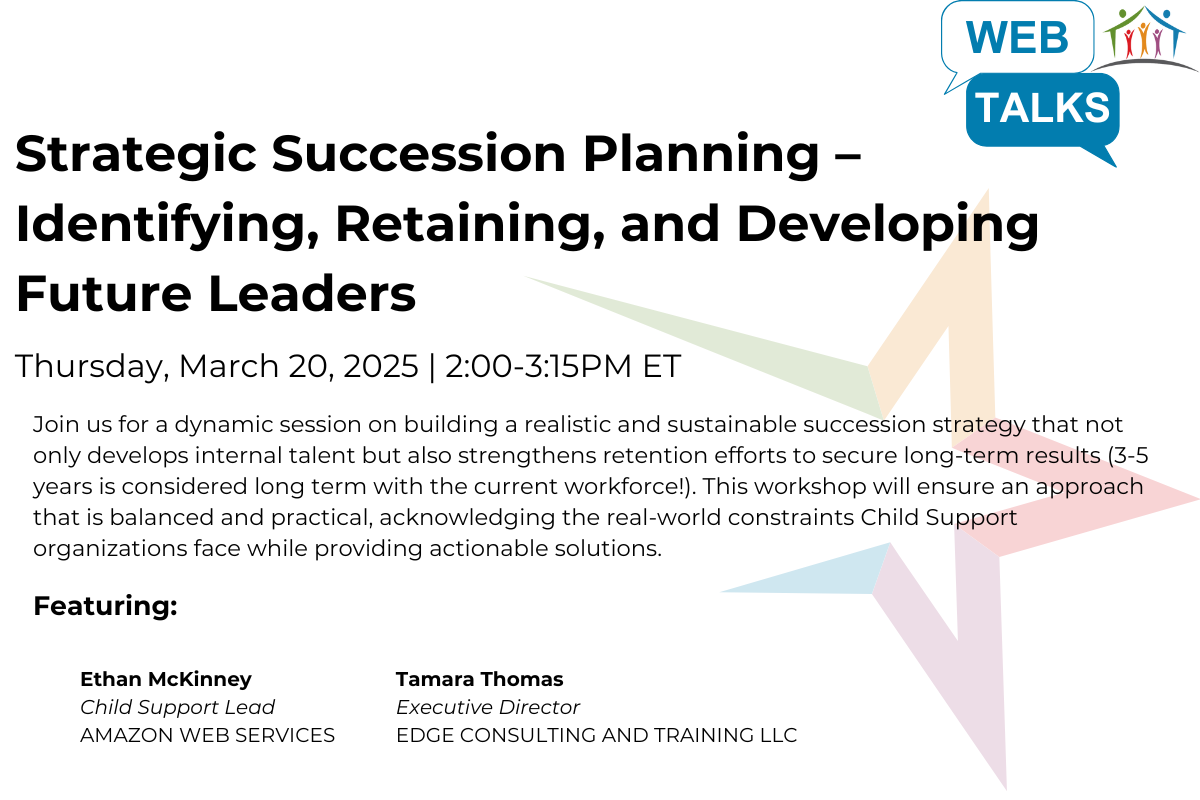
March 20 | 2:00pm - 3:15pm ET

NCSEA Web Talk

Strategic Succession Planning -Identifying, Retaining, and Developing Future Leaders


In the News


Congress is debating stricter SNAP and Medicaid work requirements—but research shows they don’t work

(www.brookings.edu/)


American politics has historically been divided on welfare philosophy, with Republicans and Democrats holding contrasting views on government assistance, what it constitutes, and why we need it, including programs like Supplemental Nutrition Assistance Program (SNAP) and Medicaid. This raises a critical question: Are lawmakers forming policy through evidence-based decisions or through ideological preconceptions about poverty that ignore the complex and harsh realities low-income Americans face?  

A Toolkit for Using Protective Community Resources to Promote Child, Youth, and Family Well-being

(www.childtrends.org/)


All children, youth, and families deserve to live in thriving communities with access to resources that promote and protect their well-being. Yet in the United States, discriminatory policies and practices in housing, health care, and other determinants of well-being continue to limit access to vital protective resources for many children, youth, and families. To address these disparities, we must first identify which community resources children, youth, and families themselves view as protective—both those they currently have access to and those they lack but desire.

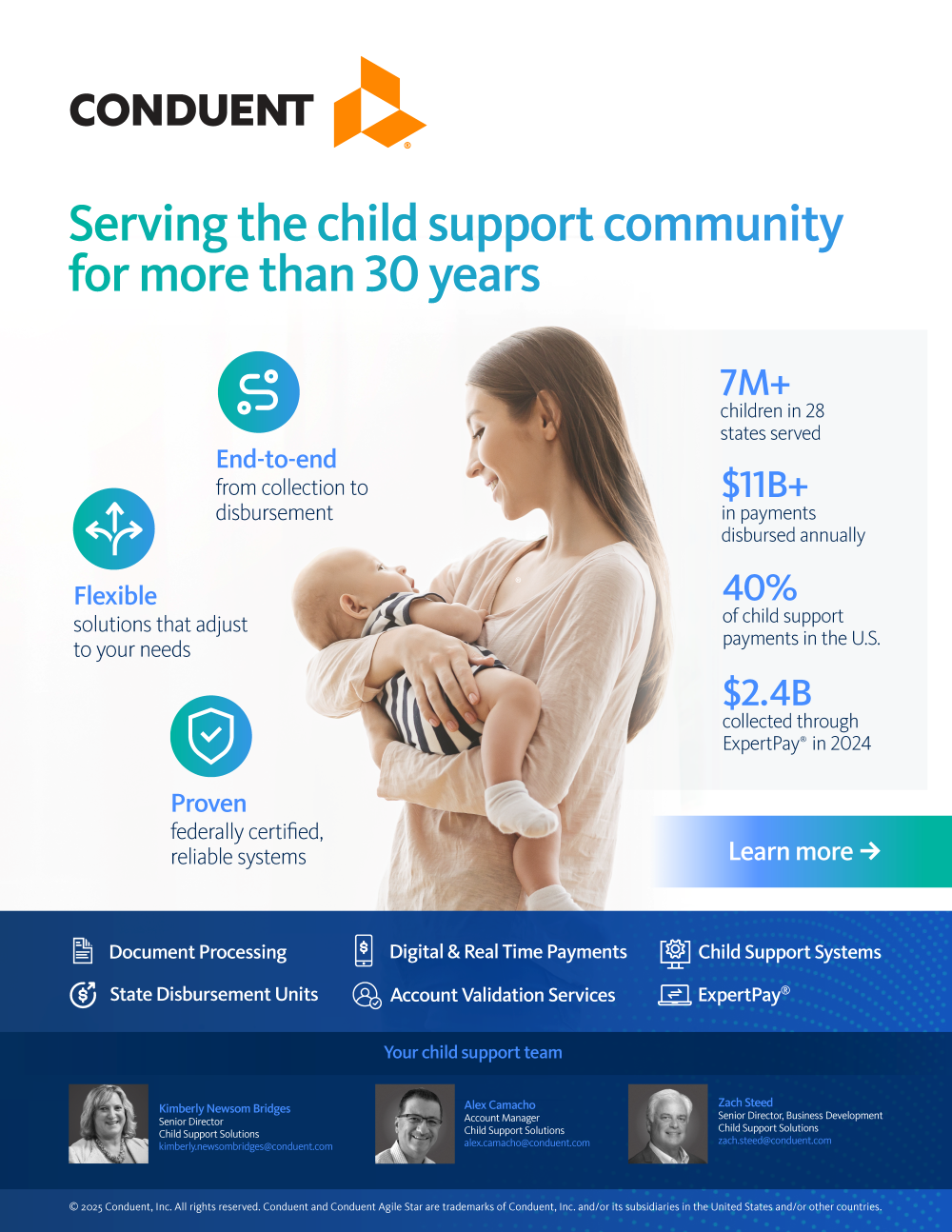
CORPORATE PARTNER SPOTLIGHT


NCSEA | www.ncsea.org
 
Linkedin  Facebook  Instagram  Twitter