| |
Navigating Excellence - Parent Center Assistance & Collaboration Team
Region A E-News
| | Message From Diana & Jeannette | |
Dr. King’s words call us back to what is steady and unshakeable: our commitment to families, our belief in fairness, and our responsibility to keep moving forward— no matter the pace.
Some days we move with momentum. Other days we move with intention. And on the hardest days, we move inch by inch. But we move. Together.
Parent Centers have always been a source of strength, clarity, and advocacy for families — and that doesn’t change because the world around us shifts. If anything, it makes our work more essential. Our progress may look different from moment to moment, but every step we take continues to open doors, build trust, and create pathways for the families we serve.
So we move forward— with courage, with community, and with the unwavering belief that our collective work matters. And just as Dr. King taught, forward is forward.
| | |
|
Long Island Advocacy Center (LIAC) Partners with NYSED to Launch Updated Parent Guide: LIAC partnered with the New York State Education Department and the Family and Community Engagement Centers to celebrate the release of the newly updated NYSED Parent Guide. Following the presentation, several parents reached out for more information, reflecting strong interest and engagement. The guide, which has been a resource for over 30 years, has now been refreshed to be more accessible and user‑friendly. Access the guide here.
Maine Parent Federation (MPF) and Riding to the Top: We want to highlight MPF’s partnerships with Riding to the Top, a unique equine therapy program. Over the last year they have begun working with the Department of Labor, Vocational Rehabilitation team to offer a version of Pre-Employment Transition Services. This spring, a group of students with IEPs and 504 plans will spend one day a week on a horse farm learning essential life skills and engaging in guided conversations about their future career aspirations. Students build confidence, responsibility, and trust without it feeling like a lesson, learning how to show up, follow through, stick to a schedule, and work through tasks in a very real and grounded way. This partnership, supported by MPF, demonstrates how hands-on experiences can empower students while connecting them to their future career goals and personal growth.
| | | |
Upcoming Events/Dates to Remember | |
Region A Drop-In Call: The next Drop-In call will take place on Tuesday, February 3, 2026 from 10:00 AM - 12:00 PM EST. During this session, the Collective Impact workgroups will join from 10:30 to 11:30 AM in breakout rooms to encourage collaboration and discussion among participants. This is a great opportunity for members to connect, share ideas, and strengthen partnerships across the region. Join the call here.
CPIR Calendar: Don’t forget to check out the HUB Central Events calendar at the Center for Parent Information and Resources (CPIR) for more webinars and events.
| | | |
Non-Profit Management Resources | A Step by Step Guide to Change Management: The Nonprofit Risk Management Center features this concise step by step guide to ensuring that your nonprofit can move successfully through change. Check it out here. | | | |
Family-Centered Services Resources | Family Resilience and Traumatic Stress: This brief guide, written for mental health professionals, provides an overview of family resilience, traumatic stress that can impact family functioning, the characteristics that contribute to family resilience, and how providers can support family resilience. Check it out here. | | | |
Youth-Centered Services Resources | National Disability Leadership Series: Apply for this fully online, 10-month program for disabled young adults (ages 18–30), family members of disabled youth (birth–30), and professionals supporting disabled youth. Participants will engage in interactive sessions on inclusion, advocacy, community organizing, transition to adulthood, meaningful work, and relationships, with mentorship, professional presentations, and group projects. Accessibility supports include captioning, ASL interpretation, plain language materials, and Spanish translation. Apply by February 15, 2026, to gain leadership skills and a Certificate of Completion. Learn more and apply here. | | | |
Staff Development Resources | Nonprofit Leadership Development Toolkit: Bridgespan offers this free nonprofit leadership development toolkit that you can use for staff development. Check it out here. | | | |
Students are missing a lot more school. Why chronic absenteeism may be here to stay: Chronic absenteeism has decreased from its peak in 2021-22, but it’s still 50% higher than before the pandemic. Read more here. | | | |
English Learners with Disabilities Toolkit: The National Center on Educational Outcomes (NCEO) focuses on the inclusion of students with disabilities, ELs, and ELs with disabilities in instruction and assessments. Their English Learners with Disabilities Toolkit is designed to provide states and individualized education program (IEP) teams with eight tools they can use to better understand their students who are ELs with disabilities, determine in which state assessment (general or alternate) the students should participate, and discover whether accessibility features or accommodations are needed for their participation in any assessment. Access the toolkit here. | | | |
|
Cyber Bullying Twenty Crucial Statistics 2026: Cyberbullying continues to be a major concern for children and teens. Recent data shows that nearly 60% of U.S. teens have experienced some form of cyberbullying, with about one‑third reporting incidents in just the last 30 days. Online harassment most often occurs on major social platforms and can significantly affect young people’s emotional well‑being and confidence. Read more here.
| | | |
The Child Welfare Crisis: The U.S. child welfare system is facing a growing crisis. While many services exist to support families, they are often disconnected, leaving children vulnerable and families without coordinated help. The article emphasizes the need for stronger community partnerships and unified support systems to keep families together and ensure children receive the care they deserve. Read more here. | | | |
Choice/Charter Schools/Virtual Schools/Voucher Programs | FAQs about the Rights of Students with Disabilities in Public Charter Schools Under IDEA: This resource from the US Department of Education is available here. | | | |
Conscious & Unconscious Biases in Health Care: The Institute of Medicine’s Unequal Treatment highlighted the urgent need to address racial and ethnic bias in U.S. health care. Despite many policy initiatives aimed at reducing disparities, significant gaps in health outcomes persist, with minority populations continuing to experience higher rates of illness and death compared to non-Hispanic White populations. Learn more here. | | | |
Advocacy and Policy Change with Data: Check out the Urban Institute’s resources on this topic here. | | | |
Discipline & Positive Behavior Supports | Three Practices That Support Positive Classroom: Intentionally using practices such as energizers, interactive learning structures, and reinforcing language, teachers can maintain momentum, support positive behavior, and guide students to continue building the self-control and cooperation they need for success. Read more here. | | | |
Rethinking Special Education Dispute Resolution at IDEA’S 50th Anniversary: This report from AASA< the American School Superintendent’s Association, reviews how special education dispute resolution under IDEA has become increasingly adversarial and difficult for families and schools. It highlights inequities in the current system and calls for more collaborative, accessible approaches—such as improved early‑resolution options and better‑trained hearing officers—to better support students and families. Read more here. | | | |
Effective Strategies: The National Dropout Prevention Center outlines 15 research‑based strategies proven to reduce dropout rates and keep students engaged in school. These strategies address academic support, school climate, family engagement, and community partnerships. Because students leave school for many different reasons, the Center emphasizes that effective prevention requires multiple, coordinated approaches that work together to meet the needs of youth—especially those at highest risk. Read more here. | | | |
Early Childhood/Early Intervention | |
What will Early care and education hold in 2026: Early childhood and Head Start programs are facing a challenging 2026. Level funding in the federal budget functions like a cut because costs continue to rise, and Head Start is already experiencing disruptions such as office closures, staffing losses, and delays in payments and grant renewals. At the same time, proposed eliminations of key programs like PDG B‑5 and CCAMPIS would weaken state early childhood systems and reduce support for families. Read more here.
| | | |
Research Evidence Against Dismantling the US Department of Education: The Education Law Center features this article on research evidence against dismantling the US Department of Education. Check it out here. | | | |
|
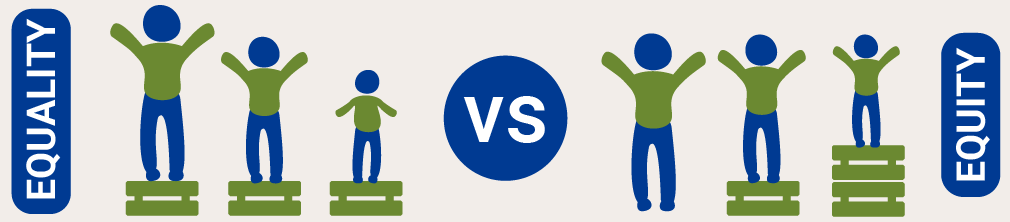
Equity in Education: Understanding Equity in the Classroom: The terms “equity” and “equality” are sometimes used interchangeably. However, while these terms might sound alike, they refer to different concepts. Aspiring educators should understand the distinctions between equity and equality in order to create learning environments where both are embraced. Learn more here.
| | | |
|
State Senator Discusses Georgia’s Latest Effort to Better Support Foster Youth: A Georgia state senator recently highlighted new efforts to strengthen support for foster youth, focusing on improving stability, expanding services. The discussion also underscored concerns about compliance with HB 268, a 2025 law requiring schools to immediately enroll students in foster care even without complete records. Reports show ongoing delays in enrollment and challenges with credit transfers when students change schools, creating additional barriers for youth already facing instability. While this article focuses on Georgia, the issues addressed are common across the nation. Read more here.
| | | |
Grandparents as Caregivers | Supporting Grandchildren with Disabilities A Comprehensive Guide for Grandparents and Caregivers in Intergenerational Relationships. Very informative! Read more here. | | | |
Medicaid and Children’s Health: 5 Issues to Watch Among Recent Federal Changes: Check out this analysis by the Kaiser Family Foundation here. | | | |
|
Homeless Youth Say They Need More From Schools, Social Services: Read this Stateline article summarizing the research that suggests missed opportunities to intervene before a young person reaches a shelter here.
| | | |
50 years after the birth of special education, some fear for its future under Trump: Fifty years ago, just after Thanksgiving of 1975, President Gerald Ford signed the Education for All Handicapped Children Act, the landmark law that created special education as it exists today, and guaranteed all children with disabilities the right to a "free appropriate public education." Read more here. | | | |
Teaching U.S. Immigration Resources: The Immigrant Learning Center Public Education Institute’s Teaching U.S. Immigration Series is a growing collection of free lesson plans and tools for teachers looking to incorporate immigration into their curricula. Since migration touches every part of life, it is relevant to almost any subject matter. These resources make it easy for educators to explore immigration as it relates to existing social studies topics. Each set of lesson plans can be adapted for middle through high school. Learn more here. | | | |
|
Every child matters: What principals need to effectively lead inclusive schools: Schools navigate the daily realities of creating inclusive environments that support dignity and belonging for all learners. Students, educators, support staff, and principals are often on the front lines of inclusion in their communities. A research team from the Canadian Research Centre on Inclusive Education recently completed a study examining these experiences. The team gathered insights from 285 principals and vice-principals working in schools committed to the full participation of all learners, as defined by national education guidelines. Learn more here.
| | | |
Juvenile Delinquency/Juvenile Justice | Ohio Courts Serve as Models for Helping Vulnerable Youth: Children involved with both the child welfare system and juvenile courts tend to be at risk for future problems in the justice system. Successes in Ohio courts to better assist these youth are being commended and shared nationally as models. Read more here. | | | |
|
What’s at Stake as the Supreme Court Takes Up Transgender Sports Bans: The Supreme Court is reviewing cases that could impact the participation of transgender athletes in sports, raising important questions about civil rights, equality, and inclusion. This article from the ACLU provides an overview of the legal context, potential implications, and why this issue matters for the LGBTQ+ community. Find it here.
| | | |
Overcoming Mental Health Barriers in the Workplace: There’s a persistent workplace myth that mental health care and productivity are opposites. If we spend too much time focusing on our wellbeing, the myth goes, we won’t have as much time to actually do our work. That myth is just one of many barriers to employee wellbeing. Learn more at here. | | | |
Military Families & Youth | Raising a Neurodivergent Child in Military Life: In civilian life, stability serves as an anchor for neurodivergent children. In military life, stability is a pipe dream, one routinely overruled by mission requirements. Read more here. | | | |
|
Language is Medicine: Navajo Researcher tackles speech delays in Native American Communities: Language is Medicine is both the name of the study and the intervention. The approach uses evidence‑based strategies typically used by speech therapists with infants and toddlers. Instead of a clinical setting, the program trains tribal home visitors—community members who already speak the language and work closely with families—to apply these speech‑therapy‑informed skills in their everyday visits. Learn more here.
| | | |
Parent/Family Engagement (and Youth!) | Family Engagement in the Transition Process: Family engagement is crucial during the transition process. Meaningful family engagement can positively impact children and youth’s health, development, academic, and well-being outcomes into adulthood. Read more here. | | | |
With the Child Poverty Rate Expected to Climb, New Efforts Emerge to Respond: Read this piece in The74 about how states, philanthropic organizations, and advocacy groups are mobilizing to address childhood poverty here. | | | |
Congress Reintroduces Bill to Curb Restraint and Seclusion in Schools: The Keeping All Students Safe Act aims to establish a consistent national framework to address harmful practices. Read more here. | | | |
Social-Emotional Learning | SEL in the Crosshairs: The Political and Cultural Wars that Shaped SEL’s Past, Define its Present, and May Hold the Key to Its Future: Read this piece in the Harvard Education Press here. | | | |
The Accessibility Crisis of 2026: What No One Wants to Admit: Innovation is speeding up, but disabled people are the ones paying the price. Every January, the internet fills with glossy predictions about the future - tech trends, workplace trends, fashion trends, AI trends. But there’s one category that rarely makes the list, even though it affects millions of people every single day: Accessibility. Learn more here. | | | |
Transition to Adult Life/Youth | Building a Better Future: Funding, Tech and the Special Education Workforce: In the inaugural episode of CEC’s new podcast, Rewriting the Narrative, host Ben Tillotson, CEC President-Elect, sits down with Dr. Danielle “Dani” Kovach and Glenna Wright-Gallo for a candid conversation about what it will take to create a stronger, more sustainable future for special education. Check it out here. | | | |
Racism as Trauma: A Pediatric Mental Health Perspective: Check out the Reach Institute’s mental health blog on this topic here. | | | | |
ABOUT THE REGION A PARENT TECHNICAL ASSISTANCE CENTER
The Navigating Excellence-Parent Assistance and Collaboration Team (NE-PACT), the Region A Technical Assistance Center, provides technical assistance to federally-funded parent centers -- Parent Training and Information Centers (PTIs) and Community Parent Resource Centers (CPRCs) - NEPACT Logo located in the states of CT-AFCAMP, CT-CPAC, DC-AJE, DE-PIC, MD-PPMD, ME-MPF, MA-FCSN, NH-PIC, NJ-SPAN, NJ-ASCF, NY-AFC, NY-CIDA, NY-LIAC, NY-UWS, NY-Starbridge, NY-INCLUDEnyc, NY-Sinergia, NY-PNWNY, PA-HUNE, PA- ME, PA-PEAL, PR-APNI, RI-RIPIN, VI-DRVI and VT-VFN. These Parent Centers are independent non-profit organizations. We also provide support to emerging parent centers and parent organizations serving families of children with or at risk of being identified as having disabilities. In addition, we work with early intervention and education agencies (local, state and federal level) seeking information regarding best practices in involving parents of children with disabilities in systems improvement.
The center activities are specifically designed to:
- Enhance the capacity of parent centers to provide effective services to families of children with special needs and to work effectively with their states to improve special education and early intervention systems; and,
- Facilitate their connections to the larger technical assistance network that supports research-based training, including educating parents about effective practices that improve results for children with disabilities. For more information click here.
| | | | |