| |
Navigating Excellence - Parent Center Assistance & Collaboration Team
Region A E-News
| | |
Inspirational Quote
"Summer is a state of mind" - Unknown
| | | Message From Diana & Jeannette | |
As summer rolls in, it’s the perfect time to pause, recharge, and soak up the sun. Whether you’re answering calls, planning a training, or just enjoying a sunny moment, remember the ripple effect of the work you do.
Your commitment to families shines brightly in every season. Take time to enjoy a vacation with your loved ones, you’ve earned it!
We look forward to seeing many of you at the OSEP Conference!
| | |
Parent Information Center of Delaware (PIC of DE): Congratulations to Meedra Surrate, Executive Director of the Parent Information Center of Delaware, on her recent interview highlighting her advocacy for children with special needs in Delaware schools. Through her leadership, PIC of DE supports families navigating educational challenges and works to improve access to resources and services. For more details, read the full article here. | | | |
Upcoming Events/Dates to Remember | |
Region A Drop-in Call: The next Drop-In call is scheduled for Tuesday, September 2, from 10:00 AM to 12:00 PM EST.
2025 NE-PACT Region A Conference - Call for Proposals & Registration Now Open: NE-PACT, the Region A Parent Technical Assistance (TA) Center, is hosting the 2025 NE-PACT Region A Parent Center conference with Project Directors, Executive Directors, and key staff from October 28 to 30 at the Courtyard Marriott Inner Harbor in Baltimore, MD, for this year’s conference: "Collective Impact in a Divided and Rapidly Changing Environment." The conference will explore: Technology use across service tiers, Advocacy and skill-building in today’s landscape, and Building staff and organizational capacity. Board members are also welcome!
Submit a Proposal by August 1: We are seeking presentations that highlight cross-sector partnerships, promising practices, or offer interactive learning. The proposal deadline has been extended to August 1. Final materials for Workshops are due: October 3, 2025. Submit here.
Registration Details:
- $275 until September 4 (5:00 p.m.)
- $325 from September 4 (after 5:00 p.m.) to September 15
- Includes sessions, materials, and lunch (Tues–Thurs); lodging and dinner not included
- Lodging: $159/night (plus taxes and fees (17.5% tax) at Courtyard Marriott Inner Harbor
NE-PACT attendees: Email Dr. Lanisha Makle-Ridley at lmakleridley@spanadvocacy.org for the promo code to waive your registration fee. Register here.
2025 OSEP Conference: The annual OSEP Conference will take place on August 5-6, 2025, at the Crystal Gateway Marriott Hotel in Arlington, Virginia. We look forward to seeing you at the conference! Safe travels.
CPIR Calendar: Don’t forget to check out the HUB Central Events calendar at the Center for Parent Information and Resources (CPIR) for more webinars and events.
| | | |
Family-Centered Services Resources | 4 Best Practices for Connecting Families to Community Resources: Parent Powered provides these tips for connecting families to community resources, from Building your Resource Web and Thinking About the Whole Caregiver, to Messaging Matters and Making it Easy. Check it out! | | | |
Youth-Centered Services Resources | Adulting Shorts: Let’s Talk About Getting Your Teen Ready for a Job: This comic from UMass Chan’s Transitions to Adulthood Center highlights how Pre-Employment Transition Services (Pre-ETS) help youth with disabilities ages 14–22 explore careers, build job-readiness skills, and prepare for life after school. Read it here. | | | |
Staff Development Resources | Free Online Training for the Nonprofit Professional: Nonprofit Ready has more than 600 learning resources to help you and your nonprofit do more good. Just sign in and create your free account, and start learning! | | | |
|
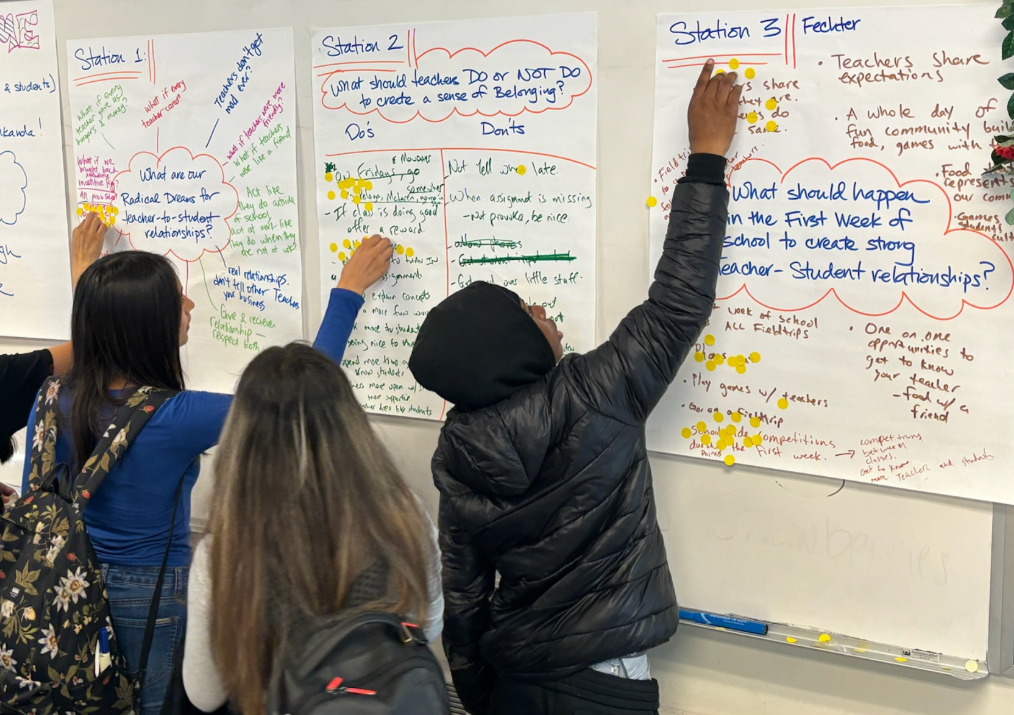
With high schoolers’ help, UC Berkeley researchers investigate why so many students are chronically absent: The multi-year project partners with San Francisco students to design and interpret studies exploring chronic absenteeism and think about how young people can be part of the solution. Read more here.
| | | |
|
What are effective screening practices for multilingual learners? Bilingual learners who receive early intervention tailored to their needs are more likely to achieve reading success in both languages. Bilingual screening gives educators a more complete understanding of multilingual students’ reading ability and helps them support multilingual students' learning needs. Learn more here.
| | | |
STOMP Out Bullying: STOMP Out Bullying is the leading national nonprofit dedicated to changing the culture for all students. It works to reduce and prevent bullying, cyberbullying and other digital abuse, educates against homophobia, LGBTQ+ discrimination, racism and hatred, and deters violence in schools, online and in communities across the country. STOMP Out Bullying promotes civility, diversity, inclusion, equity and equality. It teaches effective solutions on how to respond to all forms of bullying, as well as educating kids and teens in school and online. It provides help for those in need and at risk of suicide, and raises awareness through peer mentoring programs in schools, public service announcements by noted celebrities, and social media campaigns. Learn more here. | | | |
Child Welfare League of America: Child Welfare League of America (CWLA) provides direct support to agencies that serve children and families, improving the quality of the services they provide to more than nine million children every year. Through its programs, publications, research, conferences, professional development, and consultation, CWLA speaks with authority and candor about the status and the needs of American children, young people, and families. Check out their resources and trainings here. | | | |
Choice/Charter Schools/Virtual Schools/Voucher Programs | Three Things to Know about School Choice in the Big Beautiful Bill: K-12 Dive has an overview of the school choice provisions in this legislation here. | | | |
Cultural and Linguistic Competence Assessment for Respite Organizations (CLCARO): Organizational self-assessment is a necessary, effective, and systematic way to plan for and incorporate cultural and linguistic competence in respite services planning, delivery, implementation, advocacy, and evaluation. The Cultural and Linguistic Competence Assessment for Respite Organizations (CLCARO) and the Guide for Using the Cultural and Linguistic Competence Assessment for Respite Organizations were prepared for ARCH by the Georgetown University National Center for Cultural Competence. Learn more here. | | | |
10 Data Visualization Examples: Check out examples of ways to display/visualize data here. | | | |
Discipline & Positive Behavior Supports | |
States balance supports and discipline to address troubling student behaviors: A host of proposals and new laws aim to allow or ban corporal punishment, remove “violent” students from classrooms, and restrict preschool suspensions. Read more here.
| | | |
Quick Guide to Special Education Dispute Resolution for Parents: This guide provides a complete overview of the special education process. | | | |
Oklahoma City schools implements prevention system to address increasing dropout rates: Oklahoma City Public Schools is implementing a comprehensive dropout prevention system to combat its increasing student dropout rates. Read more here. | | | |
Early Childhood/Early Intervention | Early Intervention Family Outcomes Data: Want to know about the 2022 EI Family Outcomes results across the nation? Check it here. | | | |
|
One Big Beautiful Bill Act Fails Students and Our Education System: One American summarizes some of the key provisions of OBBA relating to education here.
| | | |
The Pros and Cons of DEI in Education: Diversity, equity, and inclusion (DEI) initiatives have become integral to educational institutions across the United States. DEI aims to foster environments where all students can thrive regardless of their backgrounds. The programs are designed to address systemic inequalities, promote representation, and create inclusive spaces for learning. However, as DEI becomes more prevalent, it also faces scrutiny and debate regarding its effectiveness, implementation, and impact on educational outcomes. Read more here. | | | |
|
Foster Care Settings: Children and youth thrive when they can live safely with their families in their communities. However, when home environments are not safe, children and youth may temporarily live in out-of-home placements known as foster care. There are several types of foster care settings, with the preferred option being placement with relatives, also known as kinship care. When placement with family is not an option, children and youth may live with nonrelative caregivers. Learn more here.
| | | |
Grandparents as Caregivers | Supporting Grandchildren with Disabilities: A comprehensive guide for grandparents and caregivers in intergenerational relationships. Very informative! Find it here. | | | |
How to Empower Students with Disabilities in a School Setting: Supplemental Health Care offers an overview of the health-related issues facing students with disabilities in school settings here. | | | |
Rental Assistance Time Limits Would Place More Than 3 Million People at Risk of Eviction and Homelessness: A proposal by the Trump Administration to cut off rental assistance after two years even if participants still can’t afford rent on their own would put over 3 million people, more than half of them children, at risk of eviction and homelessness. Most of these people are in households that include someone who works but doesn’t earn enough to afford the rent. Everyone should have a safe, stable, affordable place to live. Expanding rental assistance would bring us closer to this goal, while imposing arbitrary limits that take assistance away from people who need help paying the rent would take us in the wrong direction. Learn more here. | | | |
|
Special education enrollment climbs to nearly 8M: Data suggests the number of students with disabilities between ages 3 and 21 could increase by about 1 million between 2021 and 2025 if current trends continue. Find it here.
| | | |
Daily State of Play: Trump’s Indefinite Refugee Ban and Funding Halt: This resource provides daily updates from the CWS policy team in your inbox on the latest policy changes; the morning’s headlines on key issues impacting refugees and immigrants; and updated tools to take action. Learn more here. | | | |
Building and Sustaining Inclusive Educational Practices: The U.S. Department of Education is issuing this guidance to provide State educational agencies (SEAs), local educational agencies (LEAs), schools, educators, and members of the public with a better understanding of the Elementary and Secondary Education Act (also known as the Every Student Succeeds Act) and the IDEA requirements and guiding principles to support the implementation of inclusive educational practices for students with disabilities. Access guidance here. | | | |
Juvenile Delinquency/Juvenile Justice | Why are we backsliding on Juvenile Justice: Over recent decades we’ve moved toward a much more effective and humane system to deal with youth crime. Evidence and research, not hyperbole and hysteria, should be guiding today’s debate. Read more here. | | | |
Glossary of LGBTQIA+ Definitions: This comprehensive glossary from UMass Chan’s Transitions to Adulthood Center offers clear, affirming definitions of key LGBTQIA+ terms like “asexual,” “cisgender,” “nonbinary,” and “two spirit” to support culturally competent mental health care for queer youth and young adults. Find it here. | | | |
Rural mental health: 60 million Americans live in rural areas. Many influences on the mental health of rural residents must be taken into account, such as stigma, access to care, resilience, isolation, cultural perspectives, technology, telehealth, and mindful living. Read more here. | | | |
|
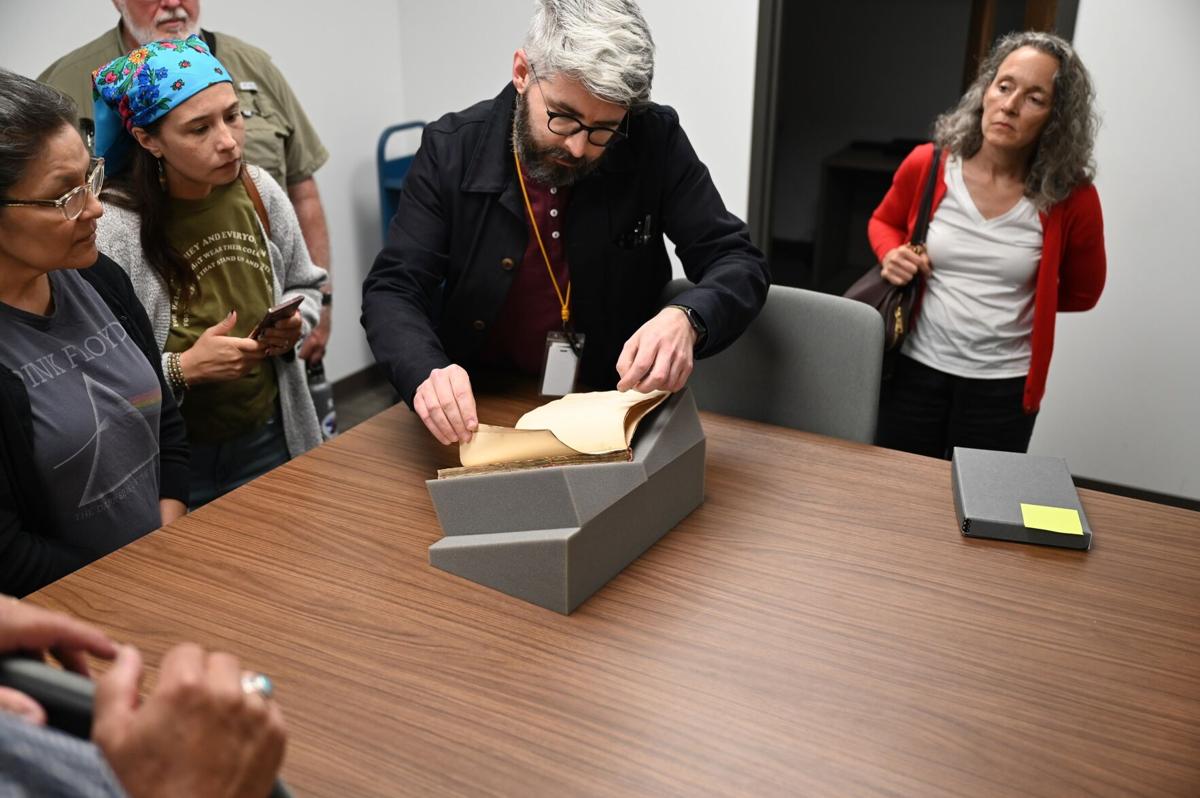
Cultural Artifacts Fortify Bonds to Cherokee Identity: Preserving and promoting our Cherokee culture is a multifaceted mission rooted in carrying forward our most important Cherokee values as we grow stronger as a nation. Every contribution, large or small, helps sustain our identity and ensures our stories endure for generations to come. Read more here.
| | | |
Parent/Family Engagement (and Youth!) | |
Parent Involvement vs. Parent Engagement: Check out this Annie E. Casey Foundation blog on the difference between parental involvement and parental engagement here.
| | | |
|
Childhood Poverty in the US: The United Way of the National Capitol Area published this blog on childhood poverty in the US here.
| | | |
Social-Emotional Learning | CASEL’s Letter in Response to the Department of Education’s Supplemental Priorities: The Collaborative for Academic, Social, and Emotional Learning (CASEL) submitted comments on the U.S. Department of Education’s Proposed Supplemental Priorities addressing the harmful mischaracterization of social and emotional learning. CASEL underscored the role of social and emotional learning as a nonpartisan, evidence-based strategy essential to improving literacy, supporting student well-being, and promoting long-term academic success. Read full comments here. | | | |
Navigating the Sea of Accessibility Regulations Under Your Radar: Accessibility laws are tightening while most sites remain non-compliant. Legal and financial risk is growing, especially for vendors and the public sector. Progress in improving digital accessibility compliance in the customer experience space has been grindingly slow. Read more here. | | | |
Transition to Adult Life/Youth | After the graduation walk come critical next steps for young people with disabilities: For students with disabilities, “school” may not end with the senior year, and districts are increasingly offering options beyond the classroom. Read more here. | | | |
Helping Children and Adolescents Cope with Traumatic Events: The National Institute of Mental Health shares this resource on helping children and adolescents cope with traumatic events here. | | | | |
ABOUT THE REGION A PARENT TECHNICAL ASSISTANCE CENTER
The Navigating Excellence-Parent Assistance and Collaboration Team (NE-PACT), the Region A Technical Assistance Center, provides technical assistance to federally-funded parent centers -- Parent Training and Information Centers (PTIs) and Community Parent Resource Centers (CPRCs) - NEPACT Logo located in the states of CT-AFCAMP, CT-CPAC, DC-AJE, DE-PIC, MD-PPMD, ME-MPF, MA-FCSN, NH-PIC, NJ-SPAN, NJ-ASCF, NY-AFC, NY-CIDA, NY-LIAC, NY-UWS, NY-Starbridge, NY-INCLUDEnyc, NY-Sinergia, NY-PNWNY, PA-HUNE, PA- ME, PA-PEAL, PR-APNI, RI-RIPIN, VI-DRVI and VT-VFN. These Parent Centers are independent non-profit organizations. We also provide support to emerging parent centers and parent organizations serving families of children with or at risk of being identified as having disabilities. In addition, we work with early intervention and education agencies (local, state and federal level) seeking information regarding best practices in involving parents of children with disabilities in systems improvement.
The center activities are specifically designed to:
- Enhance the capacity of parent centers to provide effective services to families of children with special needs and to work effectively with their states to improve special education and early intervention systems; and,
- Facilitate their connections to the larger technical assistance network that supports research-based training, including educating parents about effective practices that improve results for children with disabilities. For more information click here.
| | | | |