|
|
Navigating Excellence - Parent Center Assistance & Collaboration Team
Region A E-News
| |
|
Inspirational Quote
“Real change, enduring change, happens one step at a time.” ~ Ruth Bader Ginsburg
| | |
Message From Diana & Michele | |
We do big work, we do important work, we do work that sometimes feels overwhelming and hard to sustain. And yet we keep putting one foot in front of the other, step by step, continuing the movement toward real, enduring change. We feel so privileged to walk with you on that journey!
| | |
Parent Information Center of DE (PIC): Take a look at the TRANSITION Focus Groups with Samtra Devard, Transition Coordinator at Parent Information Center (PIC). These sessions, an example of youth engagement efforts, aim to enhance collaboration and support youth development during the transition from school to adulthood. Participants can discuss their IEP experiences, needs, and questions, while receiving valuable technical assistance and sharing input. | | | |
Upcoming Events/Dates to Remember | |
Region A Drop-In Call: The next Drop-in call will take place on Tuesday, November 5, 10:00 am - 12:00 pm, EST. Our featured technical assistance presenter will be Mari Matthews, Center for IDEA Fiscal Reporting (CFIR).
NEPACT General AI Session: Joe LaBelle of the Family Network on Disabilities hosted the NEPACT General Artificial Intelligence Session on October 15, from 10:00 to 11:00 AM. The session provided an overview of AI and explored how Parent Centers could use these tools to support families, staff, and guide their work. Recordings in both English and Spanish are available: 2024 NE-PACT AI Webinar
2024 NE-PACT Collective Impact Workgroups: The forum will take place on November 19-20, 2024, at the Sheraton Hartford Hotel at Bradley Airport. The event, intended for key Parent Center decision-makers, will run from 12:00 p.m. on November 19 to 3:00 p.m. on November 20. Attendees will be assigned to two workgroups and must stay with their group throughout the forum. More details on the agenda will be communicated.
2023-2024 Parent Center Data Collection: It’s that time of year again! The CPIR and National RAISE Center are combining OSEP and RSA data collection requirements into one process, similar to last year. All Parent Centers should have received an email with instructions for Part 1 and Part 2. Part 1 is due Friday, November 22, and Part 2 is due Wednesday, December 18. This page provides the tools needed for collecting and submitting data for the 2023-2024 program year (October 1, 2023 – September 30, 2024), along with supporting materials and an FAQ page. CPIR will host the final Data Collection Drop-In Call for assistance on November 13, all at 2:00 p.m. ET. Follow this link to join the call.
2025 National Parent Center Conference: We are pleased to announce a Call for Proposals for the 2025 National Parent Center Conference, themed "The Power of Parent Centers: Driving Positive Change." This event will bring together nearly 100 Parent Centers to learn, share, and network. Hosted by CPIR and the four RPTACs, the conference is designed by and for Parent Centers. We look forward to welcoming you to Denver next spring! For details on proposal deadlines, requirements, and preferred topics, click here. Responses to proposals will be given by: November 22, 2024.
CPIR Calendar: Don’t forget to check out the HUB Central Events calendar at the Center for Parent Information and Resources (CPIR) for more webinars and events. Also contact Myriam Alizo, malizo@spanadvocacy.org to add your Parent Center event to the CPIR calendar.
| | | |
Non-Profit Management Resources | 13 Resource Websites for Non-Profits: Check out these resources organized into four categories: General and Legal, Nonprofit News, Marketing, and Fundraising. | | | |
Family-Centered Services Resources | | | |
Youth-Centered Services Resources | NAMI Ending the Silence: Learn how to recognize and respond to youth mental health challenges. NAMI’s "Ending the Silence" is a free program designed to raise awareness and reduce stigma around mental health, equipping students, families, and educators with the knowledge they need. Perfect for those wanting to make a difference in young people’s lives. | | | |
Staff Development Resources | Seven Practices to Better Engage Your Non-Profit Staff: Several of these key practices to better engage your nonprofit staff deal with staff development, from effective onboarding training to discussing your organizational values monthly to delivering a professional development program. Read more. | | | |
The Effects of Chronic Absenteeism in Schools: Understand the long-term academic and social impacts of absenteeism. This resource highlights the critical role consistent attendance plays in student success, outlining how chronic absenteeism can lead to lower graduation rates and reduced college readiness. | | | |
Civil Rights Principles for Multilingual Learner Education: With many children in the U.S. learning more than one language at home and in school, this valuable asset not only enriches their lives and education but also helps build a stronger, more inclusive multiracial and multicultural society. Explore the civil rights principles for guiding multilingual learner education. | | | |
Nevada counselor offers tips to spot and stop bullying: In recognition of National Bullying Awareness Month, a Nevada counselor shares actionable tips for parents and educators. Amanda Clemons emphasizes building a family culture of respect and kindness to prevent bullying before it starts. Learn how to create a positive environment that extends into schools and communities. | | | |
Project Pooch: Oregon program helps incarcerated youth and adoptable dogs alike: Project Pooch teaches young people valuable skills like dog training and kennel management, all while giving dogs a second chance at finding loving homes. This inspiring program is about growth, rehabilitation, and creating new opportunities for both youth and pets. Read more to explore the full story. | | | |
Choice/Charter Schools/Virtual Schools/Voucher Programs | Project 2025 Would Devastate Public Education: Check out this piece by First Focus on Children. | | | |
How to Weigh the Risks of Disclosing a Disability: Learn about the risks and benefits of disclosing a health condition in the workplace. While accommodations can be helpful, disclosing a disability can also lead to challenges like discrimination or bias. Read more on the research behind these risks and gain insights into making the best decision for your career. | | | |
Analyzing Student-Level Disciplinary Data: A Guide for School Administrators: Check out this WestEd guide that is designed to help school and district leaders use data to better inform their use of disciplinary action. The guide helps administrators determine whether disciplinary actions are disproportionately applied to some student subgroups and whether differences exist in academic outcomes across the types of discipline, and can help administrators design and carry out analyses and engage in conversations with researchers who are studying disciplinary data. Find out more. | | | |
Discipline & Positive Behavior Supports | What happens when suspensions get suspended? Discover how Los Angeles schools are reshaping student discipline. A decade after banning suspensions for 'willful defiance,' the district has seen positive changes, but it hasn't been without challenges. Investing in alternative, restorative discipline methods has benefited students while reshaping school culture. Read more here. | | | |
IDEA Early Intervention Family Guides and Companion Videos: CADRE has created four easy-to-understand family guides that explain mediation, state complaints, and due process options under Part C of IDEA, specifically for infants and toddlers (Birth to Age 2). Available in multiple languages, including English, Spanish, and Arabic, these guides ensure families can access the support they need. Click here to view the full resource. | | | |
Most Schools Have Early-Warning Systems. Some Kids Are Still Getting Lost: Read how early warning systems help schools identify students at risk of dropping out. By tracking attendance, behavior, and grades, schools can intervene early to address challenges before students disengage. Read more. | | | |
Early Childhood/Early Intervention | Child Care Accessibility:Agencies Can Further Coordinate to Better Serve Families with Disabilities: Many parents are unaware of available support from the Departments of Health and Human Services and Education, like the Parent Training and Information Centers, which operate in every state. Learn more about these essential resources and review findings from a recent Government Accountability Office (GAO) study. | | | |
Strategies for Meeting the 1% Participation Cap on Participating in the Alternate Assessment: The National Center on Educational Outcomes has prepared this brief containing strategies for states to ensure they meet the ESSA cap of 1% of all students participating in the alternate assessment. Check it out. | | | |
10+ DEI Books Executives Should Read in 2024: Here are top book recommendations from global DEI leaders to help executives foster more inclusive workplaces. These must-read titles provide valuable insights on Diversity, Equity, and Inclusion. Plus, don’t miss the chance to explore additional resources at the CentersConnect Equity Space for further learning and community engagement. | | | |
|
I am a Foster Parent: As we kick off Foster Appreciation Week on October 14, it’s the perfect time to recognize the incredible work of current foster care providers and address the ongoing need for more foster homes, especially for children placed outside their communities. Click here to read the full article and explore how you can make a difference and watch a video.
| | | |
Grandparents as Caregivers | |
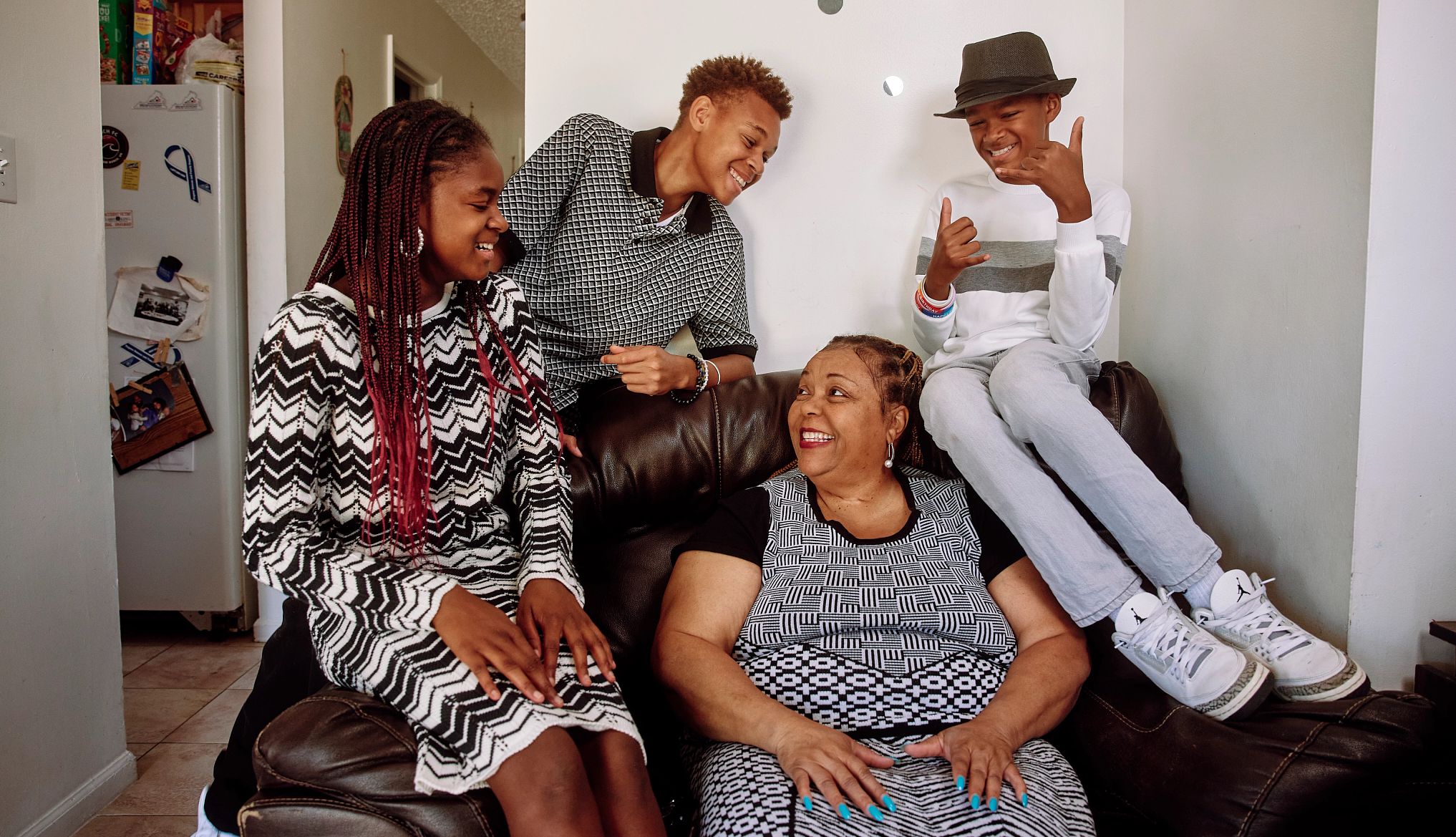
What Grandparents should know about Social Security and Kids: In 2021, an estimated 6.7 million grandparents lived with grandchildren under 18, with 2.1 million taking on primary caregiving responsibilities, according to the Census Bureau. Additionally, 2.7 million minors receive Social Security benefits, many due to the loss of a working parent. This highlights the critical role grandparents play in supporting families and the financial assistance available to these households. Learn more here.
| | | |
3% of HS Students Identify as Transgender, First National Survey Finds: Find out more. | | | |
A “hidden” population of homeless students isn’t getting school services: Despite federal mandates requiring school districts to support homeless students, many districts in Iowa, Kansas, Missouri, and Nebraska are undercounting these vulnerable children. This oversight means thousands are missing out on essential services and resources, and many districts are not even applying for available grants. Learn more about this critical issue and its impact on education. | | | |
Understanding Section 504 vs. IDEA: What’s the Difference? Compare IDEA and Section 504 of the Rehabilitation Act. Both laws provide accommodations for students with disabilities, but there are key differences. This resource helps parents and educators understand which protections and services apply to their students. | | | |
Admissions & Arrivals: Access the Refugee Processing Center’s most recent data on admissions and arrivals through the U.S. Refugee Admissions Program (USRAP) for the current fiscal year. Stay informed about historical monthly arrivals, which may be subject to change due to reconciliation. This resource provides essential insights into the ongoing refugee situation and U.S. support efforts. | | | |
The Inclusion Think Tank: Tune in to the New Jersey Coalition for Inclusive Education’s podcast, where inclusive education leaders, experts, and advocates share insights on the impact of inclusion in schools. With over 40 episodes, this podcast serves as a valuable resource for educators, school administrators, and families looking to deepen their understanding of inclusive education practices. Don’t miss out on these enlightening discussions. Check it out. | | | |
Juvenile Delinquency/Juvenile Justice | Did you know that 2024 marks the 50-year anniversary of the signing of the Juvenile Justice and Delinquency Prevention Act (JJDPA)? Read about the significance of the Juvenile Justice and Delinquency Prevention Act (JJDPA), which provides essential funding for community-based options and supports system changes. This legislation ensures that state-level oversight bodies monitor the care provided to youth in the system. Discover how the JJDPA has shaped juvenile justice over the past five decades and its ongoing importance in promoting better outcomes for young people. | | | |
Finding a loving community after coming out: Parents, Families, and Friends of Lesbians and Gays's guide offers insights on finding acceptance, connecting with others, and fostering relationships that celebrate your identity. Whether you’re newly out or seeking a supportive network, this resource is here to help you navigate your journey. | | | |
|
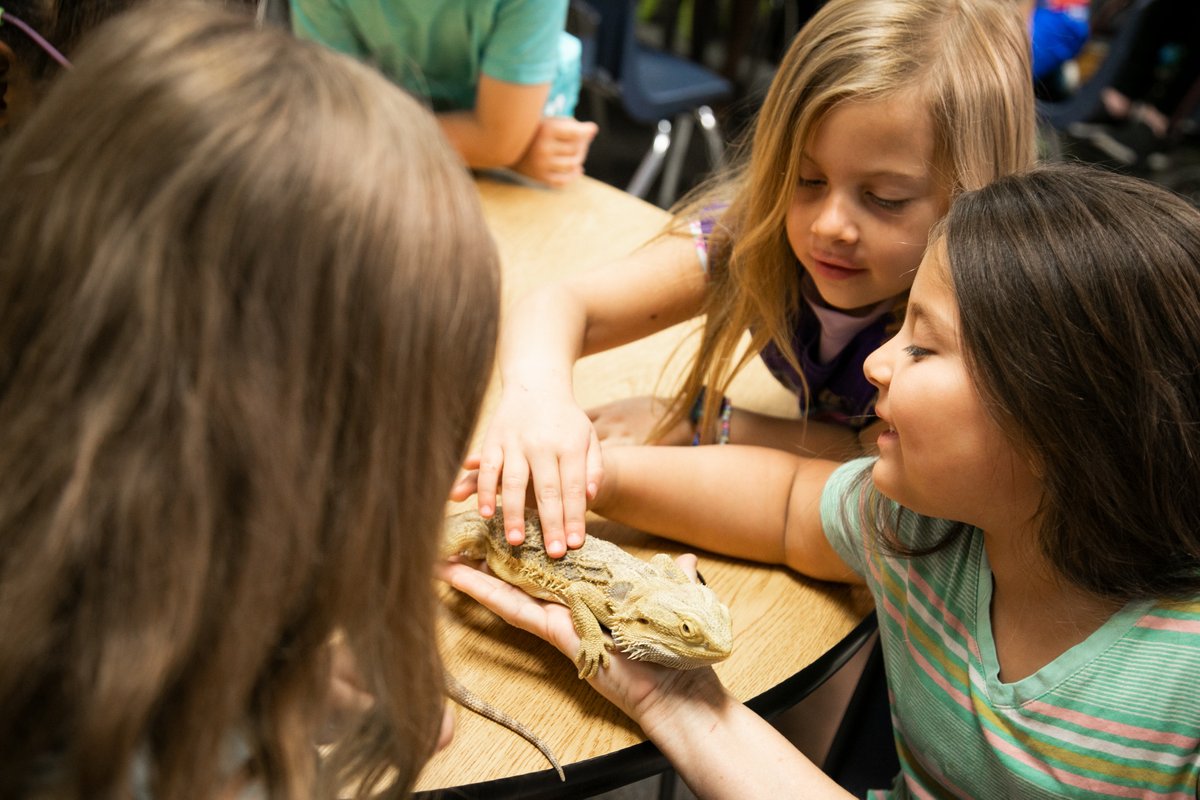
The Pets in the Classroom: This grant program empowers teachers to enhance students’ educational and personal development through the presence of pets in the classroom. A unique initiative encourages interaction with animals, promoting responsibility, empathy, and a love for learning. Check it out.
| | | |
Military Families & Youth | Clearinghouse for Military Family Readiness: Check out the latest findings from Penn State on military child education sponsored by the Defense-State Liaison Office. This research highlights the crucial role education plays in the readiness and retention of Service members and their families. The evaluation focuses on state implementation of supportive policies aimed at improving educational experiences and achievements for K-12 military children. Find out more here. | | | |
Northeast Regional Profile: Access this valuable resource from the National Congress of American Indians (NCAI) to help identify the number of American Indians in your state. This guide offers essential information for Parent Centers in the Northeast area of the U.S., supporting efforts to better understand and serve Native American communities. Download the Northeast Regional Profile to enhance your outreach and advocacy here. | | | |
Parent/Family Engagement (and Youth!) | PTA National Center for Family Engagement: The National PTA has a myriad of resources on family engagement available. | | | |
The Complexity of LGBT Poverty in the US: Did you know that LGBT families are more likely to be poor? Read about this. | | | |
Mandatory Civil Rights Data Collection: Review the proposed data elements for the 2025-26 and 2027-28 Civil Rights Data Collections (CRDCs) as the Office for Civil Rights (OCR) seeks public comments. This is an opportunity for members of the community to engage with the proposed Information Collection Request and ensure that civil rights data collection effectively addresses current needs. Access the details in the PDF here to learn more. | | | |
Social-Emotional Learning | |
Family Partnerships: Families can support social-emotional learning at home. The partnership provides parents with tools to encourage SEL development in their children, creating a strong home-school partnership for holistic growth. Read more.
| | | |
Federal Accessibility: OMB Is Tracking Agency Implementation of Its Guidance on Information and Communication Technology: Millions of Americans, including over 60 million adults with disabilities, rely on federal websites and services. While Section 508 of the Rehabilitation Act mandates that agencies create accessible technology, compliance has been inconsistent for about 25 years. The General Services Administration has outlined steps for improvement, and the Office of Management and Budget is tracking governmentwide implementation. Explore the latest findings and recommendations to enhance accessibility for all here. | | | |
Transition to Adult Life/Youth | Essential Life Skills: For Teenagers and Young Adults: From managing finances to time management and decision-making, here’s a guide that helps families and educators equip youth with the skills they need to succeed independently. Find more information. | | | |
Toxic Stress: What is toxic stress? Why is this an important concept for agencies that support children and families: What are relevant interventions and approaches? Where can I find useful resources? Go to this webpage from the Administration on Children and Families. | | | |
|
ABOUT THE REGION A PARENT TECHNICAL ASSISTANCE CENTER
The Navigating Excellence-Parent Assistance and Collaboration Team (NE-PACT), the Region A Technical Assistance Center, provides technical assistance to federally-funded parent centers -- Parent Training and Information Centers (PTIs) and Community Parent Resource Centers (CPRCs) - NEPACT Logo located in the states of CT-AFCAMP, CT-CPAC, DC-AJE, DE-PIC, MD-PPMD, ME-MPF, MA-FCSN, NH-PIC, NJ-SPAN, NJ-ASCF, NY-AFC, NY-CIDA, NY-LIAC, NY-UWS, NY-Starbridge, NY-INCLUDEnyc, NY-Sinergia, NY-PNWNY, PA-HUNE, PA- ME, PA-PEAL, PR-APNI, RI-RIPIN, VI-DRVI and VT-VFN. These Parent Centers are independent non-profit organizations. We also provide support to emerging parent centers and parent organizations serving families of children with or at risk of being identified as having disabilities. In addition, we work with early intervention and education agencies (local, state and federal level) seeking information regarding best practices in involving parents of children with disabilities in systems improvement.
The center activities are specifically designed to:
- Enhance the capacity of parent centers to provide effective services to families of children with special needs and to work effectively with their states to improve special education and early intervention systems; and,
- Facilitate their connections to the larger technical assistance network that supports research-based training, including educating parents about effective practices that improve results for children with disabilities. For more information click here.
| | | | |