** New in your inbox! NEPPA Safety Committee's first ever "Bucket Brief".
Key reminders and resources for crew safety, sent quarterly. **

Starting the Year Focused, Prepared, and Safe

Winter 2026

A new year brings fresh opportunities and new risks. Quarter 1 often brings harsh winter conditions, post-holiday distractions, and demanding workloads. This is the time to reset expectations, refocus on fundamentals, and recommit to doing the job safely every time. The habits we reinforce now will carry us through the year.


-- The NEPPA Safety Committee

ACCIDENT REPORTS

#1 - Close Call | Tree Trimming


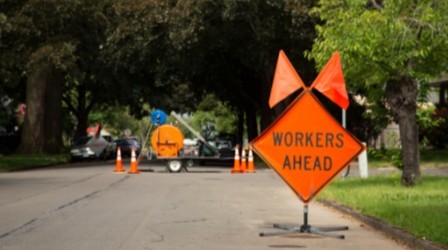
The crew arrived at the worksite and completed their jobsite setup. Once inside the property, the foreman conducted a tree inspection and documented on the Job Safety Assessment that there were no visible indicators of worn infrastructure or damage. After setting up their work zone, the foreman utilized the aerial lift to conduct work aloft. The foreman started to trim one of four trees on the property. Once on the second tree, the spotter heard a noise and saw sparks coming from the adjacent tree (the foreman never trimmed that tree or made contact with lines where the spark occurred). The spotter used Stop Work Authority, made sure the foreman was fine, and secured the scene. Homeowners were instructed to stay inside their homes. The general foreman was called in and contacted the safety manager. Management was also notified.


Key Takeaways and Safety Reminders:

*The crew has a thorough tailboard, covering all primary hazards, signed by all on-site

*Communicate the importance of conducting a thorough site inspection before trimming

*While setting up your work location’s drop zone, identify all overhead utilities and subsurface structures, as well as private and public property that may become damaged during operations

*Work with an engaged observer to identify any new obstacles that may become visible during the operation that were not noticeable prior.

#2 - Injury | Removing Reel Tag and Zip-Tie


An employee was in the process of removing a reel tag and zip-tie from a reel. The employee attempted to use a knife, but the knife slipped off the zip-tie, hitting the employee’s left pinky finger and causing a laceration. The employee quickly deployed first aid kit, wrapped the finger, applied pressure, and alerted the foreman right away. The foreman determined that the employee needed medical attention and drove them to the emergency room, where the employee received eight stitches and a tetanus shot before being released. The employee is back to work with no issues or restrictions.


Key Takeaways and Safety Reminders:

* Use an approved tool for the task (scissors). If no approved tool has been identified, use an appropriate tool for the task, such as using a knife only for approved purposes

* Cut in a manner that the blade is and moves away from the body/extremities

* Wear proper personal protective equipment (PPE) for the task, such as cut- and puncture-resistant gloves


Focus: Winter Operations 
& Weather Awareness

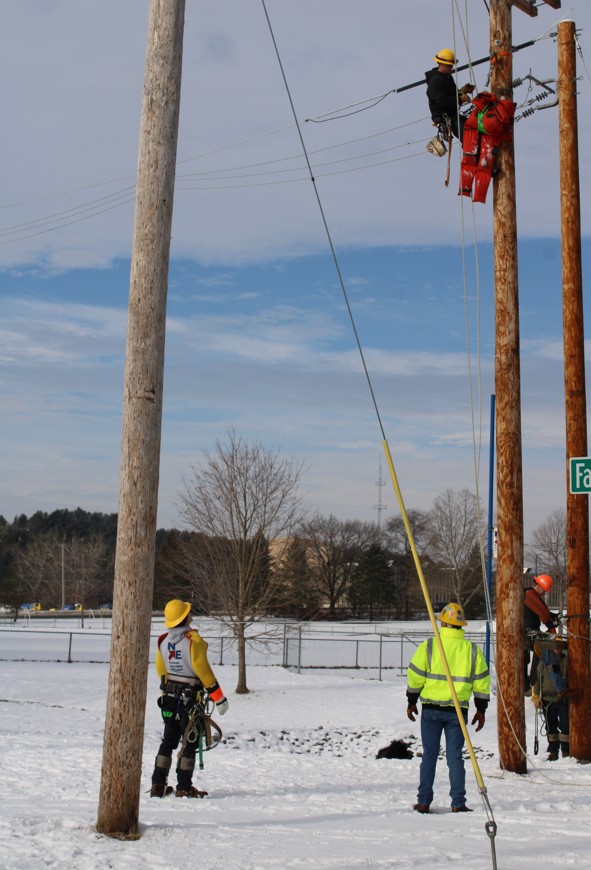
Cold temperatures, snow, ice, and high winds significantly increase the risk for utility crews.


Key reminders:


• Footing First: Slips, trips, and falls remain among the leading winter injuries. Use ice cleats where appropriate and maintain three points of contact.


• Cold Stress Awareness: Watch for signs of hypothermia and frostbite; take warming breaks and rotate tasks.


• Equipment Performance: Cold weather affects hydraulics, batteries, and air systems. Inspect equipment before use.


• Driving Conditions: Slow down, increase following distance, and plan for longer response times.

Safety Mindset:


Refocus After the Holidays


After time off, it’s easy to fall back into a routine without fully engaging mentally.


• Conduct thorough tailboard meetings, even for familiar tasks.


• Eliminate shortcuts; “we’ve always done it this way” can lead to serious incidents.


• Encourage peer checks and open communication.


• Speak up early if fatigue, stress, or distractions are affecting performance.


A moment of refocus can prevent a lifetime of injury.

Toolbox Talk:


“What Can Hurt Me Today?”


Before starting any task, ask:


• What’s energized?


• What’s changed since the last time I did this job?


• What’s my escape route?


• Do I have the right PPE and tools?


Making this question a habit builds strong situational awareness across crews.


NO-SHOW NOTES

Hear about classes you may have missed out on...

OSHA-30 (January 2026, Littleton, MA):


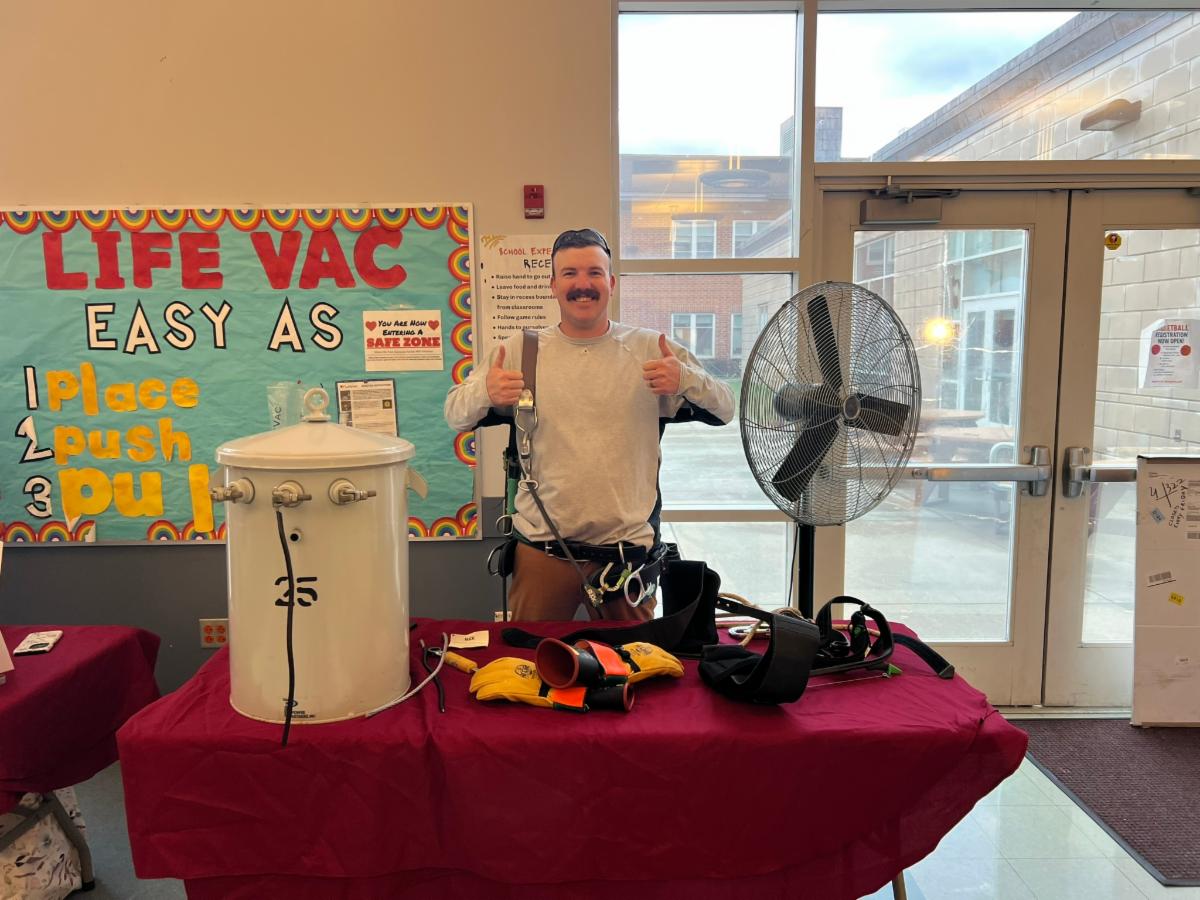
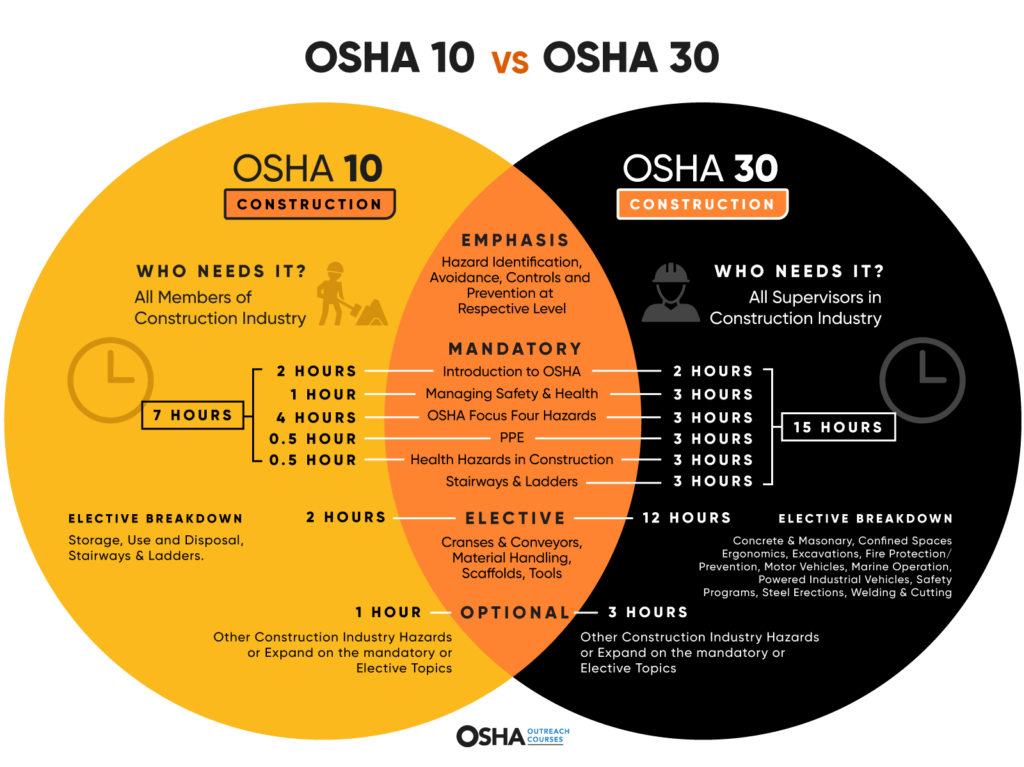
We had 12 students complete 4 days of OSHA-30 class and receive their OSHA-30 card, which never expires. This course is different that OSHA-10 in that it is geared towards those in supervisory positions.

If we have interest, we would love to hold this class again next year. Until then, make sure you and your crew has completed OSHA-10, which is only a 2-day course. NEPPA's OSHA-10 Class is happening February 24th-25th and registration is now open.


Wondering what the difference is between OSHA-10 and OSHA-30? ..... learn more below.

Start the Year Strong - Safety excellence doesn’t happen by accident; it’s built through consistent choices and shared responsibility. As we move through Quarter 1, look out for your coworkers, challenge unsafe conditions, and lead by example.


Let’s make 2026 a year where everyone goes home safe, every shift, every day.

How did you like this email? (let us know in one click)
Thumbs up        Thumbs down
Facebook  X  Instagram  LinkedIn