|
“Stories are our primary tools of learning and teaching, the repositories
of our lore and legends. They bring order into our confusing world.
Think about how many times a day you use stories to pass along data, insights, memories or common-sense advice.”
– Edward Miller
Many years ago, as I was nearing the end of my dissertation work, I began to stress about writing the actual paper. I’ve never considered myself a writer; I was the student who was always willing to present rather than write. Talking comes easily to me, but the written word has always been a struggle.
After almost five years of classwork and data collection, it was time to put pen to paper. I shared my concerns with my advisor, who offered the following advice: “Dave, I’ve known you for a while. You are a storyteller. Tell a story.” While another student may have viewed being called a "storyteller" as a negative, I understood what she was telling me to do: let the data tell the story.
As educators, we spend a lot of time responding to other people’s narratives about what we do, how we do it, and the value of our work. When this happens, it becomes a negative narrative portraying public education as ineffective and underperforming. We often find ourselves in a defensive mode against accounts of ineffective programs, the high cost of education, and limited student gains. Too often, as educational leaders, our story is dictated to us. We need to take back the narrative.
We all share stories with our families, friends, and colleagues about the good work that goes on in our school districts and buildings. We talk about staff, students, and families in need and how the district supports them. We speak to new educational programs that excite us, and we highlight ways to create more opportunities for students and staff to succeed. Yet, we hesitate to tell the public about our successes on a regular basis.
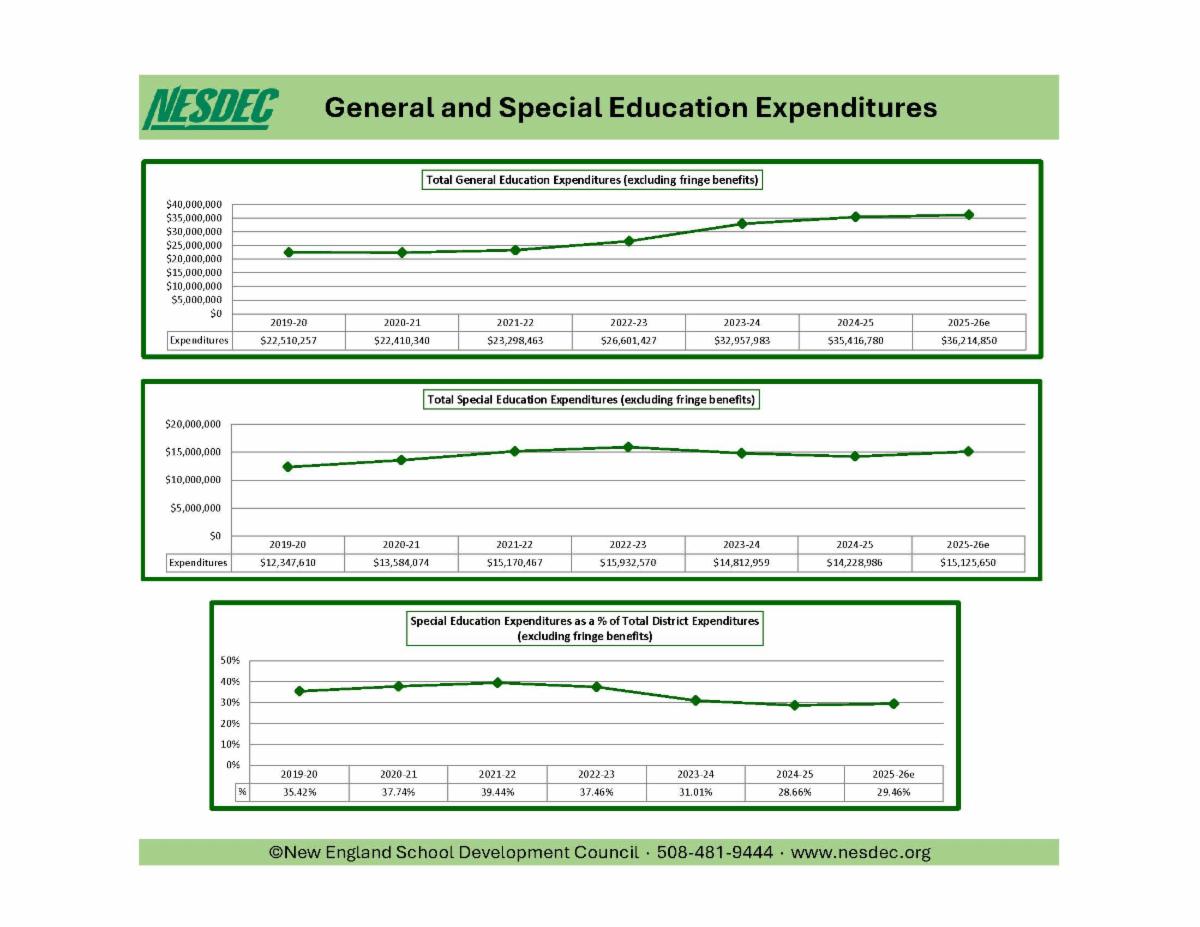
I encourage you to create your own stories about the work you do. Your school schedule should tell a story about how it benefits students and provides high-level programs. Reporting on your budget does not have to be mundane; it should weave a compelling tale about what it provides for your students, staff, and community. Even changes in student enrollment numbers can provide rich insight into what your district is doing well now, and what it needs to succeed in the future.
Well, I did finish my dissertation. I created a story about educational espionage and embedded the data within it. My chair enjoyed the story, and the review committee thought it demonstrated outside-of-the-box thinking.
Tell your stories. Share successes, highlight the good work, and provide stakeholders with a different perspective based on the narratives you create.
Dave
|