Happy Summer!
I hope your summer is full of fun, wonder, and just the right amount of mineral-based sunscreen.
What's NEW: Starting with this edition, I'm adding written interviews to the newsletter because not everybody wants to do a podcast. ;) These are email chats I’ve had with researchers about trending health topics that are too interesting not to share. Huge thanks to the researchers who took time out of their packed schedules (and possibly gave up a lunch break) to do these! Scroll down for expert interviews on how burnout rewires your brain, why marriage may not protect against dementia after all, and what those blockbuster weight-loss drugs could be doing to your eyesight.
Below, you’ll find the latest expert guests from the Causes or Cures Health Podcast, timely wellness and public health topics, new health video links (including some punchy, poignant clips pulled from the pod), and quick-hit news summaries I think you’ll enjoy. And of course…a few anecdotes from the lighter (and sometimes weirder) side of life.
As always, if you have ideas for podcast topics, guest suggestions, want to co-host or sponsor an episode, want to work together on a scientific communications or public health project, or if you have something you’d like featured here, email me at erin@bloomingwellness.com. I’m always on the lookout for great stories and fresh voices.
If you clicked this button to be a VIP and part of the science story magic crew that helps keep Causes or Cures up and running, thank you! Invites for the first online health nerd party are in the works! :) For those who asked, other ways you can help support the podcast is by reading a copy of Manic Kingdom. But fair warning: It's not a comfortable read and is a bizarre story, albeit I'm told a page-turner. I'm working on my next book, which will probably also be bizarre. Oh well.
Thank you for being part of this community! I truly appreciate your support, curiosity, and connection.
Warmly,
Dr. Eeks
ErinKate Stair MD, MPH
| | | | | On The Causes or Cures Podcast: | | |
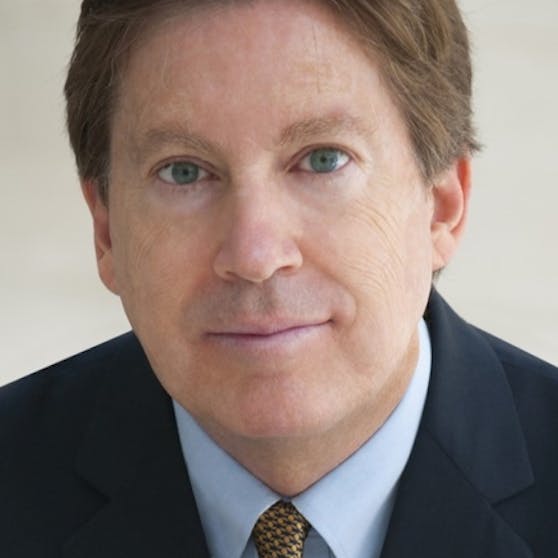
Keep Your Brain Ageless? NYT Bestselling Author Dr. Dale Bredesen’s Plan to Prevent Cognitive Decline
Click HERE to Listen.
| |  |
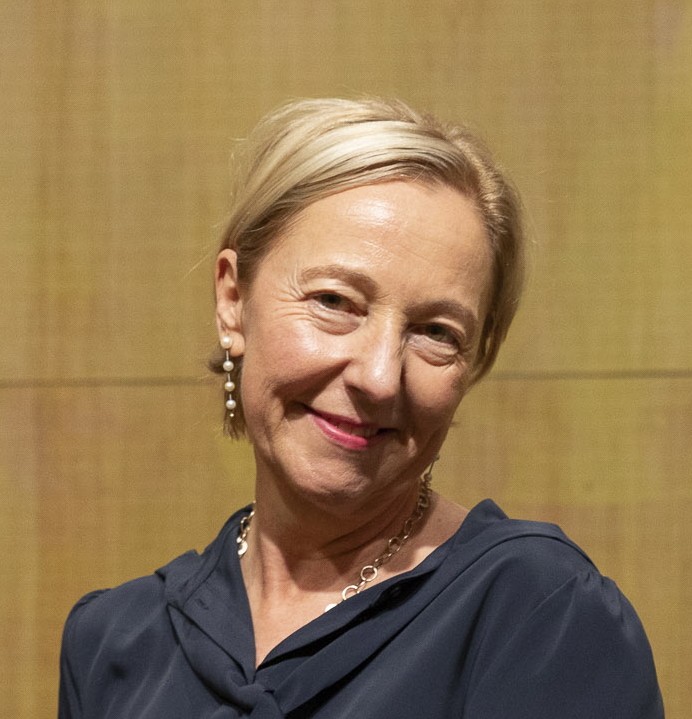
Does the Vitamin D, Algae Omega-3s & Exercise Combo Really Slow Aging? With Dr. Heike Bischoff-Ferrari
Click HERE to Listen.
| | |
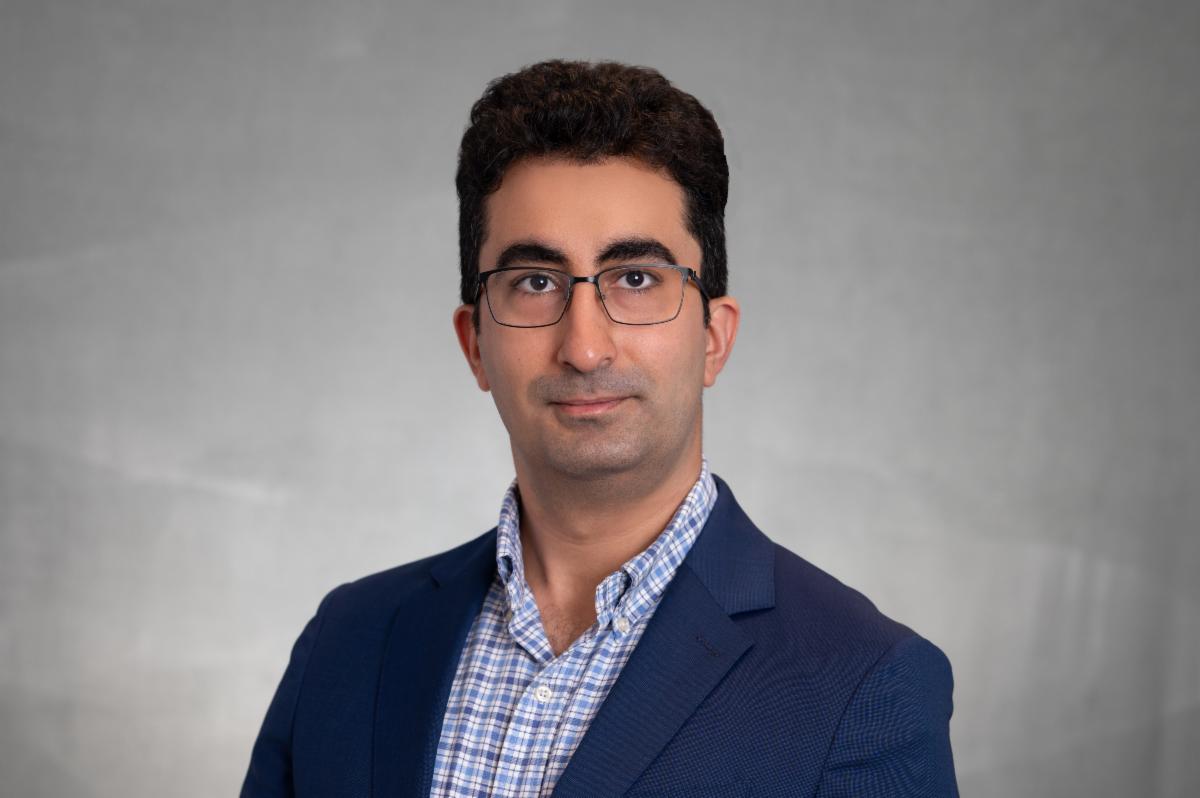
Thermostats & Thinking Caps: How Temperature Impacts the Aging Brain, with Dr. Amir Baniassadi
Click HERE to Listen.
| | |
Do Over-the-Counter Cold Remedies Even Work? With Dr. Nazlie Latefi
Click HERE to Listen.
| | |
What is the Link Between Antidepressants and Sudden Cardiac Death? With Dr. Jasmin Mujkanovic
Click HERE to Listen
| | |
What Happens to Our Health when We Remove Toxins from Plastics? With Prof Maureen Cropper
Click HERE to Listen
| | |
Gene Drive Mosquitoes: A Cure for Disease or a Pandora’s Box? With Dr. Michael Santos
Click HERE to Listen
| | |
Child Trafficking, Myths vs Facts, with Erin Williamson
Click HERE to Listen
| | |
Interview with Dr. Wanhyung Lee & Prof Joon Yul Choi on how Burnout Changes Your Brain:
| |
|
Can you first tell our readers about the work you do and what motivated you to study burnout and structural brain changes?
I am Dr. Wanhyung Lee, a physician specializing in occupational medicine, with expertise in occupational diseases, based at Chung-Ang University College of Medicine in Seoul, South Korea. My colleague and co-lead investigator, Professor Joon Yul Choi, is an expert in neuroimaging and biomedical engineering at Yonsei University in Wonju, South Korea. We combined our respective expertise—occupational health and advanced brain imaging techniques—to investigate how chronic occupational stress and burnout might structurally affect the brain.
Our motivation stemmed from observing the growing global phenomenon of burnout and chronic overwork, especially among healthcare professionals, and recognizing a significant research gap: while psychological and physical impacts of burnout have been extensively studied, much less was known about the underlying biological or neurological changes. By collaborating across disciplines, we aimed to provide robust neurobiological evidence to help better understand the cognitive and emotional consequences of occupational burnout and inform healthier workplace practices.
How is burnout defined and how did you measure it in your study involving health workers?
Burnout typically refers to a chronic state of physical, emotional, and mental exhaustion resulting from prolonged and intense stress. It’s characterized by emotional depletion, reduced performance, and negative attitudes toward work. In this pilot study, we specifically defined overwork based on weekly working hours—participants working 52 or more hours per week were categorized as "overworked." While our study focused primarily on objective working hours rather than subjective burnout scales, these prolonged hours are widely recognized as a strong risk factor for occupational burnout.
Your study found increased brain volume in regions associated with executive function and emotional regulation among overworked individuals. Are there any theories for how that might happen?
Yes, one plausible theory is that prolonged occupational stress triggers neuroadaptive responses—essentially, the brain attempting to cope with ongoing cognitive and emotional demands. Increased brain volume in areas associated with executive functions (such as attention, planning, and memory) and emotional regulation might initially represent neural mechanisms for compensating under stress. Another possibility is inflammation or structural reorganization related to chronic stress or disrupted recovery processes. Further research will be necessary to understand precisely whether these changes represent beneficial adaptations or early signs of chronic strain.
Could you elaborate on the potential implications of your study findings for cognitive and emotional health?
Our findings suggest that prolonged working hours may lead to structural brain changes that could affect critical cognitive abilities—such as decision-making, memory, and sustained attention—and also emotional stability. Initially, these brain changes might enable people to maintain performance under stress. However, over longer periods, persistent stress without adequate recovery could ultimately lead to reduced cognitive efficiency, emotional exhaustion, heightened anxiety, or depressive symptoms. This highlights the importance of recognizing and preventing chronic overwork as a serious health issue.
How do you envision or hope your findings influencing workplace policies or interventions aimed at mitigating the effects of overwork?
We hope this research will prompt employers and policymakers to prioritize cognitive and emotional health more explicitly in their occupational health guidelines. This means not only setting stricter limits on working hours but also fostering workplace environments that actively support recovery and stress management—such as providing structured rest periods, mental health resources, and work-life balance programs. Ultimately, integrating neurobiological evidence into policy discussions could lead to healthier workplaces and more sustainable working conditions.
Do you plan to do more research in this area or are you focusing on other areas?
Yes, we definitely plan to expand our research in this area. Our next step is to conduct larger, longitudinal studies across various occupational groups. We will integrate advanced neuroimaging techniques with comprehensive psychological assessments, stress biomarkers, and measures of cognitive and emotional performance. By doing so, we aim to understand the long-term neurobiological impacts of overwork more thoroughly, helping to inform more effective interventions and protective policies in occupational health.
Also posted in the Blooming Wellness Blog
Link to full study here.
| | | | | |
Upcoming Guests on
Causes or Cures:
-
Dr. Jerry Avorn will discuss his new book Rethinking Medications, Truth, Power and the Drugs You Take.
-
Dr. Robert Smith will discuss his new book Has Medicine Lost Its Mind and the Mind-Body Split that questions the scientific foundation of the medical system.
-
Dr. Yuxuan Wang will join the podcast to discuss her research on a new test for cancer that can detect it YEARS before first symptoms.
-
Dr. Matthew Taylor will talk about his research on a popular supplement and how it may help prevent Alzheimer's Disease and cognitive decline.
-
Dr. Maziar Divangahi will discuss his research on how a fungal compound helps fight the flu in a unique way.
-
Dr. Mohammad Movahed will tell us about his research on broken heart syndrome and why the mortality is higher in men.
-
Fungi guru Kaitlyn Kuehn will tell us about the legitimate health benefits of functional mushrooms and their hidden superpowers.
-
Dr. Varun Dwaraka will discuss his research on a supplement shown to slow our biological clock.
-
Hair guru Dr. Alan Bauman will tell us the most effective ways to prevent and treat hair loss.
-
Skin expert Katie Stewart will talk about her root-cause approach to clear skin, particularly stubborn acne.
Subscribe to Your Podcast Listening Mode of Choice Here!
| | |
Health News Just for You:
Can a Common Diabetes Drug Help You Live Past 90?
A new study published in The Journals of Gerontology suggests that women with type 2 diabetes who start on metformin may have a significantly better shot at reaching age 90 compared to those on sulfonylureas. Using data from the Women’s Health Initiative, researchers found that metformin was linked to a 30% lower risk of dying before age 90. While the study wasn’t a randomized trial and can’t prove causality, it raises fascinating questions about metformin’s potential beyond blood sugar. Longevity pill, anyone?
Can Your Diet After Cancer Treatment Boost Survival?
A new Dana-Farber study suggests that what you eat after stage III colon cancer treatment may be just as important as the treatment itself. Patients who ate an anti-inflammatory diet (rich in veggies, leafy greens, coffee, and tea) lived longer than those eating more red meat, sugar, and refined carbs. Add in a few walks a week, and the results were even more dramatic: a 63% lower risk of death compared to those with the most inflammatory diets and lowest activity levels.
Psychedelics and the Search for Meaning
New research across clinical trials, healthy volunteers, and retreat settings shows that psychedelic experiences, especially with psilocybin, can significantly boost a person’s sense of meaning in life. The “presence of meaning” soared post-trip, while the restless “search for meaning” quietly faded.These effects were tied to improved mental wellbeing and lower depression.The more mystical or emotionally intense the experience, the greater the meaning. Translation: your brain on psychedelics may not just feel better...it may make sense of things in a way that lasts.
Mango Magic?
In just two weeks, daily mango munching (about 2 cups a day) helped lower blood pressure and cholesterol in postmenopausal women with higher BMIs, without meds or supplements. Even better? Compared to white bread, mangoes caused a smaller lasting spike in blood sugar and insulin, hinting at their gentler, more nourishing impact on metabolism. Bottom line: Mangoes aren’t just sweet—they’re heart-smart.
| | |
Marriage, Actually…Doesn’t Prevent Dementia?!?
An Interview with Dr. Selin Karakose
Your study challenges previous research & the long-held belief that marriage offers protective benefits against dementia. So I'm curious, what led you to explore the relationship between marital status and dementia risk?
Our research team investigates the role of various psychosocial protective and risk factors in cognitive health, including dementia risk. Given the evolving role of marriage in society and the increasing number of unmarried individuals (divorced, widowed, or never married), understanding their potential vulnerability to dementia is critical for identifying high-risk groups and providing targeted monitoring and support. Therefore, we aimed to extend prior work by examining whether unmarried individuals have an elevated risk of dementia, using a large sample (NACC) of over 20,000 older adults followed for up to 18 years with annual evaluations at specialized dementia clinics across the United States.
The findings indicate that never-married and divorced individuals had a lower risk of developing dementia compared to married individuals. Were you surprised to see that? Could you elaborate on the potential factors or mechanisms that might explain this trend?
Yes, we were surprised. Accounting for age and sex, we found that widowed, divorced, and never-married individuals had about 50%* or lower dementia risk relative to their married counterparts. Notably, this effect was similar across male and female participants and younger and older adults.
*When hazard ratio [HR] is below 1, the percentage of reduction is calculated as (1/HR)x100. So, for widowed: 1/0.73=37%, divorced: 1/0.66=52%, and never married: 1/0.60=66%).
Despite the commonly held belief that marriage is protective for health, recent research has not found disadvantages of being unmarried compared to married, including in cognitive outcomes. For example, a recent study by Hanes and Clouston (2024) indicated that participants experienced slower rates of cognitive decline following divorce, which could potentially lead to a lower risk of dementia over time.
Several factors could potentially contribute to these results. There is some evidence that divorce can lead to greater happiness and life satisfaction, and widowed individuals may experience an increase in close network size in the years following widowhood, which could potentially protect against dementia risk. Older married individuals, on the other hand, may have a smaller social network, tend to be less self-reliant, and may experience stressful conditions such as caregiving, which could contribute to the lower risk of dementia. Another important possible explanation is that the findings could suggest a delayed diagnosis among unmarried individuals. More research is needed to identify the mechanisms linking marital status and incident dementia.
Since people who aren't married might get diagnosed with dementia later than those who are, how did you handle that in your study? And how might it affect the conclusions we draw from the results?
We examined the average age of dementia onset and the severity at onset: Our findings suggested that while the widowed were diagnosed at an older age and with slightly more severe symptoms compared to the other groups, the never married and divorced did not differ from the married on the age or severity of impairment at the time of diagnosis.
Individuals may be unaware of their symptoms, particularly in the early stages of dementia. The subtle prodromal changes associated with cognitive impairment and dementia, such as memory, personality, and behavior changes are frequently first reported by partners/spouses. Thus, married individuals might be more likely to seek dementia evaluation and to be diagnosed at an earlier stage compared to those who are unmarried.
However, the participants in the NACC study were evaluated each year with rigorous standardized testing at clinics specialized in dementia diagnosis. Thus, it is unlikely that there are substantial delays in diagnosis for the NACC participants. A delay in diagnosis might be more of an issue for prior studies that relied on health records, which partly depend on individual self-referral to their doctor, which may introduce biases in the timing of diagnosis.
The results of previous studies showing that marriage was protective could be explained by a delayed diagnosis for the married. For example, compared to unmarried individuals who need to be self-reliant to live independently, partners can compensate for cognitive impairment, delaying seeking care, which would result in delayed diagnosis.
Given that social connection is a known protective factor for cognitive health, do you think the observed differences in dementia risk are more about social support and relationship quality than marital status per se?
Within marriage, the health benefits appear to be present only in high-quality marriages. Indeed, in a study by Lawrance and colleagues (2019) individuals who are unhappy in their marriage, an indicator of marital quality, are more likely to have equal or worse health and mortality risk compared to those who are widowed, divorced, or never-married counterparts. In line with this, a recent study from our research team found that on days when participants were more satisfied with their relationships, they felt healthier and reported sharper minds, better memory, and clearer thinking. Examining the association by considering marital status duration (e.g., timing of marital loss) and incorporating other relationship factors (e.g., relationship satisfaction) is needed to fully understand the connection between marital status and risk of dementia.
What are the broader implications of your findings for public health or dementia prevention strategies? (Could these results shift how we think about social connection and cognitive aging beyond marital status?)
Our findings highlight that marriage itself may not be a universally protective factor for health, as traditionally believed. Given that nearly half of all dementia cases worldwide could be prevented or delayed by addressing 14 modifiable risk factors, it is critical to identify older adults who are vulnerable to developing dementia. Our findings suggest that married individuals may be at higher (not lower) risk and could benefit from closer monitoring and support.
What other questions are you currently exploring in your research? Are there follow-up studies or related areas of aging and brain health you're particularly excited about?
Our recent research focuses on investigating the link between life satisfaction, a crucial component of well-being, and the risk of dementia among older adults. We provided consistent evidence that life satisfaction is associated with a lower risk of dementia, and that this protective effect is robust across world regions, persisting even after accounting for well-established dementia risk factors (e.g., age, sex, education, depression, diabetes, smoking). Our next step is to investigate the association between marital status and dementia in other samples to replicate and evaluate the generalizability of the findings. Additionally, since the health benefits of marriage appear to occur only in high-quality relationships, we aim to examine the role of relationship quality on cognitive outcomes.
Dr. Karakose conducts research at Florida State University.
You can read the full study here.
| | Blinded by the Hype: Are Weight Loss Drugs Screwing with Your Vision? | | |
An interview with Dr. Reut Shor, Dr. Marko Popovic, Dr. Rajeev Runi, Dr. Andrew Mihalache
Can you tell our readers a little about yourself and the work you do? What prompted you to investigate a potential link between the popular weight-loss drugs (GLP-1 receptor agonists) and the serious eye condition called wet macular degeneration (also known as Neovascular Age-Related Macular Degeneration or AMD)?
We are a group of physicians, researchers and methodologists who all have an interest in ocular (eye) health. Investigating the potential toxicities of systemic medications on retinal health is one of our areas of interest. Neovascular AMD is fundamentally a disease of pathological angiogenesis (new blood vessel formation), and several of its risk factors overlap with those seen in patients who often use GLP-1 receptor agonists, such as those with chronic heart failure, chronic kidney disease, and diabetes.
In addition, there have been growing reports of ocular adverse events with GLP-1 receptor agonists, but no clear consensus regarding their impact on AMD progression. This made me very curious to explore this relationship using real-world, population-level data.
For those unfamiliar, can you describe what neurovascular age-related macular degeneration (nAMD) is and why it is significant for patients with diabetes (Type 2?)
Age-related macular degeneration is a condition that affects the retina (which is similar to the film in a camera) at the back of the eye. It is the most common cause of vision loss in those aged 50 and older in the developed world. Age-related macular degeneration exists in two main forms: the early form called dry AMD, and the more advanced form called wet AMD or neovascular AMD (nAMD). In nAMD, abnormal blood vessels grow beneath the retina and leak, leading to rapid and potentially severe vision loss. This condition is particularly relevant for patients with type 2 diabetes, mainly because GLP-1 receptor agonists are commonly prescribed for diabetes management, but also because both diabetes and nAMD share key risk factors such as aging, impaired blood circulation, and chronic inflammation.
Your study found a twofold increased risk of nAMD in patients with diabetes using GLP-1 Receptor Agonists (RAs). How clinically significant is this increase? (How should patients and/or clinicians interpret it?)
While the absolute risk remains low—about 2 in 1,000 for GLP-1 RA users compared to 1 in 1,000 for non-users—the twofold increase in a matched population is clinically meaningful. It suggests a potential biological link between the medication and the disease. additionaly, older age and a history of stroke were both associated with an even higher risk of nAMD in the context of GLP-1 receptor agonist use. For these higher-risk patients, clinicians may want to exercise additional caution. Regardless of age or comorbidities, it’s important for clinicians to be aware of potential ocular risks and to promptly refer patients to ophthalmology if they report visual symptoms or concerns. Close collaboration between prescribing clinicians and eye care providers will be key as we continue to learn more.
Do we know why GLP-1 RAs might be associated with increased risk of nAMD? Are there any working theories?
GLP-1 receptor agonists appear to have several different adverse effects on the eye, and it seems that the net effect may be harmful in the context of neovascular AMD.
On one hand, we know that GLP-1 receptor agonists are very effective at improving blood glucose control. Some studies have suggested that the increase in ocular adverse events could be related to the sudden and sharp drop in blood glucose upon initiating these agents. If this is true, we would hypothesize that after longer-term use, once blood sugar levels stabilize, the risk of nAMD with GLP-1 receptor agonist use might decline. However, in our study, we observed that the risk actually increased with prolonged exposure.
When we looked further into the potential direct effects of GLP-1 receptor activation on the eye, we found that GLP-1 receptors are expressed in the retina, specifically, in the retinal ganglion cells, retinal pigment epithelial cells and endothelial cells, which may trigger different cascades. For example, an animal study in mice showed that activation of these receptors can induce a hypoxic effect on the retina. This could represent one possible mechanism contributing to the increased risk we observed.
Of course, more research is needed to fully understand these pathways, but these findings offer some important clues.
Are specific GLP-1 RAs more implicated than others—or was the increased risk consistent across the class?
97.5% of the prescribed GLP-1 drugs in our study were semaglutide (Ozempic), while lixisenatide (Adlyxin) accounted for only 2.5% of prescriptions. This is likely because semaglutide was the more widely available and indicated formulation during the study period. Thus, the results reflect the overall class effect observed. To draw conclusions regarding specific GLP-1 agents, more granular data would be required in future studies.
These drugs are widely used for diabetes and weight loss. In your opinion, how should this finding influence prescribing decisions, if at all, education for patients or label warnings?
I wouldn’t say it should cause alarm, but it should encourage awareness. GLP-1 receptor agonists provide significant benefits for cardiovascular and kidney outcomes, and those benefits remain very important. However, patients, especially those at higher risk for AMD (such as older adults or those with a history of stroke), should be monitored carefully, and clinicians should remain vigilant for any new visual symptoms in these patients. Patients who are prescribed these drugs that experience vision issues should be promptly referred to an ophthalmologist for further evaluation.
What kind of follow-up studies are needed to understand this risk more clearly? (In those with diabetes, but I'm also curious about risk in those with obesity without diabetes.)
The next steps for this research involve moving beyond observational findings to more definitive study designs. To establish causality, prospective cohort studies will be needed to confirm the association between GLP-1 receptor agonist use and neovascular AMD. In parallel, further investigation into the underlying biological mechanisms, through both basic science and translational research, will be essential to understand how these drugs may influence retinal health. Finally, as GLP-1 RAs are increasingly prescribed to non-diabetic individuals for weight loss, it will be important to study these populations as well, to determine whether the observed ocular risks extend beyond diabetic patients.
Are you doing any more research in this area or what sort of research are you doing next, if any?
Our next step will be to explore whether similar ocular risks are present in non-diabetic individuals, particularly given the growing use of GLP-1 receptor agonists for weight loss.
To read the full study and learn more about the study authors, click here.
| | |
Skip is Dead! What Killed Him?
Watch Clip Here
What is the Evidence for OTC Cold Medicine? This May Surprise You:
Watch Clip Here
How does the Temperature in the Room Messes With Your Ability to Think?
Watch Clip Here
Will this Nutrient Transform Your Health?
Watch Clip Here
Can Omega-3s Really Reduce Biological Age?
Watch Clip Here
Is Cognitive Decline Inevitable?
Watch Clip Here
| | |
LIfe in Anecdotes
The Lighter Side of Things
My new neighbor, a really nice guy, made me a delicious loaf of bread and brought it to my apartment. Later, I ran into him in the hallway and said, "That was amazing. What else can you make?"
He's probably regretting his decision.
Woke up feisty, I guess. Bald doorman: “Looks like your dog hasn’t had a haircut in 10 years.”
Me: “I could say the same about you.”
Concerned citizen: "Excuse me, your dog has a hat in his mouth."
Me: "You mean he dropped the head?!"
She crossed the street.
I call this guy at the pool the Chlorine Curmudgeon because he complains about everything and everyone. This morning, I had to share a lane with him. At some point, while I was clearing my goggles, he grumbled, “You need to let people know when you’re passing them!”
I smiled and said, “Sorry! Next time I’ll put on my blinker.”
Barnaby's girlfriend was barking outside the apartment door, but by the time I opened it, she was gone — leaving behind a pile of shit.
I guess their relationship is on the rocks.
Every time I see a stiff, dead rat or pigeon on the city sidewalk, I stop whatever I’m doing and recite that D.H. Lawrence line: “I never saw a wild thing sorry for itself…” like my life’s purpose is to be the final scene in a low-budget Shakespeare play no one came to see.
"Had an exorcist on the podcast who talks to demons. Just booked a doctor who talks to angels."
Friend: "How is this remotely connected to Causes or Cures?"
"Spiritual comorbidities. Try to keep up."
Originally posted on Bloomingwellness.com
| | |
Credentialism:
The Religion, the Rebellion, and the Receipts
| | |
Welcome to the Church of Letters!
Credentialism is the habit of treating degrees and licenses like receipts for intelligence, competence, and general worthiness to speak. The more credentials you have, the more valid your opinions apparently become. This works well in certain scenarios, like piloting a plane or doing brain surgery. But in online scientific conversations, it often turns into a kind of academic peacocking and elitist gatekeeping, deciding who gets to speak, who gets dismissed, and who gets buried under a pile of “actually”s.
The Battle Cry of the Condescending Brigade: “What Are Your Credentials????!!!”
When two people start debating science on social media (basically a digital pissing contest between skunks), one of them will eventually whip out the classic, “What are your credentials?” That question rarely shows up when they agree. It’s as if your credentials are irrelevant when you’re nodding along. But the second you disagree, BOOM! Here comes the snob grenade. It’s not really about facts anymore, it’s about making sure the other person knows they’re not qualified to have an opinion. Intellectual snobbery in its Sunday best.
Continue Reading Here
| | | |
Thank you for reading, sharing and everything in between!
Please forward this newsletter to anyone who might be interested in the above topics,anyone who might be interested in listening to the Causes or Cures Podcast or anyone you think might have an idea for a podcast guest or topic. SUBSCRIBE to the NEWSLETTER here!
A big thank you to all newsletter subscribers, blog readers, podcast listeners and those who support the show!
I really appreciate it! :)
All Best Wishes,
Eeks
| | | | | |