|
Choose only one master: Nature.
~ Rembrandt
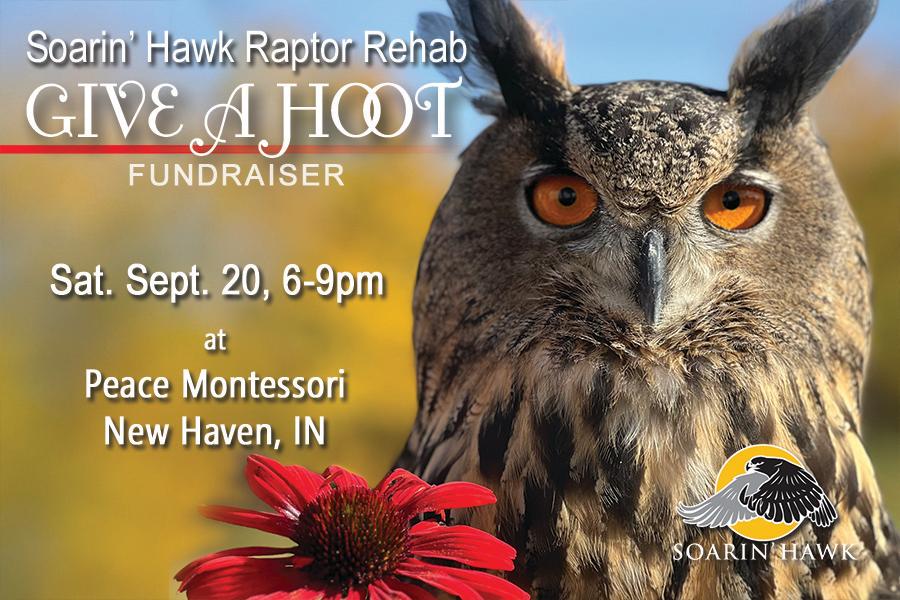
| | YOU GAVE A HOOT, AND WE THANK YOU! | | |
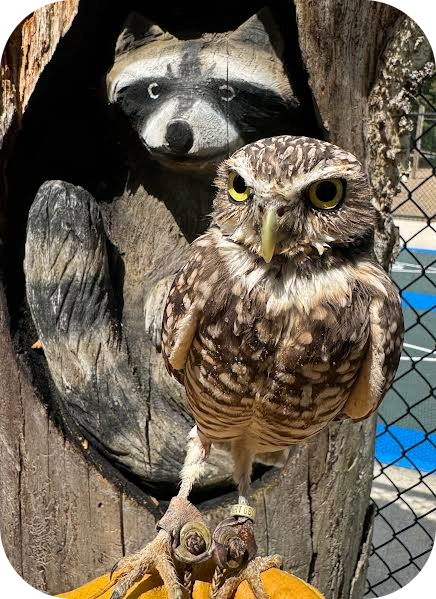
Thanks to your generosity, Give a Hoot 2025 raised over $15,000! We hope you all had a good time, and got to meet your favorite bird up close. (Napoleon says thanks to everyone who fed him a live mealworm.)
(Those of you who paid for photos with your favorite bird will hear from us very soon, if you haven't already.)
| | |
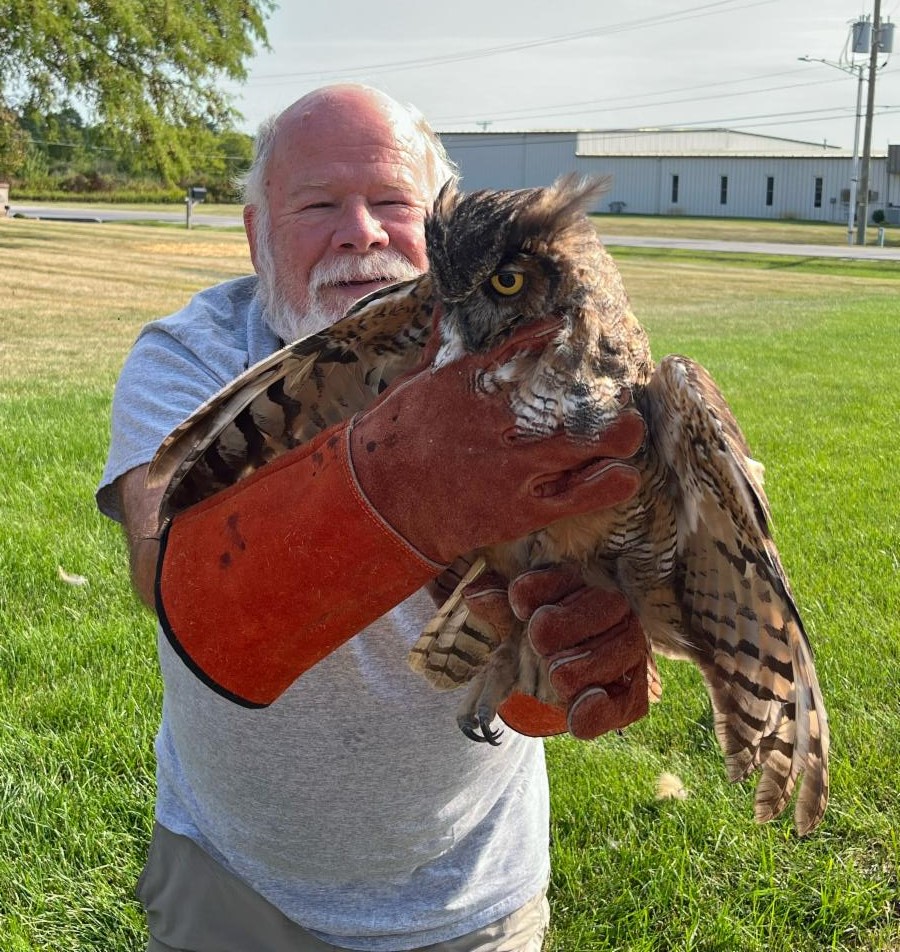
Sep. 9: Three American Kestrels (2 females, 1 male) were released together by Ross Eagleson today in Huntertown. After the release, the kestrels were heard calling to each other.
Sep. 20: At approximately 4:30 pm, Release Team volunteers Sharon Partridge and Brian Grubb released a turkey vulture at Metea County Park. This is the vulture that lost a toe in a leg-hold trap back in July of this year. There was no audience for the release because the caller was out of town.
Sep. 21: Watch the release here.
Sep. 21: A Red Phase Eastern Screech Owl (2025-0062) was released in Rome City on the property where he was rescued. In attendance was the original caller along with 4 other family members, and a second Soarin' Hawk volunteer (Christena Adams, the original rescue volunteer.) During the release, the owl flew from the box straight to a nearby tree line. He perched there long enough for the family to approach and see him back in wild. Watch here
Sep. 22: Having rescued well over 100 birds in the past 5 or 6 years, Ryan of Waterloo
was the most interested, of all the many callers, in the bird that he reported back in May of 2025.
He requested updates weekly for the first month or so then went to every 2 weeks until we came to the big moment "Ryan, he's ready to fly free." We agreed on a time to meet and were joined by his two (very excited) children and Grandma and Grandpa. The young grey phase Screech Owl took a cautious look around, then made a strong flight to a nearby spruce tree. The kids were still jumping up and down when I drove away 10 minutes later. Happy life Right Pink!
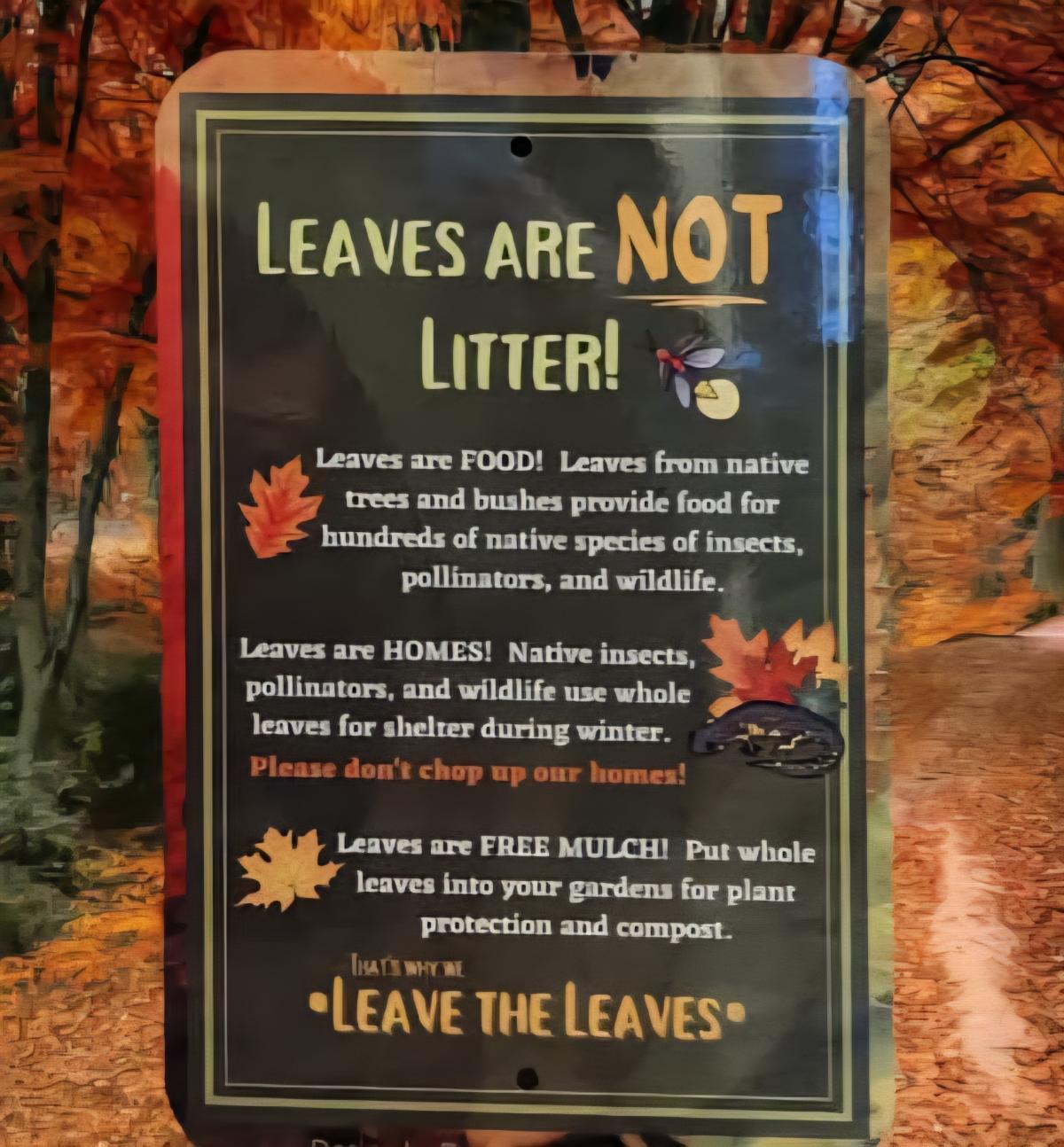
| | BE ECO. LEAVE THE LEAVES. | | |
Not raking your leaves can actually be a smart environmental and ecological choice. Here’s why you might not want to rake your leaves this year:
1. Leaves Provide Habitat for Wildlife
- Many pollinators and beneficial insects, including butterflies, moths, and beetles, overwinter in leaf litter.
- Small animals like frogs, toads, and salamanders also use leaves for cover and protection in colder months.
- Raking and bagging leaves removes this natural habitat.
2. Leaves Are Free Fertilizer
- As leaves decompose, they add nutrients like nitrogen, phosphorus, and potassium back into the soil.
- This can reduce your need for store-bought fertilizers in the spring.
3. It’s Better for the Environment
- When leaves are bagged and sent to a landfill, they decompose anaerobically and produce methane, a potent greenhouse gas.
- Leaving them in place (or composting them) is a more sustainable and eco-friendly option.
4. You’ll Save Time and Money
- No need to buy yard waste bags or pay for municipal pickup.
- Less labor-intensive — your back will thank you.
5. Your Lawn Will Be Fine — With a Few Tips
- If you’re worried about your grass, here’s how to make it work:
- Mulch the leaves with a lawnmower instead of raking — this chops them up into smaller pieces that break down faster and won’t smother the grass.
- Avoid letting thick, wet piles sit too long in one place — they can mat down and block sunlight.
Exceptions — When You Should Rake:
- If leaves are covering sidewalks, driveways, or drains (for safety).
- If your local regulations require leaf removal.
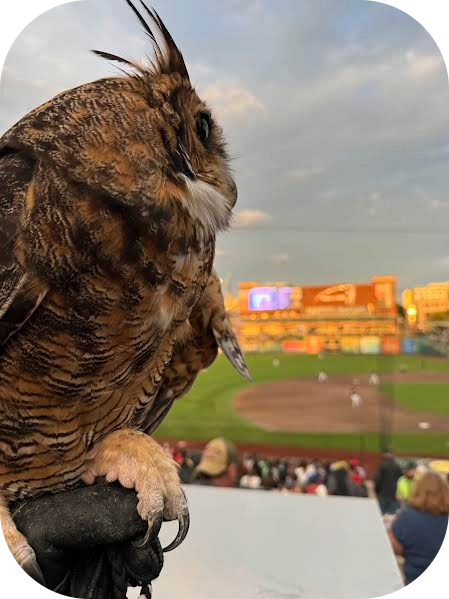
| | Athena, ready to catch a foul ball @ Tin Caps, July 3 | |  |
| |
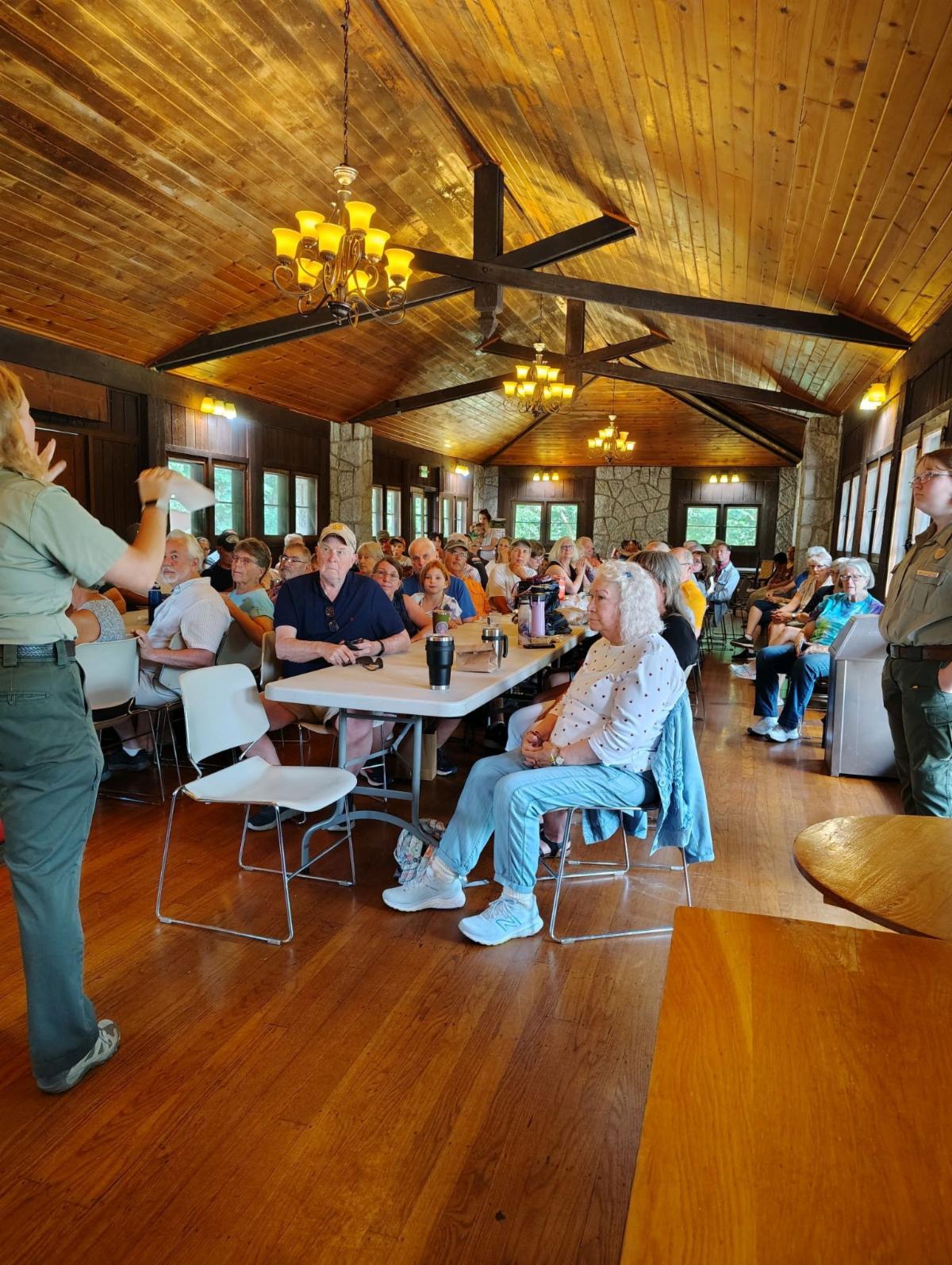
In today's hectic world, we often forget to stop and appreciate the natural beauty that surrounds us. Exposing people to Nature expands their horizons, and gives them a sense of being part of something much larger than themselves. Part of Soarin' Hawk's mission is to educate people about the importance of raptors in our world. We appreciate the opportunity to visit schools, classrooms, libraries, nursing homes, and more, to teach people of all ages about raptors.
To learn more about our education programs, or to request a program, call 260-341-0541, or visit the Educational Programs page on our web site.
| | |
We have lots of education programs coming up, in and around Fort Wayne. Come and see the birds up close, and learn about raptors, and how you can help them thrive!
If your group would like to schedule a program, call 260-341-0541, or go here for more information online.
| | THIS MONTH AT WILD BIRDS UNLIMITED | | |
Each month, Wild Birds Unlimited offers a program about some aspect of the natural world. This month, on October 25 at 2pm, they're offering "Holiday Spooktacular," with a Haunted Trail and real live bats! Stop in! Then, before you leave, stock up on backyard birding supplies! Winter is coming! Now is a good time to let the birds know they can find food at your house when the weather turns cold.
| | |
PEOPLE WORRY:
CAN A RAPTOR PICK UP MY DOG OR CAT?
| | |
A bird of prey can potentially pick up your dog or cat, but only if your pet is small enough. Most birds of prey are limited by how much weight they can lift, and it's generally less than you might think.
Birds of Prey – What They Can (and Can't) Carry
Bird. Max Wt They Can Carry Danger to Pets
Hawk (e.g., Red-tailed) ~2–3 lbs High risk to very small pets
Owl (e.g., Great Horned) ~3–4 lbs High risk to pets under 5 lbs
Eagle (e.g., Bald or Golden) Up to 6–8 lbs Risk to pets under 10 lbs
Most raptors cannot carry more than 3–5 pounds because:
- They're built for flying, not heavy lifting.
- Their talons are strong, but their flight muscles limit how much they can lift.
Pet Size & Risk
Pet Size. Risk Level Examples:
Under 5 lbs High Chihuahua, kitten, teacup breeds
5–10 lbs Moderate. Small cats, toy breeds
10–20 lbs Low. Mini poodles, larger cats
Over 20 lbs Very Low. Most dogs
Even if a raptor can’t fly off with your pet, it might still injure or kill it on the ground during an attack.
How to Protect Your Pet
- Stay with your pet when it's outside, especially if it's small.
- Avoid leaving pets alone in open yards or fields.
- Use a leash or covered enclosure.
- Remove food (pet food, birdseed, trash) that might attract raptors.
- Be extra cautious around dawn and dusk when raptors hunt.
- Be extra vigilant in nesting season (spring), when raptors are desperate to find food to feed their very hungry young. A raptor may attack and injure even a large dog if the dog gets too close to its nest.
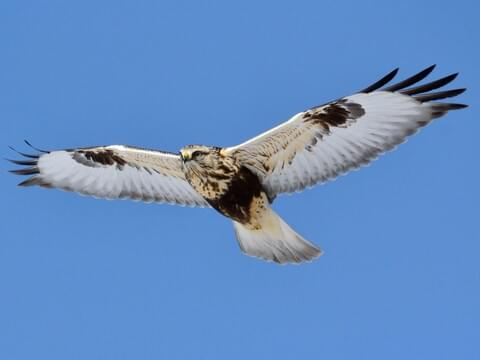
| | Watch as a pair of Rough-legged Hawks work together to raise their chicks in this excerpt from Cornell Labs' documentary on the raptors of the Colville River Special Area, Alaska. Cornell Lab cinematographer Gerrit Vyn takes you up onto a steep cliffside for intimate views of the mom tending her growing chicks during long days in the Arctic summer. It’s just one of the special moments Gerrit’s team filmed during three weeks rafting down the Colville River. Click here for video | |
|
HUNTERS (and fishers), PLEASE!
We want to remind hunters and fishers that a piece of lead shot (or fishing tackle) the size of a grain of rice can kill an eagle. There are alternatives. Please use them, and save lives. Also, please clean up your fishing line and tackle. They pose a major threat to birds and other animals. Just clean up after yourself. Keep Nature healthy. She cares for us all.
| | A WORTHWHILE CAUSE HAPPENING THIS MONTH | | The Little Turtle Chapter of the American Association of Zoo Keepers, Inc. (AAZK) is proud to announce our thirteenth annual Bowling for Rhinos (BFR) event. It will take place on Friday, October 10th, from 7:00 to 10:30 PM at Crazy Pinz Entertainment Center in Fort Wayne, IN. More information here. | | CELEBRATING SUPPORT AND GENEROSITY | | |
Thanks to all of you who have donated fish this month and every month!
| | |
Thanks to their Community Rewards Program, Soarin' Hawk receives quarterly donations from Kroger. We thank Kroger for their generosity, and thank you all for signing up to have a percentage of your total grocery bill donated to Soarin' Hawk (at no cost to you!). Want to know how to make Soarin' Hawk your designated charity at Kroger?
Click Here.
| | |
P.S. Many employers will match funds donated to non-profits by employees. Ask your employer to see if they do! Make your donation to Soarin' Hawk go even farther! We also receive donations through Network for Good.
Many, many thanks for all your donations!
| | You can share in the wonder of helping raptors if you become a Soarin' Hawk volunteer! In addition to working in the ICU, there are many other rewarding jobs to choose from, and lots of really great people to work with. Please contact our volunteer coordinator, Gigi Stewart, at gigi.stewart@soarinhawk.org, to find out when the next orientation is, so you can come and see what we do. | |
| | |
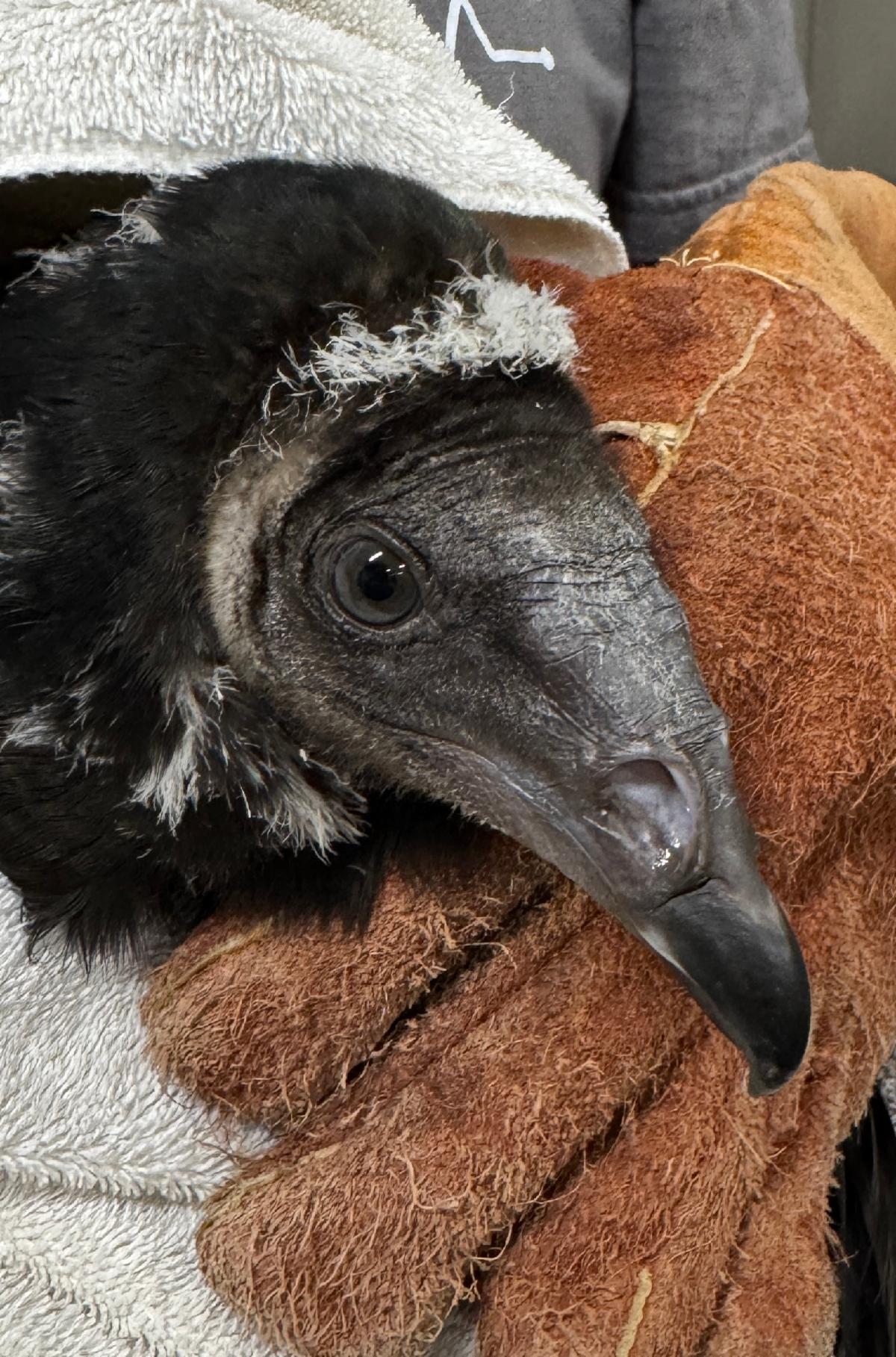
Thanks to people like you, we are able to rescue orphaned raptor babies like this young turkey vulture. (Did you know that turkey vultures don't get their red heads until they're about 1 year old?) Won't you make a donation, so we can help others like this beautiful bird? No contribution is too small! (P.S. We were honored to be able to release this young one in the territory where he was found.)
Your donation is tax deductible.
| | | | | | |