- Connecticut Public Works Promotions & Announcements
- T2 Center Training Team: Looking Ahead in 2025!
- Safety Matters: A New Year with New Drivers
- Innovation Station: The USDOT Climate Strategies that Work Playbook
- Starting the Year: Sharing and Learning with Our National LTAP Colleagues
- CTI Research Corner: CTDOT, UConn Transportation Institute Work to Increase Lane Marking Visibility on State Roads
- 2025 A Crossroads for Public Works—Where Do We Go From Here?
| |
-
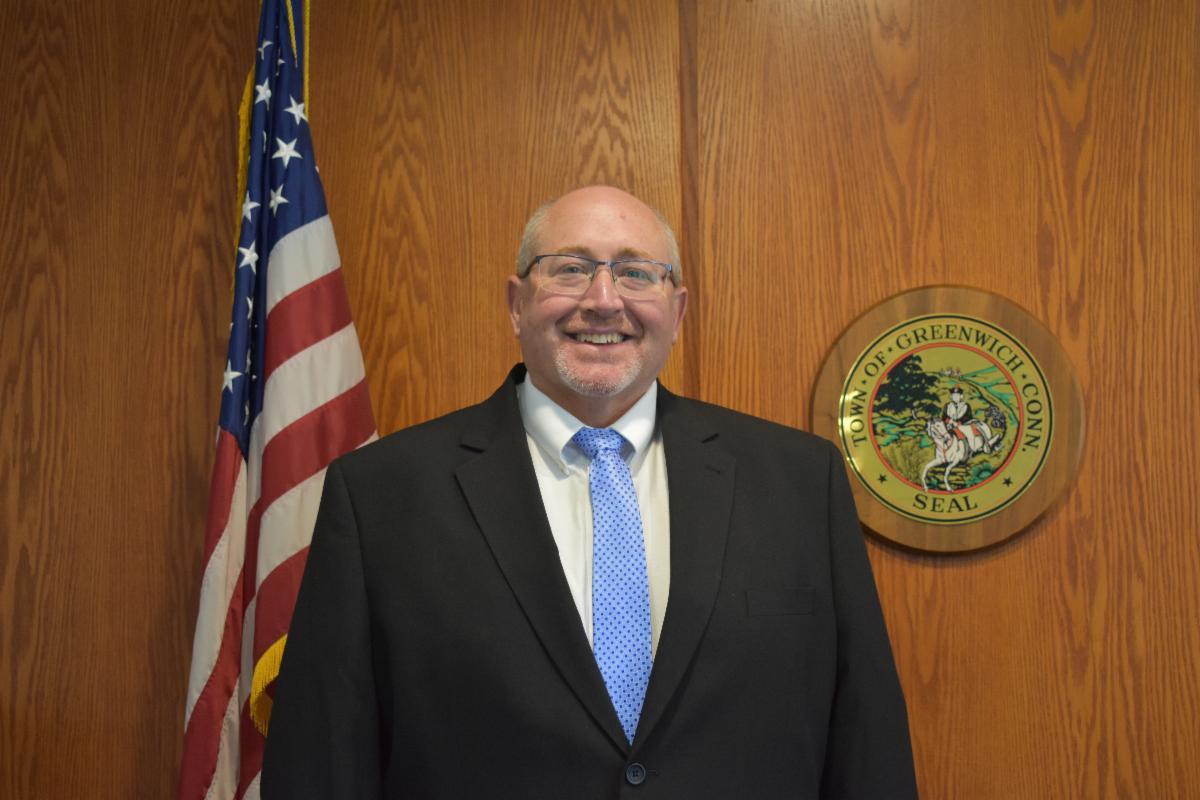
The Town of Greenwich proudly announces James Michel as the new Commissioner of the Department of Public Works, effective January 1, 2025. With nearly 30 years of civil engineering experience and over a decade of service to the Greenwich DPW, James has been instrumental in securing grants, advancing infrastructure, and leading award-winning projects. His collaborative and innovative leadership promises continued success for the department and the community.
| |
Let us celebrate your department's successes with our CT Public Works community. Please email Regina Hackett your agency's great news and we will publish it in an upcoming newsletter. | |
T2 Center Training Team: Looking Ahead in 2025!
| |
|
Thank you all for your interest in professional development and your support of the Training & Technical Assistance (T2) Center. The T2 Training Team has been hard at work planning another year full of opportunities for you and your crews to learn about new technologies and practices, share ideas and innovations, and improve your operations. We hope you find the variety of offerings interesting and beneficial to your agency.
The new workshop schedule can be found here. As you look over the schedule, please let us know if you are interested in hosting a session. We appreciate being able to offer trainings around the state and in partnership with local agencies. As a host, you will benefit from having the training in town because your staff doesn't have to travel for the class they need. You will also receive two (2) scholarship seats valued at $100.00 each from the T2 Center for your staff to attend a class of their choosing, valid for one year from issuance.
In the coming weeks, we will be sending out the Host Site Requirements with more details on the type of space we need to ensure a successful workshop session for all. If you know of a facility in your town that meets these requirements and you would like to be a host for us, we'd love to hear from you! Please contact Bethe Greene at bethany.greene@uconn.edu.
We would also like to offer an added Thank You to the 34 municipalities that hosted a T2 workshop in 2024. Your continued support is greatly appreciated!
| | |
|
A New Year with New Drivers
Having a new driver in the family can be both an exciting and nerve-wracking experience. Before your teenager gets behind the wheel, it’s important to know the laws, the risks, and the consequences and to discuss all three with them.
Before the process of becoming a licensed driver begins, your teenager is looking to you to set an example. Drive the way you want them to drive by practicing safe driving habits – obey the speed limit, use your seat belt and don’t drive under the influence. Talk to them about why you’re doing certain things while you’re in the car together to show how to drive defensively. Explain to them that there are risks – motor vehicle crashes are the leading cause of death for 15- to 18-year-olds in the United States.
| |
Set a good example by not driving distracted – one in three teens who text say they have done so while driving. Research has found that dialing a phone number while driving increases your teen’s risk of crashing by six times, and texting while driving increases the risk by 23 times. Talking or texting on the phone takes your teen’s focus off the task of driving, and significantly reduces their ability to react to a roadway hazard, incident, or inclement weather. Except in an emergency, drivers under eighteen cannot use a phone even with a hands-free device.
| | |
|
|
The USDOT Climate Strategies that Work Playbook
|
 | | The U.S. Department of Transportation (USDOT) launched the Climate Strategies that Work Playbook. The playbook outlines a menu of options for climate champions and local leaders to make data-backed choices that are right for their communities. The playbook is a new comprehensive resource developed to guide cities, regions, industry leaders, philanthropic strategists, and transportation professionals at every level in implementing the most effective strategies for reducing greenhouse gas emissions in the transportation sector. The playbook provides actionable information for 27 transportation-related emission reduction strategies through well-vetted guides detailing benefits, implementation steps, and resources. Informed by the U.S. National Blueprint for Transportation Decarbonization, the playbook emphasizes convenient, efficient, and clean transportation solutions, while also considering equity, safety, and economic growth, ultimately helping communities grow stronger, safer, smarter, and more sustainable.
| |
Starting the Year: Sharing and Learning with Our National LTAP Colleagues
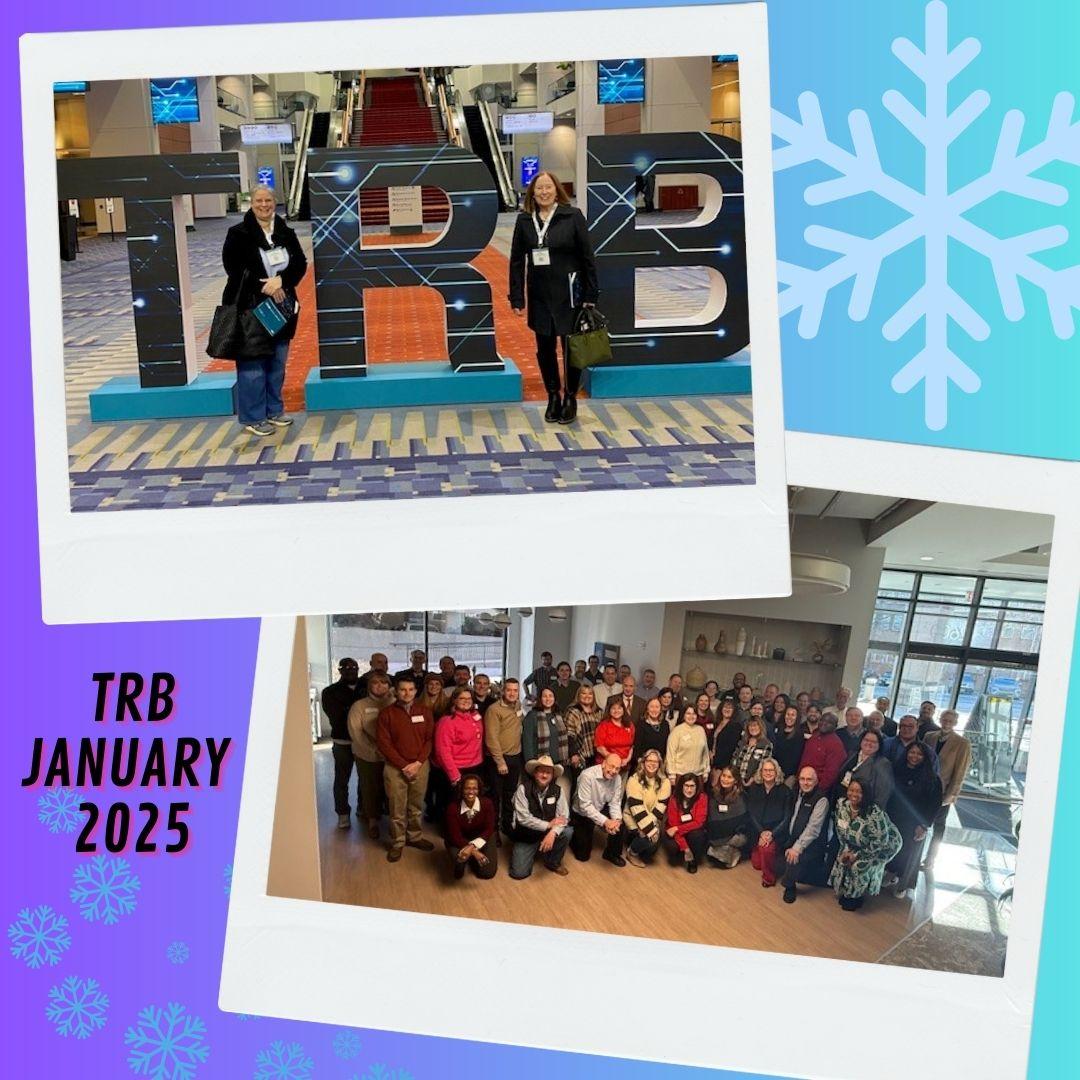
Mary McCarthy and Donna Shea started the year at the Transportation Research Board (TRB) Meeting in Washington, DC, with 11,000 other transportation professionals. Eight inches of snow did not stop them from attending many educational sessions, committee meetings, and the National Local Technical Assistance Program Association (NLTAPA) Annual Winter Business Meeting.
| | |
|
CTDOT, UConn Transportation Institute Work to Increase Lane Marking Visibility on State Roads
Difficult-to-see lane markings, coupled with issues of aggressive driving and speeding, make a recipe for disaster on roadways.
2024 was one of the deadliest years in Connecticut for car accidents in the past decade, according to the UConn Crash Data Repository. As of Dec. 23, 2024, 314 fatalities came from motor vehicle accidents last year.
Eric Jackson of the Connecticut Transportation Institute at UConn, or CTI, attributes most of these tragedies to reckless drivers. But highway infrastructure issues can play a role as well.
A project involving the Connecticut Department of Transportation, or CTDOT, and the Connecticut Transportation Institute or CTI aims to identify which roads need more reflective markings and to work on repainting those roads.
| |
2025 A Crossroads for Public Works—Where Do We Go From Here? | Well, no doubt, 2024 has left us scratching our heads and wondering, “Where do we go from here?” In many ways, this year will stand out in history. Its impact on public works was—and will continue to be—profound. From the devastating hurricanes that left Florida, North Carolina, Tennessee, and other states grappling with major infrastructure rebuilding efforts for years to come to a significant shift in political representation in Washington, public works professionals must rethink approaches to services in our communities. | APWA’s legislative priority areas became increasingly urgent in 2024, and the industry will need to double down on advocacy efforts to secure support at the local, state, and national levels. The importance of these priorities—emergency management, transportation, and water resiliency—was reinforced by the aftermath of Hurricanes Debby, Helene, and Milton in 2024. Communities devastated by these storms faced unimaginable challenges in emergency response and will face years of rebuilding transportation, water, and other public works infrastructure. The lessons learned will create a long list of needs and shortcomings that must be addressed—not only for our communities but for future generations. | | |
|
|
Connecticut Training and Technical Assistance Center
University of Connecticut
270 Middle Turnpike, Unit 5202
Storrs, CT 06269-5202
Phone: 860-486-9373
| | | | |