Greetings!
We have enjoyed/endured a busy summer, and recognize that we haven’t shared much in this forum in a few months. We provide you with some updates as to our work, and speak to a couple of trends that we have become aware of via conversations with sites across the country.
NIPFC has been awarded contracts by the Judicial Council of California to provide both regional and county based training setting over the next 3 years in California. Our first (one-day) training will occur on September 28th and will be a zoom-based training for the northern counties in CA. We will be “touring” the state in the following 2 years to provide this training, hopefully in person at some point, for 5 other regions. This training is targeting Legal and Emotional Permanency, and highlighting the importance of system alignment to achieve better outcomes for the youth and families we all serve. We will be inviting system leaders from the counties within the region to the training (Presiding Judges and Tribal Courts, Probation, Child Welfare and Behavioral Health leaders, and other key leadership that counties identify) to form plans to improve their system alignment and subsequently their outcomes for children, youth and families.
NIPFC will also be conducting 10 CA county-based trainings during this same time-period, led by Senior Trainer Kelly Lynn Beck. These trainings will occur remotely for now and hopefully in-person at some point, and the two-day content focuses on family finding and engagement strategies and techniques, designed for juvenile dependency attorneys and professionals working within juvenile dependency and probation. Kelly will also bring attention to furthering system alignment to support the plan to meet the mandates and objectives of state and federal family finding types of legislation.
Meanwhile, NIPFC continues to partner with Seneca Family of Agencies to provide training to support practice transformation in California’s congregate care agencies to meet the state requirements for Short-Term Residential Treatment Programs and promote urgency to ensure that agencies are forging or maintaining connections and networks with those who are already, or will be, important to the young person long after they exit their care.
Beyond these updates, we wanted to speak to a couple of trends we have observed in the last few months across the country. Firstly-we are noticing that the impacts of Covid-19 delayed or interfered services to families and access to their children in care have stalled the “exits to legal permanency” in many, if not all sites. For instance in California, the statewide average for these exits shows a 20% decrease over the previous two year averages. We believe this provides additional urgency to attend to children and youth who are languishing in care, recognizing that time they spend without daily access to those they belong to and love can damage them, shorten their lifespan and increase their vulnerability to physical and mental health challenges.
Secondly, we are hearing nationally from both public and private child welfare agencies that there has been an accelerated exodus from both the direct service as well as supervisory positions over the last few months. There are fewer new candidates applying to these positions and are resulting in higher caseloads on a strained workforce to provide mandated support and services to the families. While the field has survived these strains and hiring crises in the past, and every locality has some uniqueness to their challenges which requires a customized approach. We want to underscore the ongoing opportunity to re-think and reform the nature of our work. As we have highlighted previously, we are moving from a system designed to protect children from their families, to one that supports families to keep their children safe. We must discard obsolete practices, procedures, and policies that marginalize families and isolate their children. We must revise our systems to ensure that the people who know most about the children in out-of-home care—their families—are present and involved in all decisions impacting the lives of their kin. Our experience with those workers who are able to concentrate and deliver these kind of experiences to the families they serve is that they are dedicated and committed to the work, they creatively work with families to provide support their children need and reduce the impact on the professional system to do tasks they are not well-equipped to do, and they are more satisfied day in and day out with the quality of their work as it aligns with their values. Compliance-driven, check-the-box organizational mentalities and oversight often disconnects people from the work they value and know, leading to a fear-based workforce which relies on organizational authority and institutional power (resulting in furthering inequitable service and outcomes) and reduces the relational capacity of the workforce to connect, engage and involve those they serve. Furthermore, we are compelled to rethink our hiring processes to select people who enjoy working with families, and can effectively engage and involve families in a family-centered collaborative practice model that is more effective than oppressive agency-centered practices.
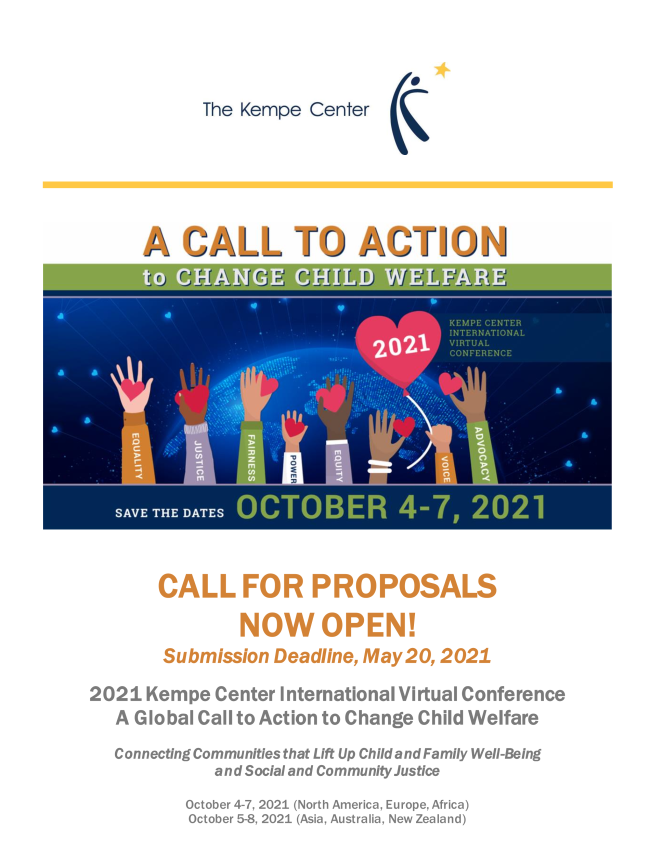
We are sharing two items in this September blast. Firstly-the Kempe Center’s “Call to Action to Change Child Welfare” Conference is open for admission. This is one of the premier conferences to attend, which invites people from all over the world to participate via zoom, and expects over 2,000 participants in the virtual space. The conference agenda has more than 200+ progressive and transformative sessions which the conference organizers hope will inspire change through dialogue, thought leadership, systems change, innovative practice and accessible research. (for more specifics and the link to register, see below). NOTE: Bob Friend will be holding a conversation circle which focuses on advancing practices designed to build and strengthen family networks on Monday October 4 at 4:30pm PDT.
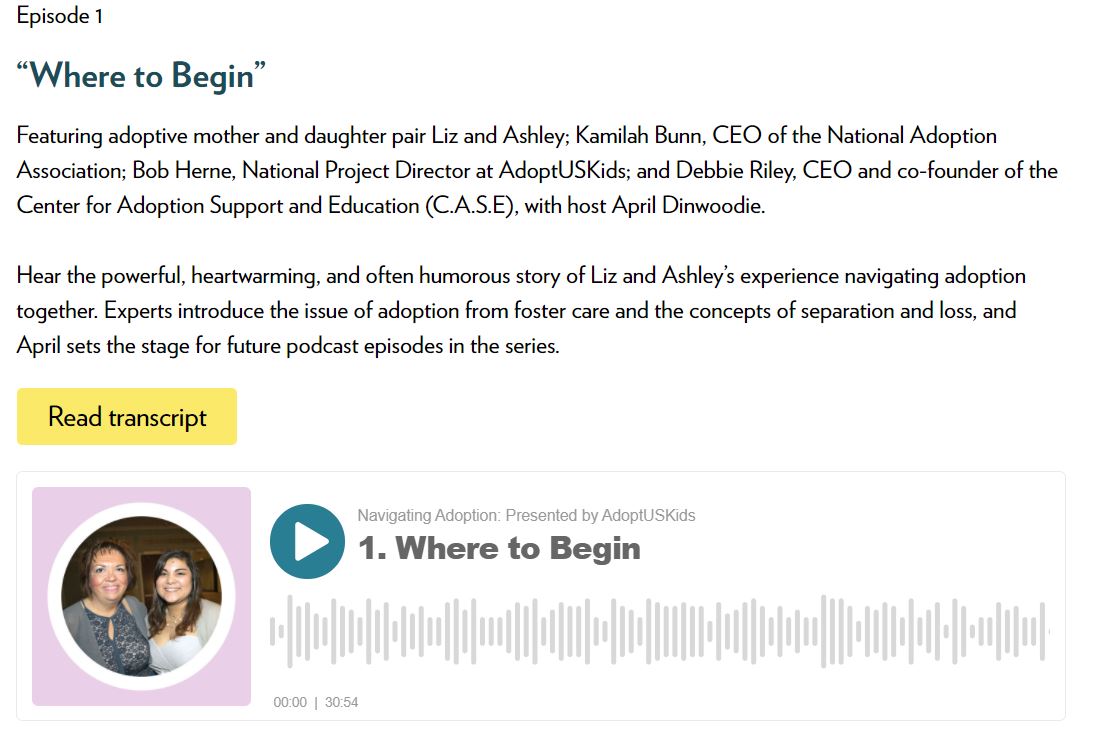
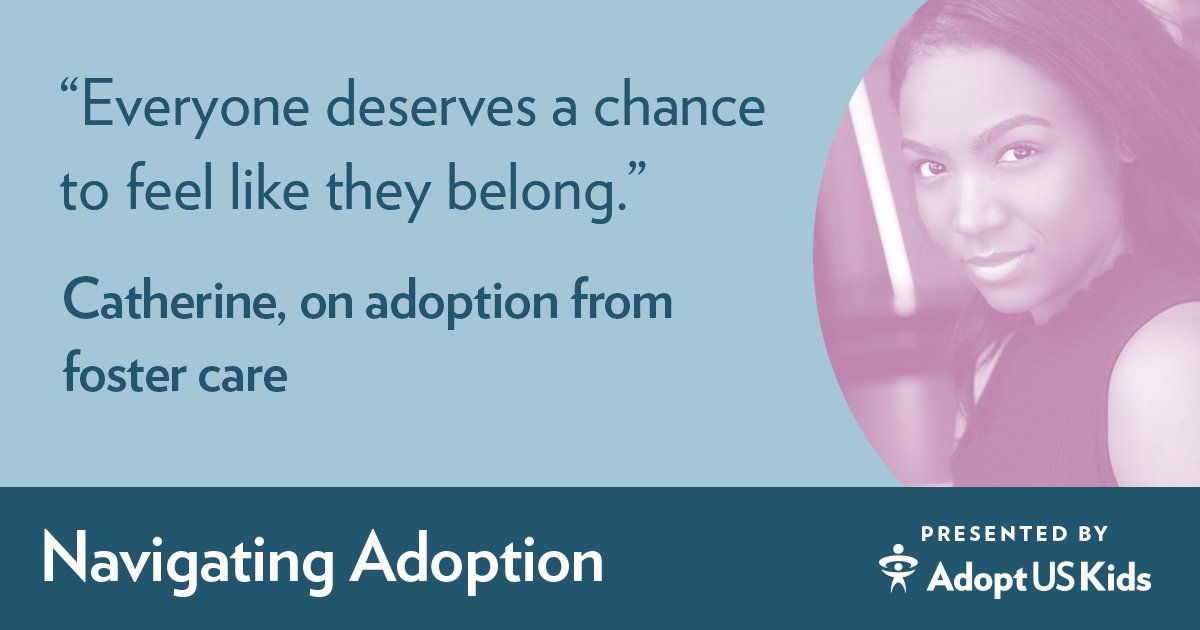
Secondly, we share the first installment in a podcast series, Navigating Adoption: Presented by AdoptUSKids, which features experts in the field of adoption who’ve dedicated their lives to connecting youth to families. For more information or to subscribe to the podcast, see below.