Advancing our understanding of atmospheric composition and climate | |
The Chemical Sciences Laboratory (CSL) is one of ten NOAA Research Laboratories located throughout the United States organized under the office of Oceanic & Atmospheric Research (OAR). CSL is one of four individual OAR labs located within the David Skaggs Research Center (DSRC) in Boulder, Colorado. The research conducted at CSL aims to advance scientific understanding of the chemical and physical processes that affect Earth's atmospheric composition and climate. | |
Summer is always an exciting time at CSL, packed full with field campaigns and cutting-edge research! In this issue, we're recapping our recent summer field season and the latest news and announcements from the Lab. | |
First-of-its-kind dataset connects greenhouse gases and air quality | |
|
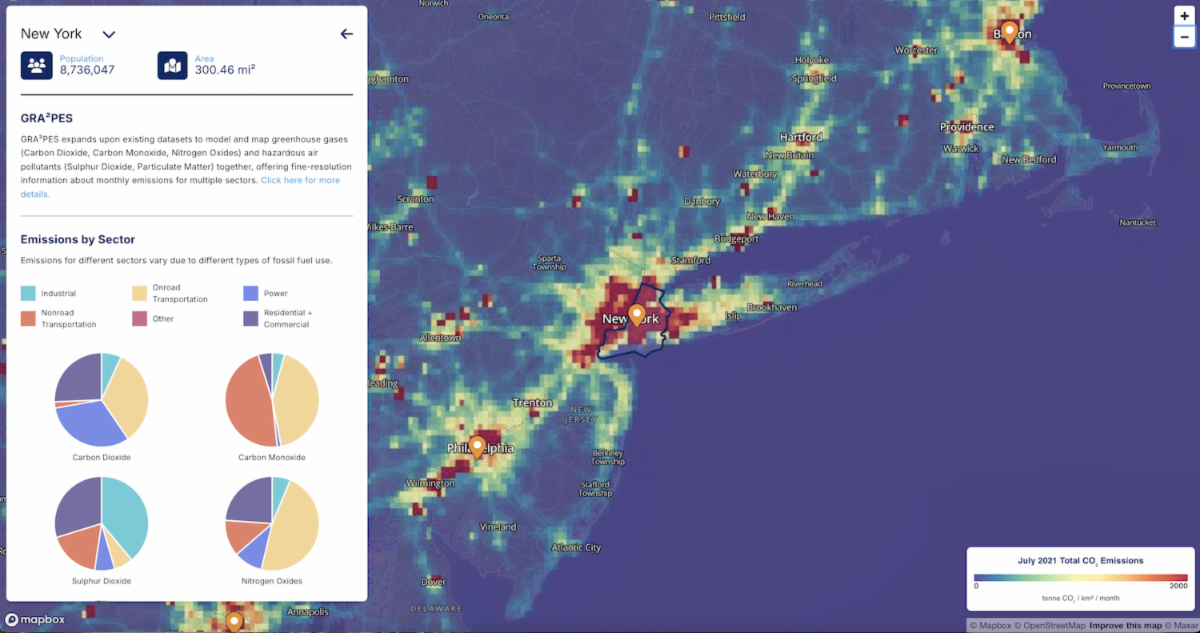
A new U.S.-based system to combine air quality and greenhouse gas pollution sources into a single national research database is now available in the U.S. Greenhouse Gas Center portal.
The GReenhouse gas And Air Pollutants Emissions System (GRA²PES), a joint activity between NOAA's Chemical Sciences Laboratory and the National Institute of Standards and Technology (NIST), combines emissions information on greenhouse gases and air quality pollutant sources into a single national database, offering innovative interactive map displays and new benefits for both climate and public health solutions.
GRA²PES captures monthly greenhouse gas (GHG) emissions activity for multiple economic sectors to improve measurement and modeling for both GHG and air pollutants across the contiguous U.S. This geospatial data allows leaders at city, state, and regional scales to more easily identify and take steps to address air quality issues while reducing climate-related hazards for populations.
"Using GRA²PES, we can see that with the electrification of transportation in New York City, carbon dioxide could be reduced by 43%, while nitrogen oxide emissions could be simultaneously reduced by 62%," explained Brian McDonald as just one example of the kinds of insights that can be gleaned from GRA²PES. Dr. McDonald is NOAA's lead scientist for GRA²PES.
| |
Summer airborne research targets Rocky Mountain ozone pollution in partnership with local regulators | |
The multi-year AiRMAPS research program kicked off this summer with back-to-back field projects investigating greenhouse gas and air pollutant emissions in Colorado and Utah | | |
|
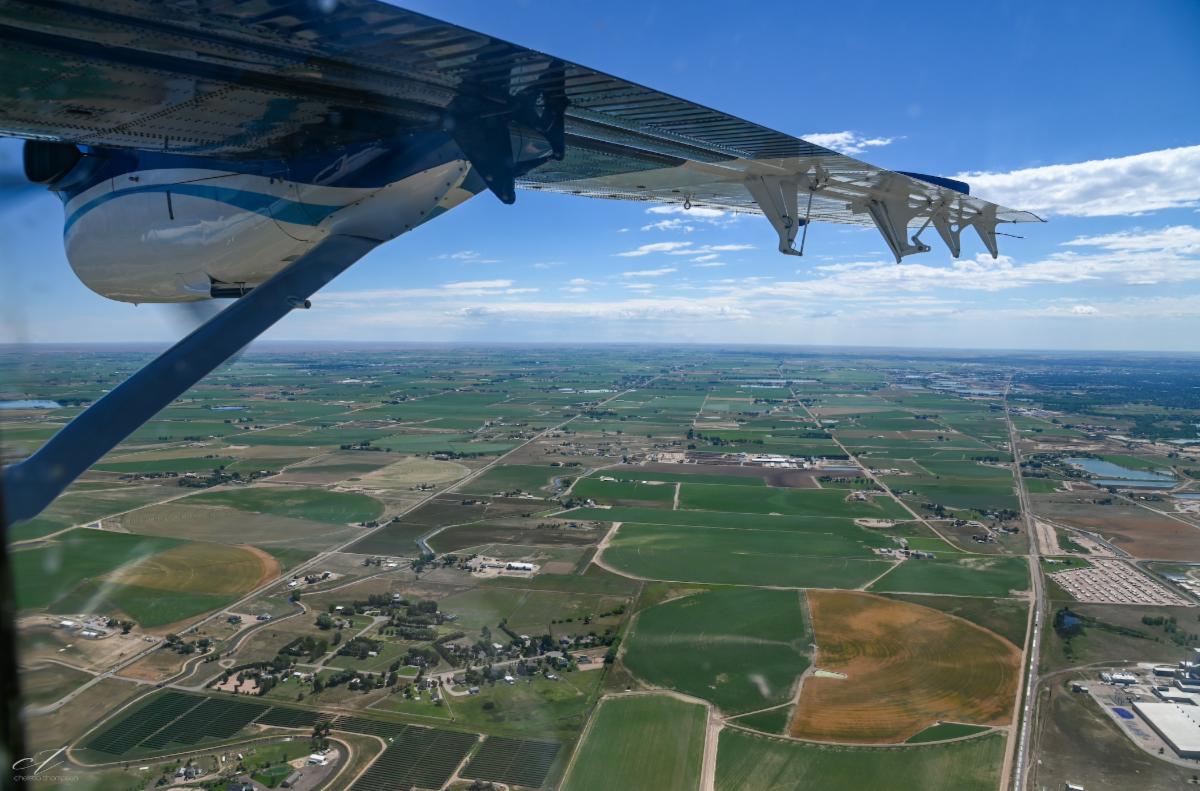
NOAA scientists and several partners spent most of the summer taking a fresh look at persistent air pollution problems bedeviling the nation's two largest Mountain West metro regions, Denver and Salt Lake City, from the ground, in the air and from space, during two back-to-back research projects: AMMBEC (Airborne Methane Mass Balance Emissions in Colorado) and USOS (Utah Summer Ozone Study). | |
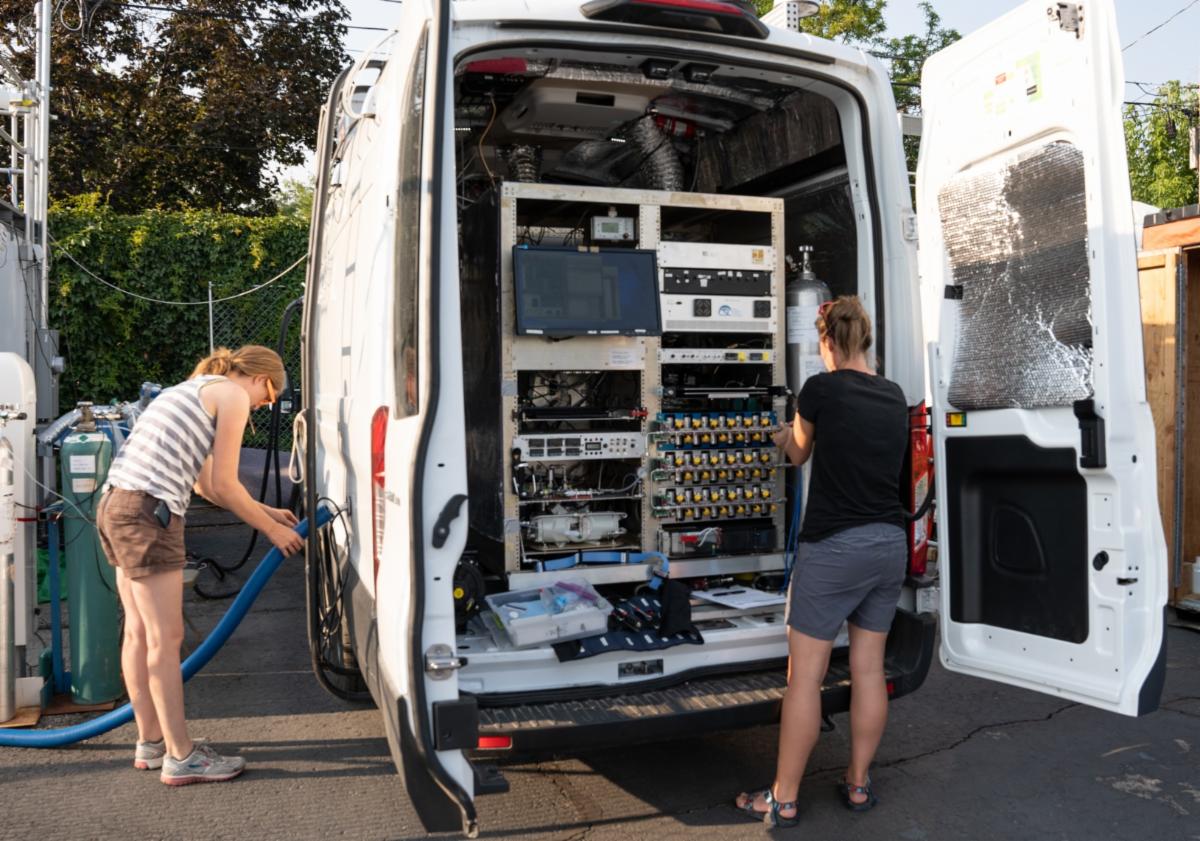
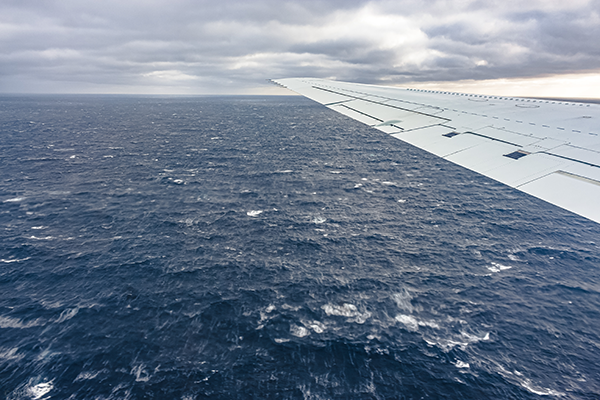
For two weeks in July, NOAA scientists from CSL, ARL, and GML, joined by NASA and state officials, fanned out across northeastern Colorado's Denver-Julesburg basin, one of the most densely drilled oil and gas regions in the country. Specialized instruments mounted on airplanes and mobile laboratories allowed researchers to measure emissions of greenhouse gases and the air pollutants that contribute to the high summer ozone pollution that has long plagued the Denver Metropolitan Area. CDPHE's Air Pollution Control Division anticipates the NOAA study will provide valuable information quantifying greenhouse gas emissions that cause climate change, and identifying factors contributing to summertime ground-level ozone pollution. | |
Immediately following the Denver measurements, the teams relocated to Salt Lake City where the NOAA airborne and mobile labs were supplemented with several ground sites operated by university collaborators across the metro area. Like Denver, Salt Lake City has been contending with high summer ozone levels exceeding the National Ambient Air Quality Standards. NOAA researchers were invited to Salt Lake City by the Utah Division of Air Quality to assist local regulators in determining the primary causes of summer ozone production in the region. | |
|
The pair of 2024 projects represent the first phase of a five-year campaign, called Airborne and Remote sensing Methane and Air Pollutant Surveys (AirMAPS). Led by NOAA Research and NOAA's National Environmental Satellite and Information Service, six discrete projects between 2024 and 2028 will survey the majority of U.S. oil and gas basins between 2024 and 2028 to assess current oil and gas methane and air pollutant emissions. | |
CSL Scientists Partner with NASA to Better Understand Complex Interactions
Between the Ocean and the Atmosphere
| |
|
The Plankton, Aerosol, Cloud, ocean Ecosystem (PACE) satellite mission is NASA's latest and greatest effort to study the ocean-atmosphere system and build upon the legacy of previous satellite missions that have revolutionized our understanding of our home planet. By using advanced radiometric and polarimetric instruments to measure ocean color and key atmospheric variables, PACE aims to provide new insights into the complex interactions between the ocean, atmosphere, and biosphere. This information will be critical for improving our ability to model and predict changes in the Earth's climate, as well as to manage and conserve our planet's valuable natural resources.
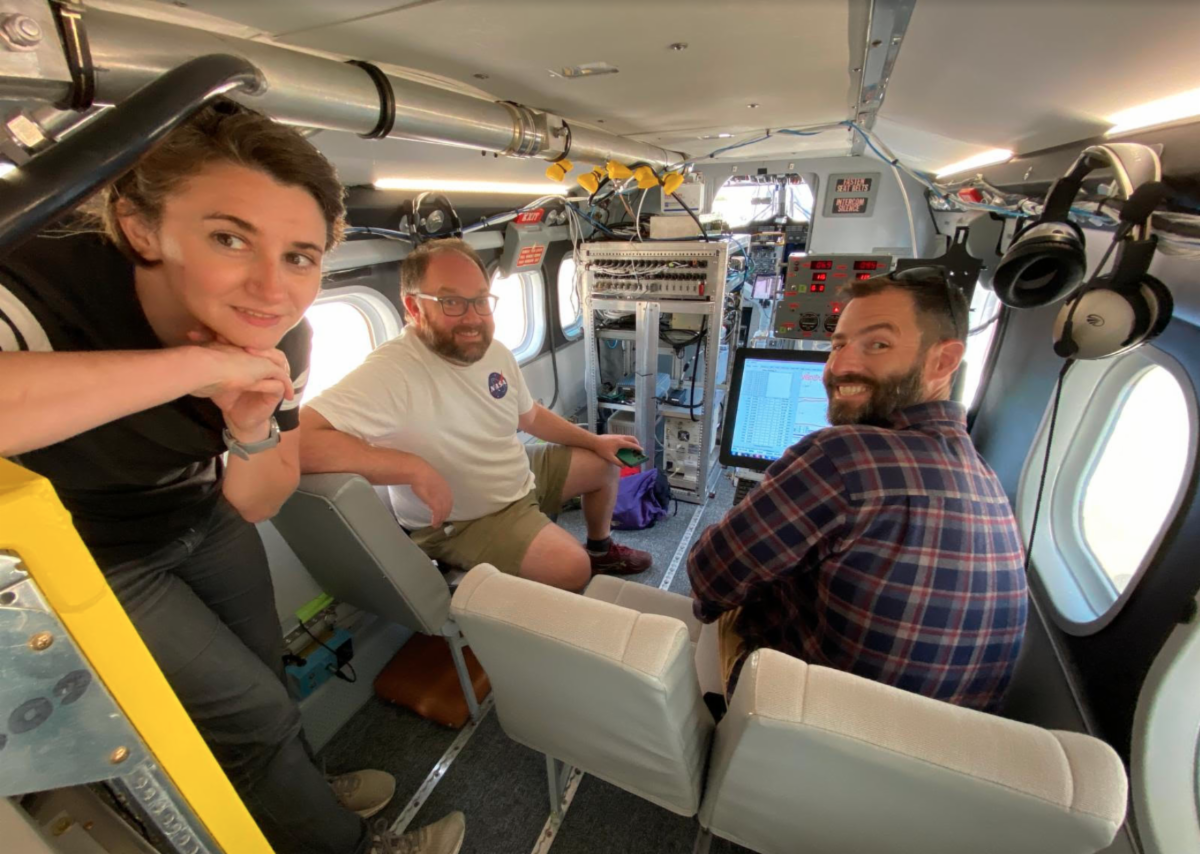
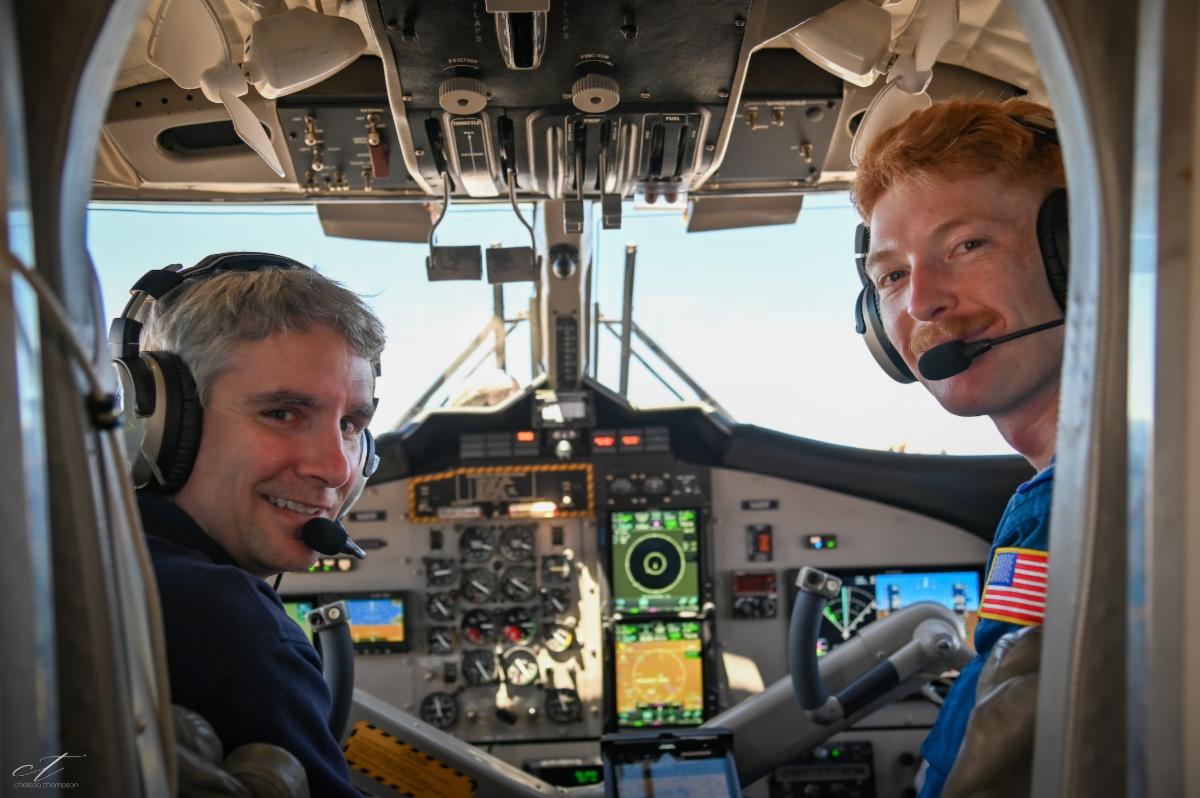
In September, NASA hosted the PACE Postlaunch Airborne eXperiment (PACE-PAX) campaign, using airborne and ship-based instrumentation to make in situ measurements of aerosols, cloud properties, and ocean properties to validate the new PACE satellite data products. NOAA CSL lended its expertise to the mission to measure the optical properties of atmospheric aerosols. CSL/CIRES scientists Adam Ahern and Cecile Carlson, shown below, operated the Laser Imaging Nephelometer on the CIRPAS Twin Otter during the mission.
| |
Ocean Spray is Relatively Lifeless | | |
|
Sea spray aerosols – the most abundant natural aerosol in Earth's atmosphere – are made up primarily of salt, but they can also contain traces of other chemical compounds, and even biologically produced proteins and sugars. These molecules from ocean organisms may change how aerosols affect Earth's climate, and even plant and animal health, by modifying the particles' sizes, concentration, chemistry, and tendency to take up water. But previous studies haven't conclusively established average levels of organic content in sea spray. | |
|
Researchers address that shortcoming, using data from four deployments of the NOAA Particle Analysis by Laser Mass Spectrometry (PALMS) instrument during NASA's Atmospheric Tomography (ATom) mission over remote areas of the Atlantic and Pacific oceans between 2016 and 2018. PALMS measured the mass of organic molecules in the sampled aerosols, allowing the researchers to deduce the extent to which life influences the composition of sea spray aerosols.
They found that overall, the organic mass fraction of sea spray aerosols is low (less than 10% in most cases), though smaller particles had higher proportions of organics. They also found little seasonal variability in the organic mass fraction, a strong sign that living organisms, the abundance of which waxes and wanes with the seasons, weren't much involved.
| |
OAR's AA and DAA Get an Up Close
Look at CSL Research
| |
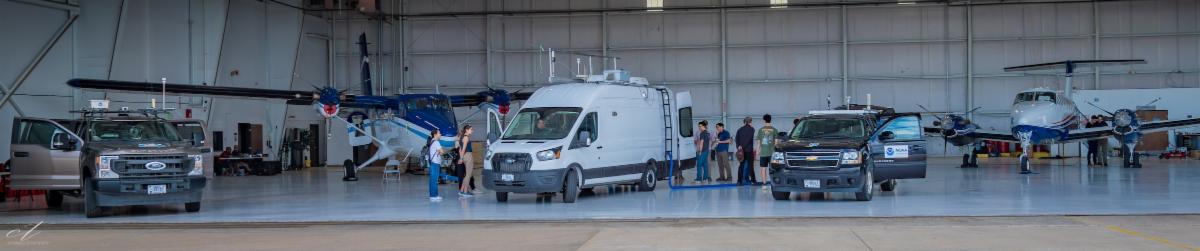
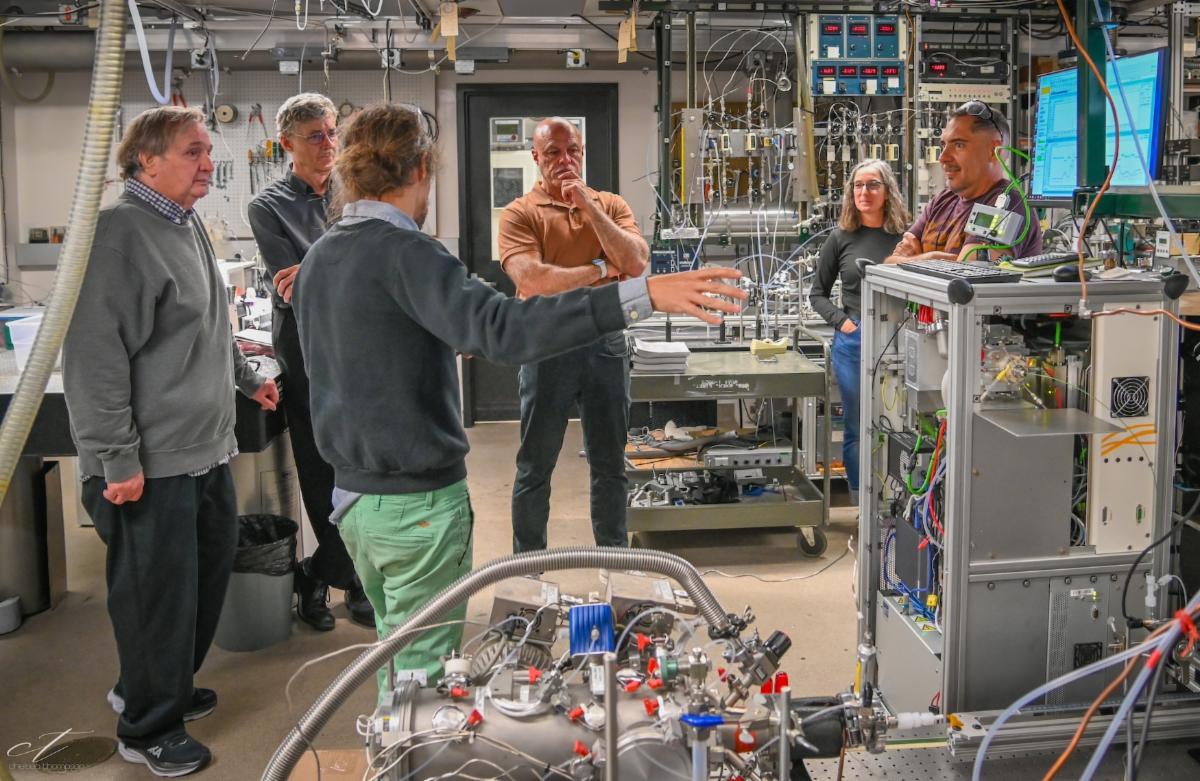
This summer, CSL hosted OAR's Assistant Administrator Steven Thur and Deputy Assistant Administrator for Science John Cortinas for separate multi-day visits where both leaders were able to get a deep dive into CSL's research, tour the laboratories a mobile labs, and have valuable interactions with CSL staff and early-career scientists. During his July visit, AA Thur was also able to experience airborne air quality research flying aboard the NOAA Twin Otter during the AMMBEC campaign. | |
Local Wildland Firefighters Tour NOAA Boulder to Learn About Cutting-Edge Fire Research | |
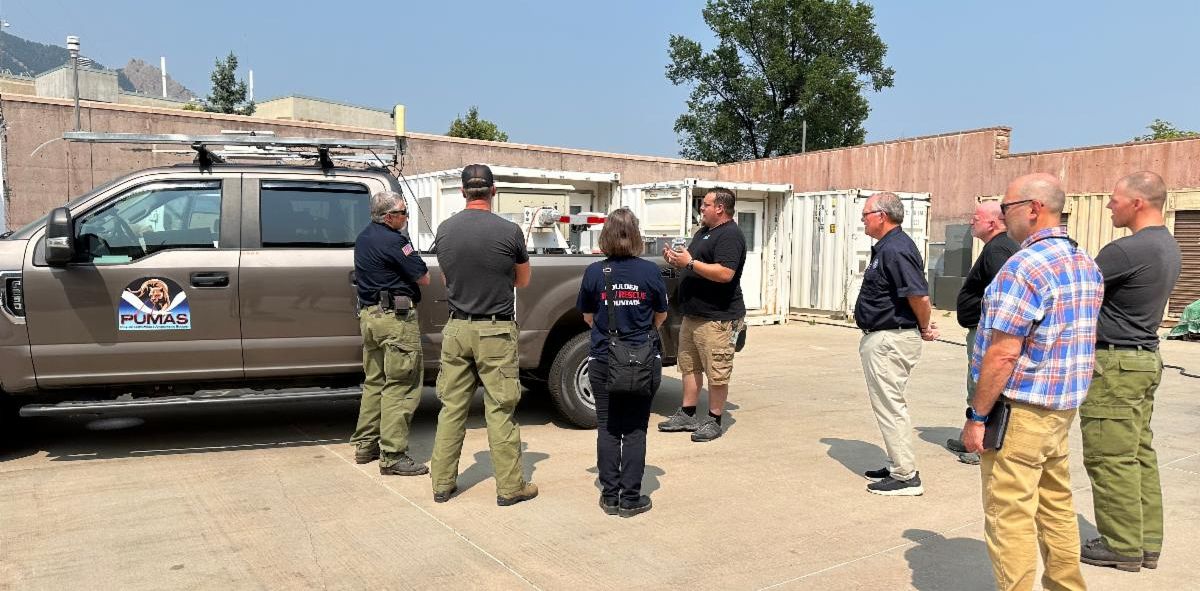
Also in July, NOAA Boulder hosted a visit from wildland firefighters and wildfire mitigation crewmembers from the Boulder Mountain Fire Department to learn about new fire weather research, models, and tools being developed at NOAA. In CSL, the firefighters were shown the NightFOX UAS system that has been developed in house to perform high-resolution measurements of fire radiative power and the PUMAS PickUP-based Mobile Atmospheric Sounder that has been used to collect real-time 3-D measurements of wind fields, fire behavior, and smoke emissions, most recently during the 2022 California Fire Dynamics Experiment (CalFiDE). The group also visited the Physical Sciences Lab, the Global Systems Lab, and the Weather Service, and learned about the new fire research and modeling R&D activities underway in the NOAA Fire Weather Testbed. | |
CSL Scientists Receive NOAA Bronze Medal for
Marshall Fire Air Quality Response
| |
|
Carsten Warneke and Jessica Gilman receive a NOAA Bronze Medal for scientific/engineering achievement "for exceptional service to communities affected by the Marshall Fire in providing timely air quality information to support recovery efforts." They are recognized with Cooperative Institute for Research in Environmental Sciences (CIRES) affiliates Chelsea Stockwell and Matthew Coggon (both now CSL federal staff), Jeff Peischl, Kristen Zuraski, and Ken Aikin.
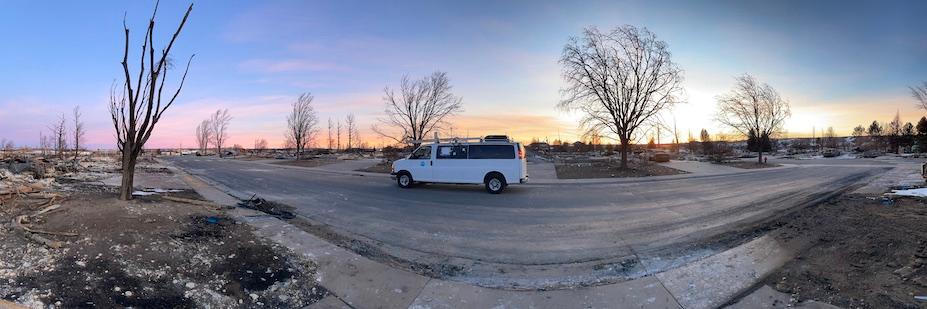
The team is honored for extraordinary effort in response to the Colorado Marshall Fire disaster. The fire destroyed over 1000 homes and led to significant air quality concerns that could have hindered fire recovery efforts. With 24-hour notice, the team conducted multiple drives throughout the burn area with a mobile laboratory (van) equipped with state-of-the-art air chemistry measurements for volatile organic compounds (VOCs) and other pollutants, to assess levels and spatial distributions of potential air toxics released from still-smoldering debris. Results were communicated immediately to authorities and the public to alleviate concern about air quality risk and enable ongoing recovery efforts.
Read more >>
| |
Ru-Shan Gao Receives
NOAA Distinguished Career Award
| |
|
Dr. Ru-Shan Gao receives a 2023 NOAA Distinguished Career Award for Scientific Achievement, for "conceiving and implementing novel experimental and analytical techniques to improve understanding of atmospheric chemistry and physics."
Dr. Gao is honored for his outstanding contributions to atmospheric science sustained over more than two decades in the NOAA Chemical Sciences Laboratory. He has demonstrated exceptional creativity and innovation in designing, constructing and deploying instruments to measure aerosol (small particles) and gases in the atmosphere and in the analyses of his atmospheric field measurements in the troposphere and stratosphere that have led to many insights and discoveries. The NOAA mission has benefited substantially from his outstanding productivity as a research scientist. With more than 160 peer-reviewed publications, 8 invention disclosures and the technology transfer of a new instrument, his portfolio of accomplishments exceeds that of many of his peers.
Read more >>
| |
|
Daniel Murphy Receives
NOAA Technology Transfer Award
| |
|
Dr. Daniel Murphy receives a NOAA Technology Transfer Award for "developing a novel, self-calibrating instrument for measuring aerosol extinction that has been patented and commercialized."
Dr. Murphy developed a new instrument to measure aerosol extinction. Its unique characteristics allow it to be deployed in almost any situation and for extended periods of time without losing accuracy. After patenting, the technology was licensed and commercialized by Nikira Labs through the NOAA Small Business Innovation Research (SBIR) program.
Read more >>
| |
|
People of CSL — Staff Spotlight
| |
CSL Welcomes New Administrative Officer
Jason Watkins
| | |
|
|
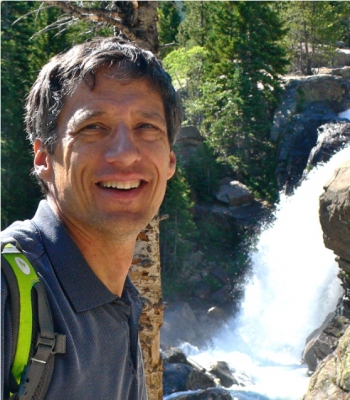
CSL is excited to welcome our new Administrative Officer Jason Watkins, who joined the Lab on October 6.
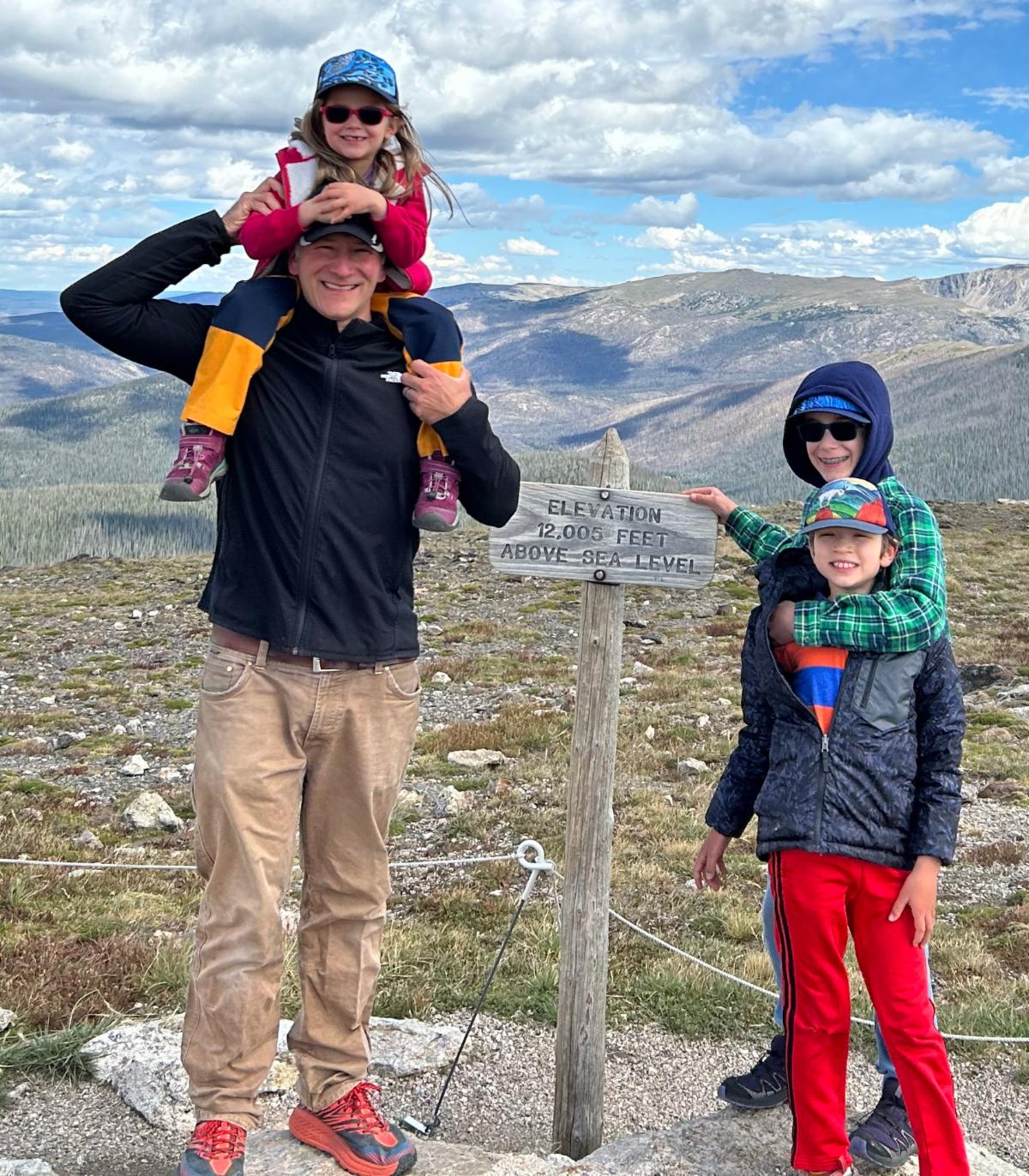
Before joining NOAA, Jason was an Administrative Officer with the National Park Service. He worked at Sequoia and Kings Canyon National Parks from 2014-2019 and Rocky Mountain National Park from 2019-2024. From 2008-2012, he lived and worked in Washington, DC. Jason has a Bachelor of Arts with a double major in Philosophy and Spanish from Bethel University in St. Paul, MN, and a Master of Public Policy from Duke University in Durham, NC. In addition to a fondness for a good spreadsheet, Jason loves hiking, backpacking, camping, and skiing. Jason is married and has three kids.
| | | | |