What's New at NOAA Research: July/August 2022 |
|
-
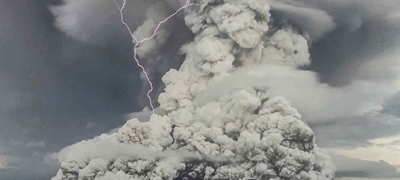
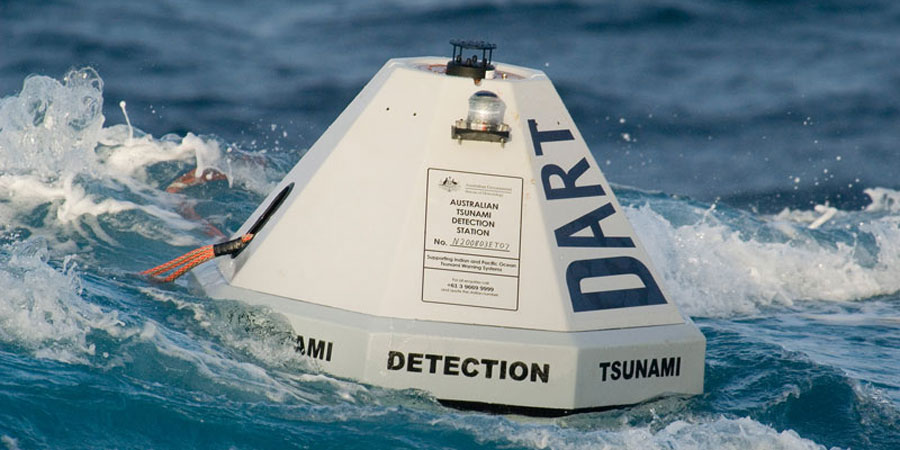
Research Highlights, including launch of Heat.gov, 20th Century Reanalysis project, Tonga eruption highlights NOAA technological innovations, HRRR model smoke forecast accuracy validated
-
People of NOAA Research, GOMO's welcomes 2 team members, AOML's new oceanographer
-
News from the Cooperative Institutes, CICOES 14 new interns
-
Innovation Corner, new deep-sea methane spectrometer, new partnerships with 3 companies
-
Upcoming Events, annual Soar Into Summer (SIS) Learning Series
*Note: the links we include in this newsletter are safe to click!*
|
|
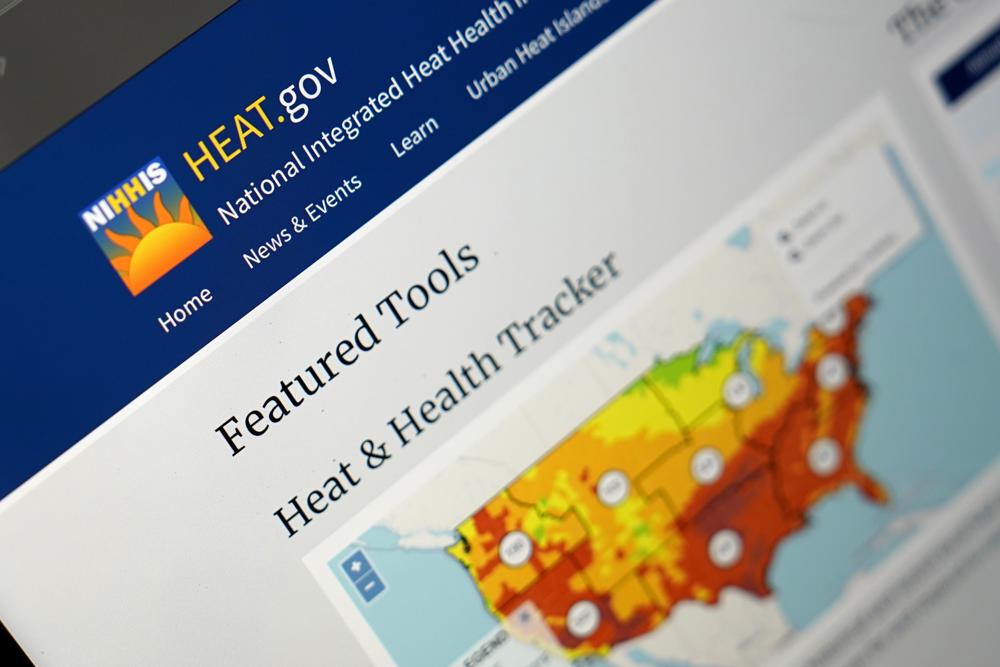
Launch of Heat.gov is just the latest measure to address extreme heat |
|
|
|
|
The Twentieth Century Reanalysis (20CR) project |
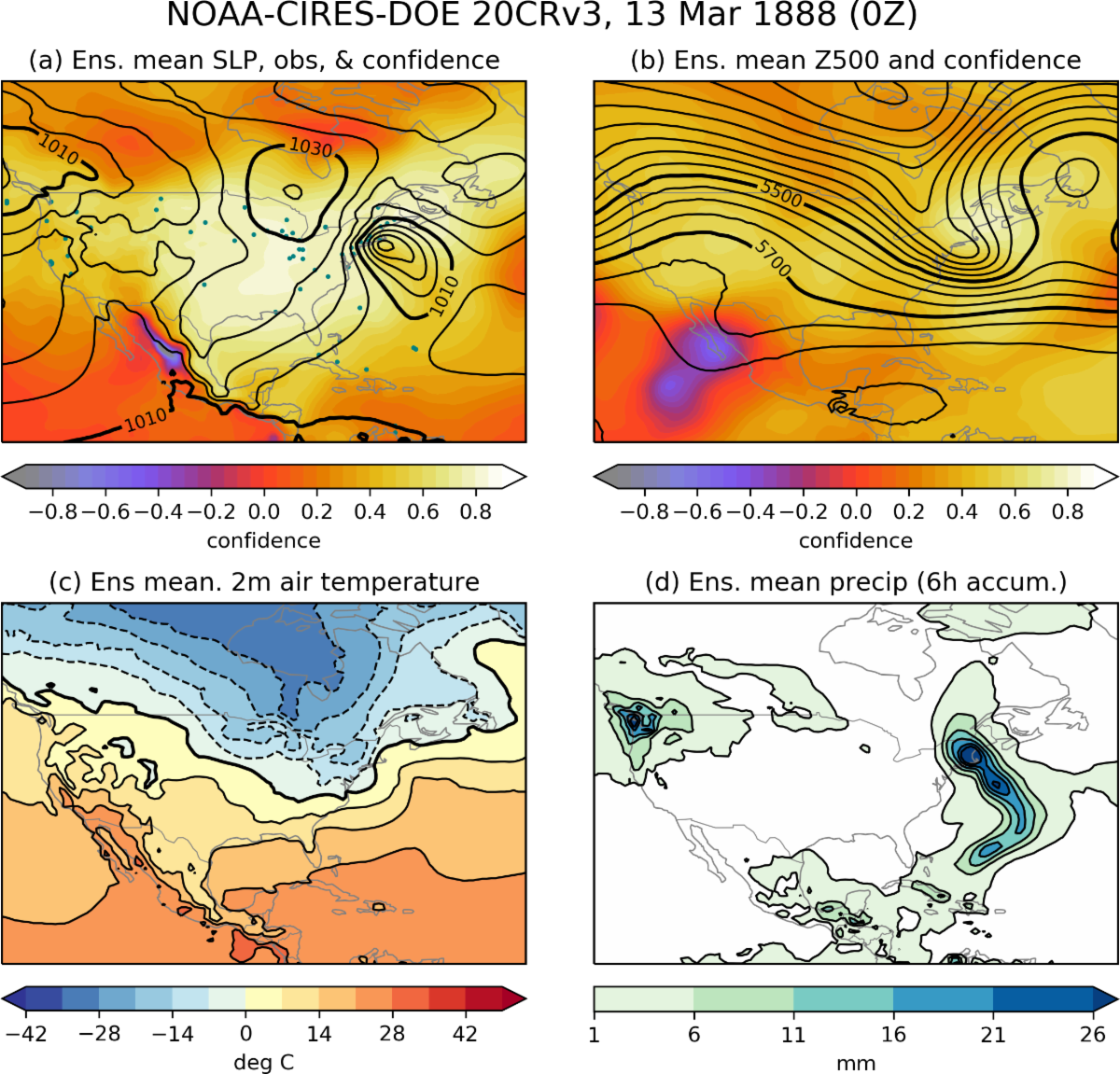
Using a state-of-the-art data assimilation system and surface pressure observations, the NOAA-CIRES-DOE Twentieth Century Reanalysis (20CR) project has generated a four-dimensional global atmospheric dataset of weather spanning 1836 to 2015 to place current atmospheric circulation patterns into a historical perspective. 20th Century Reanalysis and PSL. Four-dimensional historic weather reconstructions, or reanalyses, provide a crucial instrument-based link between long paleoclimate reconstructions and climate model forecasts. But until recently, the earliest reanalysis began with the year 1948, leaving out many important 20th century climate events, such as the 1930’s Dust Bowl. The researchers used the state-of-the-art Twentieth Century Reanalysis dataset developed by NOAA's Physical Sciences Lab and climate model experiments as a central part of the new research.
|
|
|
|
Guam Sea Grant achieves landmark institutional status |
NOAA and Sea Grant are pleased to announce that Guam Sea Grant has achieved status as a Sea Grant Institutional Program at the University of Guam, a designation of growth from the program’s previous Coherent Area Program status. As an Institutional Program, Guam Sea Grant will be able to increase its contributions to the national Sea Grant network and enhance the practical use and conservation of Guam’s marine and coastal resources.
|
|
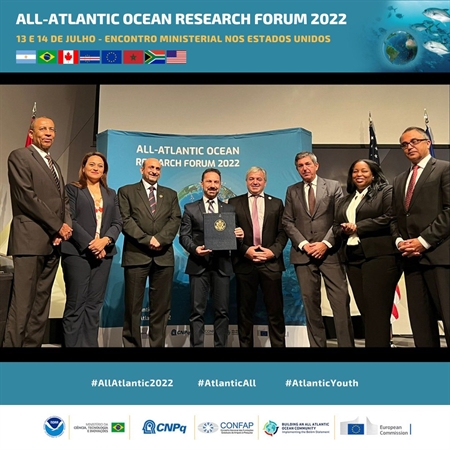
Atlantic Ocean nations join pact to cooperate on marine science |
|
|
|
|
Research partnerships and technology transfer drive NOAA’s mission success |
|
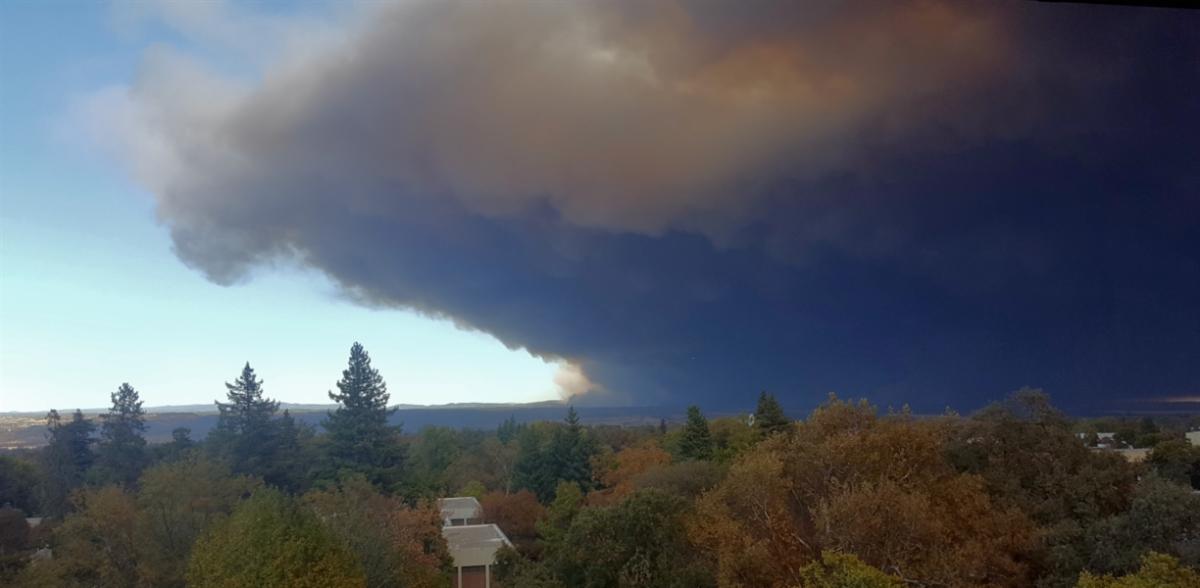
Study validates accuracy of NOAA’s smoke forecasting model during the Camp Fire |
The Camp Fire is just one of many major wildfires that have choked the summer skies across the United States in recent years, a development that has increased demand for accurate air quality forecasting. A new study published in the June edition of the Bulletin of the American Meteorological Society, finds that the HRRR-smoke model developed by NOAA’s Global Systems Laboratory (GSL) accurately predicted the general movement and concentration of the Camp Fire’s smoke during the initial week of the lengthy blaze.
|
|
|
|
|
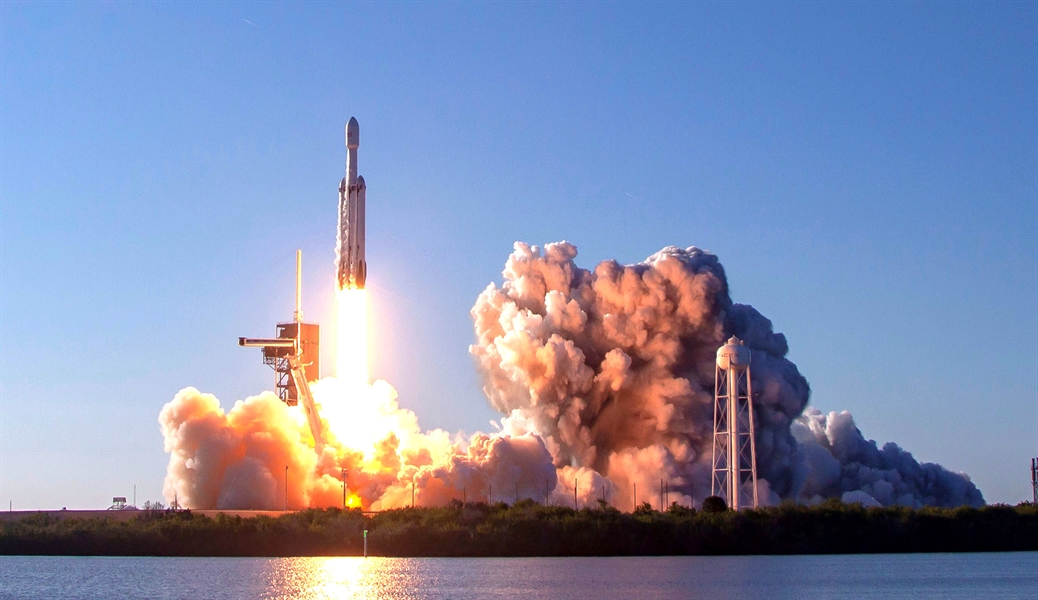
Projected increase in space travel may damage ozone layer |
Projected growth in rocket launches for space tourism, moon landings, and perhaps travel to Mars has many dreaming of a new era of space exploration. But a NOAA study suggests that a significant boost in spaceflight activity may damage the protective ozone layer on the one planet where we live. Kerosene-burning rocket engines widely used by the global launch industry emit exhaust containing black carbon, or soot, directly into the stratosphere, where a layer of ozone protects all living things on the Earth from the harmful impacts of ultraviolet radiation, which include skin cancer and weakened immune systems in humans, as well as disruptions to agriculture and ecosystems.
|
|
Research: Global warming contributed to decline in tropical cyclones in the 20th century |
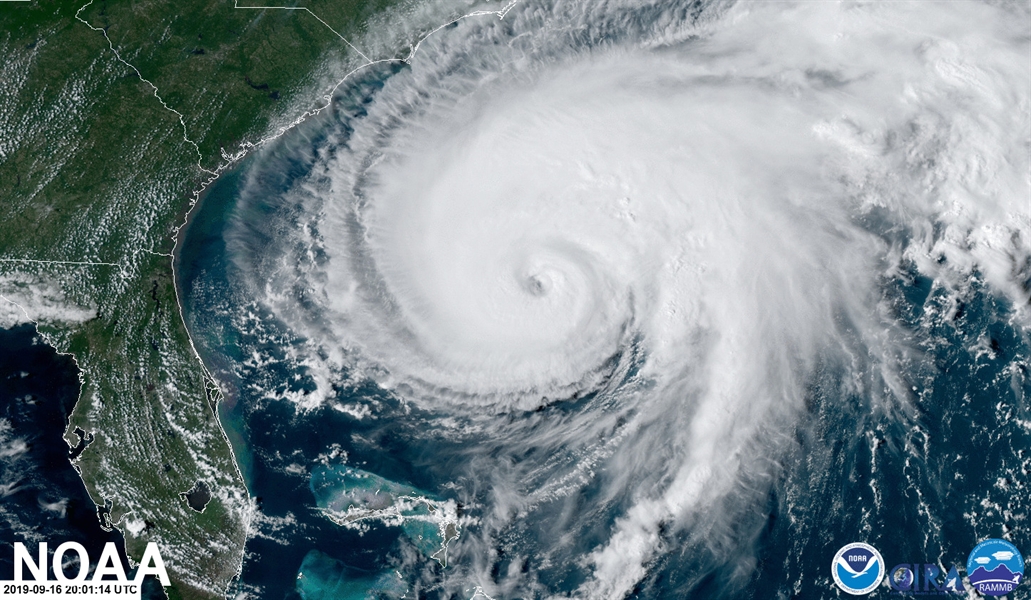
The annual number of tropical cyclones forming globally has decreased by approximately 13% during the 20th century, and scientists say the main cause is a rise in global warming, according to a new study in Nature Climate Change by a group of international scientists including NOAA scientists.
|
|
|
|
|
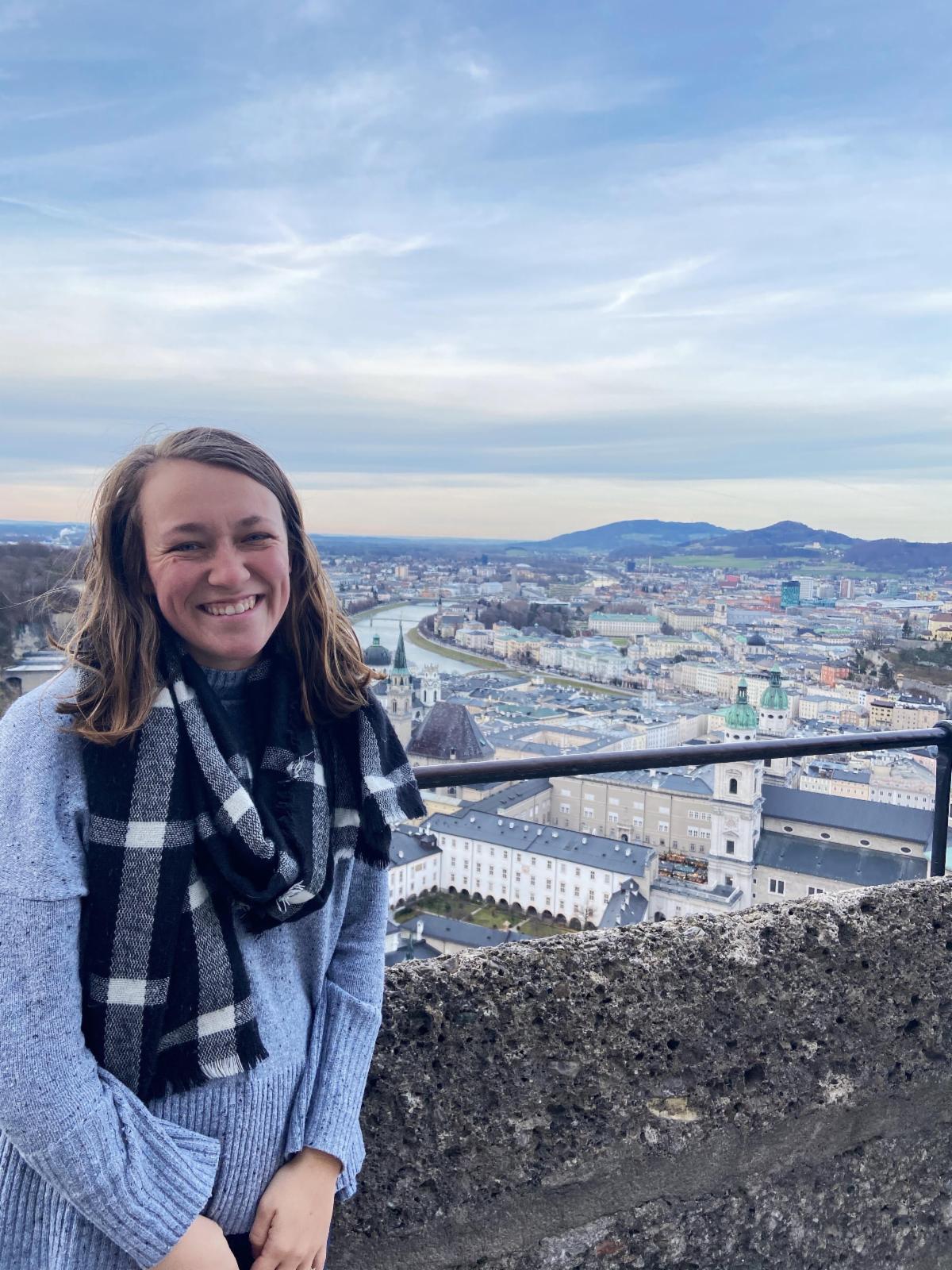
Improving hurricane predictions by observing the ocean with Cheyenne Stienbarger |
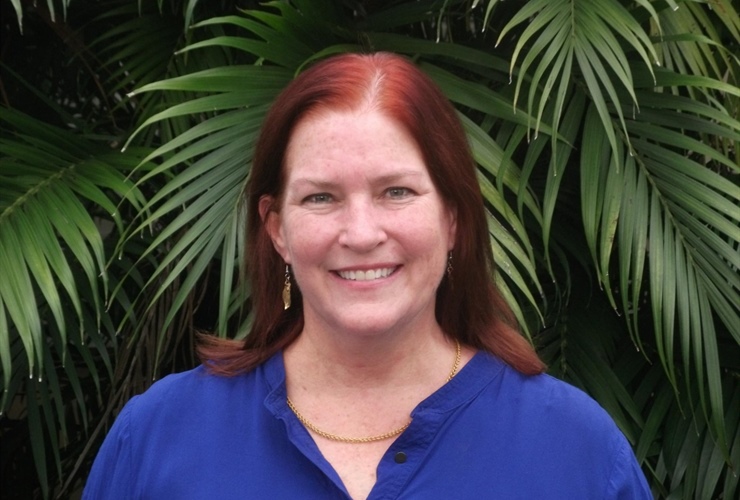
Cheyenne joined NOAA in 2020 as a Sea Grant Knauss Fellow working to support GOMO's Tropical Pacific Observing System (TPOS) 2020 Project and extreme events activities (e.g., planning a workshop to improve hurricane intensity forecasts). In her new role as a program manager, Cheyenne continues to support TPOS and coordinates cross line office activities as the project transitions towards implementation. Additionally, she coordinates the advancement of GOMO’s activities focused on ocean observing under extreme events.
|
|
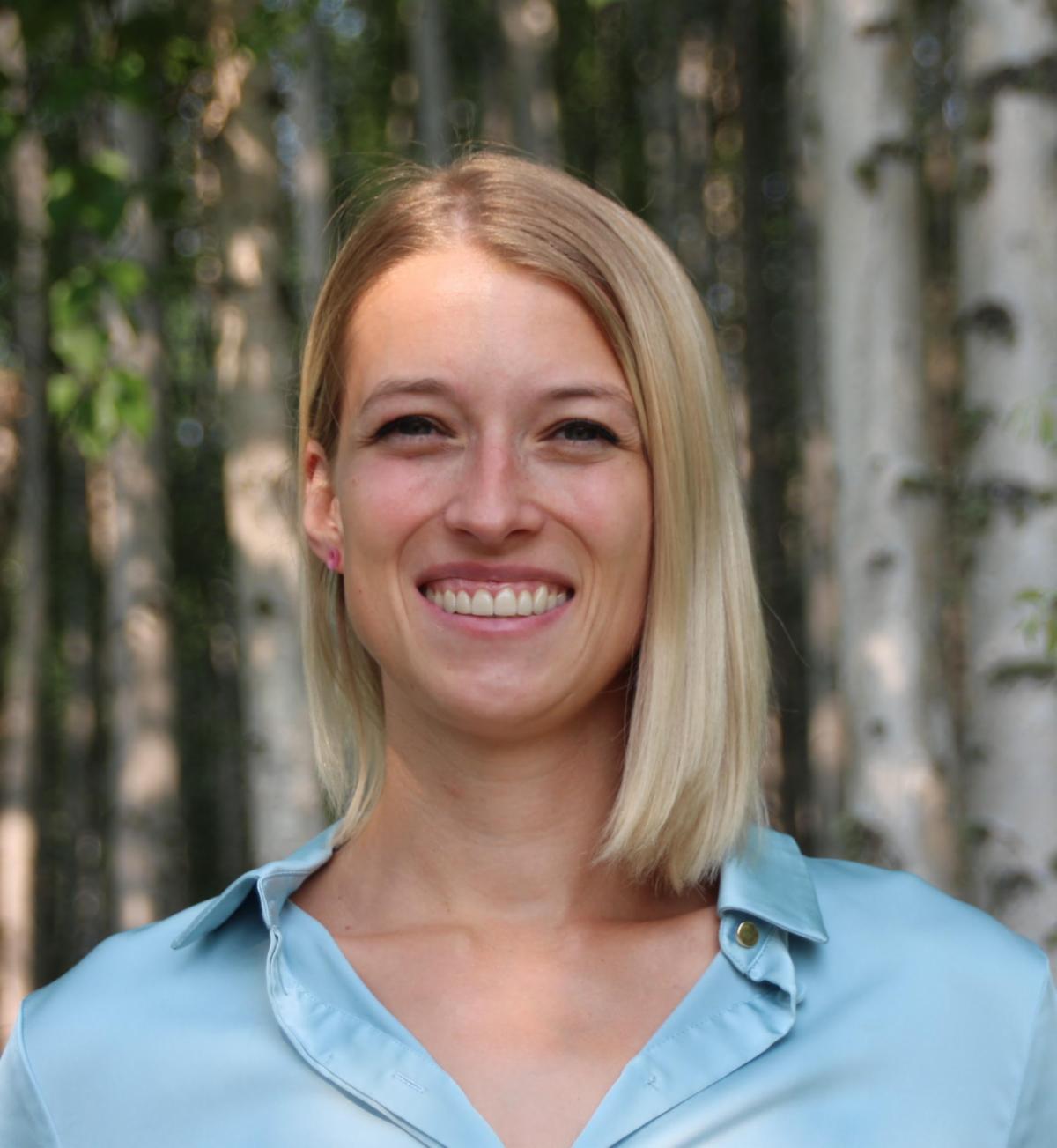
All-Atlantic observing system new team member Ann-Christine Zinkann
|
Ann-Christine Zinkann joined NOAA in 2020 as a Sea Grant Knauss Fellow supporting GOMO's ocean observing goals in the UN Decade, WMO and assisting the IAPRC secretariat. In her new role as an International Ocean Science Program Specialist she will be working on the All-Atlantic Observing System (AtlantOS); Global Ocean Observing System Observations Coordination Group (OceanOPS); U.N. Decade; and GOMO Data Strategy.
|
|
|
|
|
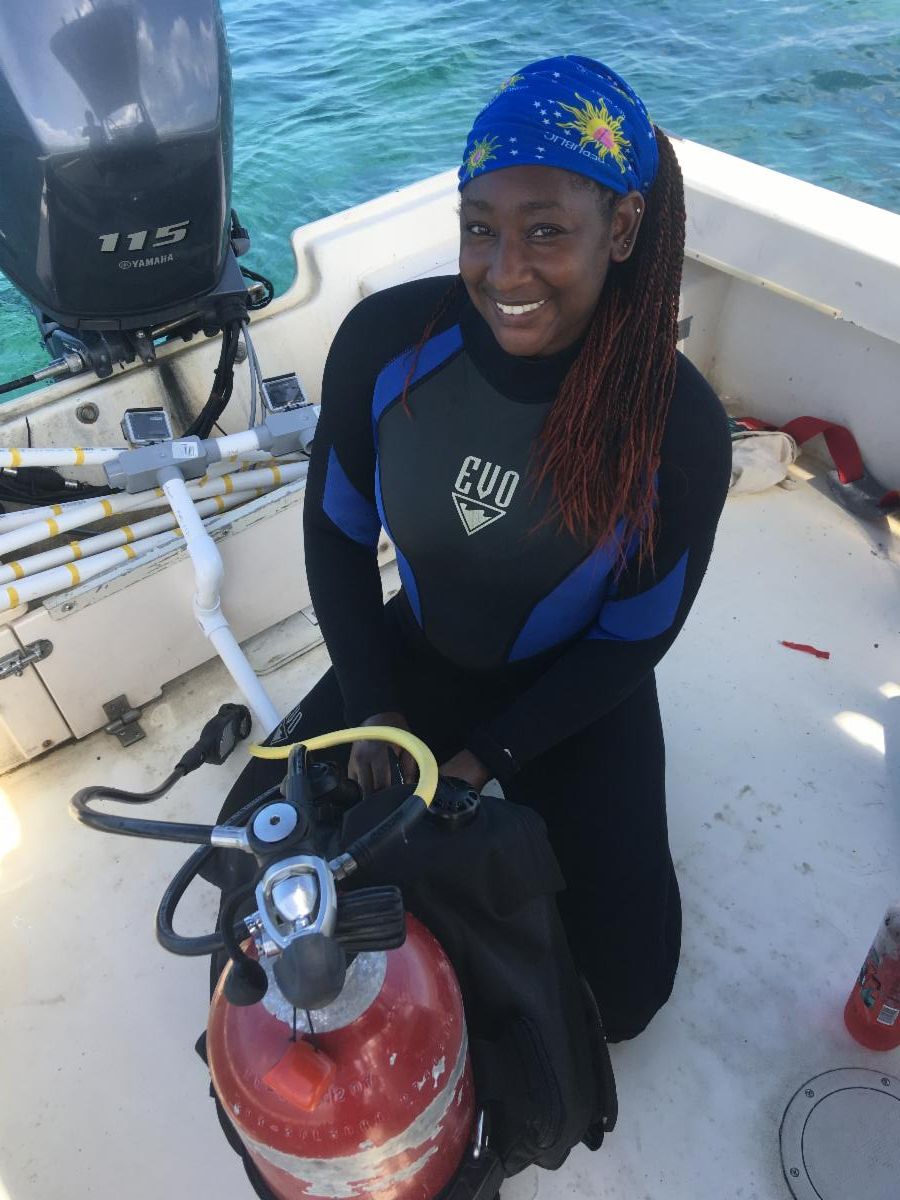
AOML’s new oceanographer Kayelyn Simmons |
Kayelyn Simmons joins NOAA's Atlantic Oceanographic & Meteorological Laboratory (AOML) as a federal oceanographer. Kayelyn is a former 2021 John A. Knauss Fellow who worked with the Coral Reef Conservation Program in support of the US Coral Reef Task Force. At AOML, she will lead benthic habitat characterization studies for several efforts within the Ocean Chemistry & Ecosystems Division, including the National Coral Reef Monitoring Program and the Port Everglades Dredging Expansion project. Kayelyn is about to complete her PhD in Marine Science at North Carolina State University.
|
|
|
|
Elizabeth “Libby” Johns retires from NOAA after 36 years |
After 36 years of federal service as a physical oceanographer, we celebrate the career of Elizabeth “Libby” Johns as she retires from NOAA’s Atlantic Oceanographic and Meteorological Laboratory (AOML). Libby began her career at NOAA in 1986 when she accepted a position at AOML as an Oceanographer.
|
|
|
|
Cooperative Institute Highlights |
|
CICOES welcomes 14 interns for Summer 2022 |
CICOES is excited to announce the start of our 2022 undergraduate research internship program. The 14 students are working on research projects with scientists at the University of Washington, NOAA’s Alaska Fisheries Science Center, and the U.S. Geological Survey. The nine-week program will conclude with presentations on August 17, at the UW Waterfront Activities Center.
|
|
|
Successful test of a new deep-sea methane spectrometer off the coast of Oregon |
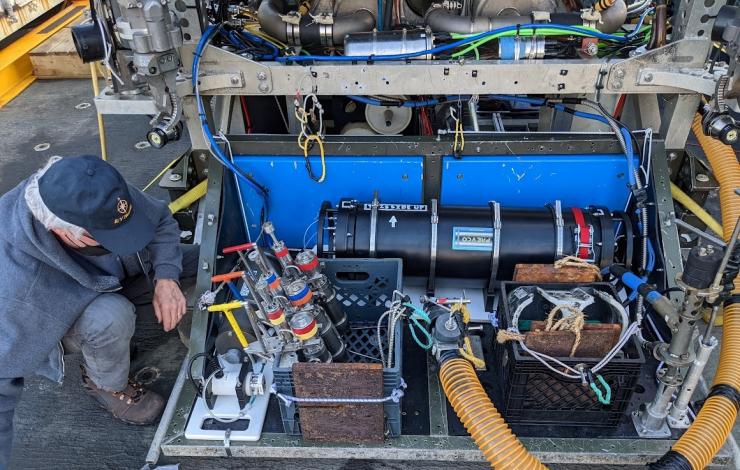
NOAA PMEL, University of Washington and OptoKnowledge Systems, Inc. (OKSI) successfully conducted the first deep water test of a new methane analyzer to measure the concentration and carbon isotope ratio of methane near Axial Seamount. This new instrument can collect data that will improve scientists’ understanding of carbon cycling, greenhouse gasses, and sub-seafloor chemosynthetic reactions. While collecting data with the methane analyzer, researchers simultaneously sampled the same fluid in gas-tight samplers attached to the fluid manifold and in custom samplers that are part of the HFS. Methane concentrations analyzed onboard the R/V Thompson by gas chromatography on fluid samples from HFS piston and bag samplers agree well with the in-situ methane concentrations determined by the analyzer.
|
|
TPO helped establish three NOAA partnerships with U.S. companies |
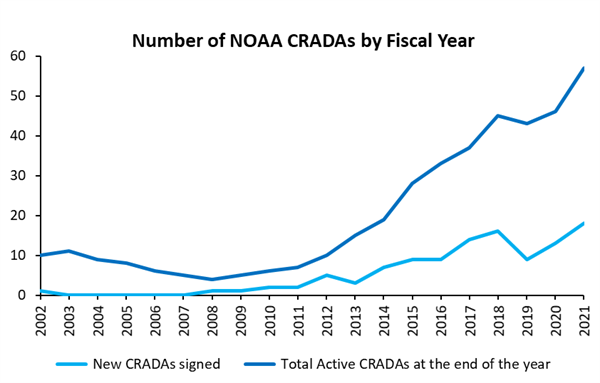
The NOAA Technology Transfer Program executed three Cooperative Research and Development Agreements (CRADAs) in July. These collaborations between NOAA and private-sector innovators accelerate research and development that supports both NOAA’s operations and commercialization within the private sector. Public-private research partnerships fuel innovation at NOAA. Research partnerships are increasingly important as scientists work to address complex global problems like coastal resilience, food security, and climate change. Public-private partnerships, in particular, are vital for bringing private sector innovation and agility into NOAA’s research and development efforts. One of the key tools in NOAA’s partnership toolkit is the CRADA, or Cooperative Research and Development Agreement.
|
|
NOAA environmental leadership seminar |
|
|
2022 Lapenta interns present final projects |
The William M. Lapenta NOAA Student Internship Program and its interns will prepare a final report and/or presentation based upon the results of his/her research work during the Lapenta Final Presentation Workshop, August 11-12, 2022.
|
|
A veteran of the agency, Sarah Kapnick will fill one of the most high-profile jobs at NOAA overseeing scientific integrity
Sarah Kapnick, a climate expert at banking giant JPMorgan & Chase Co., will take over as NOAA’s chief scientist, the agency said this morning. It’s a homecoming of sorts for Kapnick, who worked at NOAA’s Geophysical Fluid Dynamics Laboratory in Princeton, N.J., for 10 years before joining the New York investment firm last year. The article was featured in POLITICO on July 7.
|
|
Feds hope new website can prevent deaths from worsening heat |
The federal government hopes a new website can help people and local governments beat the increasingly deadly heat of an ever-warming world. Days after nearly half the country — 154.6 million people — sweated through a blistering heat wave, which for the West, hasn’t quite finished, the Biden Administration Tuesday unveiled heat.gov, which includes maps, forecasts and health advice. The government can’t lower temperatures in the short-term, but it can shrink heat’s death toll, officials said. The article was featured in AP News on July 26.
|
|
|
Featured Social Media Calendar |
|
August 5: National Oyster Day
August 26: National Dog Day
August 26: Women’s Equality Day
August 1-31: Back to School Month
|
|
Follow us on social media! |
|
|
|
|
|
|