NPEA Digest: June 25, 2019
Special Edition: 10 Summer Reads
|
|
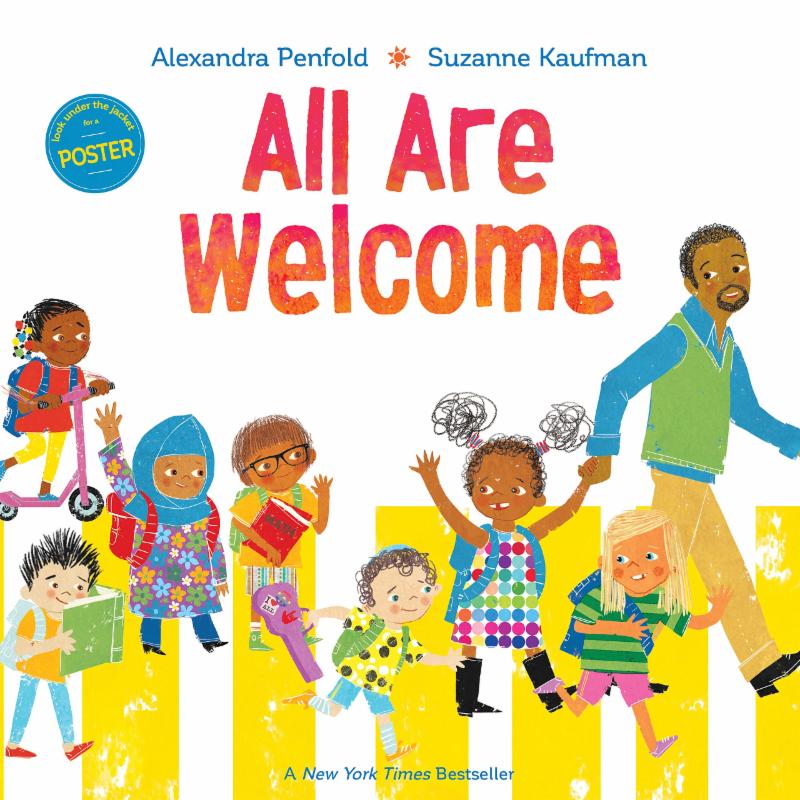
By: Alexandra Penfold
"A warm, welcoming picture book that celebrates diversity and gives encouragement and support to all kids.
Follow a group of children through a day in their school, where everyone is welcomed with open arms. A school where kids in patkas, hijabs, and yarmulkes play side-by-side with friends in baseball caps. A school where students grow and learn from each other's traditions and the whole community gathers to celebrate the Lunar New Year. All Are Welcome lets young children know that no matter what, they have a place, they have a space, they are welcome in their school."
Read more.
|
|
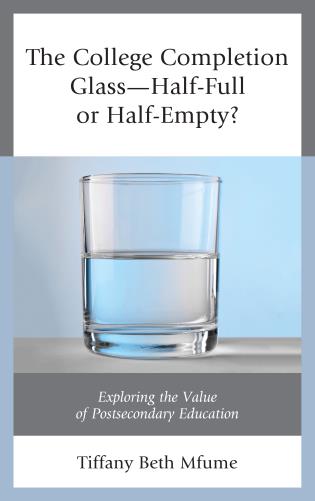
By: Tiffany Beth Mfume
"Despite the Great Recession and looming 'student loan debt crisis', college education remains the most proven, invaluable lifetime investment and serves as the most reliable path to upward mobility and socioeconomic class reassignment. Mfume suggests that 'the value added' of even one year of college can be transformative. As higher education professionals and partners continue to advocate for new and improved college retention and graduation measures,
The College Completion Glass—Half-Full or Half-Empty? Exploring the Value of Postsecondary Education
presents a new paradigm for higher education, one that focuses on 'the value added' of postsecondary education as well as on student success beyond the traditional measure of college graduation rates, a model which merges conventional practices and supports for students with non-traditional partnerships with, and advocacy from, successful non-completers."
Read more.
|
|
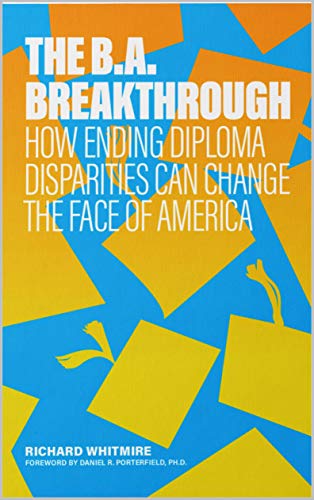
By: Richard Whitmire
"The poorest students in the country — many of them young people of color and most of them the first in their families to attend college — have an astonishingly low chance of graduating from college within six years.
Eleven percent, at most, make it. That’s not the American Dream.
But what if that could change? In his new book,
The B.A. Breakthrough, How Ending Diploma Disparities Can Change the Face of America
, Richard Whitmire argues that it would be the advent of 'the most effective anti-poverty program ever launched in this country.' With college grads earning an estimated $1 million more over the course of their lifetime than those with only a high school diploma, it’s easy to see why. What Whitmire does in The B.A. Breakthrough is to take readers on a journey to the places across the country where the breakthrough is already happening — from innovative K-12 schools, many of them public charters, where smart data-driven college counseling is now the standard; to elite colleges, like UCLA, where once-disparaged community college transfers are accepted by the thousands; to creative nonprofits, like the College Advising Corps, which is opening the eyes of high schools everywhere to the hard reality of how their grads actually do once they reach college."
Read more.
|
|
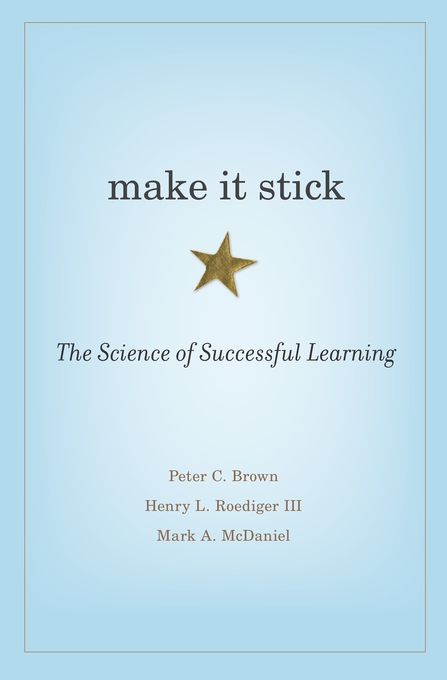
By: Peter C. Brown, Henry L. Roediger III, and Mark A. McDaniel
"To most of us, learning something 'the hard way' implies wasted time and effort. Good teaching, we believe, should be creatively tailored to the different learning styles of students and should use strategies that make learning easier.
Make It Stick
turns fashionable ideas like these on their head. Drawing on recent discoveries in cognitive psychology and other disciplines, the authors offer concrete techniques for becoming more productive learners.
Many common study habits and practice routines turn out to be counterproductive. Underlining and highlighting, rereading, cramming, and single-minded repetition of new skills create the illusion of mastery, but gains fade quickly. More complex and durable learning come from self-testing, introducing certain difficulties in practice, waiting to re-study new material until a little forgetting has set in, and interleaving the practice of one skill or topic with another. Speaking most urgently to students, teachers, trainers, and athletes,
Make It Stick
will appeal to all those interested in the challenge of lifelong learning and self-improvement."
Read more.
|
|
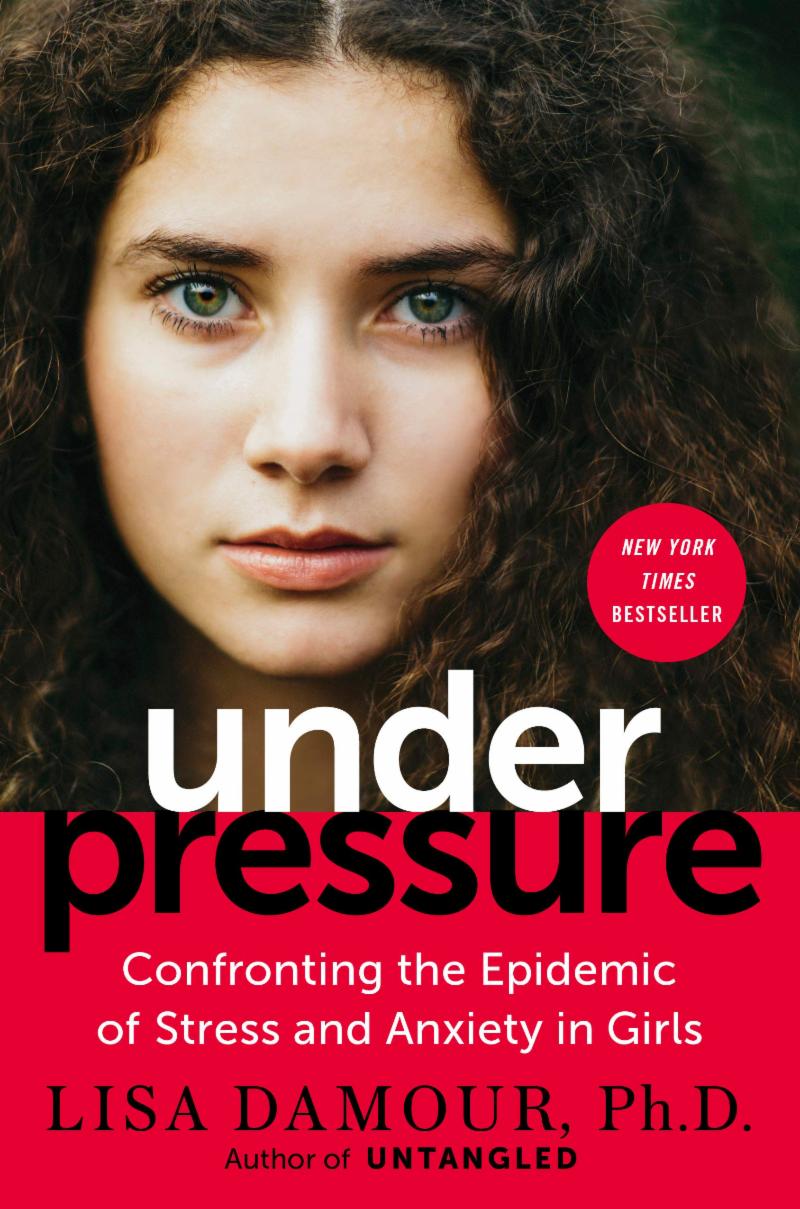
By: Lisa Damour
"Though anxiety has risen among young people overall, studies confirm that it has skyrocketed in girls. Research finds that the number of girls who said that they often felt nervous, worried, or fearful jumped 55 percent from 2009 to 2014, while the comparable number for adolescent boys has remained unchanged. As a clinical psychologist who specializes in working with girls, Lisa Damour, Ph.D., has witnessed this rising tide of stress and anxiety in her own research, in private practice, and in the all-girls’ school where she consults. She knew this had to be the topic of her new book.
In the engaging, anecdotal style and reassuring tone that won over thousands of readers of her first book,
Untangled
, Damour starts by addressing the facts about psychological pressure. She explains the surprising and underappreciated
value
of stress and anxiety: that stress can helpfully stretch us beyond our comfort zones, and anxiety can play a key role in keeping girls safe. When we emphasize the
benefits
of stress and anxiety, we can help our daughters take them in stride."
Read more.
|
|
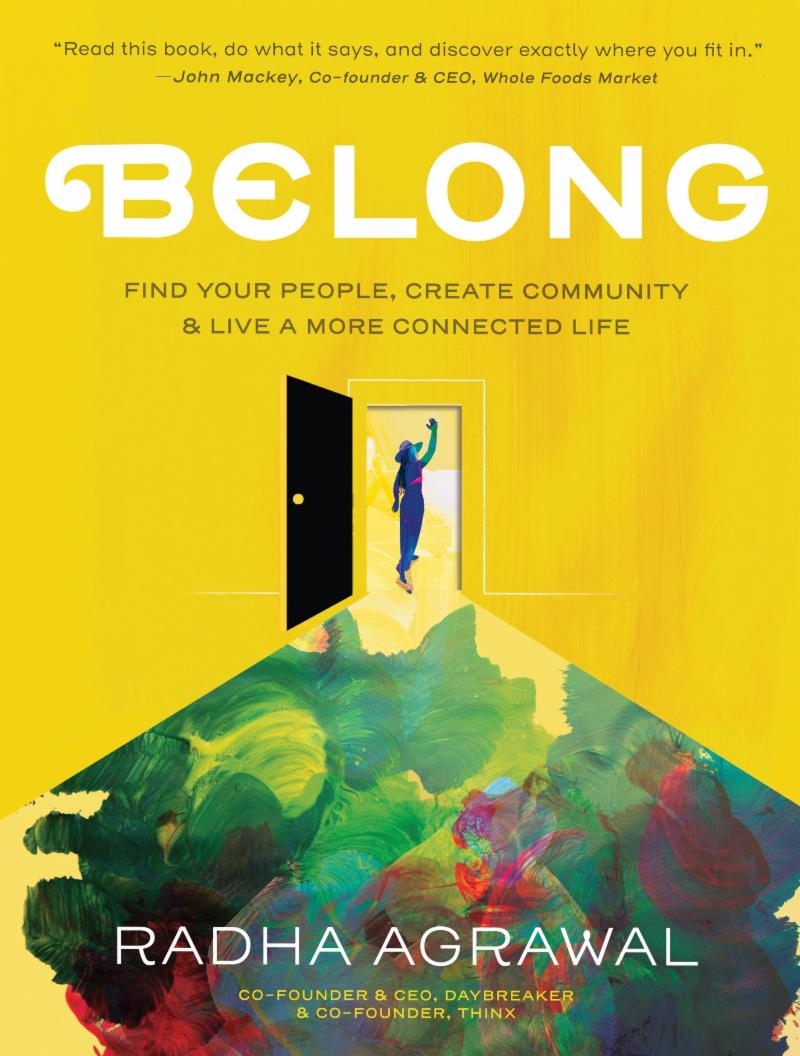
By: Radha Agrawal
"How is it that the internet connects us to a world of people, yet so many of us feel more isolated than ever? That we have hundreds, even thousands of friends on social media, but not a single person to truly confide in? Radha Agrawal calls this 'community confusion,' and in Belong she offers every reader a blueprint to find their people and build and nurture community, because connectedness—as more and more studies show—is our key to happiness, fulfillment, and success.
A book that’s equal parts inspiring and interactive, and packed with prompts, charts, quizzes, and full-color illustrations, Belong takes readers on a two-part journey. Part one is
Going IN
—a gentle but intentional process of self-discovery and finding out your true energy levels and VIA (values, interests, and abilities). Part two is
Going OUT
—building on all that you’ve learned about yourself to find those few special people who feed your soul, and discovering, or creating, the ever-widening groups that align with your aims and desires."
Read more.
|
|
Former NPEA Conference Keynotes
|
|
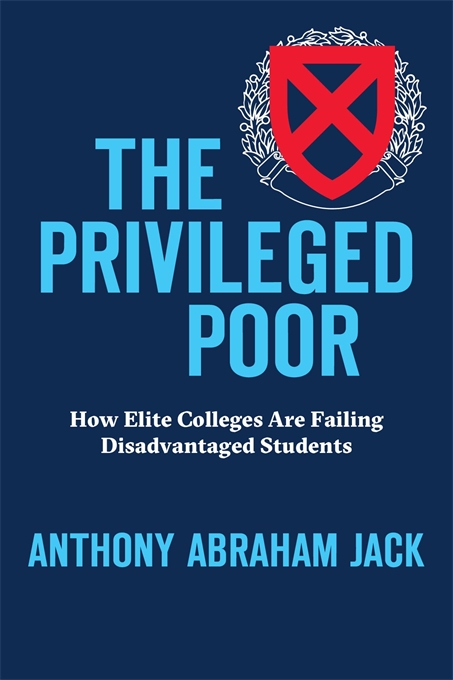
By: Anthony Jack (
NPEA 2018 Keynote
)
"The Ivy League looks different than it used to. College presidents and deans of admission have opened their doors—and their coffers—to support a more diverse student body. But is it enough just to admit these students? In
The Privileged Poor
, Anthony Jack reveals that the struggles of less privileged students continue long after they’ve arrived on campus. Admission, they quickly learn, is not the same as acceptance. This bracing and necessary book documents how university policies and cultures can exacerbate preexisting inequalities and reveals why these policies hit some students harder than others."
Read more.
|
|
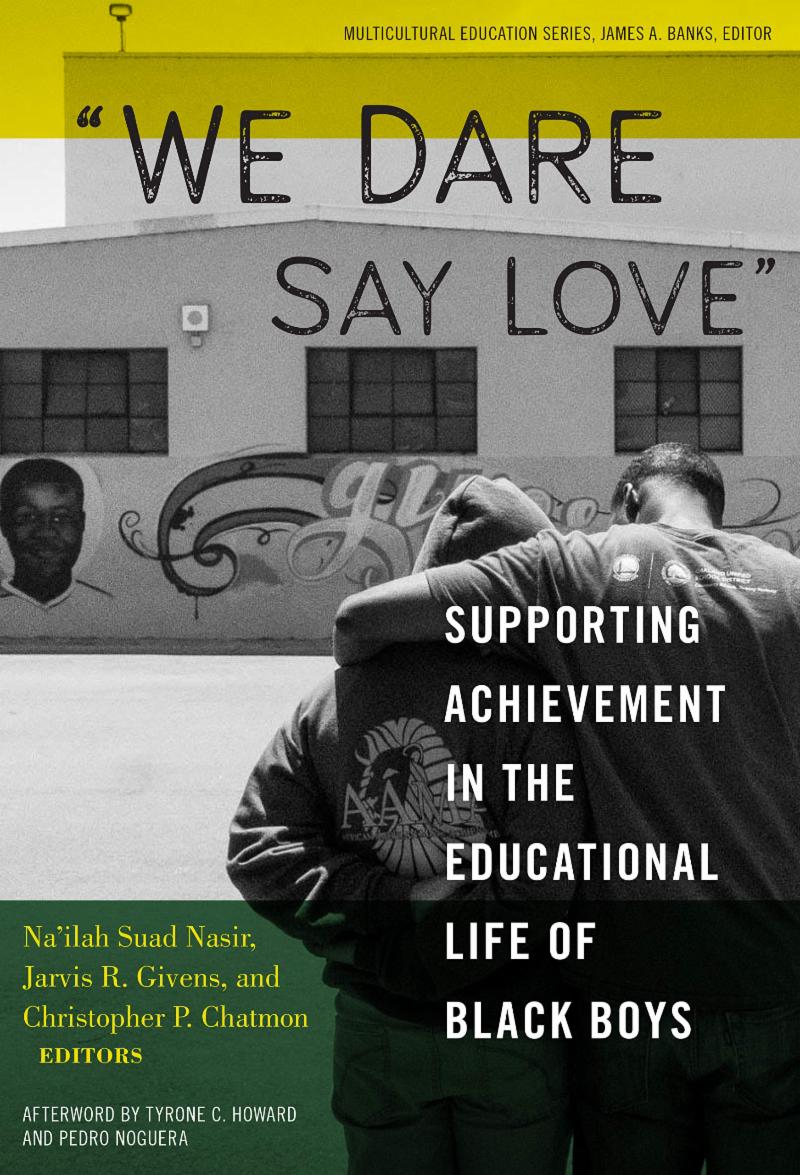
Edited by: Na'ilah Suad Nasir (
NPEA 2019 Keynote
), Jarvis R. Givens, and Christopher P. Chatmon
"
We Dare Say Love
takes up the critically important issue of what it means to educate Black male students in a large urban district. It chronicles the development and implementation of the African American Male Achievement Initiative in Oakland Unified School District, following a small group of Black male educators who changed district policy and practice to create a learning experience for Black boys rooted in love. The book takes readers inside the classrooms and inside the heads and hearts of program founders, leaders, and instructors to understand their pedagogy of care. It also elucidates the rituals, beliefs, and practices that created a classroom environment that held high expectations for the engagement and achievement of Black boys and provided a space for Black male students to blossom."
Read more.
|
|
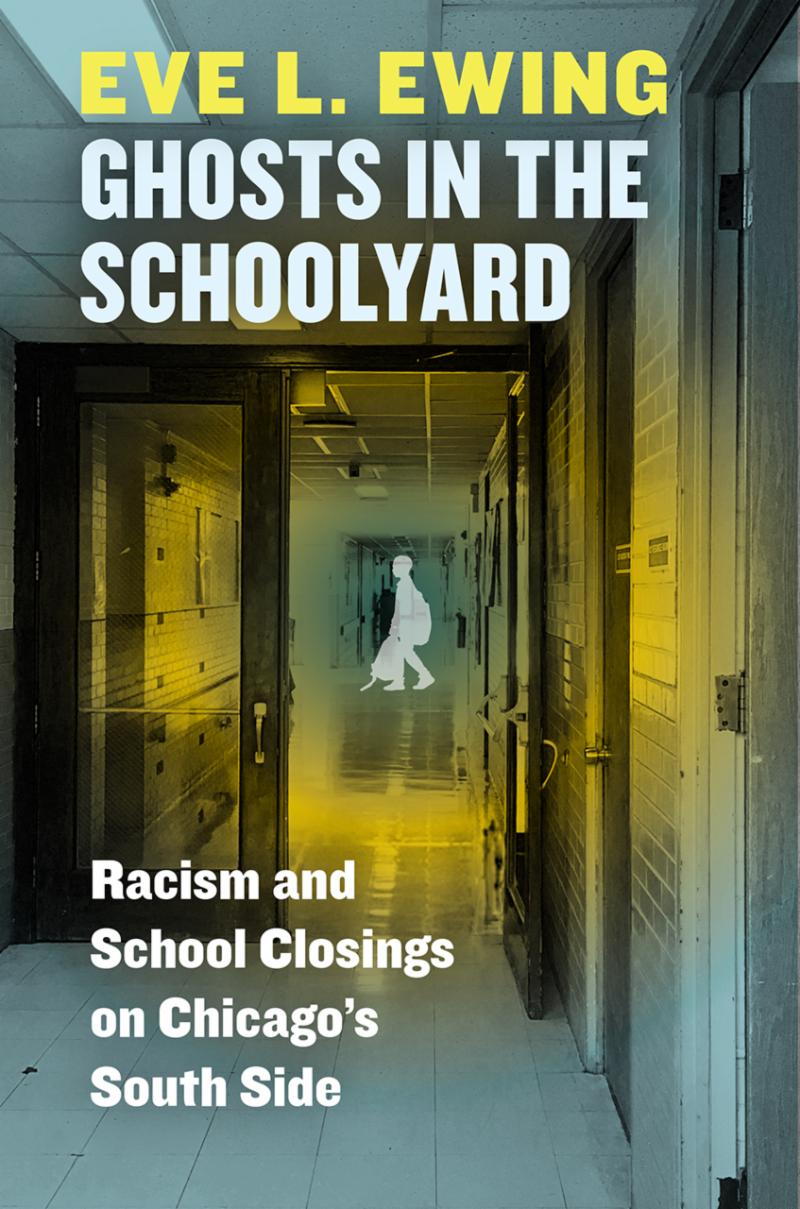
By: Eve Ewing (
NPEA 2019 Keynote
)
“Failing schools. Underprivileged schools. Just plain
bad
schools.”
That’s how Eve L. Ewing opens
Ghosts in the Schoolyard
: describing Chicago Public Schools from the outside. The way politicians and pundits and parents of kids who attend other schools talk about them, with a mix of pity and contempt.
But Ewing knows Chicago Public Schools from the inside: as a student, then a teacher, and now a scholar who studies them. And that perspective has shown her that public schools are not buildings full of failures—they’re an integral part of their neighborhoods, at the heart of their communities, storehouses of history and memory that bring people together.
"
Read more.
|
|
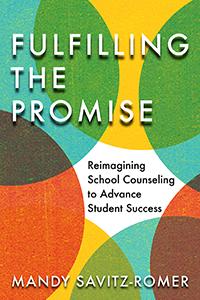
By: Mandy Savitz-Romer (
NPEA 2013 Keynote
)
"In
Fulfilling the Promise
, Mandy Savitz-Romer shows what is possible when schools and districts draw upon the talents of their counselors and put them at the center of students’ school experience. Savitz-Romer offers a strategic approach to school counseling that enables educational leaders to draw on existing staff to create supportive contexts and programs for students. In this model of the 'academic home,' counselors serve as the first point of contact for student support, connecting and coordinating services much like primary care physicians coordinate patient care in medical settings. They serve as the hub of a network of supports to prevent students from falling between the cracks."
Read more.
|
|
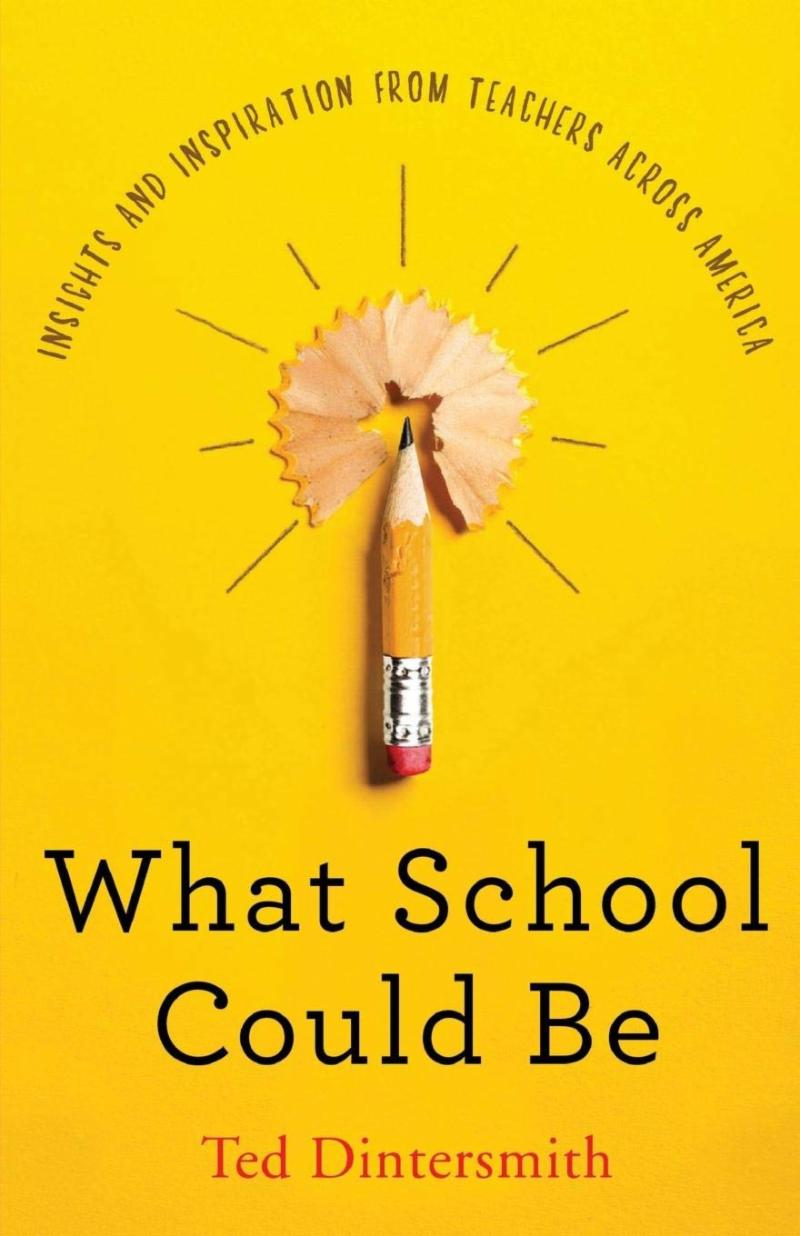
By: Ted Dintersmith
"
During the 2016 school year, innovation expert Ted Dintersmith took an unprecedented trip across America. He visited all fifty states, seeking to raise awareness about the urgent need to reimagine education to prepare students for the career and citizenship demands of an increasingly-innovative world. As he traveled, though, Dintersmith met innovative teachers all across the country — teachers doing extraordinary things in ordinary settings, creating innovative classrooms where children learn deeply and joyously. Each day, these students are engaged and inspired by their teachers, who in turn help children develop purpose, agency, essential skill sets and mind-sets, and deep knowledge. The insights of these teachers offer a vision of what school could be, and a model for how to help schools achieve it
."
Read more.
|
|
NPEA connects the people, practices, and innovations essential for eliminating barriers to educational access and college and career success for underserved students.
|
|
|
|
|
|
|