|
Standing Strong for Women’s Healthcare
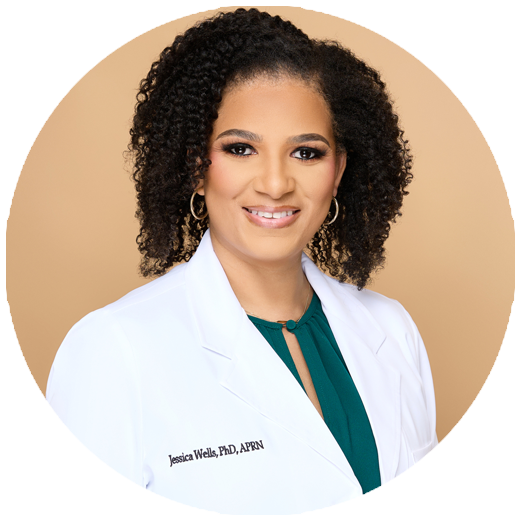
Greetings!
As we close out 2025, I would like to reflect on our collective commitment to advancing women's and gender-related healthcare for our patients and communities. Your passion is truly inspiring, and NPWH is grateful to have such a dedicated membership base backing our advocacy efforts every step of the way. Our voice, as an organization and as a profession, only strengthened throughout the year, thanks to your expertise and enthusiasm.
This year was marked by a wide variety of critical policy developments at the state and federal levels, directly impacting APRN practice and women's healthcare rights. As your professional organization, we worked year-long to ensure that your engagement and involvement with us is met tenfold, advocating for you. NPWH serves you, so you can practice and meet the needs of your patients, communities, students, and colleagues.
2025 featured an ever-evolving landscape, and we foresee this continuing into the new year. You are a crucial component in how NPWH navigates such a landscape, and we will continue to champion the rights of our members and their patients. As the new NPWH BOD President, I am excited to serve you and continue to meet your needs professionally!
This year, NPWH signed on to a total of 86 letters, 5 amicus briefs, and 5 bill endorsements. These items varied in content, whether we were expressing concern over practice authority or thanking legislators for introducing critical legislation to safeguard APRN practice.
How We Are Taking Action
Our advocacy includes:
Signing Letters: We support research funding, government programs, and initiatives that protect WHNPs and the patients they serve.
- 11 sign-on letters this quarter.
Legal Advocacy: We actively monitor legal cases and identify strategic opportunities to submit amicus briefs that defend healthcare rights and protect the scope of practice for WHNPs and APRNs.
- 1 amicus brief this quarter.
Strategic Partnerships: We work alongside national coalitions and organizations to advance policies that support science, environmental health, research, and clinical practice for women's healthcare.
|