Coming Soon: The 2026 NRTRC Telehealth Survey | |
We’re getting ready to launch the Seventh Annual NRTRC Telehealth Survey, and we want your input!
This essential survey helps NRTRC track the evolving landscape of telehealth across the Northwest region. Survey data is used to tailor education and critical resources to support implementation, expansion, and the sustainability of digital healthcare services.
Watch your inbox in July and look for an email from Qualtrics for your link to the 2026 survey. The survey should take no more than 5 minutes and is intended for individuals and organizations that currently deliver or plan to implement digital healthcare services.
Thank you in advance for your time and valuable input!
Curious about past survey results? Click here to view previous survey results.
| | Medicare Telehealth Billing Changes for FQHCs and RHCs Coming October 2026 | The Centers for Medicare & Medicaid Services (CMS) released Change Request 14468, announcing a significant change to Medicare telehealth billing for Rural Health Clinics (RHCs) and Federally Qualified Health Centers (FQHCs). Beginning October 1, 2026, providers will bill the specific HCPCS code (Healthcare Common Procedure Coding System) for each telehealth service instead of using the single G2025 code. Additionally, FQHCs & RHCs will be required to report modifier 93 for audio-only services and modifier 95 for audio-visual telehealth. This change is expected to improve telehealth data accuracy, support value-based care reporting, and provide better insight into how telehealth services are being used—though reimbursement challenges remain. | CMS Requires More Restrictive Definition of Medical Frailty in New Medicaid Work Requirements Rule | A new CMS rule implementing Medicaid work requirements adopts a more restrictive definition of “medical frailty,” potentially making it harder for individuals with serious health conditions to qualify for exemptions. While states must identify medically frail individuals, CMS now requires case-by-case assessments rather than allowing broad exemptions based solely on diagnoses such as cancer, HIV, Parkinson’s disease, or multiple sclerosis. KFF notes that the rule could create additional administrative challenges for states and beneficiaries and may increase documentation burdens for individuals seeking exemptions from the new work requirements. Read the full article by Jennifer Tolbert on KFF and post a comment here. | | Telehealth adoption was not linked to increased healthcare utilization or spending, according to a new study. The findings suggest that extending Medicare telehealth flexibilities beyond their current 2027 expiration date has low near-term spending risk. Published in JAMA Network Open, the study examined the impact of telehealth adoption on healthcare visits and spending. Read the full article at TechTarget. | | Telehealth has been part of many practices since the 2020 public health emergency. It’s a valuable tool when you shape it to fit your patients, clinicians and goals. Learn tips to help you refine your telehealth program, along with a few practical steps to keep it sustainable. Read the full article at the American Academy of Family Physicians (AAFP). | | Cyber Civil Defense Summit of the West | | |
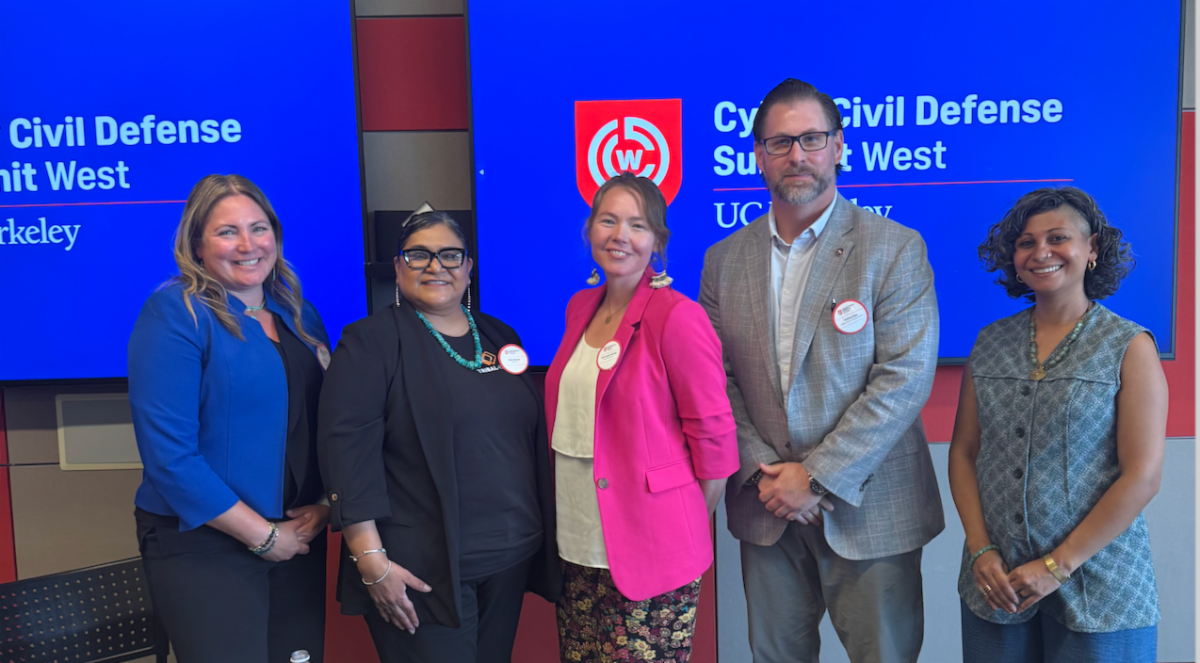
NRTRC's Director Nicki Perisho was invited to participate in the Cyber Civil Defense Summit West in Arizona last month. The event, hosted by the University of California, Berkeley Center for Long-Term Cybersecurity, focused on protecting the community organizations that uphold public life.
Nicki participated in a panel that explored practical strategies to strengthen cyber resilience across municipalities, while protecting patient care and addressing the resources, workforce, and infrastructure barriers that rural facilities face in an increasingly digital healthcare environment. As a recent UC Berkeley MPH graduate and Rural Health Policy Fellow, Nicki brought a firsthand perspective to this important regional conversation.
Interested in attending future regional Cyber Civil Defense Summits? Registration is officially open for events in New Jersey and Louisiana.
| | The Giant West: Overcoming Obstacles in Last-Mile Rural Services. Panelists (left to right): Nicki Perisho, NRTRC, Robin Villareal, Tribal ISAC, Alicia Hughes-Skandijs, Alaska Municipalities, Matthew Sage, Cal-CSIC, Amira Dhalla, Aspen Digital. | | Join us for the TeleBehavioral Health July Webinar: Digital Health and AI in the Treatment of Substance Use Disorders | | |
This talk examines the growing landscape of digital health and artificial intelligence tools available to treat substance use disorders, with a focus on the clinical evidence supporting their use. Attendees will explore the efficacy data behind key tool categories—including FDA-authorized digital therapeutics, telehealth-based medication treatment, AI-driven relapse prediction, and mHealth applications. The session concludes with practical guidance on integrating these tools into clinical practice, with attention to patient selection, workflow considerations, and equity implications.
Mark Duncan, MD, is an Associate Professor at the University of Washington. He has pursued a career at the intersection of mental health and primary care, training in both family medicine and addiction psychiatry. He practices at the outpatient psychiatry clinic, the pain clinic, and the Northgate Primary Care clinic. He provides virtual consultation through the UW Provider Consultation Line, ADAI's OUD technical assistance team. As the medical director of the University of Washington Psychiatry and Addiction Case Conference (UW PACC), he runs a weekly educational webinar and consultation service for WA state. He has recently taken on the role of the Director of the Division of Addictions in the Department of Psychiatry and Behavioral Sciences at the University of Washington.
Register here.
| | |
Join the NRTRC at the National Tribal Health Conference in Phoenix!
The NRTRC will be presenting with the Alaska Native Tribal Health Consortium and the Southcentral Foundation at the National Tribal Health Conference, August 16–21.
The National Indian Health Board (NIHB) National Tribal Health Conference is a week-long event that serves American Indian and Alaska Native Tribes in the healthcare space, including behavioral and public health. The conference will showcase the interconnectedness of policy, advocacy, and Indian health best practices. Programming includes tribal listening and consultation sessions, hands-on training opportunities, plenary sessions, and workshops that cover timely topics such as funding for Indian Health, the business of medicine, health opportunity, Indigenous determinants of health, Tribal public health, behavioral health, culture, and environmental health.
Click here to see more information and to register today!
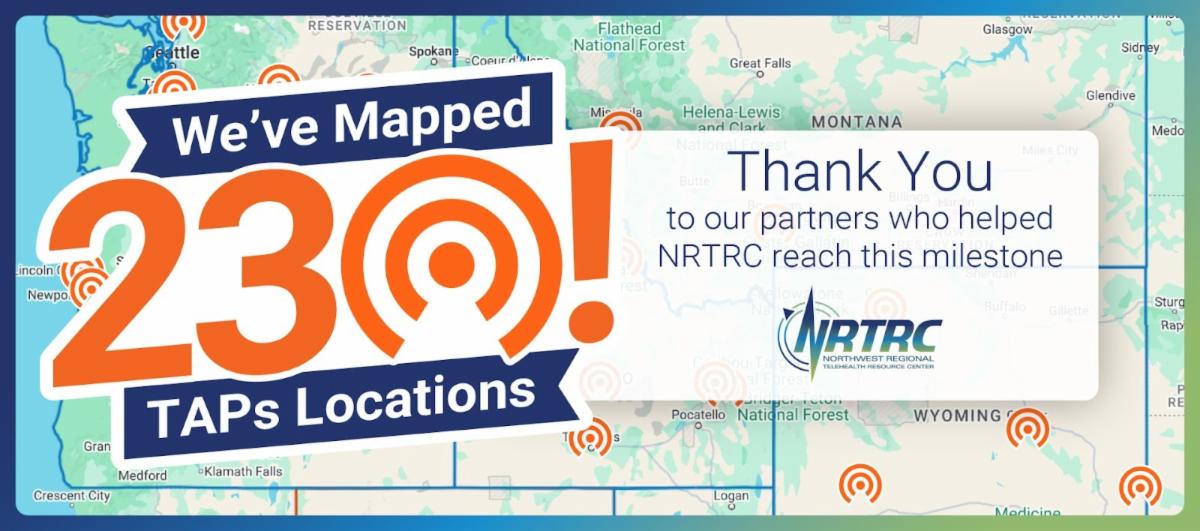
| | Do You Provide Healthcare or Services via Telehealth? | | Northwest State Telehealth Networks | | |
Northwest Regional Telehealth Resource Center
This publication was made possible by grant number UiUTH42531-04 from the Office for the Advancement of Telehealth, Health Resources and Services Administration, DHHS
| | | | |