Will Lending Continue to Tighten for Fleets? | |
|
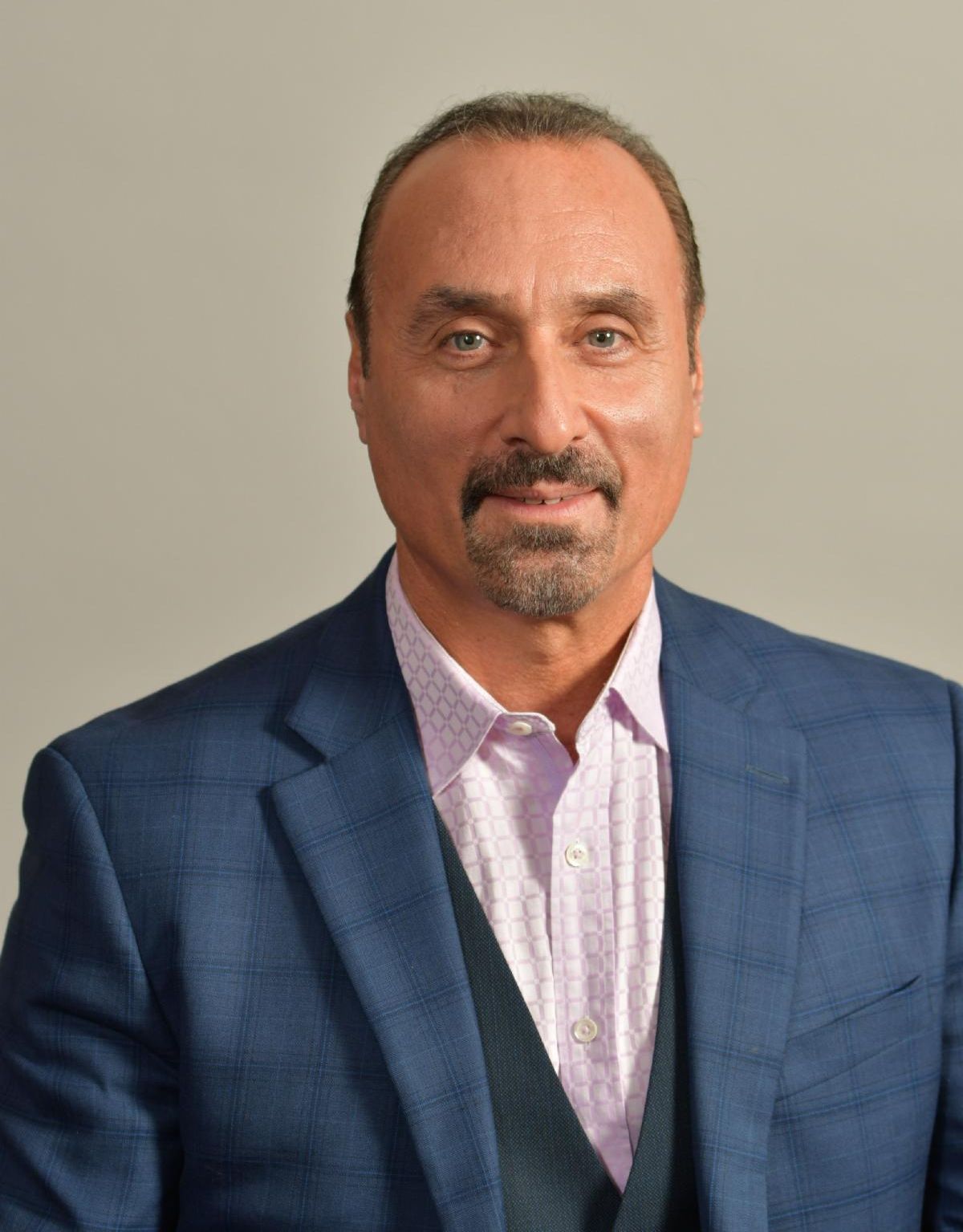
By Ken Sopp, NVLA President
I continue to hear reports of lenders tightening up in consumer auto lending. In our business at CULA, we have been limited in growth this year due to reduced liquidity at some of our credit unions. Luckily, we have many credit unions as a few have stopped or paused auto lending all together.
This auto pullback is not new. It has been happening due to rising interest rates, increased vehicle transaction prices, and increased fears of loan defaults for a while. Increasingly, now I am reading more reports of further reduced commercial lending, including in the transportation space.
Some of this tightening has been caused by the recent bank failures, causing depositors to flee regional banks and move money to larger ones. In this tough environment, a bank or lender may be forced to pull back from certain products to maintain liquidity.
It may be important at this time to ensure that you have more than one lender to diversify your offerings and protect your company from a pullback at your bank. These volatile times are not a good time to have all of your eggs in one basket!
In this month’s LeaseWire:
We are happy to hear from Roger Camping of RC Auto, Clemens-Pender Award winner (2019) and NVLA member since 1982! In his member profile, Roger speaks to the benefits of joining the NVLA and the invaluable discussions and introductions he has had at the NVLA conference.
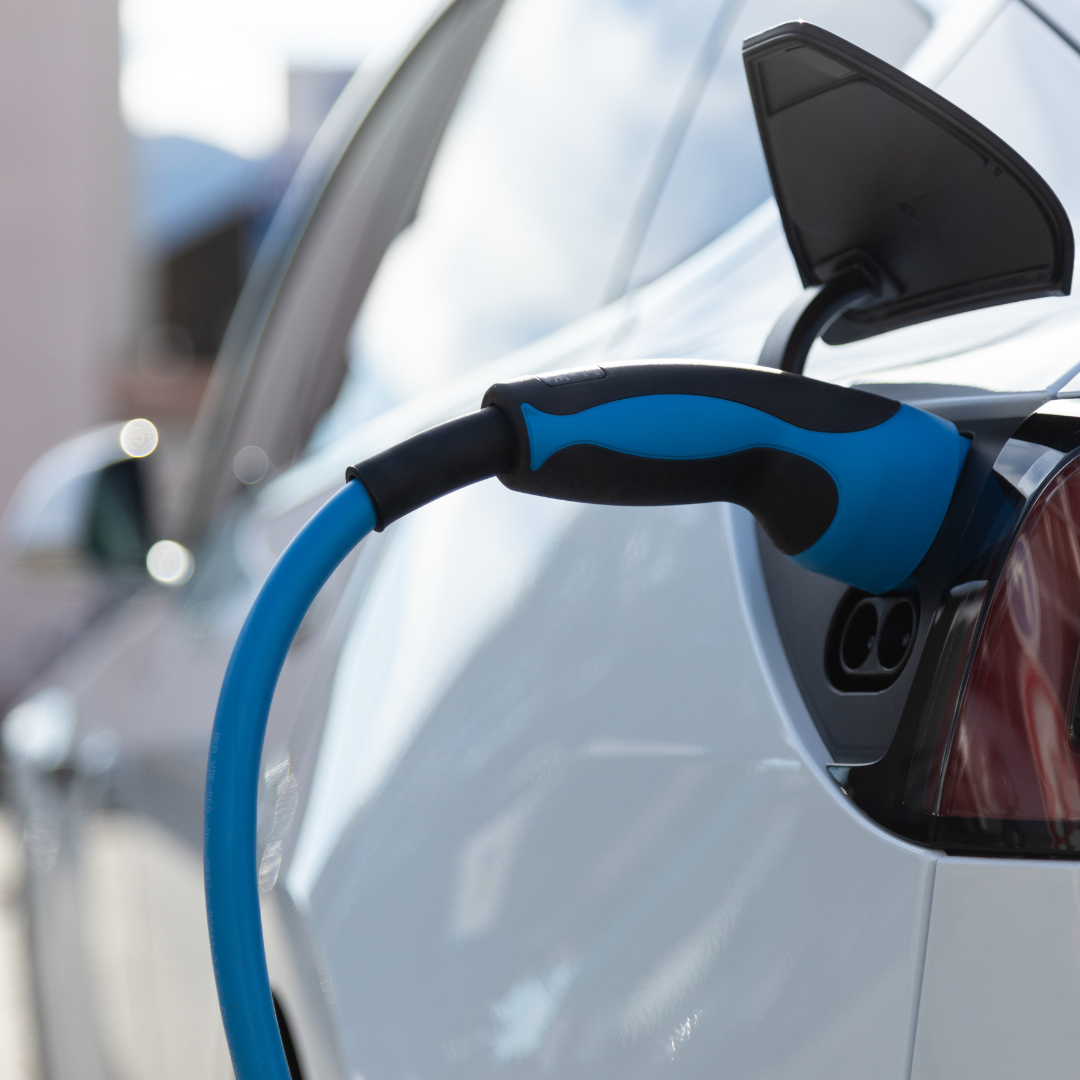
Fleet electrification is accelerating, partially due to government mandates and incentives. However, fleets are still hesitant to adopt EVs due to concerns about charging infrastructure, range anxiety, and residual value. Inspiration Mobility explains how lessors can help fleets overcome these concerns and make the transition to EVs by providing guidance and support.
We also have another valuable LinkedIn Tip of the Month from NVLA’s First Vice President, Tarry Shebesta.
Scott Crawford from Wilmar, Inc. explores how fleet technology can help with reducing vehicle theft and to recover stolen commercial vehicles.
Always a good supporter of the NVLA, Tom Kontos of ADESA offers his Kontos Kommentary on Q1 used vehicle market conditions. Tom reports on higher used values in the spring for all vehicle classes except full-size vans.
We get an introduction to new member Emily Stoller, the President and CEO of Glesby Marks, a fleet lessor out of Houston, Denver, Seattle and Portland. We also hear how she is hoping to benefit from her NVLA membership.
Also, if you haven't renewed your NVLA membership yet, please renew today!
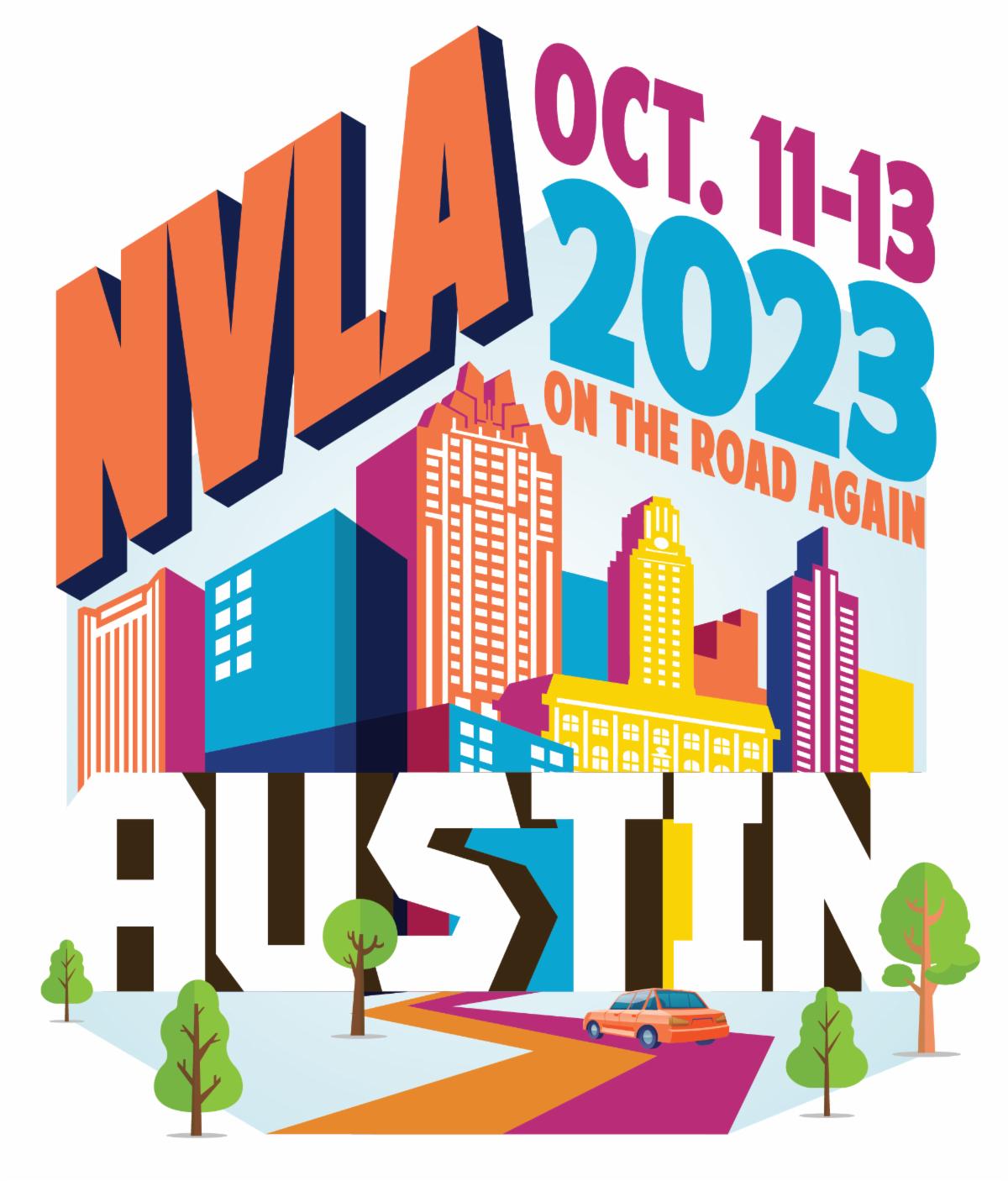
I look forward to seeing all of you in Austin, TX, for our national conference on October 11-13, 2023, at the Sheraton Austin at the Capitol. Register today!
| |
|
The 2023 NVLA Annual Conference will be October 11-13 at the Sheraton Austin at the Capitol in Austin, Texas.
NVLA is the preeminent organization for the leasing industry, promoting responsible legislation and encouraging the highest ethical and professional standards. Our annual conference attracts high level attendees that ensure productive networking among independent lessors and service providers who are vital to the leasing industry.
Early Bird Registration is officially open - Register today!
| |
Fleet Electrification is Accelerating: What Lessors Need to Know | |
|
By Inspiration Mobility, NVLA Member
If the last few months tell us anything, it’s that electric vehicles (EVs) aren’t going anywhere. In fact, we are seeing more states pass sweeping legislation that impacts fleets. Most recently, the California Air Resources Board passed the Advanced Clean Fleets rule, which requires that:
- All fleet operators with 50+ vehicles must convert their trucks and buses to zero-emission by 2042.
- Sales of internal combustion models will end in 2036.
- Some fleet types (like last mile delivery and drayage) will buy only zero-emission vehicles starting in 2024.
To date, 22 other states and the District of Columbia also have EV-related mandates. These programs are in addition to the federal Bipartisan Infrastructure Law (BIL) and Inflation Reduction Act that offer a wide range of laws and incentives from the 30D EV tax credit for new and used vehicles to the National Electric Vehicle Infrastructure (NEVI) program for highway public charging.
Though the electric transition has already started, fleets still feel uneasy about how it may impact their operations. Charging infrastructure availability, range anxiety, vehicle availability, and residual value uncertainty continue to be the major blockers for widespread fleet adoption. But the used vehicle tax credit is improving confidence in residual values, private and public charging investments are accelerating, and OEMs are releasing new models and ramping up production. For example, the Ford F-150 Lightning has an impressive range of 320 miles and Ford also recently announced an extended range option for their popular eTransit van.
The takeaway? Now is the time for lessors to start helping their fleet lessees plan for their electrification journey. Forward-thinking lessors and fleets will be rewarded by the enhanced financial profile of EVs (i.e. - lower fuel, maintenance, and lifecycle costs), take early advantage of grant programs, and secure supply of their desired vehicles.
Inspiration Mobility is the first EV only lessor, investing, developing, and managing the real assets enabling the electrification of transportation. NVLA member and past president Ed Kaye, Inspiration’s SVP of Sales and Business Development, can be reached here.
| |
|
Emily Stoller
President and CEO, Glesby Marks
Emily Stoller was born and raised in Los Angeles, California and moved back east to Washington D.C. to attend The George Washington University, where she earned her Bachelor’s Degree. Over the next ten years, she was instrumental in building a web development and email marketing company servicing the government, honing strong project management skills and earning her MBA. In 2015, she moved to Houston with her now husband, began working at Glesby Marks and became the President and CEO in January of 2017. Emily lives in Houston with her husband and son. Her favorite hobbies are cooking and reading, and she is always up for trying new restaurants in the city.
Why I joined NVLA
I wanted to join NVLA to build connections with my peers in the industry. There is so much to learn and the environment has changed dramatically over the last couple of years and will continue to change. With the advent of EVs, among other things, I believe being part of an association with the focus that NVLA has (education, legislation and communication) is one of the best ways I can ensure to be an integral member of this industry and in turn become a stronger leader for our organization.
What you hope to get out of your membership, personally and professionally
I hope to build lasting relationships with peers in the industry, continue to learn about trends and industry changes as well as advocate for our industry’s best interest.
| |
Featured Member Benefit: Online Member Directory | |
|
www.nvla.org
Gain access to NVLA's searchable online directory through your member login. Members can update their company and individual profiles to allow for full background and contact information to be visible to other members. Make sure your profile is complete and up to date. You can also:
- Access another member's profile
- Send a message
- Invite another member to become a contact
- Create a resume
- Join a group
- Refer a friend
Resetting your password is easy. On the member login page, just click on Click here to reset your password.
Up to date and easily available, the NVLA member directory is an invaluable networking tool. Future issues of LeaseWire will highlight additional benefits to help you make the best use of your NVLA membership.
| |
|
Roger J. Camping, CVLE
Owner and Chairman, RC Auto Corporation
Roger J. Camping is a native resident of Phoenix, Arizona. Born in 1954, he attended Phoenix Christian Grade School and Phoenix Christian High School. He received his B.A. degree in Business Administration/ Economics from Tabor College in Hillsboro, Kansas, where he served as Student Body President and was awarded Athlete Of The Year, All Star in District 10, and All American/Honorable Mention in basketball. He is married (44 years) to his wife Paula, and they are the parents of three sons and one daughter and enjoy 16 Grand Children.
Upon graduation from college, he worked as a Special Assistant to a US Congressman and then in a Dealer Training Program with Ford and several dealerships in Phoenix until he started his own company, RC Auto Corporation in 1981.
Roger is a Certified Vehicle Leasing Executive (CVLE) with the National Vehicle Leasing Association, served on the board in the 1990’s and received the Clemens-Pender Award in 2019. After 43 years in business, RC Auto represents over 23,000 clients and leases and sells all makes and models of cars and trucks.
In 1990, Roger helped venture a Non-Profit Educational Christian radio station in Prescott, Arizona and served as founder and Chairman- President of the Board of Radio Shine 90.9 FM for 25 years until gifting the station to Arizona Christian University (ACU).
Why you joined NVLA
I joined the NVLA in 1982 attending my first conference in Monterey, California. I needed to find others that owned leasing companies that we could learn from and collaborate with, hence our Beta Study Group.
What you received from your membership, personally and professionally
The education with CVLE was so valuable. The personal friendships, to this very day after 40 years…priceless! It only takes one introduction, or one speaker at a conference to change your life or career. I've had multiple experiences!
| |
Here’s What Dealers Need to Know About the Safeguards Mandate Closing in On June | |
|
By 700Credit, NVLA Member
Sponsored Content
The Federal Trade Commission’s (FTC) Safeguards Rule kicks into effect this year, and we’re nearing the June deadline for final compliance deadlines. The law requires stricter information security programs for consumers, thus requiring the strengthening of dealership information systems security.
The ruling oversees how financial institutions protect consumer data, and dealerships must implement changes to protect their own consumer data, but they also must have a formal training program for their employees and third-party audits in place to ensure their entire list of vendors are also following these guidelines.
What’s Key in Becoming Compliant
It will be important for dealers to designate individuals within the dealership who are trained in taking ownership of these new regulations and to ensure everyone is ready.
Dealers would be wise to take inventory of every possible way they receive consumer data and information, from the beginning of the process with advertising and marketing insights that enters the top of the funnel, all of the search-engine and social media data they receive through promotions and interactions, website information and insights, and certainly consumer information through the service lane.
There are significant challenges and hurdles in the near term for dealers and their vendor partners. However, with the right guidance and expert counsel, dealers and their partners can achieve this critical compliance and train each employee on the new rules in place so that they can provide their customers with the trust they need to do business in this era of modern retailing.
| |
Guide to Recovering Stolen Commercial Vehicles with Fleet Technology | |
|
Courtesy of Scott Crawford and Wilmar, Inc.
Vehicle theft is one of the most prominent and costly crimes in the US. From private vehicles to commercial vehicles, thieves seek to make thousands of dollars from every theft. This is especially true for cargo vehicles whose cargo may be part of the haul. Traditionally, recovering a fleet vehicle that has been stolen relies on visual identification of the make, model, and license plate of the stolen vehicle. However, modern fleet managers now have the power to enhance both the theft resistance and theft recovery of their commercial vehicles with aftermarket upgrades. We will explore how fleet technology can be used to discourage theft and to recover your stolen commercial vehicles after they have been stolen.
1) Real-Time GPS Data
The first and most useful feature you can use to recover a stolen commercial vehicle is GPS tracking. More importantly, live real-time GPS tracking that is difficult to disable or uninstall. It's better to use after-market GPS and to hide the mechanism, as anyone experienced in vehicle theft -- especially commercial vehicle theft -- may know how to disable default features. Real-time GPS will tell you where your fleet vehicles are at all times, no matter who is driving them. This will allow the police to track down your vehicle and retrieve it from the thief's parking spot.
2) Visible Dash Cams with Real-Time Feeds
Dash cams are useful on a number of levels, both for discouraging aware thieves and catching less-aware thieves on video committing their crime. Real-time dashcam feeds are more useful, of course, because you will be able to track where your vehicle is moving and even who is moving around it while the theft is in action or immediately after the theft has occurred. Integral dash cams - without easily unpluggable ports - are also more valuable because thieves will not be able to disable your cams when they begin the theft. Lastly, dash cams with a visible light can alert thieves that they are being recorded and stop a theft before it begins.
Continue reading the Wilmar guide here.
| |
|
By Tarry Shebesta, First Vice President, NVLA
tarry@acscorp.com
As I mentioned at the start of this series, LinkedIn is an incredibly powerful social media platform for business.
From generating sales leads, looking for employees to hire, finding a strategic partner to work with, or sharing your experience and knowledge as an SME (Subject Matter Expert), LinkedIn is a resource your business cannot do without.
To get the most out of LinkedIn, we'll post tips and tricks in each LeaseWire publication. Some are quick hits and others will be more involved. The more time you put in, the more the payoff.
Next up, "Optimizing Your Headline"
Use your headline to describe your current position, industry, and skills. This will make it easier for people to understand your professional identity and what you have to offer.
For example, here is mine: FinTech Innovator | Investor, Advisor, Strategist "💡"
You can even use an Emoji to grab attention.
Keep it short so when you post comments, people can see your whole headline.
Have questions or some tips of your own? Shoot me an email so we can share it with our members.
| |
Current Used Vehicle Market Conditions: February/March 2023 | |
|
By Tom Kontos, Chief Economist, ADESA Auctions
Courtesy of Tom Kontos, Kontos Kommentary
Summary
Average wholesale used vehicle prices rose for the second consecutive month in February and well into March. Certified pre-owned (CPO) sales also rose in February despite short supplies of late-model vehicles, as OEMs have expanded their programs to include older models and consumers look for ways to fight inflation.
Wholesale Market Trends*
According to ADESA US Analytical Services’ monthly analysis of auction industry used vehicle prices by vehicle model class, wholesale prices in February averaged $15,311 — up 3.9% compared to January, down 5.7% relative to February 2022, and up 42.1% versus pre-pandemic/February 2019. All model class segments showed average price increases for the month with the exception of full-size vans, which were modestly down.
Average prices have continued to increase in March and stood at $16,525 for the week ending March 19.
*Source: Analysis in this section is based on over six million annual sales transactions from over 250 of the largest U.S. wholesale auto auctions, including those of ADESA US as well as other auction companies. ADESA US Analytical Services segregates these transactions to study trends by vehicle model class, sale type, model year, etc.
To read more, click here.
| |
Thank you Conference Sponsors! | | | | |