Woodland Word

July 9, 2025

Volume 13 Number 28

In the News

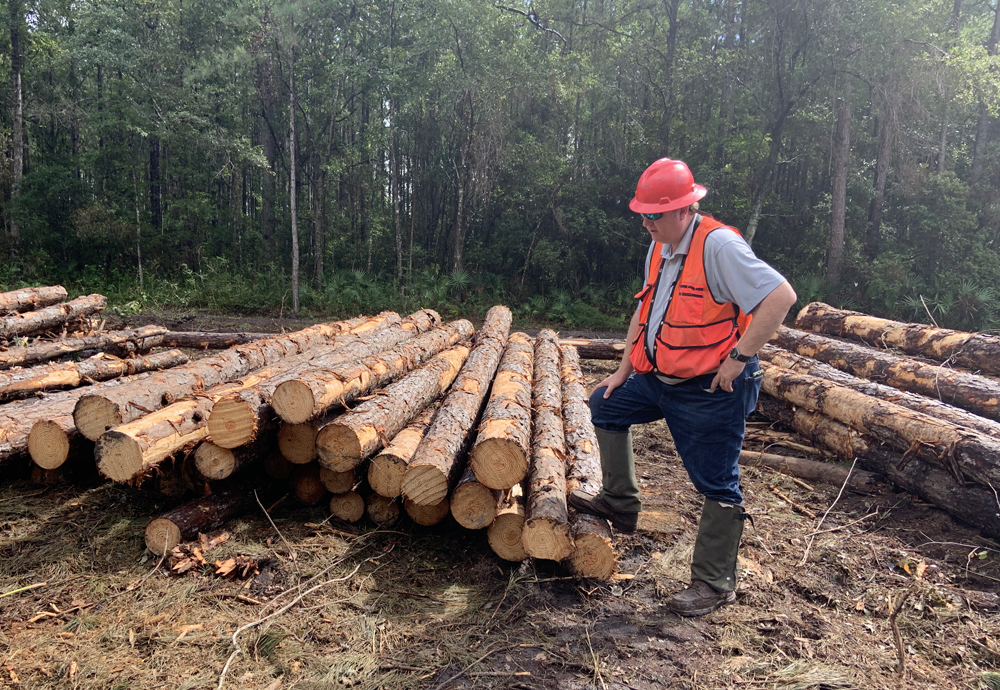
What-happens-in-a-timber-harvest image

In the News:

A Comparative Analysis of Forest Harvesting, Timber Supply, and Tree Planting Across Regions of the United States


Much of the United States is heavily forested, and these forests support the world’s largest and most diverse wood products sector while providing several other ecosystem services. Forest management in the form of timber harvesting and reforestation determines the overall sustainability of all service values.


We use remeasured forest inventory plots to define harvest rates and intensities and estimate comparable economic harvest choice and tree-planting models for all subregions and ownership groups of the United States.

Knowledge, Inspiration, and Humor

Mosquito-Bite-1296x728-Header-1296x728 image

How To:

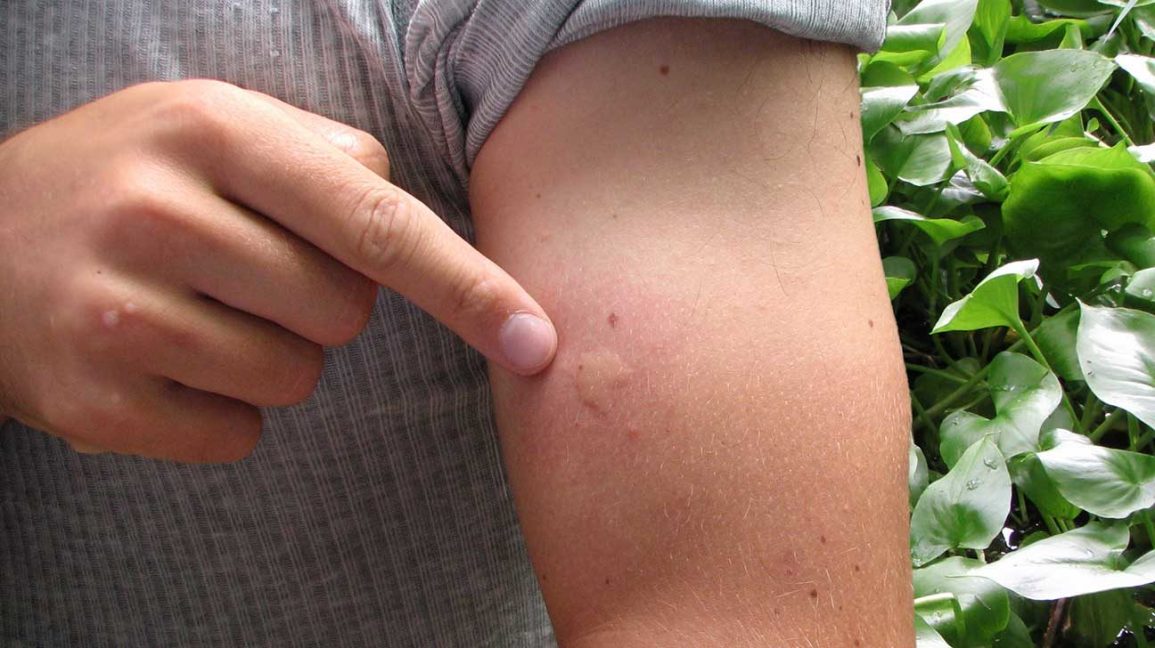
Identifying Bug Bites & Stings


Whether you’re in the water, on a mountain trail, or in your backyard, wildlife you encounter have ways of protecting themselves and their territory.


Insects, such as bees, ants, spiders, and scorpions, may bite or sting if you get close. Most of these animals won’t bother you if you don’t bother them, but knowing what to look for is key.


The form a bite takes depends on what type of animal bit you. Take a look at the photos below to help identify which animal may have caused your bug bite.

Keeping Track of the Bad Guys

Coming soon in National Woodlands magazine:

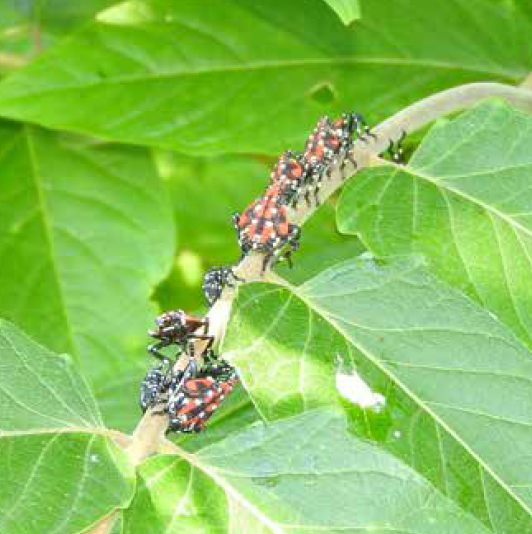
Tree-of-Heaven attracts Spotted Lantern Fly?


As if finding Tree-of-Heaven (Ailanthus altissima) on your property isn't bad enough, seeing the invasive insects thriving on it is a "double whammy." Ailanthus takes over roadsides, fields, and woodlands, forming dense clonal thickets that reduce biodiversity and decrease regeneration. Learn how to defeat this invader in the next issue of National Woodlands magazine.


NWOA members receive our colorful, 64-page magazine each quarter, by mail or digitally. Members of NWOA are more informed on critical issues like the one described above.


Learn more about NWOA Membership!

13438595_062823-wls-nagy-air-quality-10p-vid image

Into the Woods:

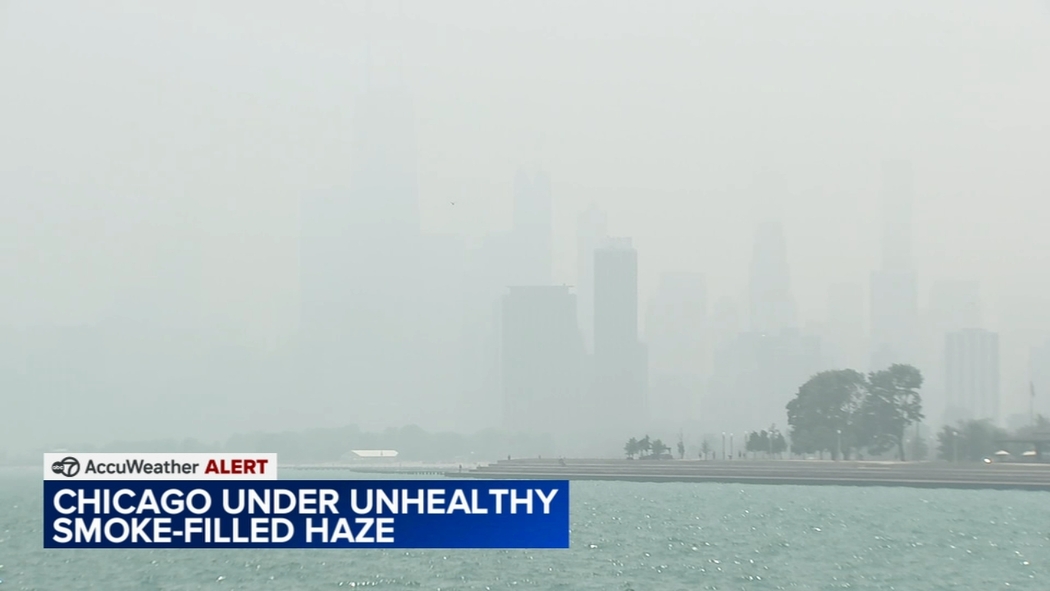
America's Coming Smoke Epidemic


Until recently, wildfires that exposed large populations to smoke were a relatively rare occurrence. But that’s changing: More frequent and intense wildfires are erasing or even reversing decades of gains made in American air quality in the majority of U.S. states.


Across the country, from 2012 to 2022, the number of people exposed to unhealthy air from wildfire smoke increased 27-fold; one out of every four unhealthy air days in parts of the country is now a smoke day.


“It is the exposure that is impacting air quality across the U.S. now more than any other pollution source,” Joan Casey, an environmental epidemiologist at the University of Washington whose work helped show a link between wildfire-smoke exposure and increased risk of dementia, told me.

Kisatchie-NF-Rolling-Hills-scaled image

Wednesday Wildlife:

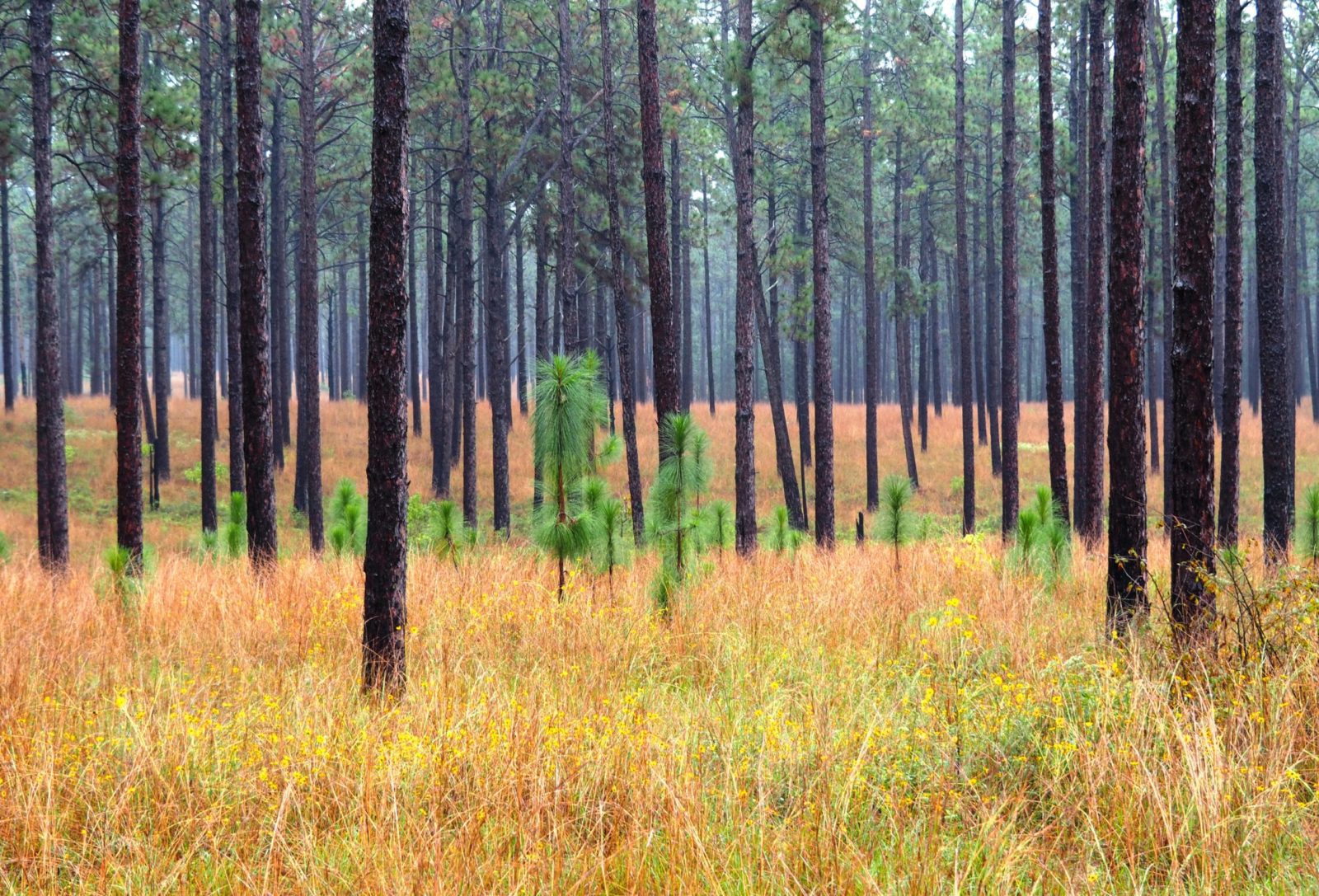
Advancing Forestry practices to Support Southern Wildlife


To unfamiliar visitors, the longleaf pine forests of the South might seem stately and beautiful … but quiet, at times seemingly devoid of wildlife. Nothing could be further from the truth — you just need to know where to look, and have patience. 


The remaining fragments of these once-immense forests hold some of the greatest plant and animal biodiversity in the United States. Warblers, vireos, bluebirds, sparrows, hawks, kites and many more types of birds either live there or move through on annual migrations.


White-tailed deer, wild turkeys, northern bobwhite quail and black bears all call it home. So do lesser-known species that have evolved to flourish in these fire-dependent forests. Gopher tortoises, eastern indigo snakes and flatwoods salamanders are just a few of the reptiles and amphibians that can be found. Red-cockaded woodpeckers are longleaf specialists, but they share the wealth of insect life with pileated, red-bellied, red-headed, hairy and downy woodpeckers. 

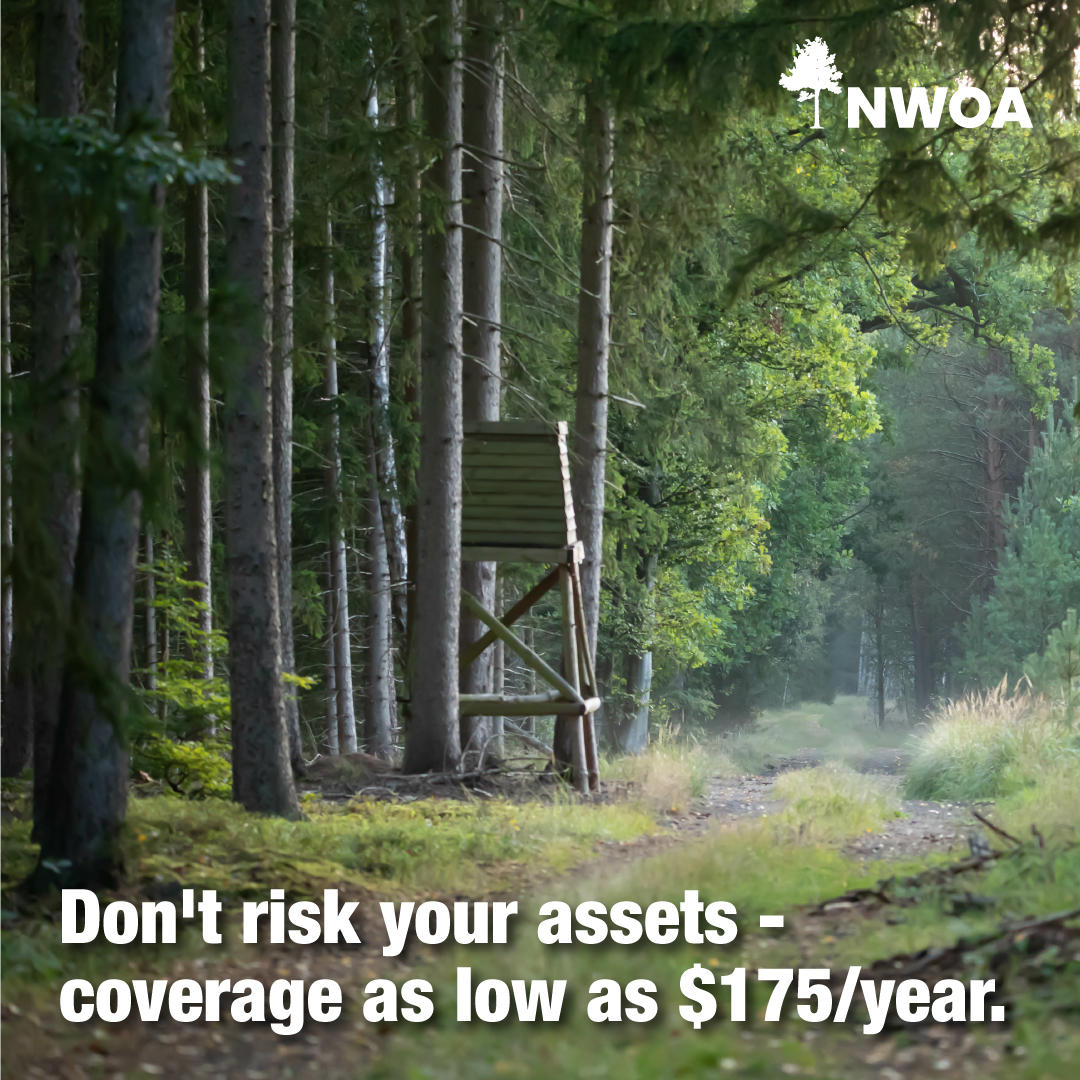
Do I need hunting land insurance?

Hunting land insurance protects you and hunters from liability risks. Accidents can happen, so don't risk your assets - get covered. Hunting liability insurance coverage from NWOA is cost effective for landowners with small and large acreage. Annual premiums start at $175/year for up to 604 acres. 


Click here for more information.

NWOA Newsletter Support

Annual grant support provided by the USDA Forest Service. NWOA is an Equal Opportunity Provider.

Join NWOA

Subscribe for Free

Send Us an Article

Facebook

Instagram