|
Governor Hochul Announces New York State’s First-Ever Report on Maternal Mental Health
Governor Kathy Hochul today announced the release of New York’s first-ever maternal mental health report detailing the challenges pregnant women are facing and recommendations for improvements statewide. In addition to the report, the state also made available funding to help OBGYN and family medicine practices support perinatal pregnant women with behavioral health needs and is hosting a series of virtual roundtables to discuss maternal mental health issues. Drafted by the Maternal Mental Health Workgroup led by the New York State Office of Mental Health (OMH), the report provides a detailed pathway to improve the mental health of pregnant women statewide, including training to help providers identify specific conditions and improved mental health screening procedures for pregnant women. The report also advocates for the use of doulas and peer support programs, calls for specialized training for 988 crisis counselors and recommends expanding the Collaborative Care Medicaid Program. Read more here.
Related: Policy Center for Maternal Mental Health Releases Guidance to Governors to Combat Rising Maternal Health Crisis
| |
New York State Department of Health Submits Application for $1 Billion Under the Federal Rural Health Transformation Program
The New York State Department of Health today announced that New York has submitted its application to the Centers for Medicare & Medicaid Services (CMS) for the federal Rural Health Transformation Program. States selected to receive the awards will be decided by December 31, 2025. The Department has also launched a new website detailing key initiatives included in its application, underscoring the state's continued commitment to advancing the health and well-being of all New Yorkers. New York State has more than 47,000 square miles of rural land area. About 2.1 million New Yorkers live in areas considered rural, representing more than 10 percent of the state's total population. However, these communities face disparities across a variety of health indicators including care coordination, primary care access, behavioral health care access and incidence of chronic conditions. Read more here.
Related: All 50 States Seek to Transform Rural Health with CMS
| |
Governor Hochul Awards Additional Funding for Community Prevention Coalitions in High-Need Areas of the State During National Substance Use and Misuse Prevention Month
Governor Kathy Hochul last week announced that New York State is awarding nearly $1 million in funding from the NYS Opioid Settlement Fund to providers in high-need areas to assist with implementing various addiction prevention initiatives. The award of this funding comes as the state marks the annual National Substance Use & Misuse Prevention Month observance, as well as Red Ribbon Week, a nationwide effort to raise awareness of the importance of substance use prevention efforts among young people. Read more here.
| |
SUNY Chancellor King Celebrates New York State Joining the Center for State Service Innovation
State University of New York Chancellor John B. King Jr. on Wednesday celebrated New York State's selection by Service Year Alliance to join the inaugural cohort of the Center for State Service Innovation, an initiative seeking to grow the number of paid service opportunities throughout the United States. Through participation in the program, SUNY as the NYS representative will receive technical support to help guide the program's expansion and offer more annual service positions. New York State is one of four states chosen to participate in the inaugural cohort of the Center for State Service Innovation, and will be represented by SUNY. Other states selected by Service Year Alliance include California, Colorado, and Kentucky. Read more here.
| |
Schools Tapped Young Adults to Serve as Mental Health Navigators. What Happened Next?
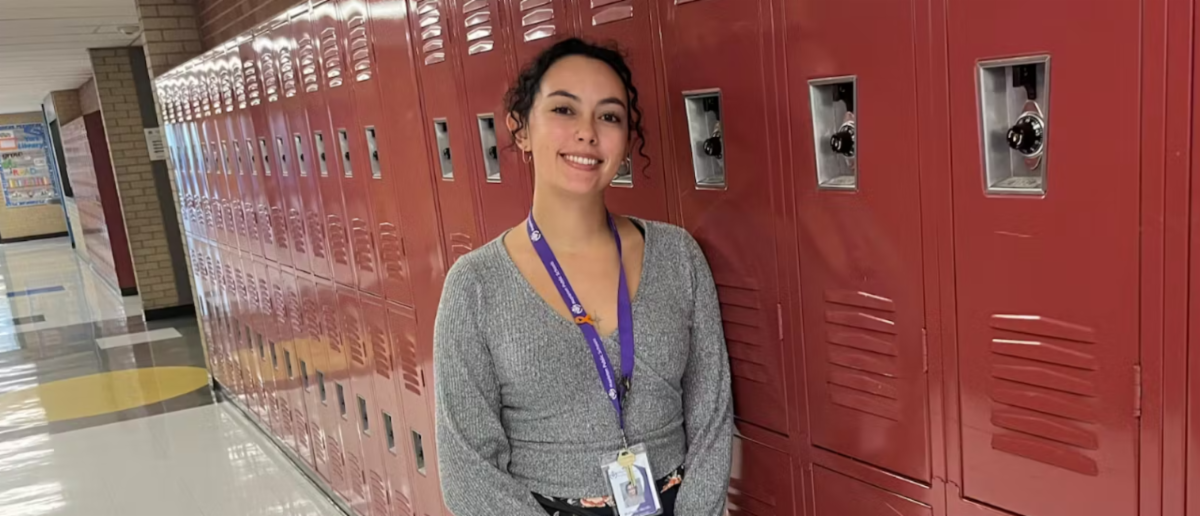
At the high school where Marissa Garcia works as a mental health navigator, she manages a caseload of 20 to 40 students. Each week, Garcia meets one-on-one with these students, who have been flagged for slipping attendance, low classroom engagement or another behavior that suggests they might benefit from regular support. She sits and talks with them, trying to understand the barriers that keep them from coming to school. She directs them to community resources for meeting basic needs, like food banks and public assistance programs. She listens to them — and relates to them — as they share the challenges of experiencing adolescence in the digital age. What’s unique about Garcia is that, at 24, she is not many years removed from the students she’s serving on a daily basis. And that is by design. Garcia is one of the 317 young people who served in the inaugural year of the Youth Mental Health Corps, a national service initiative that deploys “near-peer” mentors across communities with limited access to mental health resources. Read more here.
| |
Are Neighbors the Key to Solving the Loneliness Epidemic?
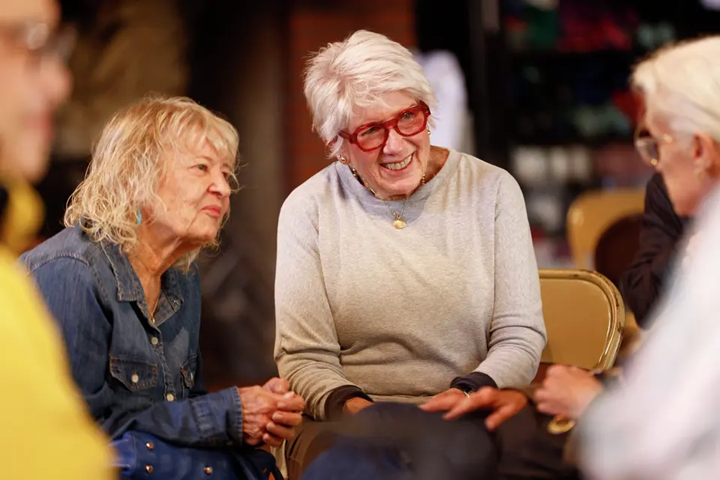
For an hour on Thursday afternoon, inside the spacious St. John of God Church in San Francisco’s Inner Sunset District, Georgia Seibert and about 30 other older adults — mostly from the neighborhood — did tai chi, arm circles and stepping to the beat of the music in unison as part of a group exercise class. Afterward, Seibert and a dozen others sat in groups of three to get to know each other, picking questions out of a hat as an icebreaker. Seibert’s group drew, “Share something about yourself people might be surprised to know.” Seibert, 84, shared that she was a ballet dancer in Beverly Hills when she was 18. The event was part of the “Meet Six Neighbors” initiative, led by a statewide program called Neighbor-to-Neighbor, which began during the COVID pandemic to help Californians tackle social isolation and strengthen community bonds. This fall, the state partnered with the city of San Francisco to launch the Meet Six Neighbors campaign locally, challenging residents to forge social connections with six people who live nearby. Read more here.
| |
New York State 2024 County Data Book Released
The New York State Council on Children and Families (CCF), led by our Research and Data team, has released the NEW YORK STATE 2024 County Data Book. The book groups child poverty and education indicators, broken down by race and ethnicity. The book supports data-informed decision-making to understand better the needs of and tailor services for children and families in New York State. It offers county-level data on well-being indicators across all 62 counties in New York. View County Snapshots here!
| |
Embedded Counselors Bring More Visibility to Mental Health Support
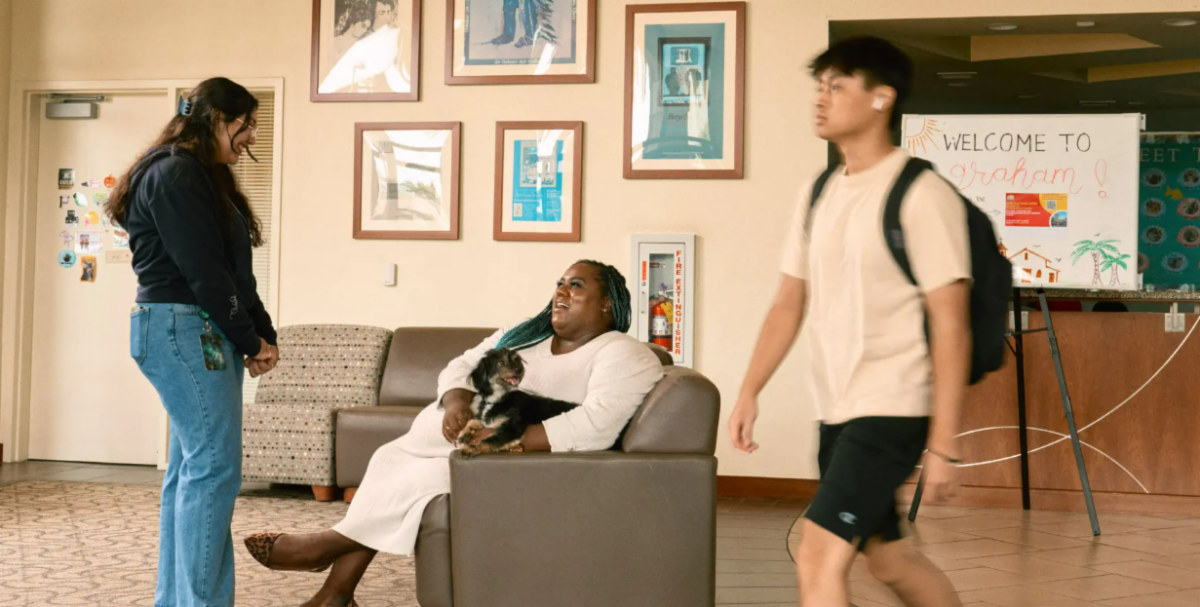
U.S. colleges and universities are increasingly relying on embedded counselors—mental health professionals working out of campus dorms and academic buildings—to boost the visibility and accessibility of campus mental health services, The New York Times reports. In the 2023-24 academic year, about one-third of college counseling centers said they used embedded counselors, according to an annual survey from the Association for University and College Counseling Center Directors. That was up from 20% five years prior, the Times reports. The steady growth in embedded counseling programs comes at a time when 37% of college students say they are grappling with moderate or severe depression symptoms, according to 2024-25 data from Healthy Minds, the largest student mental health study in the nation. Read more here.
Related: When Your Therapist Is Just a Dorm Room Away
| |
How Medicaid’s New Work Requirement Will Work
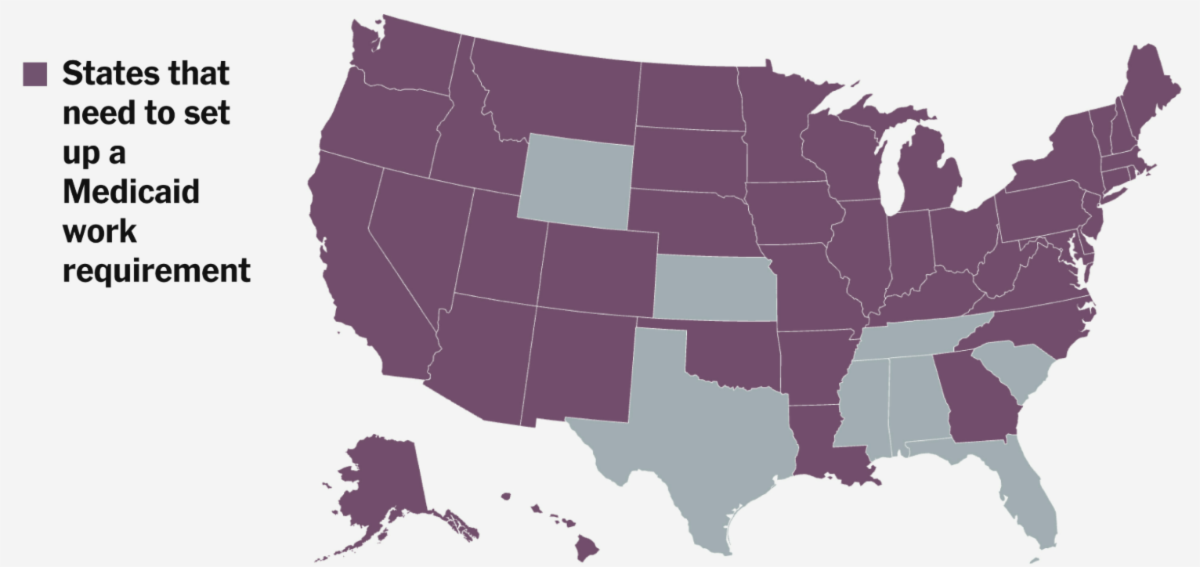
Medicaid, the public health insurance program for the poor and disabled, will undergo its biggest transformation in more than a decade when a new work requirement is added to the program in 2027. The new policy, passed as part of Republicans’ big domestic policy bill this summer, means that millions of Americans will have to regularly prove to their states that they are working or volunteering in order to receive coverage. The change, intended to nudge more poor Americans into the work force, is expected to cause nearly five million people to lose coverage and will increase burdens on both individuals and state governments. Republican leaders contend that reshaping the program in this way will save the government money, and refocus the program on people they say contribute more to their communities. Here’s what to expect. Read more here.
Related: Aligning Work Requirements Across SNAP and Medicaid to Support Public Benefit Continuity
| | |
UPCOMING EVENTS & TRAININGS
Supporting Families, Supporting Recovery: Overcoming Stigma in LGBTQIA2S+ SUD Treatment
November 6, 12 - 1:30 pm, NAADAC
Integrating Healthcare and Crisis Lines to Provide High Quality Follow-up and Crisis Care for Older Adults
November 6, 1 - 2 pm, SAMHSA
From Insight to Action: Affirming Clinical Strategies for LGBTQ+ Clients with Co-Occurring Disorders
November 7, 12 - 1:30 pm, NAADAC
Dashboard to Dollars: Insights into Treatment Court Funding Strategies
November 12, 1 - 2 pm, NCSC
Beyond the Call: Building Community Informed Follow-Up Models
November 13, 1 - 2 pm, SAMHSA
Understanding Maternal Mental Health and Stigma
November 13, 1 - 3:30 pm, OMH/BHN
Creating Brain-Friendly Environments: The Key to a Strong Workforce
November 13, 2 - 3:15 pm, Social Current
Transforming Suicide Prevention: A Data-Driven Framework
November 13, 2 - 3:30 pm, National Council for Mental Wellbeing
Mental Health Treatment and the Court System
November 13, 3 - 4:30 pm, NAMI
Medicaid & Other Federal Policy Impacts: How to Make a Difference
November 14, 12 - 1:30 pm, NAADAC
NAMI NYS 2025 Education Conference
November 14 - 16, NAMI NYS, IN-PERSON
2025 Health Equity Summit: Addressing Mental Health Inequities in Rural Communities
November 17-18, OMH - Albany, NY
The Future in Focus: The Need for a Comprehensive Approach to Youth Mental Health
November 18, 9 am - 12 pm, City & State - Albany, NY
Where Is All This AI Going for Behavioral Health Providers? A Look Into the (Not-so-distant) Future
November 18, 2 - 3 pm, National Council for Mental Wellbeing
An Executive Perspective: How AI Is Shaping The Future Of Integrated Care
November 18, 3 - 4 pm, OPEN MINDS/Core Solutions
The 7Cs Framework for Substance Misuse Prevention
November 19, 12 - 1 pm, NAADAC
Workforce Development Series Part 2
November 20, 1 - 2 pm, MTM Services
Becoming a MHFA Instructor
November 20, 2 - 3 pm, National Council for Mental Wellbeing
Empowering Addiction Service Providers: Best Practices for HIV, HCV, and HBV Screening, Prevention, and Linkage to Care
November 20, 12 - 1:30 pm, NAADAC
Maternal Mental Health Support Programs and Solutions to Overcome Stigma
November 20, 1 - 3:30 pm, OMH/BHN
Recognizing and Overcoming Barriers to Mental Health in Rural America
November 20, 4 - 5:30 pm, NAMI
De-escalation, Basic Tools for Social Workers
November 21, 10 - 11 am, NCATTC
From Awareness to Action: Igniting Ideas for Addressing Social Isolation and Loneliness in Clinical Practice - Screening Tools & Assessment
December 3, 12 - 1 pm, CCSMH
The Peer Model: the Ethics in Efficacy
December 3, 12 - 1:30 pm, NAADAC
Telehealth Regulatory Guidance for OMH Providers
December 4, 12 - 1 pm, MCTAC
Workforce Development Series Part 3
November 4, 1 - 2 pm, MTM Services
Investigation Topics Series: Trauma Informed Approach
December 18, 11 am - 12 pm, NYS Justice Center
Workforce Development Series 4
December 18, 1 - 2 pm, MTM Services
From Awareness to Action: Igniting Ideas for Addressing Social Isolation and Loneliness in Clinical Practice
January 14, 2026, 12 - 1 pm, CCSMH
| |
CLMHD CALENDAR
NOVEMBER
CLMHD Office Closed - Veterans Day
November 11
Addiction Services & Supports (ASR) Committee Meeting
November 13: 11 am - 12 pm
Mental Health Committee Meeting
November 13: 3 - 4 pm
Children & Families Committee Meeting
November 18: 11:30 am - 1 pm
Membership Call
November 19: 9 - 10:30 am
Developmental Disabilities Committee Meeting
November 20: 1 - 2 pm
CLMHD Office Closed - Thanksgiving
November 27 - 28
| |