|
Governor Hochul Announces Award of Nearly $6 Million to Strengthen Services for Young People Impacted by Substance Use Disorders
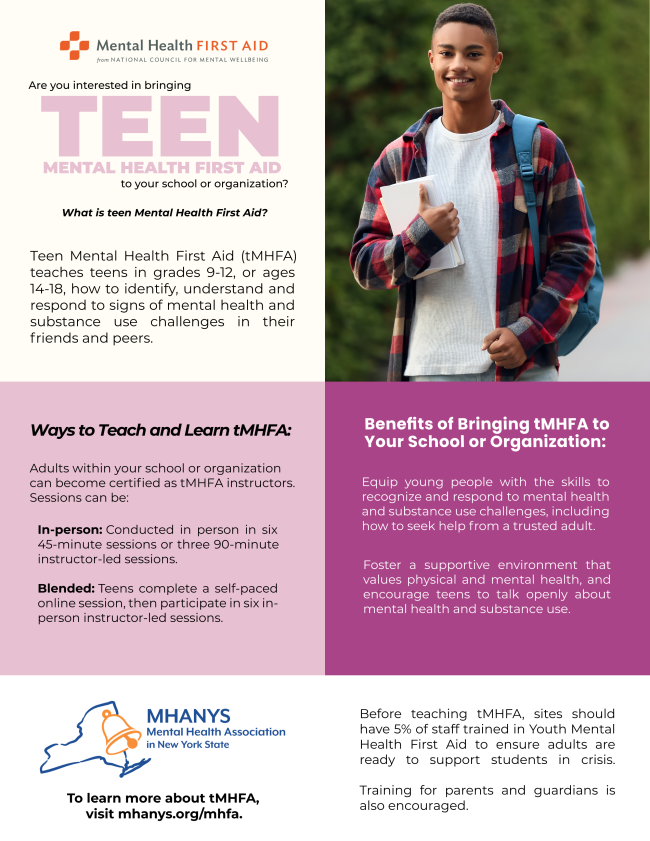
Governor Kathy Hochul last week announced the award of nearly $6 million in opioid settlement funding to 12 Recovery Community and Outreach Centers across New York state, fulfilling a key promise in this year’s State of the State address. This initiative will allow these programs to expand their work to include new and additional youth-focused services. Funding is being provided through the New York State Opioid Settlement Fund, overseen by the New York State Office of Addiction Services and Supports (OASAS) and aligns with the Opioid Settlement Fund Advisory Board’s recommendations to increase recovery services and outreach to priority populations. “As part of my State of the State address in January, I made a commitment to ensuring that young New Yorkers are protected and have the tools and resources they need to live healthy, productive lives,” Governor Hochul said. Read more here.
| |
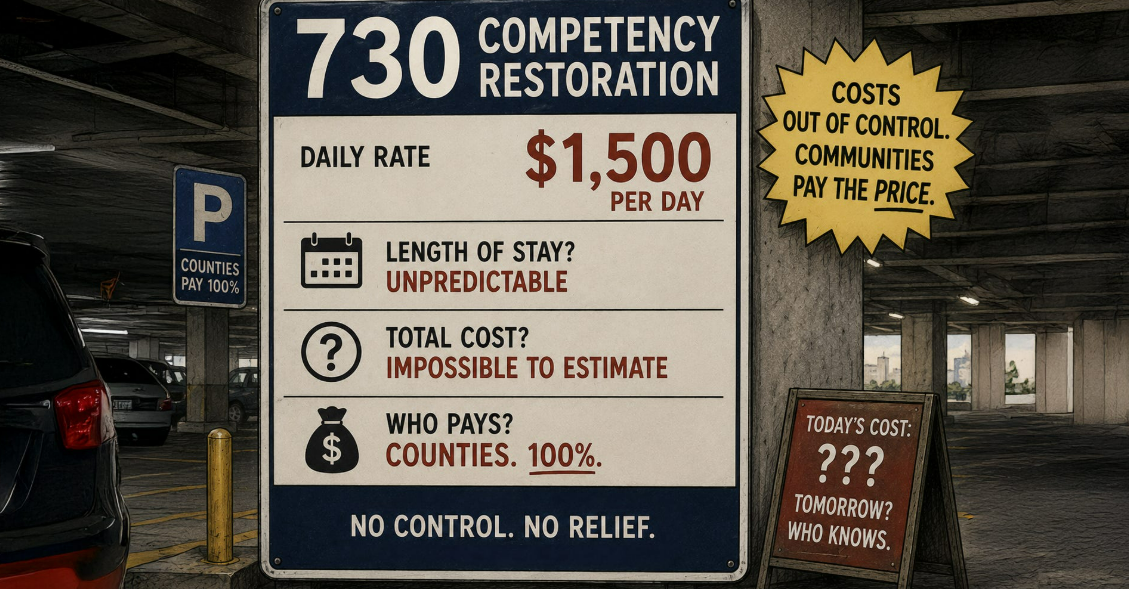
Competency Restoration Reform Is Long Overdue
This week, The Daily Gazette highlighted a challenge that county governments across New York know all too well. Saratoga County recently transferred nearly $1.2 million to cover the cost of court-ordered psychiatric restoration services for just six individuals. As Commissioner Megan Johnson explained, a single person can cost counties more than $500,000 per year, and counties have virtually no ability to predict when these expenses will arise. Saratoga’s experience is not unique. It is becoming the norm. Across New York, counties are facing rapidly escalating costs associated with competency restoration under Article 730 of the Criminal Procedure Law. Since 2019, some counties have seen these costs increase by as much as 6,000 percent—a trend driven by longer stays, rising daily rates, and a system that too often fails to distinguish between competency restoration and mental health treatment. Read more here.
| |
Opening the Door Wider to Community Support of People With Serious Mental Illnesses: What States Can Learn From the IDD Experience
A new article in The Milbank Quarterly reviews the history of community-based services for people with intellectual and developmental disabilities (IDD) and people with serious and persistent mental illness (SPMI). The authors conclude that while deinstitutionalization benefited both populations, community support efforts have been more successful for people with IDD than for those with SPMI. The article outlines policy considerations for states, including expanded Medicaid authority for home and community-based services, greater federal flexibility and oversight, and stronger state accountability for programs such as 988.
| |
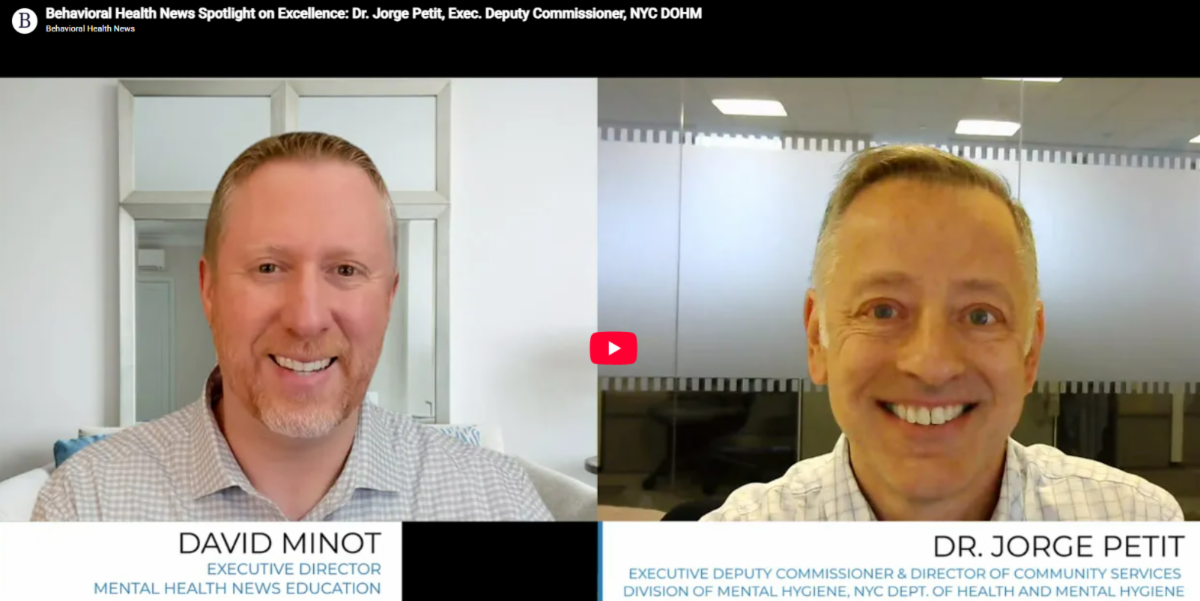
Spotlight on Excellence: An Interview With Dr. Jorge Petit, Executive Deputy Commissioner and Director of Community Services, Division of Mental Hygiene, NYC Department of Health and Mental Hygiene
In this interview, Dr. Jorge Petit, Executive Deputy Commissioner and Director of Community Services for the Division of Mental Hygiene at the New York City Department of Health and Mental Hygiene, discusses what has changed and what remains constant in New York City’s behavioral health landscape, how the Division is tackling health equity, the youth mental health crisis, and workforce pressures together, and what success will look like a year into his tenure. Read more here.
| |
How 7 Systems Divert Behavioral Health Patients from the ED
Future demands are stark: Behavioral health emergency department visits are projected to increase by 1 million over the next decade, with adult visits projected to grow 12% and pediatric visits projected to rise 7% — outpacing physical health ED growth. Workforce shortages have also grown with more than one-third of the U.S. population — about 122 million people — living in a mental health professional shortage area. Here is how seven health systems are diverting behavioral health patients from the ED.
-
EmPATH units
Medical University of South Carolina in Charleston launched an adult emergency psychiatric assessment, treatment and healing (EmPATH) unit in July 2025 with 8 bays, but daily utilization sat around 12% for the first 6 months. After the health system made the unit the default space for psychiatric patients, rather than a psychiatric holding area, and overhauled overnight psychiatric coverage, utilization climbed to nearly 40%. Read more here.
| |
Lessons from the Field: Six Reasons Young People Told Us They Go to AI for Emotional Support
Young people use AI daily for many reasons, such as for learning or entertainment — but for some, it’s personal. For 12% of US-based teens, AI is a source of emotional support and advice. Hopelab, in partnership with the Center for Digital Thriving, talked with 30 teens (aged 14-17) and young adults (aged 18-22) about their experiences with generative AI tools, including ChatGPT, Claude, and Gemini. Findings reveal young people’s perspectives on when and why they turn to these tools for emotional support, while some express skepticism. Read the report here.
Related: A Clinician's Field Guide to Vetting AI Mental Health Tools
| |
6 New University Programs Tackling Behavioral Health Workforce Gaps
Universities are investing in the behavioral health workforce by expanding certificates and degree programs amid nationwide shortages. This comes as workforce shortages worsened in 2025 from 2024, according to federal data. As of Dec. 13, 2025, the number of designated mental health professional shortage areas rose from 6,418 to 6,807. The population covered by those designations also grew from about 122 million to 137 million. The estimated number of additional practitioners needed to remove the designations increased from roughly 6,200 to 6,800 over the same period. Here are some new programs and certificates to know:
-
The University of Tennessee at Chattanooga launched its Clinical Addiction Studies Certificate, a fully online program designed to prepare professionals to work with individuals affected by addiction. The certificate aligns with Tennessee educational requirements for Licensed Alcohol and Drug Abuse Counselors and was created to help address a shortage of addiction-trained professionals. The 18-credit-hour certificate is designed for UTC students as well as working professionals. Read more here.
| |
Can Rock Climbing, Weight Lifting and Free Lattes Keep People Sober?
When Kylie Corbitt got out of a 30-day addiction treatment center, a familiar problem was waiting outside. “My entire network was all people who used,” she said. “I didn’t even know what it meant to be truly sober.” Her methamphetamine use had intensified slowly during the Covid-19 pandemic, as she lost a job she had held for a decade, grieved the death of the grandmother who helped raise her and grappled with depression. With little structure to her days, each one felt like “Groundhog Day,” Ms. Corbitt said; she would tell herself that she’d get high one last time and then seek help. “And it just never ended,” she added. Treatment interrupted this cycle, but her life wasn’t set up to support her sobriety. Ms. Corbitt, who is 37 and lives in Milton, Mass., tried Alcoholics Anonymous but struggled to feel a sense of fellowship, finding some meetings “a little judgy.” Read more here.
| |
A Loneliness Epidemic is Creating a New Type of Third Space: the One Built Around Curiosity
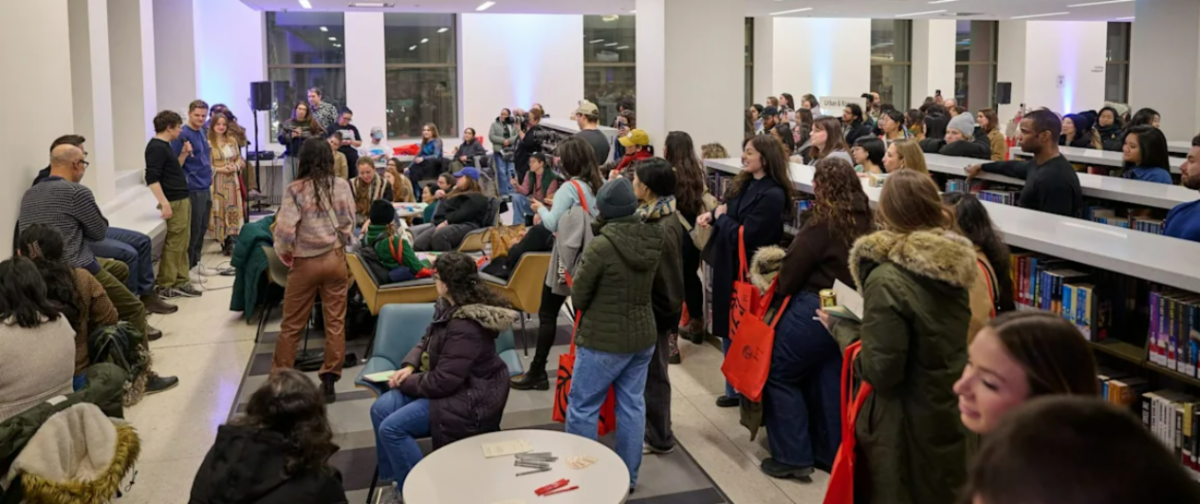
On one of the coldest nights of New York's winter, hundreds of people lined up outside the New York Public Library. Not for a concert or the latest restaurant opening, but to simply read. The event was simple: read silently for 20 minutes, then turn to a stranger and talk about your book. With the library reaching full capacity, they had to turn people away. "It was one of those subzero nights," Brian Bannon, the New York Public Library's chief librarian, told Fortune. "I thought maybe there was a sneaker sale." Instead, "it was a line of 20-somethings waiting to get into the library." Coffee shops gave young adults somewhere to work. Bars gave them somewhere to socialize. But as loneliness and digital fatigue reshape how people spend their free time, spaces built around learning are finding there's growing demand for something many businesses haven't traditionally sold: the opportunity to think together. Read more here.
| |
Strategies to Address the Rural Access Gap in Substance Use Services
Rural communities continue to face some of the steepest barriers to accessing substance use services. Rural residents are less likely to receive treatment for substance use disorder and less likely to remain engaged in care. In rural and underserved communities, where distance, transportation barriers, and workforce shortages are persistent challenges, strategies such as mobile clinics, emergency medical services (EMS) post-overdose response and treatment initiation, and community paramedicine are key tools in the crisis and substance use care continuum that reduce wait times and the potential stigma of office-based treatment. Many states are expanding mobile approaches for reducing overdose deaths and increasing access to care in rural communities. This blog post highlights the role of emergency medical services partnerships and mobile substance use services in delivering care where it is needed most. Read more here.
| |
About a Quarter of Buprenorphine Prescriptions for OUD Abandoned
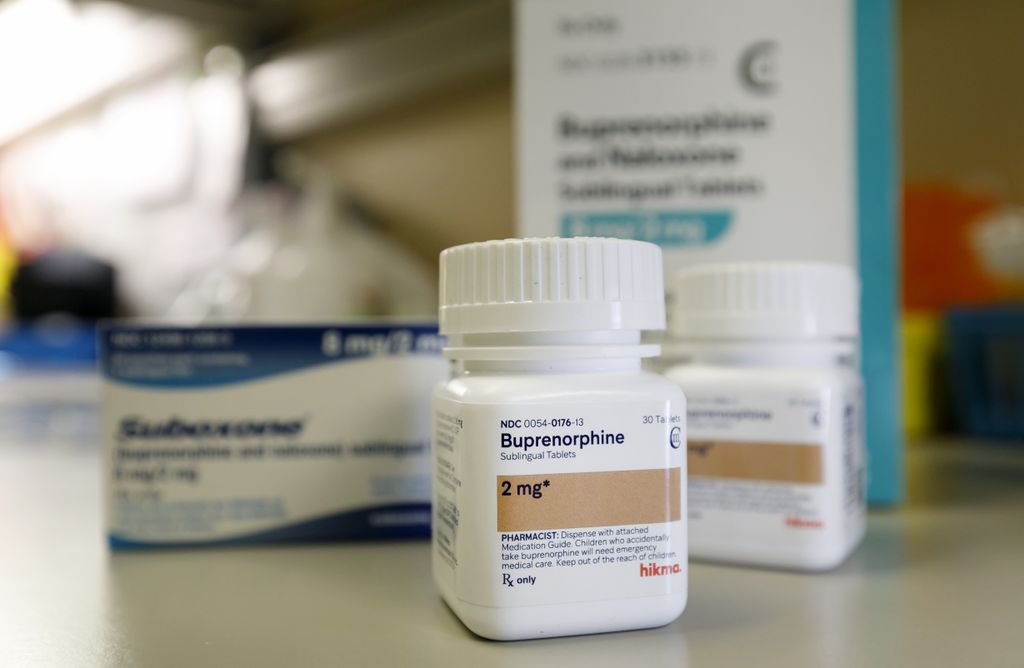
The proportion of new buprenorphine prescriptions for opioid use disorder (OUD) that were never dispensed or filled increased from 2020 to 2024, according to a retrospective cohort study. Among over 1,400 patients with commercial insurance or Medicare Advantage plans, 25.8% had abandoned buprenorphine prescriptions, defined as those not filled by patients or rejected by insurers or pharmacies, reported Xinyi Jiang, PhD, of the CDC's Division of Overdose Prevention. The proportion of first prescriptions being abandoned increased from 19% in 2020 to 37% in 2024 (P for trend=0.02). "Over 1 in 3 patients' first buprenorphine prescriptions were abandoned in 2024, representing a missed opportunity for treatment initiation and engagement," Jiang and team noted. Buprenorphine is an effective treatment for reducing mortality risk in people with OUD but remains underutilized, they pointed out. A previous study found that 32% of buprenorphine prescriptions written from 2015 to 2019 were not dispensed. Read more here.
| |
Hospital Staff Said He Was Faking It and Released Him. He Died from an Overdose Soon After.
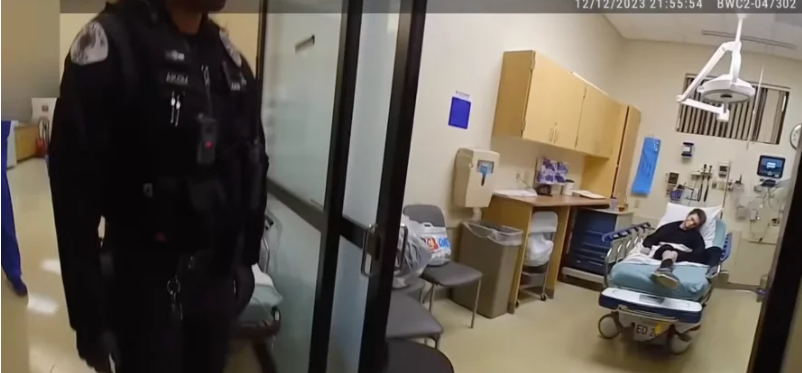
On a cold December night in 2023, the staff at Providence Milwaukie Hospital in Milwaukie, Ore., called local police. They wanted help getting one of their patients, a 26-year-old man named Jean Descamps, out of the emergency room. "He's been evaluated medically. There's no medical problems for him," a member of the hospital team, who NPR has not been able to identify, told police. The moment was captured on an officer's body camera. Records show the hospital's medical staff believed Descamps — emaciated, covered in feces, and often unresponsive — was experiencing symptoms of chronic street drug use, a leading cause of death for young Americans. After Descamps arrived in an ambulance earlier that day, hospital staff cleaned him up and administered naloxone, a medication that reverses opioid overdoses. But now they wanted him gone. "He's not thriving chronically, but there's no medical reason for him to be here anymore," one hospital staffer can be heard saying. Read more here.
| | |
CCBHCs Served 3.4 Million People in 2025, Up Nearly 13% Since 2024
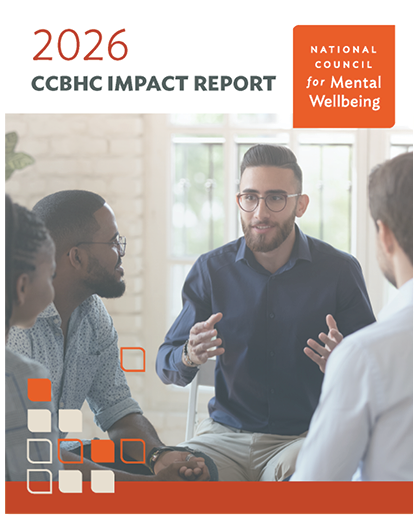
The 2026 CCBHC Impact Report, the National Council for Mental Wellbeing’s bi-annual benchmark on Certified Community Behavioral Health Clinics (CCBHCs), finds that an estimated 3.4 million people received care at the nation’s 539 CCBHCs in 2025 — up nearly 13% compared to January 2024 — dramatically expanding access to care and reaching people with unmet needs on a national scale. “CCBHCs are an innovative solution that help people with mental health and substance use challenges overcome barriers to care,” National Council President and CEO Chuck Ingoglia said. “We’re grateful for the ongoing bipartisan support from Congress as we help to make mental wellbeing — the foundation of living a strong, healthy and fulfilling life — a reality for everyone.” Click here to view the new edition of the CCBHC Impact Report, the only report to measure the work of all the nation’s 539 clinics. Read more here.
| |
UPCOMING EVENTS & TRAININGS
The “Fourth Trimester”: Postpartum Care in Rural New York and the Health of Birthing People
August 6, 2 - 3 pm, NYSARH
Peer Support and Recovery at the Intersection of Reentry
August 6, 2 - 3:30 pm, SAMHSA's GAINS Center
5th Annual School Mental Health Summer Academy
August 11 - 12, 9 am - 12:30 pm, SMHRTC
The Changing Gambling Landscape: Risks, Harms, and Opportunities for Prevention
August 11, 12 - 1:30 pm, NEATTC
Update from the Field: Medications for Opioid Use Disorder Implementation within the Arizona Department of Corrections, Rehabilitation, and Reentry and the Nevada Department of Corrections
August 11, 2 - 3:30 pm, SAMHSA's GAINS Center
Integrating Substance Use Prevention for Youth Into Physical Health Care Systems
August 11, 2 - 3:30 pm, NASADAD
Motivational Interviewing in Peer Support: Practical Skills for Meaningful Conversations
August 11, 3 - 4 pm, National Council for Mental Wellbeing
Supporting Crisis Stabilization for Youth and Young Adults During Reentry
August 12, 1 - 2:30 pm, CSG Justice Center
Clinical Strategies to Reduce HIV Acquisition and Promote Recovery among People with Stimulant Use Disorder
August 12, 1 - 2:30 pm, MPATTC
Anticipating Policy Change
August 13, 1 - 2 pm, Social Current
Centralizing Training for Scalable Compliance
August 13, 2 - 2:45 pm, National Council for Mental Wellbeing
From Paperwork Burden to Collaborative Care
August 14, 2 - 2:45 pm, National Council for Mental Wellbeing
Workforce Solutions Jams: HR1 & the Behavioral Health Workforce
August 18, 1 - 2 pm, National Council for Mental Wellbeing
Creating a Trauma-Informed, Recovery-Oriented System of Care Series
August 19, 12 - 1 pm, National Council for Mental Wellbeing
Doing More With Less: How Counties Can Successfully Address Behavioral Health Crisis Response Needs
August 20, 2 - 3 pm, NACo
Metabolic Psychiatry: A Nutrition Based Approach to Treating Mental Illness
August 20, 2 - 3:30 pm, SAMHSA
Leveraging the Certified Community Behavioral Health Clinics Model to Strengthen Reentry and Homelessness Response
August 20, 2:30 - 4 pm, SAMHSA's GAINS Center
Addressing Nicotine Use in Patients with Opioid Use Disorder (OUD)
August 20, 3 - 4 pm, PCSS-MOUD
Building Integrated Care Teams for Co Occurring Behavioral Health and Substance Use Conditions
August 25, 4 - 5:30 pm, MPATTC
Using PSYCKES for ACT Teams
August 26, 10 - 11:30 am, OMH
Bridging the Gap – Workforce Collaboration in CCBHCs
August 26, 2:30 - 3:30 pm, National Council for Mental Wellbeing
From Hire to Licensed: Accelerating Your Workforce Pipeline
August 27, 3 - 3:45 pm, National Council for Mental Wellbeing
Exploring the Intersection of Housing and Civil Commitment: Civil Commitment for Substance Use Disorders and Mental Illness
September 3, 1 - 2:30 pm, SAMHSA's GAINS Center
Elevating Peers and Community Health Workers within Integrated Care Teams
September 10, 1 - 2 pm, National Council for Mental Wellbeing
Using PSYCKES for FQHCs
September 15, 1 - 2 pm, OMH
Workforce Solutions Jams: HR1 & the Behavioral Health Workforce
September 15, 1 - 2 pm, National Council for Mental Wellbeing
Chasing Other Dragons – Atypical Intoxicants
September 16, 12 - 1:30 pm, NAADAC
Final Coaching Call: Integrated Systems Care for Opioid Use and Co-Occurring/Co-Morbid Disorders
September 21, 12 - 1 pm, National Council for Mental Wellbeing
Creating a Trauma-Informed, Recovery-Oriented System of Care Series
September 24, 3 - 4 pm, National Council for Mental Wellbeing
REGISTRATION OPEN - The 2026 New York State Suicide Prevention Conference
September 29 - 30, Ithaca, NY
Transforming Documentation: From Pitfalls to Best Practices
September 30, 12 - 1:30 pm, NAADAC
Cross-Agency Data-Sharing: What Corrections Can Learn from Montana
September 30, 3 - 4:30 pm, CSG Justice Center
| |
CLMHD CALENDAR
August
LGU Clinic Operators Call
August 11:10 - 11 am
Addiction Services & Recovery Committee Meeting
August 13: 11 am - 12 pm
Mental Health Committee Meeting
August 13: 3 - 4 pm
Children & Families Committee Meeting
August 18: 12 - 1:30 pm
Membership Call
August 19: 9 - 10:30 am
Developmental Disabilities Committee Meeting
August 20: 1 - 2 pm
CLMHD Offices Closed - Juneteenth
June 19
September
Executive Committee Meeting
September 2: 8 - 9 am
CLMHD Office Closed - Labor Day
September 7
LGU Clinic Operators Call
September 8:10 - 11 am
Addiction Services & Recovery Committee Meeting
September 10: 11 am - 12 pm
Mental Health Committee Meeting
September 10: 3 - 4 pm
Membership Call
September 16: 9 - 10:30 am
| |