 | |
Governor Hochul Signs Legislation and Launches New Awareness Campaign to Prevent Suicide and Promote Mental Health
Governor Kathy Hochul on Monday signed legislation and announced a new statewide, multimedia campaign to help prevent suicide and promote mental health. Legislation S1865B/A6563A — the Student Lifeline Act — requires colleges across New York State to print information about the State’s 988 Suicide and Crisis Lifeline on all student ID cards. In conjunction with Suicide Prevention Month in September, the Governor and the State’s Office of Mental Health launched a $5 million campaign to raise awareness of 988, which is free, confidential, impartial, and can be accessed any time of the day or night by phone, text, or chat. The Student Lifeline Act, sponsored by Senator Samra Brouk and Assembly Member Sarah Clark, requires all college student ID cards in New York to contain information about the 988 Lifeline by 2025. Under this law, colleges must also provide resources to students describing when to utilize the 988 number. Any colleges that do not issue ID cards will still be required to distribute the 988 information annually to students through other materials. Read more here.
Related: 988 Suicide & Crisis Lifeline Looks to Connect More People with Mental Health, Substance Use Support
|  | |
$68 Million Awarded for Suicide Prevention, Mental Health Care Programs in support of President Biden’s Unity Agenda for the Nation
The U.S. Department of Health and Human Services (HHS), through the Substance Abuse and Mental Health Services Administration (SAMHSA), recently awarded $68 million in grants for suicide prevention and mental health care programs. Addressing the U.S. mental health crisis and preventing suicide are top priorities of the Biden-Harris Administration and part of President Biden’s Unity Agenda. “Every September we recognize Suicide Prevention Month as a time to raise awareness—to remind those struggling that they are not alone and that there is hope. Many people who have experienced suicidal thoughts are alive today because they got help,” said HHS Secretary Xavier Becerra. Read more here.
Related: CDC: Suicide Risk Is Tied to Local Economic and Social Conditions
| 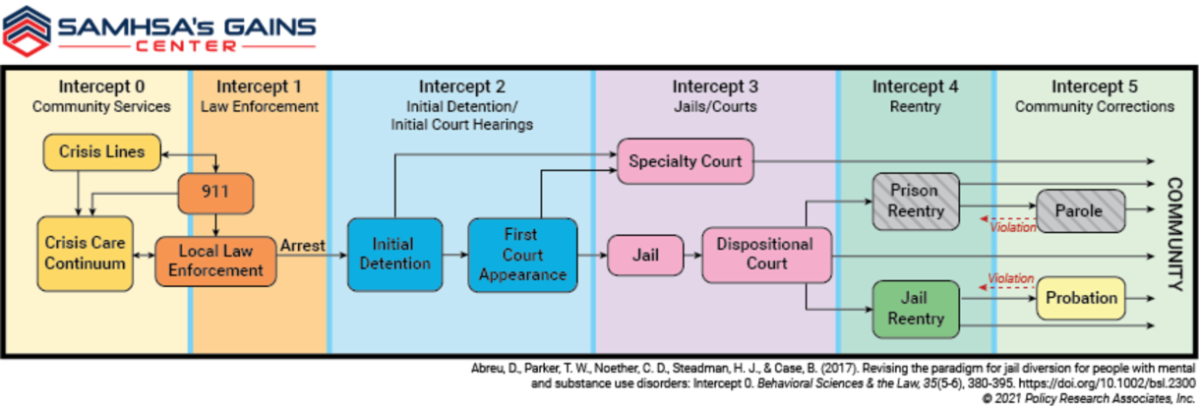 | |
Sequential Intercept Model Mapping Workshops: Two Options Available
SAMHSA’s GAINS Center is currently soliciting applications from communities interested in Sequential Intercept Model (SIM) Mapping Workshops. SIM Mapping Workshops are designed to bring together a local, cross-system, multidisciplinary group from a particular jurisdiction (typically a county) to facilitate collaboration and to identify and discuss ways in which barriers between the criminal justice and behavioral health systems can be reduced through the development of integrated local strategic action plans. SIM Mapping Workshop participants are expected to be drawn, in large part, from local criminal justice and behavioral health agencies and organizations. Read more here.
|  | |
Mental Health Jobs Will Grow 3 Times the Rate of All US Jobs Over the Next Decade
As the demand for mental health care grows across the United States, so will an expected demand for service providers. Employment growth in the mental health field — for psychiatrists, psychologists, therapists, counselors, psychiatric aides and social workers — is expected to be triple the projection for a typical US job, according to a CNN analysis of new data released by the US Bureau of Labor Statistics. A subset of mental health practitioners — specifically mental health counselors, which include substance abuse and behavioral disorder counselors — is projected to grow even more rapidly. Growth for these roles is set to increase by 19%, going from about 450,000 workers in 2023 to 534,000 by 2033, making it among the top 20 fastest-growing US occupations. These counselors work with people seeking help for problems such as anxiety, addictions and stress. Read more here.
| |
Biden Administration Finalizes Rule to Strengthen Mental Health Parity Law
The Biden Administration on Monday said it had finalized regulation to help ensure the 175 million Americans with private health insurance have access to affordable mental health services. The 2008 Mental Health Parity and Addiction Equity Act already requires insurers and corporate-backed health plans to provide access and payment structures for mental health care services on par with other medical services. In practice, that is often not the case, with less than half of U.S. adults with mental illness able to access care in 2020, while nearly 70 percent of children cannot receive treatment, according to studies cited by the administration. That is partly due to a lack of mental health providers being sufficiently covered by insurance plans, leading patients to pay high out-of-pocket costs or to give up on care. Read more here.
Related: New Mental Health and Substance Use Disorder Parity Rules: What They Mean for Providers
|  | |
OPWDD Issues Final Report on Managed Care Assessment
OPWDD has released the Final Report and Recommendations from its assessment of New York’s developmental disabilities service system, conducted by Guidehouse, Inc. The report explores the potential benefits of moving to a managed care model, aiming to improve access to person-centered services.
Guidehouse gathered input from stakeholders through town halls, surveys, and interviews, incorporating a broad range of perspectives. While no decision has been made, the full report and a plain language summary are available on OPWDD’s managed care webpage. Feedback can be sent to ARPA.Inquiry@opwdd.ny.gov.
|  | |
That Crisis of Mentally Ill People Languishing in Jail? It’s Even Worse Than We Thought
One way that people with mental illness get stuck in the criminal legal system is being jailed – for weeks, months and sometimes years – awaiting a hearing to determine whether they are mentally competent to stand trial for an alleged criminal act. Most often, those acts are misdemeanors like trespassing, vandalism, fraud or possession of a controlled substance – and they are often a result of the person’s illness. The core idea of competency evaluations and hearings is that it’s unfair to put a person on trial who isn’t able to meaningfully assist in their own defense. People found not competent are supposed to get treatment to address their mental illness and restore their competency. But the truth is that many of them are languishing in jail. Read more here.
| 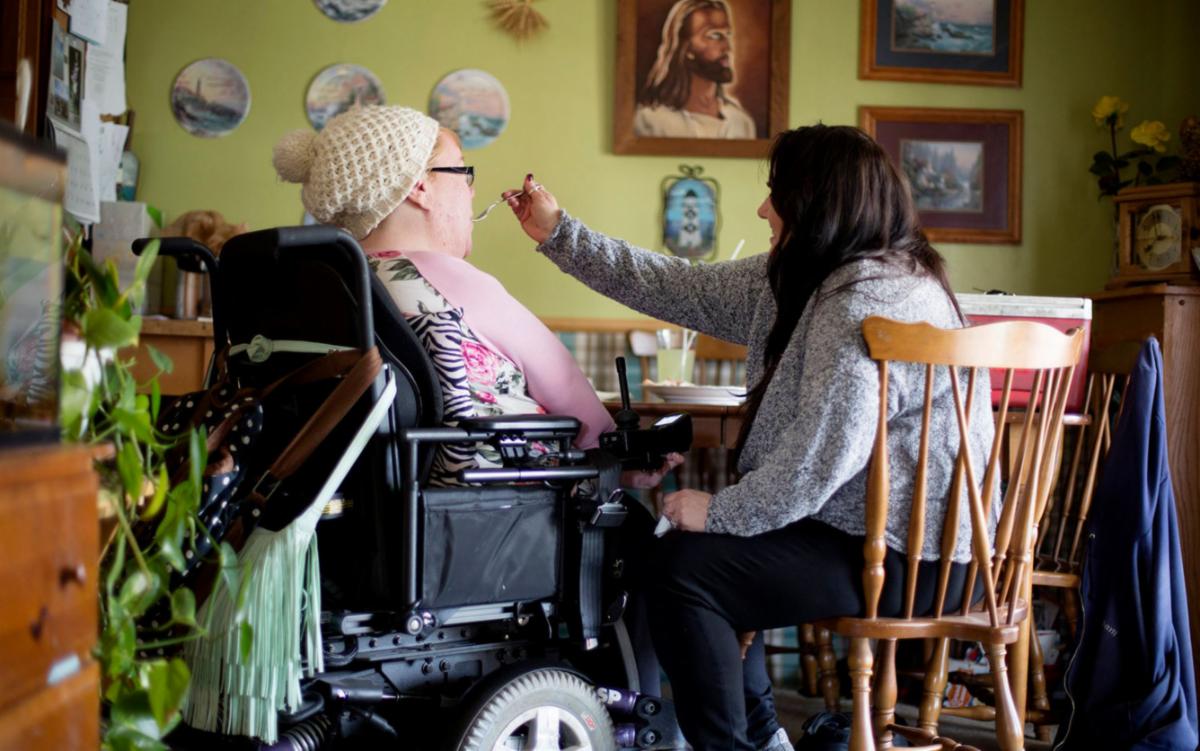 | |
Feds Urge Guardrails To Protect Access To Medicaid Community-Based Services
With new guidance, federal officials are outlining steps that states should take to ensure that people with disabilities are not inadvertently dropped from Medicaid home and community-based services. States are regularly required to evaluate the eligibility of Medicaid beneficiaries. For people with developmental disabilities, the outcome of this process can affect not only their medical coverage, but also their access to community living supports. Medicaid renewals were paused during the COVID-19 pandemic, but more than 25 million have lost coverage since the process was restarted last year, according to KFF. Read more here.
|  | |
The Dreaded IMD Exclusion Could Partially Fall for SUD If New Bill Is Passed
A new bill in Congress would chip away at the Medicaid institution for mental diseases (IMD) exclusion for those with substance use disorder (SUD). Since its inception in 1965, the federal government has refused to cover services provided in IMDs and has not allowed such services to be covered by Medicaid. In later years, Medicaid was allowed to cover some behavioral health services provided in small facilities, those with less than 16 beds, and narrowed the prohibition to apply only to those aged 18 to 64 years old. Advocates have long criticized the IMD exclusion, calling it “discriminatory." Read more here.
| 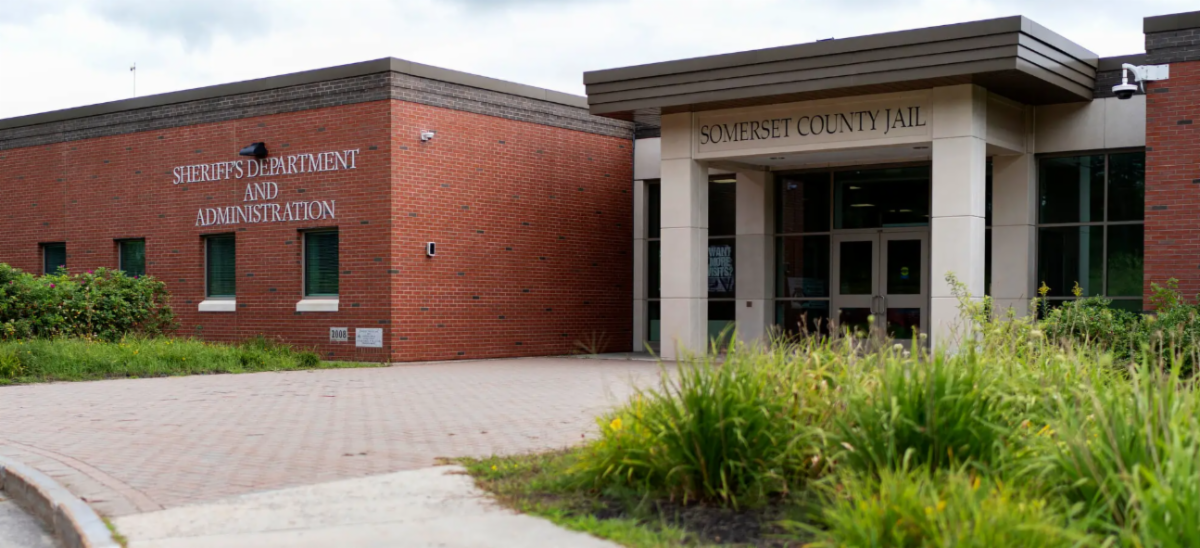 | |
How a Maine County Jail Helped Prisoners Blunt Opioid Cravings
At the Somerset County jail in rural Maine, prisoners addicted to opioids used to receive a daily pill to keep cravings in check. But as soon as they were released, their access to the medicine ended. As their cravings surged, they were re-entering society at high risk for withdrawal, relapse, and overdose — dangers that newly released prisoners confront nationwide. “A lot of these inmates are our neighbors and it’s in our best interest to assimilate them back into the community, but some would end up dying,” said the Somerset County sheriff, Dale P. Lancaster. “For me, that’s not acceptable.” Hoping to change those grim outcomes, Sheriff Lancaster decided to try providing a different — and far less common — form of the medication, buprenorphine: an extended-release shot that subdues urges for about 28 days. Read more here.
|  | |
College Students’ Mental Health Takes a Turn—For the Better
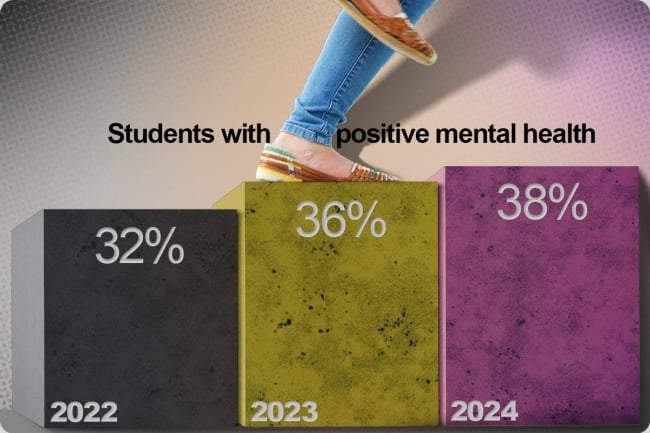
Student mental health—long a top concern of higher education leaders—now appears to be improving, according to the latest edition of the annual Healthy Minds study. It found that 38 percent of undergraduates surveyed in the 2023–24 academic year experienced moderate or severe depression symptoms—down from the peak of 44 percent two years prior. To be sure, the decrease is relatively slight, and the share of college students experiencing depression still hovers slightly above pre-pandemic rates: In fall 2019, 36% of students reported depressive symptoms. But it’s the second year that the number has dropped, signaling that the downward movement might be a trend rather than an anomaly. Read more here.
| |
 |  |  | |
UPCOMING EVENTS & TRAININGS
Everything You Want to Know About Suicide But Are Afraid to Ask
September 16, 2 - 3 pm, The JED Foundation
Workforce Solutions Jam | Transforming Organizational Culture: Elevating Quality of Life at Work
September 17, 1 - 2 pm, National Council for Mental Wellbeing
Suicide Attempts by Self-Poisoning: What is the Evaluation Process in the Hospital and What Happens at Discharge?
September 17, 11 am - 12 pm, OMH/SPCNY
Increasing Accessibility of Mental Health Services for Unhoused Populations in Rural and Urban Communities
September 18, 12 - 1 pm, National Council for Mental Wellbeing
Gen AI and Health IT: Debunking Myths and Embracing Innovation
September 18, 12 - 2 pm, NEJM Group
Rural Health Symposium - Binghamton, NY
September 19 - 20, NYS Association for Rural Health
Making Sense of Health Privacy Laws: HIPAA and FERPA for School-Based Health Professionals
September 19, 1 - 2:30 pm, MHTTC
Timely and Adaptive Strategies to Optimize Suicide Prevention Interventions
September 19, 1 - 3 pm, NIMH
How do we measure strong and equitable ecosystems of care?
September 19, 2 - 3 pm, Camden Coalition
Sequential Intercept Mapping Informational Webinar
September 23, 4 - 5 pm, SAMHSA's GAINS Center
Supportive Services in Housing and Child Welfare:
September 24, 12 - 1 pm, CSH
Ethical and Clinical Considerations When Delivering Person-Centered Opioid and Other Drug Treatment to Justice-Involved Individuals
September 24, 3 - 4:30 pm, NAADAC
Ask the Expert: Family-Centered Reentry Programming
September 25, 2 - 3:30 pm, CSG Justice Center
Answering the Call: Empowering Communities to Prevent Suicide Among Black Youth
September 25, 2 - 3:30 pm, SAMHSA
Integrating STI and HIV Prevention into the SBIRT Model
September 25, 3 - 4:30 pm, NAADAC
Providing Equitable Care for LGBTQ+ Youth in Rural Communities
September 26, 1 - 2 pm, National Council for Mental Wellbeing
Addressing the Equity and Fairness of Assessments: How the National Guidelines Can Transform Agencies’ Communication and Use of Post-Conviction Risk and Needs Assessments
September 26, 1 - 2:30 pm, SAMHSA's GAINS Center
Navigating the Behavioral Health AI Journey from Concept to Reality
September 26, 2 - 3 pm, National Council for Mental Wellbeing
State Funding for County Behavioral Health Crisis Services: Examples and Opportunities
September 26, 2 - 3 pm, NACo
Bridging the Licensure Gap: How Employers Can Support Clinician Success
September 27, 12 - 1 pm, National Council for Mental Wellbeing
Court Navigation Programs: Providing Connections and Support Across the Legal and BH Systems
September 27, 1 - 2:30 pm, SAMHSA's GAINS Center
Maternal Intensive Training: Screening, Diagnosis and Treatment of Perinatal Mood and Anxiety Disorders in Primary Care & Ob/Gyn Settings
September 30, 9 am - 5 pm, Syracuse, NY - IN PERSON
Expanding Access to Crisis Care by Breaking Down Social and Technology Barriers
October 1, 12 - 1 pm, Behavioral Health Business
Children’s HCBS Referral Process and Expectations
October 1, 1 - 2 pm, NYSDOH
AI to Support Our Workforce
October 1, 2 - 3 pm, National Council for Mental Wellbeing
Rural Telementoring UnConference 2024
October 16, 11 am - 3 pm, RTTC
Boosting Equitable Connected Healthcare Access & Adoption
October 16, 2 - 3 pm, TechTarget
Justice Center Code of Conduct Train-the-Trainer Session
October 16, 9:30 am - 12:30 pm, Justice Center for the Protection of People with Special Needs
New York State Trauma-Informed Network & Resource Center Conference
October 23 - 25, Saratoga Springs, NYSTINRC
Liability and Risk Considerations When Adopting AI Technology
October 25, 1 - 2 pm, National Council for Mental Wellbeing
Justice Center Code of Conduct Train-the-Trainer Session
November 13, 9:30 am - 12:30 pm, Justice Center for the Protection of People with Special Needs
| |
CLMHD CALENDAR
SEPTEMBER
Developmental Disabilities Committee Meeting
September 12: 1 - 2:30 pm
Mental Health Committee Meeting
September 12: 3 - 4 pm
Children & Families Committee Meeting
September 17: 11:30 am - 1 pm
Membership Call
September 18: 9 - 10:30 am
Mental Hygiene Planning Committee Meeting
September 19: 1 - 3 pm
SAVE THE DATE
CLMHD Executive Committee Meeting
October 2: 8 - 9 am
AOT Coordinators Call
October 4: 10 - 11:30 am
LGU Clinic Operators Call
October 8: 10 - 11:30 am
Addiction Services & Supports (ASR) Committee Meeting
October 10: 11 am - 12 pm
Developmental Disabilities Committee Meeting
October 10: 1 - 2:30 pm
Mental Health Committee Meeting
October 10: 3 - 4 pm
CLMHD Office Closed - Columbus Day
October 14
Children & Families Committee Meeting
October 15: 11:30 am - 1 pm
Membership Call
October 16: 9 - 10:30 am
Mental Hygiene Planning Committee Meeting
October 19: 1 - 2:30 pm
Fall 2024 Full Membership Meeting
October 23-25, Clayton, NY (Jefferson County)
| |