|
HHS Expands Access to Affordable Health Insurance
The U.S. Department of Health and Human Services (HHS) announced on September 4 it is implementing important measures to expand access to more affordable catastrophic health coverage through HHS’ new hardship exemption guidance. This guidance streamlines access to more affordable catastrophic coverage for consumers who are ineligible for advance payments of the premium tax credit (APTC) or cost-sharing reductions (CSRs). Through these efforts, more Americans will be able to qualify for catastrophic health coverage based on need, beginning November 1st with the start of open enrollment. Catastrophic plans generally have lower monthly premiums, are designed to protect consumers from very high medical costs in the event of serious illness or injury, and are required to cover three primary care visits pre-deductible. Read more here.
| |
CMS Launches Landmark $50 Billion Rural Health Transformation Program
On September 15, the Centers for Medicare & Medicaid Services (CMS) unveiled details on how states can apply to receive funding from the $50 billion Rural Health Transformation Program created under the Working Families Tax Cuts Act to strengthen health care across rural America. This unprecedented investment is designed to empower states to transform the existing rural health care infrastructure and build sustainable health care systems that expand access, enhance quality of care, and improve outcomes for patients. “Rural communities are the bedrock of America. They have waited too long for Washington to act. Now, at last, we are acting with the largest investment ever made to improve health care for rural Americans,” said U.S. Health and Human Services Secretary Robert F. Kennedy, Jr. The Rural Health Transformation Program invites all 50 states to apply for funding to address each state’s specific rural health challenges. The Program enables states to reimagine care delivery and develop innovative, enduring, state-driven solutions to tackle the root causes of poor health outcomes specific to rural America. Read more here.
| |
Recent Healthcare Developments That Impact New York’s Existing 1115 Medicaid Waiver
The Rockefeller Institute of Government is closely monitoring legislative and administrative actions at the federal level that could have implications for New York State’s healthcare system. Our previous analyses have, among other things, more extensively outlined changes and summarized potential impacts related to regulatory changes and the One Big Beautiful Bill Act’s (OBBBA’s) impact on healthcare in New York. This blog focuses on additional recent actions the federal government has taken that specifically impact New York State’s 1115 Medicaid waiver and suggests where there are opportunities to align New York’s waiver renewal with the federal government’s policy goals. Read more here.
Related: Sweeping Federal Changes Are Coming: Behavioral Health Providers Should Be Self-Reliant
| |
Attorney General James Releases Proposed Rules for SAFE for Kids Act to Restrict Addictive Social Media Features and Protect Children Online
New York Attorney General Letitia James on Monday released proposed rules on how social media companies should restrict addictive features on their platforms to protect children’s mental health, as required by the Stop Addictive Feeds Exploitation (SAFE) for Kids Act. The SAFE for Kids Act, championed by Attorney General James, sponsored by Senator Andrew Gounardes and Assemblymember Nily Rozic, and signed into law by Governor Kathy Hochul, requires social media companies to restrict algorithmically personalized feeds, or addictive feeds, and nighttime notifications for users under the age of 18 unless parental consent is granted. Addictive feeds and nighttime notifications are tied to depression, anxiety, eating and sleep disorders, and other mental health issues for children and teenagers. The proposed rules released today explain which companies must comply with the law and outline standards to determine users’ age and obtain parental consent. A public comment period on the proposed rules is open for 60 days. Read more here.
| |
ER-Based Buprenorphine Initiation Drove More Patients to Care
New research posits that emergency departments may provide a key setting to get people with opioid use disorders (OUDs) into treatment at scale, potentially driving up the dismally low number of people with such diagnoses accessing treatment. An examination of the CA Bridge program and other data from California reveals that the implementation of this state-backed, in-emergency-room program led to a median of 58 days of uninterrupted treatment. Additionally, the program offers a potential gateway to tens of thousands of patients across the state. “CA Bridge has helped transform emergency care throughout California to include low-barrier buprenorphine for OUD. The program has developed a successful model for scaling ED addiction care across diverse practice settings, with high adoption and service provision,” the study reads. Read more here.
| |
Telehealth Flexibilities: ‘The Can Keeps Getting Kicked Down the Road’
Telehealth flexibilities have evolved from a reactionary pandemic-era necessity into a mainstay tool across health care. Yet, the increased access and behavioral health outcomes, which are on par with in-person results, still haven’t been enough for Congress to make the flexibilities permanent. Telehealth extensions for Medicare patients are set to expire on Sept. 30. These flexibilities have allowed for mental health care to be delivered remotely via video or audio platforms with no geographic restrictions and without an in-person visit requirement. Legislation introduced as recently as Sept. 2 could extend the rules until 2027, or the federal government could grant another extension at the final hour. However, in the meantime, providers are left without a clear roadmap. Read more here.
| |
911 Dispatchers Work Long Hours With a Heavy Emotional Toll. How Broome County's Are Feeling.
Many of us don't think about the person on the other end of the phone when we are calling 911 in an emergency. Broome County Emergency Services
answers roughly 400,000 to 450,000 calls a year. For every four calls received, at least one is in need of assistance. 911 dispatchers are the first responders before on-site first responders, answering calls for people who are in distress and possibly experiencing the worst day of their life. Mental health has become a hot topic in the Broome County emergency services department as staff shortages are taking a toll on dispatchers who are already working 12-hour shifts. Read more here.
| |
Minecraft Opens Powerful New World for Child and Teen Therapy
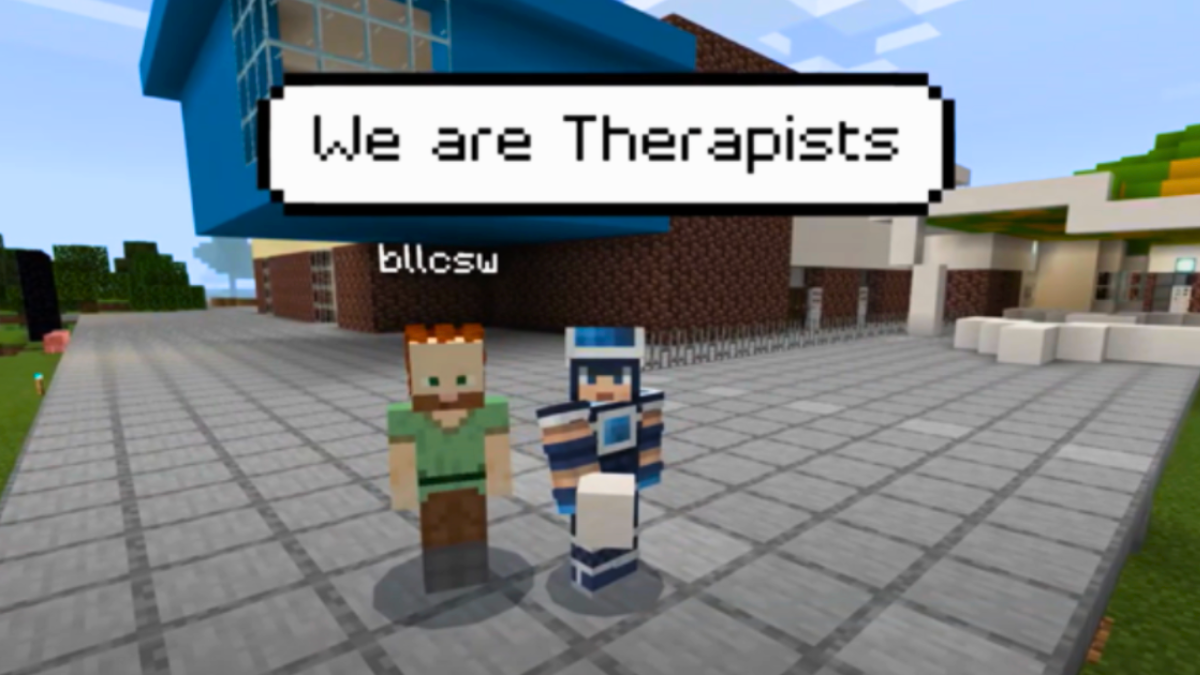
Family and child therapist Braulio Rivera has long worked with kids from ages six to eighteen struggling with everything from bullying to depression. Before the pandemic, he was able to create a strong bond with his young patients in play therapy – they’d sprawl on the floor playing with Lego blocks and figurines while telling him about what was going on in their lives. This kind of play therapy was rewarding and successful. But in March 2020, the Covid-19 pandemic lockdown was declared, and his in-person counseling work shut down overnight. “It was so jarring,“ recalls Rivera, a licensed professional counselor at WellPower, Colorado’s largest provider of community mental health services. He and other therapists at WellPower rushed to set up virtual sessions, but he worried that he and his young patients would be unable to truly connect on Zoom. Read more here.
| |
Cannabis Use Is Booming in Older Adults: Are We Ready?
Once relegated to young adults and college campuses, cannabis is now edging its way into retirement communities and geriatric clinics. This generation is increasingly lighting up—or dropping tinctures—for pain or anxiety relief, or a better night’s sleep. Cannabis use among adults 65 years and older has increased more than 10-fold over the past 2 decades, from just 0.4% in 2006 to 7% in 2023. Clinicians are now tasked with guiding cannabis use in older adults using evidence largely derived from younger populations, applied to products with inconsistent potency, and with minimal data specific to a vulnerable demographic. Research in this area has not kept pace with public enthusiasm, leaving psychiatrists with limited guidance on how to navigate cannabis use with their older patients. Metabolic shifts, polypharmacy, cognitive changes, and fall risk make cannabis use in this population even more complex. This article provides an overview for psychiatrists and mental health clinicians who are increasingly encountering patients older than 65 years using cannabis in ways that range from cautious to curious, and often without adequate clinical guidance. Read more here.
| |
Uptake of Over-the-Counter Naloxone Disappoints
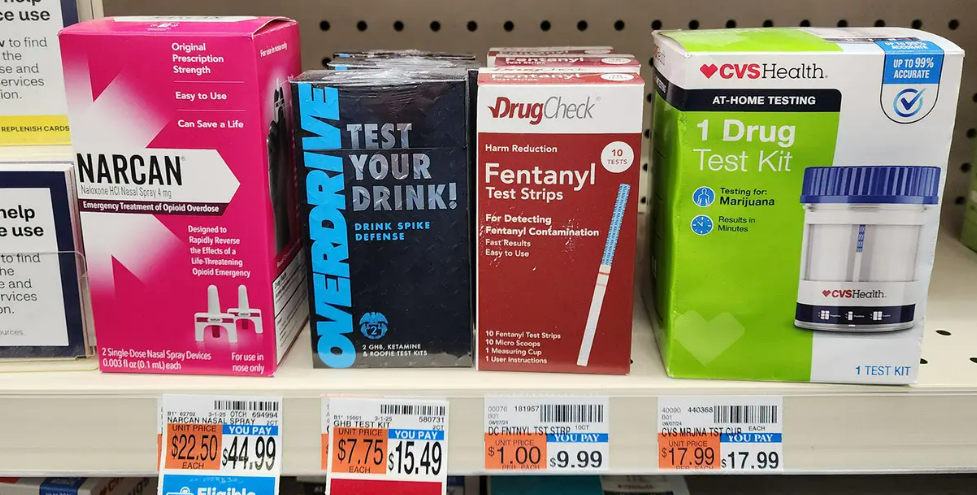
Sales of over-the-counter (OTC) naloxone (Narcan) peaked in the first month it was available before quickly decreasing, researchers reported. Biweekly OTC sales of the overdose reversal medication topped out at roughly 22.5 units per million from Sept. 16 to Oct. 21, 2023, when it first became available, and decreased to about 15 units per million in early December. Sales then remained between 11 and 15 units per million through September 2024, according to Bradley D. Stein, MD, PhD, of the RAND Corporation in Pittsburgh, and colleagues. States averaged 396 OTC units sold per million residents during the study period, compared with 7,063 pharmacy-dispensed units in 2023, and 12,015 state program-distributed units from August 2022 to August 2024, they noted in JAMA Internal Medicine. Across 136,239 OTC naloxone units sold, the unweighted average price was $43.74 in counties where at least 75 units were sold per million residents. Read more here.
| |
Anonymous Mental Health App Supports First Responders
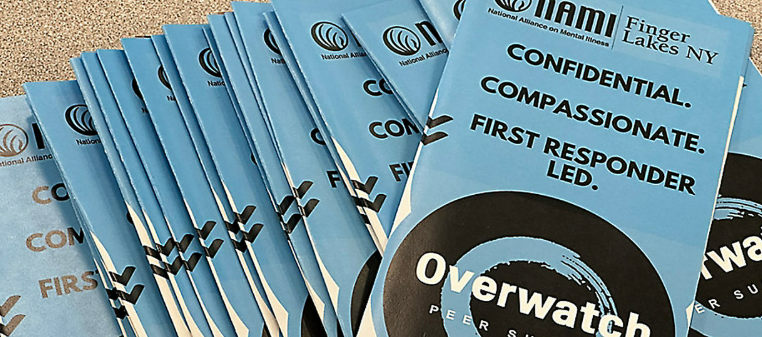
A new form of mental health support is available to New Yorkers. Overwatch Peer Support is an app meant for first responders to receive anonymous help. NAMI Finger Lakes held an event earlier this summer to train peer supporters to use the app. The term "first responder" can include a wide range of careers like dispatch, parole, emergency room, and more. First responders can request to speak with another first responder anonymously, so they can get support from someone in their field. And there’s no cost to users. The app is intended for people in Tompkins and Cortland counties, but NAMI Finger Lakes says no one that signs up will be turned away. “There's not like psychology or psychiatry degrees. We're not connecting on like a head knowledge level. We're connecting from lived experience,” said Sandra Sorensen, executive director of NAMI Finger Lakes. Read more here
| | |
UPCOMING EVENTS & TRAININGS
Supporting Older Adults with Behavioral Health Needs
September 18, 10 am - 12 pm, SPOP
Children and Family Treatment and Support Services (CFTSS) Webinar
September 18, 11 am - 12:30 pm, CTAC
Co-occurring Mental Health and Substance Use Disorders in Youth
September 18, 12 - 1 pm, NYSPHA
Braiding Funding Streams to Provide More Person-Centered Care for People with Complex Health and Social Needs
September 18, 1 - 2 pm, CHCS
The Essentials for Contracting: Models, Contract Negotiation, and Compliance for Peer Organizations
September 18, 2 - 3:30 pm, SAMHSA
Stories of Hope: A Value-Centered Approach to Storytelling Informational Webinar
September 18, 3 - 4 pm, National Council for Mental Wellbeing
Responding to Technology-Facilitated Harms Among Young People: What Are We Getting Wrong & What Do Young People Want?
September 23, 12 - 1 pm, NYS Youth Justice Institute
From Policy to Practice: Behavioral Health Therapists Using AI and Emerging Technologies
September 23, 1 - 2 pm, National Council for Mental Wellbeing
Conversation Series: Building System-Wide Support for the Collaborative Care Model
September 23, 1 - 2 pm, National Council for Mental Wellbeing
State Peer-to-Peer Learning Session: Model Definitions for Behavioral Health Emergency, Crisis, and Crisis Related Services Part 2
September 23, 3 - 4 pm, NASMHPD
Law Enforcement and Public Health Collaboration
September 24, 10 - 11:30 am, NCROTAC
Mental Health Awareness: Shedding Light on the Interplay between Suicide & Stigma (Part 2)
September 24, 12 - 1 pm, PsychU
Youth Protective Factors Study: Key Findings on Risk-Reduction Services
September 24, 12 - 1:15 pm, CSG Justice Center
Layers of Denial Prevention: Shift Your Focus from Working Denials to Preventing Them
September 24, 1 - 2 pm, Streamline Healthcare Solutions
Strategies to Build and Support the Health Care Workforce
September 24, 2 - 3 pm, NIHCM
Navigating Levels of Care
September 25, 11 am - 12 pm, The Baker Center for Children and Families
Innovative Prevention and Care for People Who Use Drugs (PWUD)
September 25, 12 - 1 pm, NCROTAC
988 in New York State
September 25, 12 - 1 pm, NYSPHA
Suicide Prevention Through Postvention: An Organizational Approach
September 25, 1 - 2 pm, National Council for Mental Wellbeing
Reimbursement Strategies for Medicaid Substance Use Disorder Services
September 25, 2 - 3:15 pm, NORC
Integrated Care Billing: Bi-Directional Care Coordination & Integration Strategies
September 29, 1:30 - 2:30 pm, National Council for Mental Wellbeing
Advancing Child & Youth Behavioral Health with Measurement-Based Care
September 30, 1 - 2 pm, greenspace
Soteria Houses: Safe, Humane, Life-Enhancing Treatment for Psychosis
September 30, 2 - 3:30 pm, National Empowerment Center
Understanding and Treating Personality Disorders Part 2: Treatment Challenges and Strategies with Personality Disorders
October 1, 12 - 1:30 pm, CTAC
Scenario Planning for Nonprofits: Building Resilience and Sustaining Impact
October 1, 1 - 2 pm, Social Current
Embracing Tech-Enabled Innovation in an Evolving Medicaid Environment
October 1, 2 - 3 pm, CHCS
Public Education Strategies to Tackle County Challenges: Mental Health, Workforce, and Gun Violence
October 2, 2 - 3 pm, NACo
Securing the Future: What Behavioral Health Providers Need to Know About AI and Data Security
October 7, 1 - 2 pm, National Council for Mental Wellbeing
The Next Phase of AI in Behavioral Health: Putting Clinical Judgment Back in Charge
October 7, 1 - 2 pm, Clinically AI
Innovative Medicaid Strategies to Enhance the Behavioral Health Care Workforce
October 7, 2 - 3:15 pm, CHCS
Sexual Misconduct: Where's the Line? Boundaries and Ethics in Addiction Counseling
October 8 - 9, 9 am - 4 pm, CCSI - IN-PERSON in Rochester, NY
Scaling Behavioral Health: Strategies for Sustainable Growth
October 15, 2 - 3 pm, Behavioral Health Business
Competitive, Compliant and Client-focused SUD Care
October 16, 2:30 - 3:30 pm, Elias
Putting Communities First: How Counties Leverage Tech to Improve Behavioral Health
October 21, 2 - 3 pm, NACo
AI in Action: Community Behavioral Health Providers Share Lessons Learned
October 23, 1 - 2 pm, National Council for Mental Wellbeing
| |
CLMHD CALENDAR
SEPTEMBER
IOCC Meeting
September 18: 1 - 3 pm
Developmental Disabilities Committee Meeting
September 25: 1 - 2 pm
OCTOBER
CLMHD Executive Committee Meeting
October 1: 8 - 9 am
Addiction Services & Supports (ASR) Committee Meeting
October 9: 11 am - 12 pm
Mental Health Committee Meeting
October 9: 3 - 4 pm
CLMHD Office Closed - Columbus Day
LGU Clinic Operators Call
October 14: 10 - 11:00 am
Membership Call
October 15: 9 - 10:30 am
Developmental Disabilities Committee Meeting
October 16: 1 - 2 pm
Children & Families Committee Meeting
October 21, 11:30 am - 1 pm
CLMHD Fall 2025 Full Membership Meeting
October 22 - 24, Penn Yan, NY (Yates County)
| |