|
Banning Phones in Schools Is Drastically Changing the Behavior of Kids
Over the past few years, a huge number of schools in the United States and around the world have banned cell phone use among their students. It’s a divisive topic, and the effects are only starting to come into focus. Just look at New York State, where Governor Kathy Hocul and lawmakers put a ban into the state budget last spring in an effort to give kids a break from distractions at school. Gothamist spoke to students about their experience with the ban, and the number one takeaway didn’t have to do with anything to do with hot-button topics like social media addiction or cyberbullying. Instead, it was that kiboshing phones is forcing kids to actually talk to each other in meatspace again — and it’s making schools way noisier, for better or worse. “Sometimes I would take naps in the lunchroom, but now I can’t because of the noise,” 15-year old Queens high school student Jimena Garcia told the site. “But it’s fun.” Read more here.
Related: Denmark's government aims to ban access to social media for children aged under 15
| |
Governor Hochul Pens Letter to AI Companion Companies Notifying Them That Safeguard Requirements Are Now in Effect
Governor Kathy Hochul on Monday announced nation-leading safeguards for AI companions operating in New York are now in effect. The law, championed as part of the Governor’s Executive Budget earlier this year, requires AI Companion operators to implement safety features and provide notifications to interrupt users who are engaging for sustained periods with these systems. AI Companions are now required to detect and implement a safety protocol if a user expresses suicidal ideation or self harm, including referring them to a crisis center. The law also requires Companion operators to notify and remind users that they are not interacting with a human every three hours of continued use. The AI companion law builds on the Governor’s commitment to protecting New Yorkers from digital harm and expanding AI for public good. Read more here.
Related: Lawsuits Blame ChatGPT for Suicides and Harmful Delusions
Suicide Prevention in the Age of Social Media and AI
Are A.I. Therapy Chatbots Safe to Use?
| |
Governor Hochul Signs Legislation to Combat Bullying in Schools Across the State
Governor Hochul last week announced the signing of the Jack Reid Law: Protect All Students Act, in recognition of the International Day Against Violence and Bullying at School. This bill aims to protect students attending private schools from bullying, discrimination or harassment when at school, online or at a school event. It also requires private schools to strengthen or develop clear anti-bullying policies and reporting procedures. The Jack Reid Law honors the memory of Jack Reid, a 17-year-old student who tragically died by suicide in 2022 after experiencing bullying for a year at the boarding school he attended. With this law, all schools in New York State, now including nonpublic schools, are required to have strong policies and procedures in place that teachers and school staff are trained to properly implement when bullying is reported. The law requires schools to implement a commonsense approach to address bullying among students. Read more here.
| |
Genesee County DCS Lynda Battaglia Honored with NYSARH Senator McGee Award
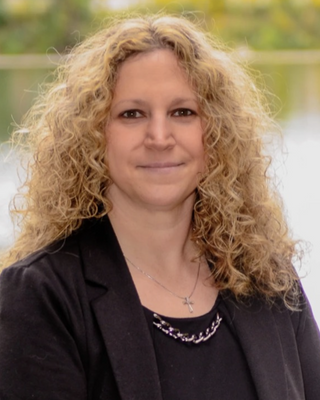
Lynda Battaglia, LCSW, DCS for Genesee County, has been selected to receive the Senator McGee Award from the New York State Association for Rural Health (NYSARH). The award honors individuals who make outstanding and lasting contributions to rural health, and will be presented at NYSARH’s 2025 Awards Ceremony on November 20, which celebrates leaders, organizations, and programs driving innovative and meaningful rural health impact. Lynda’s leadership has strengthened care across the Genesee, Livingston, Orleans, and Wyoming (GLOW) region, from expanding supports for rural LGBTQIA2S+ youth to coordinating mental health disaster response during major regional emergencies. Congratulations to Lynda on this well-deserved recognition!
| |
Counties Pivot as Federal Substance Use Funding Shifts
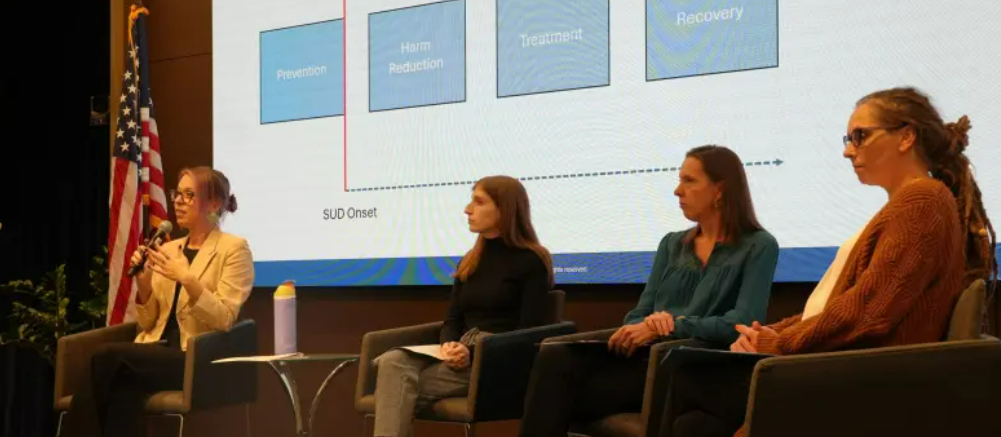
Federal changes to substance use disorder (SUD) funding and policy will have significant implications for how counties deliver prevention, treatment and recovery services, Blaire Bryant, NACo legislative director for health policy, told members of the NACo Opioid Solutions Leadership Network Nov. 6 in Washington, D.C. Forthcoming federal funding reforms are expected to place additional pressure on resources counties rely on for SUD services. These include H.R. 1 reductions to Medicaid — the nation’s largest payer for behavioral health services — and recissions of certain discretionary funds that have supported SUD programs. A recent White House Executive Order on homelessness and behavioral health has prompted new restrictions on the use of future Substance Use Prevention, Treatment and Recovery Services Block Grants funds for harm reduction initiatives. Opioid settlement dollars are the only direct source of funding that counties receive for substance use disorder programs, totaling about $55 billion distributed across states, localities and tribal nations over 18 years. Read more here.
| |
Seasonal Affective Disorder Can Be Really Rough in NYC: How to Handle the 'Winter Blues'
It’s getting colder. The trees are losing their leaves. The sun is setting before 5 p.m. Winter is coming. And for some New Yorkers, that means their SAD — seasonal affective disorder — is too. It’s a type of depression marked by significant mood changes tied to seasons, particularly the colder months of the year. SAD symptoms can include persistent sad, anxious or “empty” moods for most of the day, feelings of hopelessness, and a loss of interest or pleasure in hobbies and activities, according to the National Institute of Mental Health. It can also come with decreased energy, difficulty concentrating and changes in sleep or appetite, including oversleeping. Serious symptoms include thoughts of death or suicide and even suicide attempts. Mental health experts say even people who aren’t suffering from clinical depression can experience dips in energy levels and mood changes because of diminished daylight, colder weather that makes it difficult to spend time outside and socialize. Read more here.
| |
NYSAC News Highlights County Leadership in Disaster Mental Health and Psychological First Aid
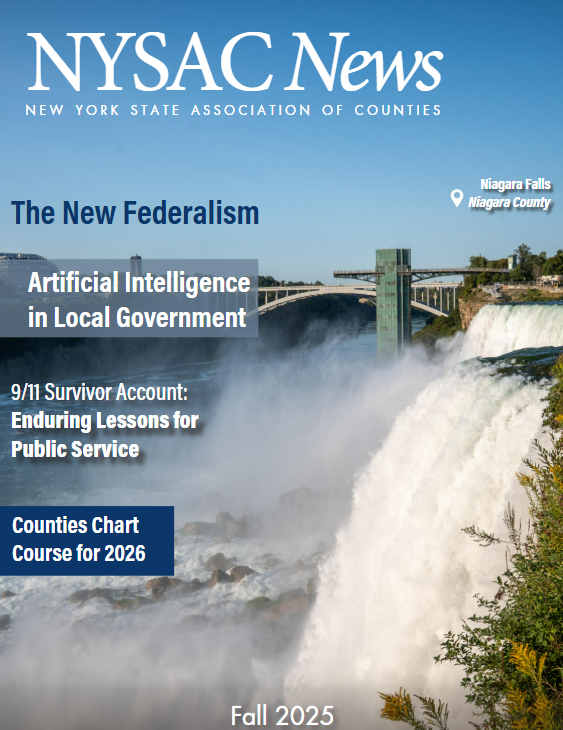
The Fall 2025 issue of NYSAC News features an article highlighting how county-level disaster mental health and Psychological First Aid are strengthening community resilience across New York State. Written by Niagara County DCS Laura Kelemen, the piece shows how Directors of Community Services (DCSs) coordinate local partners, support first responders, and deliver critical emotional care during crises. Read the article here.
| |
Models May Spot Risk for Death, Overdose Before Discharges Against Medical Advice
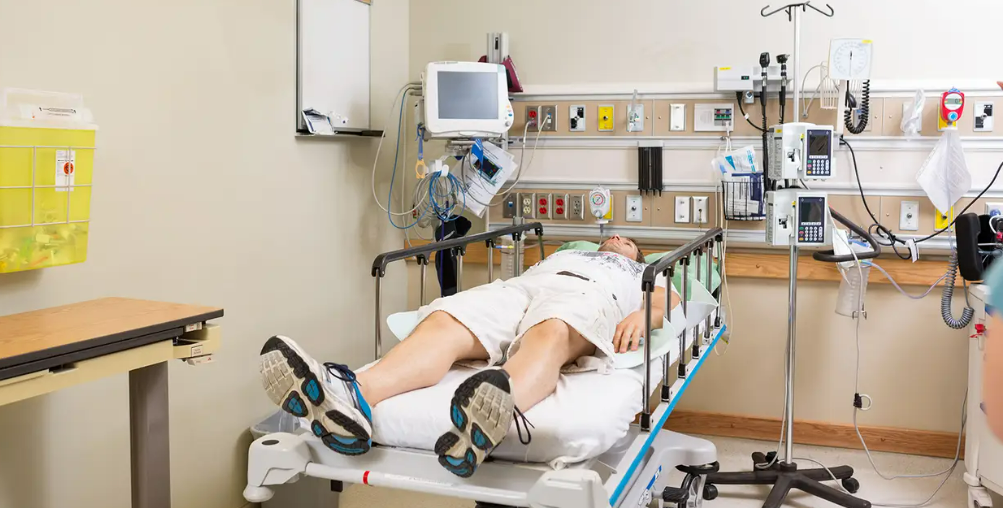
Risk prediction models may help clinicians identify patients at risk of death or overdose after discharge against medical advice, a retrospective population-based cohort study suggested. Among 6,440 hospital admissions included in the model estimating risk of death, 1.6% were associated with the death of a patient within 30 days of discharge against medical advice, reported Hiten Naik, MD, of the University of British Columbia in Vancouver, Canada, and colleagues. In 4,466 hospital admissions included in the model estimating illicit drug overdose, 5.2% were associated with overdose within 30 days of discharge against medical advice, they wrote in the Canadian Medical Association Journal. Both models demonstrated good discrimination and excellent calibration, but they have not yet been externally validated. Read more here.
| |
An Option for the State to Maximize Federal Funding for Safety Net Hospitals with Inpatient Psychiatric Units
The Rockefeller Institute of Government has recently
detailed a number of significant legislative and administrative changes affecting the state’s healthcare economy. Many of these changes reduce the availability of federal funding for New York, New Yorkers, and providers. The loss of federal funding more broadly is relevant to health-related providers, including those serving persons with mental health issues, substance-use disorder, or physical disabilities. This is also particularly relevant for inpatient hospitals with inpatient psychiatric units. This article focuses on key considerations in the mental health sector related to inpatient psychiatric care and explores how the state could mitigate some of the previously described negative potential impacts of the One Big Beautiful Bill Act (OBBBA) and related actions with respect to the broader health economy, while making improvements in the mental healthcare continuum. Read more here.
| |
Suicide Prevention Program Decreases Risks, Saves Lives Among People Recently Released From Jail
A federally funded clinical trial to evaluate an intervention to prevent suicides among people recently released from jail reduced suicide attempts by 55%. That’s according to a new study in JAMA Network Open led by researchers from Brown University and Michigan State University. In the United States, one in five adults who attempts suicide has spent at least one night in jail in the year prior. With more than 10 million admissions per year and many stays of just a few days, jails touch a significant number of people at high risk for suicide who are not well connected with other support services. This led psychologists to ask: What if trained professionals intervened while people were detained in jail to decrease suicide risk once they got out? With funding from federal grants, the research team tested a safety planning intervention that involved an in-jail program and telephone check-ins over the course of six months. The trial was called Suicide Prevention for at-Risk Individuals in Transition and the results show that it reduced suicide attempts by more than half. Read more here.
| | |
BROOME: Senator Lea Webb Delivers $50,000 to Broome County to Support the Southern Tier Veterans Support Group
CORTLAND: Renzi Estate endowed fund at CNYCF establishes community grant program in Cortland County
ERIE: Breaking Barriers: Gary Schaffer’s Vision for Schools That Serve Every Child
GENESEE: Sheriff's office urges public to report potential violence threats
LEWIS: Lewis County Community Services Awards $54,636 in Opioid Settlement Funds to Local Organizations
LONG ISLAND: Outreach to Open Downstate New York’s First Dedicated Residential Treatment Program for Young Adults Ages 18–25
MONROE: Most CPS Probes End Unfounded and Undermine Ability to Help
MONROE: New addiction support program launches in Rochester to offer comprehensive care
NASSAU: Center for Developmental Disabilities opens renovated group homes in Woodbury
NYC: Governor Hochul Announces Expansion of Grow Therapy's Mental Health Platform in New York City, Creating Nearly 200 New Jobs
NYC: Governor Hochul Announces Start of Construction on $32.5 Million Supportive Housing Project in Queens
NYC: Improving on Excellence: Expanding Existing Overdose Prevention Approaches in New York City
NYC: NYC veteran finds healing and new mission after seeking mental health help
NYC: Debt relief meets data: How NYC Health + Hospitals is training and retaining its workforce
NYC: Veteran Students Build Community, Advocacy, and a Path Toward Service in Clinical Rehabilitation Counseling
ONONDAGA: Stakeholders dig in to guided training for assessing school threats
RENSSELAER: Troy City Court launches alternative, mental health court
ROCKLAND/WESTCHSTER: Mary Foster, Board President Of Greater Mental Health, Recognized as MHANYS’ Joe Lemmond Volunteer Of The Year
SUFFOLK: New clinic expands mental health, addiction treatment services
SUFFOLK: WellLife launches PlayWell fund for youth in Suffolk County
SULLIVAN: Eldred, Fallsburg schools launch Hope Squads
TOMPKINS: Tompkins County Whole Health adds more mental health space at Brown Rd. location
| |
UPCOMING EVENTS & TRAININGS
Beyond the Call: Building Community Informed Follow-Up Models
November 13, 1 - 2 pm, SAMHSA
Understanding Maternal Mental Health and Stigma
November 13, 1 - 3:30 pm, OMH/BHN
Creating Brain-Friendly Environments: The Key to a Strong Workforce
November 13, 2 - 3:15 pm, Social Current
Transforming Suicide Prevention: A Data-Driven Framework
November 13, 2 - 3:30 pm, National Council for Mental Wellbeing
Mental Health Treatment and the Court System
November 13, 3 - 4:30 pm, NAMI
Medicaid & Other Federal Policy Impacts: How to Make a Difference
November 14, 12 - 1:30 pm, NAADAC
NAMI NYS 2025 Education Conference
November 14 - 16, NAMI NYS, IN-PERSON
2025 Health Equity Summit: Addressing Mental Health Inequities in Rural Communities
November 17-18, OMH - Albany, NY
The Future in Focus: The Need for a Comprehensive Approach to Youth Mental Health
November 18, 9 am - 12 pm, City & State - Albany, NY
Opioid Use Disorder (OUD): The Era of High Potency Synthetic Opioids and Deadly Adulterants
November 18, 12 - 1 pm, NYSPHA
Workforce Solutions Jam: Resilience in Action Session 2
November 18, 1 - 2 pm, National Council for Mental Wellbeing
Bringing Gambling Disorder Into Behavioral Health Treatment-An Integration Story
November 18, 1 - 2 pm, NCPG
Where Is All This AI Going for Behavioral Health Providers? A Look Into the (Not-so-distant) Future
November 18, 2 - 3 pm, National Council for Mental Wellbeing
An Executive Perspective: How AI Is Shaping The Future Of Integrated Care
November 18, 3 - 4 pm, OPEN MINDS/Core Solutions
Educator Cafe: Supporting Transgender Students: Best Practices Grounded in Youth Experiences
November 18, 3:30 - 4:30 pm, School Mental Health Resource Training Center
The 7Cs Framework for Substance Misuse Prevention
November 19, 12 - 1 pm, NAADAC
NYS Rural Health Awards Ceremony
November 20, 10 - 11 am, NYSARH
Workforce Development Series Part 2
November 20, 1 - 2 pm, MTM Services
Becoming a MHFA Instructor
November 20, 2 - 3 pm, National Council for Mental Wellbeing
Innovative Practices to Address Youth Homelessness
November 20, 2 - 3 pm,
Empowering Addiction Service Providers: Best Practices for HIV, HCV, and HBV Screening, Prevention, and Linkage to Care
November 20, 12 - 1:30 pm, NAADAC
Maternal Mental Health Support Programs and Solutions to Overcome Stigma
November 20, 1 - 3:30 pm, OMH/BHN
Recognizing and Overcoming Barriers to Mental Health in Rural America
November 20, 4 - 5:30 pm, NAMI
De-escalation, Basic Tools for Social Workers
November 21, 10 - 11 am, NCATTC
Crisis Intervention Team Program Development Application - Informational Webinar
November 25, 2 - 3 pm, Institute for Police, Mental Health & Community Collaboration
From Awareness to Action: Igniting Ideas for Addressing Social Isolation and Loneliness in Clinical Practice - Screening Tools & Assessment
December 3, 12 - 1 pm, CCSMH
The Peer Model: the Ethics in Efficacy
December 3, 12 - 1:30 pm, NAADAC
Telehealth Regulatory Guidance for OMH Providers
December 4, 12 - 1 pm, MCTAC
Workforce Development Series Part 3
December 4, 1 - 2 pm, MTM Services
Gambling & Youth-Talking About Risks and Healthy Choices
December 9, 1 - 2 pm, NCPG
Strategies for Rural Providers in a Post-OBBBA Landscape
December 9, 3 - 4 pm, NHRA Services Corporation
2025 On the Shoulders of Giants Scientific Symposium: “Saving Young Lives, Reaching Every Community“
December 9, 5 - 7:30 pm, Child Mind Institute
Bipolar Disorder Care on the Frontlines: Bridging Gaps and Optimizing Outcomes
December 12, 2 - 3 pm, Prime
Information Session: Introducing NABITA Credentialing to Elevate Standards for Behavioral Intervention Professionals
December 12, 3 - 4 pm, NABITA
Eliminating Operational and Clinical Burnout in IOP/PHP Settings
December 16, 2 - 3 pm, Behavioral Health Business
Investigation Topics Series: Trauma Informed Approach
December 18, 11 am - 12 pm, NYS Justice Center
Workforce Development Series 4
December 18, 1 - 2 pm, MTM Services
From Awareness to Action: Igniting Ideas for Addressing Social Isolation and Loneliness in Clinical Practice
January 14, 2026, 12 - 1 pm, CCSMH
| |
CLMHD CALENDAR
NOVEMBER
Children & Families Committee Meeting
November 18: 11:30 am - 1 pm
Membership Call
November 19: 9 - 10:30 am
Developmental Disabilities Committee Meeting
November 20: 1 - 2 pm
CLMHD Office Closed - Thanksgiving
November 27 - 28
DECEMBER
CLMHD Executive Committee Meeting
December 3: 8 - 9 am
LGU Clinic Operators Call
December 9: 10 - 11 am
Addiction Services & Supports (ASR) Committee Meeting
December 11: 11 am - 12 pm
Mental Health Committee Meeting
December 11: 3 - 4 pm
Membership Call
December 17: 9 - 10:30 am
Mental Hygiene Planning Committee Meeting
December 18: 1 - 2 pm
CLMHD Office Closed - Christmas
December 25
| |