|
Rethinking Celeb Substance Misuse: Introducing ‘The Missing Issue’ from the harris project and Us
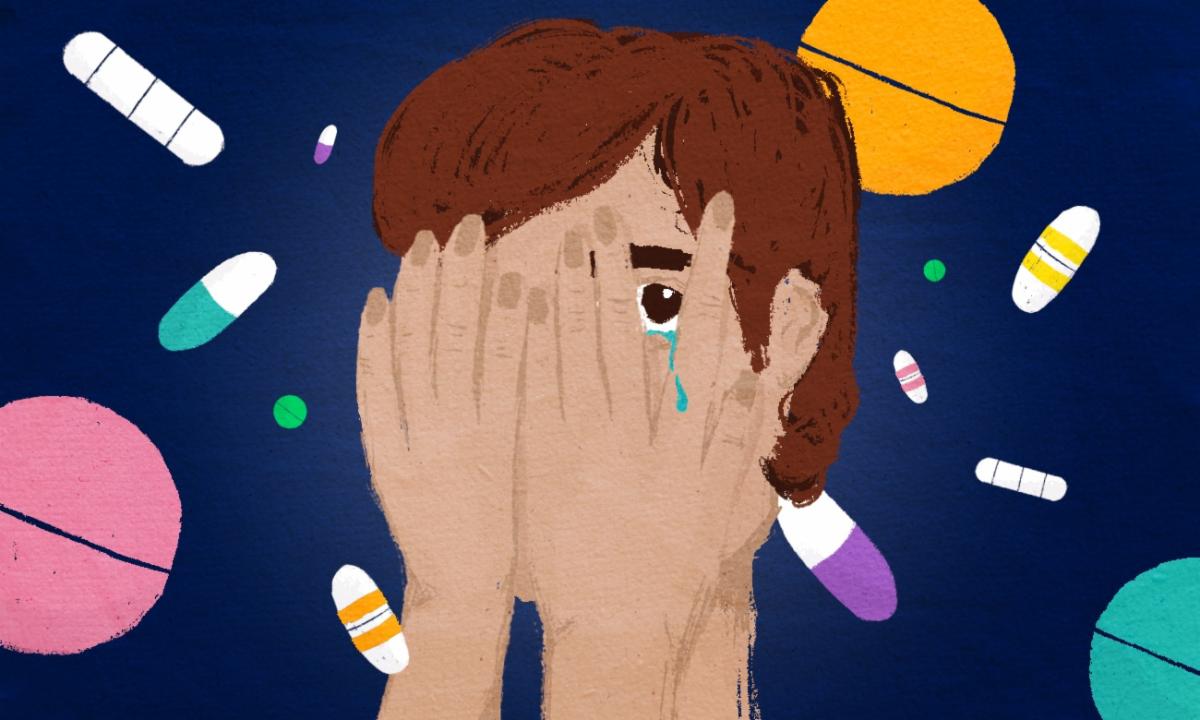
For decades, Us Weekly has offered a glimpse into the relatable lives of celebrities — from what they’re really like off camera to their everyday moments of parenting — proving that underneath it all, they truly are “Just Like Us.” These celebrities have also shared their emotional, heartfelt, and very real journeys through pain, struggle, and loss. Through the years, stars have come to Us Weekly to talk about their battles with alcohol and drug misuse and detailed their private suffering to help others through their own experiences.
But some stories deserve a second look. Right now, approximately 48.5 million Americans are grappling with substance misuse, according to SAMHSA. What many don’t realize is that approximately 50% of those people are using these substances to cope with mental health issues like anxiety, depression, ADHD, and PTSD — known as co-occurring disorders — which often goes untreated. Us Weekly has just introduced The Missing Issue, a special edition of Us Weekly focused on telling the rest of the story for many celebrities known to struggle with substance misuse. In partnership with the harris project — the only nonprofit dedicated to co-occurring disorders awareness, prevention, and treatment, founded by Stephanie Marquesano after losing her son, Harris, to a fatal overdose — this issue features powerful stories from celebrities and insights from experts. Read more here.
| |
U.S. Pulls Back $12 Billion in Funding to State Health Departments
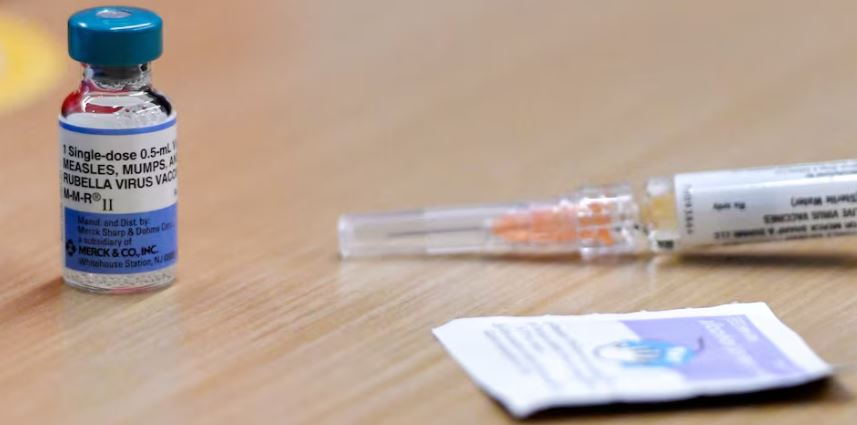
The U.S. Department of Health and Human Services canceled around $12 billion in federal grants to states that were allocated during the COVID-19 pandemic, the federal department and state officials said on Wednesday. The grants were being used to track, prevent and control infectious diseases, including measles and bird flu, as well as track mental health services and fund addiction treatment, said lawmakers and state governors, who sharply criticized the move. Public health officials in Lubbock, Texas, received orders to stop work supported by three grants that helped fund the response to the widening measles outbreak there, said a spokesperson for city public health director Katherine Wells. The funds were largely used for COVID-19 testing, vaccination, and other responses to the pandemic, HHS said. Termination notices began on Monday, it said in a statement. Read more here.
Related: Statement From Governor Kathy Hochul on Sweeping Federal Cuts to Public Health, Mental Health, and Addiction Services
| |
Blue Envelope Program Helping Neurodivergent Drivers in N.Y.
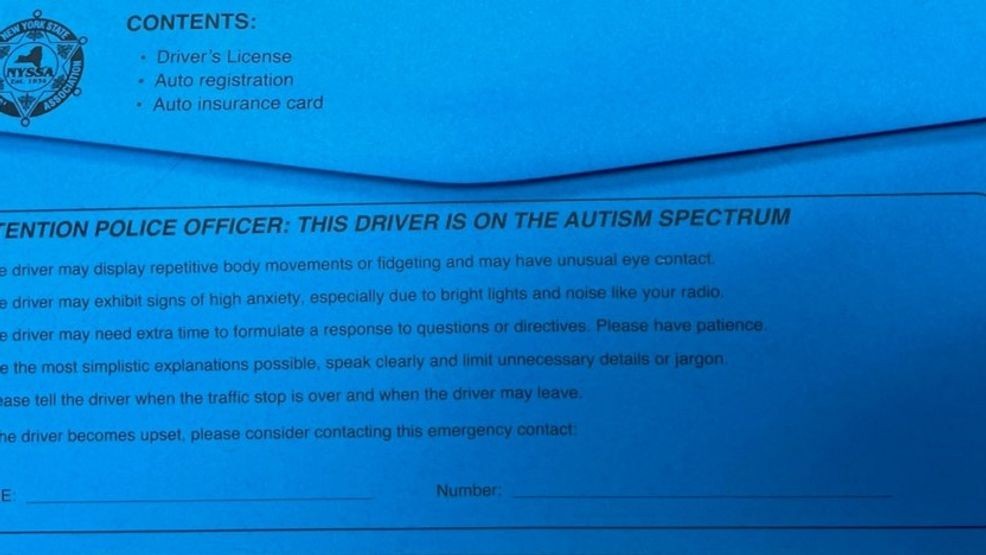
When motorists are driving and see police lights in the rearview mirror, it can be nerve-wracking, especially for neurodivergent drivers. And if police don't know, it can lead to misunderstandings and escalate the situation. That's why the New York State Sheriff's Association started the Blue Envelope Program. "A lot of people don't realize how difficult it is to be neurodivergent in a world that's built for neurotypical people," said Morgan Starke, who is diagnosed with obsessive compulsive disorder. Starke knows firsthand how important representation is. “I was diagnosed with OCD at, I would say, in eighth grade," she said. That’s why she works at Bring on the Spectrum, a sensory-friendly gym for kids who are neurodiverse. Read more here.
| |
To Prevent Drug Overdose Deaths, Install Anti-Motion Sensors In Public Restrooms
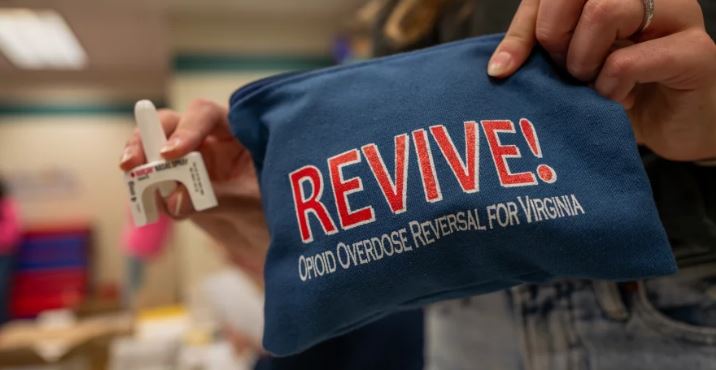
The US has experienced more than one million deaths from 1999 to 2021 due to the drug overdose crisis, leaving a devastating and lasting impact on communities nationwide. While an overdose can occur anywhere, public restrooms are high-risk, yet often overlooked, locations. The data surrounding overdose rates in bathrooms in the United States are limited, but a Canadian study found that more than 50 overdoses occur in restrooms every month in British Columbia. It is plausible that similar, if not higher, rates exist in the US, where public restrooms are increasingly becoming recognized as common overdose sites, especially in major cities such as Chicago, IL; Boston, MA; and New York City, NY. Public restrooms are often used as drug consumption sites because of the privacy they offer. However, it is this inherent privacy, especially with single-user restrooms, inviting solitary consumption. And that is also what makes it so dangerous: With no one nearby to call for emergency assistance or administer naloxone, individuals are at a higher risk for death should an overdose occur. In fact, a study of opioid overdose deaths across 11 US states found that more than 56% of overdose deaths occurred when the person using drugs was alone. Read more here.
| |
Reporter's Notebook: 8 Theories Why Fentanyl Deaths Are Plummeting
Over the past six months, I've been tracking something really cool and mysterious happening on American streets. For the first time in 30 years, drug deaths are plunging at a rate that addiction experts say is hopeful — but also baffling. In the past, even the most ambitious, well-funded efforts to slow drug deaths only helped a little bit. Reducing fatal overdoses by 8% or 9% was seen as a huge win. But now, deaths nationwide plunged more than 26% from the peak in June 2023, according to the latest preliminary data gathered by the Centers for Disease Control and Prevention. That means roughly 30,000 fewer people a year are dying. Many states are seeing even bigger improvements of 30% to 50%. In some states, progress has been sustained since 2021 and 2022, which suggests this isn't a temporary blip. Read more here.
| |
Meaningfully Engaging People with Lived Experience in Behavioral Health Reform: A Guide for States
Substantial unmet care needs, high suicide and overdose rates, and disparities among historically marginalized communities have led state policymakers across the U.S. to prioritize improved access to high quality behavioral health services.1 In response, some states are developing multi-year plans for comprehensive behavioral health reform. In doing so, states are increasingly recognizing the value of engaging people with lived experience in policy and program design. However, as these engagement efforts are relatively new, many states need guidance on effective approaches. Engaging people with lived experience of behavioral health needs requires thoughtful and sensitive consideration, given the stigma, mistrust, and discrimination that this population often encounters. This guide provides state policymakers with practical steps to meaningfully engage people with lived experience of behavioral health needs to advance behavioral health reforms.
| |
Behavioral Health Executives Sound Alarm on Reimbursement Woes, Share Slow Progress with Value-Based Care
The financial and operational pressures facing behavioral health providers are intensifying, with the list of headwinds including rising business costs, regulatory changes and more. Above all, reimbursement- and payment-related challenges are emerging as the dominant concern among industry executives, according to a recent survey from Behavioral Health Business. To better understand the trends, challenges and opportunities shaping the industry in 2025, BHB collected responses from 108 professionals employed by organizations that provide behavioral health services. More than three-quarters of those respondents held executive, vice president or director-level roles, offering a leadership perspective on the industry’s most pressing issues. Read more here.
| |
A Look Inside Creedmoor, As the State Seeks to Expand Involuntary Commitments
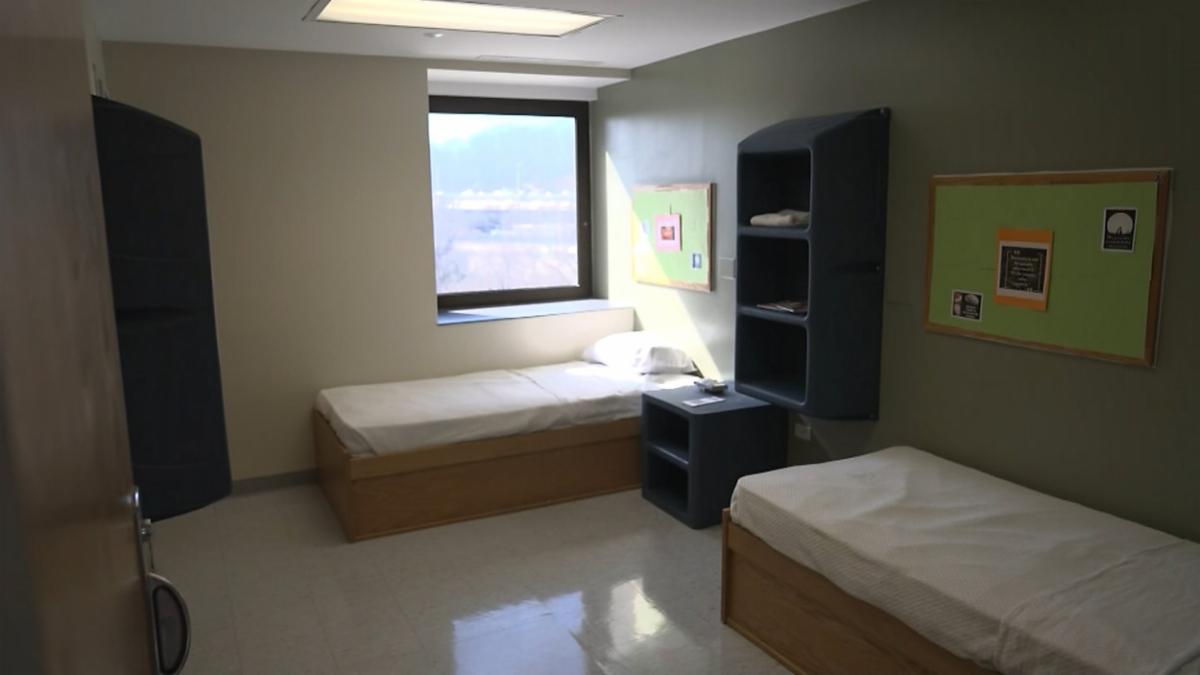
The Creedmoor Psychiatric Center in Queens is a state-run psychiatric hospital that often sees some of the city's most complex cases. At the center, New Yorkers with serious mental illnesses are locked in for treatment — getting some fresh air and time outside once a day. "They can't leave on their own, but around here they can walk,” Martha Sullivan, the executive director of the facility, said. NY1 received an exclusive tour with the center's executive director and the state mental health commissioner, getting a firsthand look at a new unit — 25 new beds for seriously mentally ill New Yorkers who also have substance use disorder. "This is a very special unit for those patients," Sullivan said. Gone are the days, these officials say, where state institutions are the subject of controversy — which is where patients were mistreated. Read more here.
| |
‘All I Did Was Sleep’: Despite Years of Damning Reports, States Across the Country Fail To Rein in Psych Meds for Foster Youth
Alicia Bissonette, a 21-year-old living among the lakes and foothills of western Maine, recalls her teenage years in foster care as a heavily medicated, crises-filled blur. After years of childhood abuse, she moved between numerous foster homes, treatment centers and hospitals. Caseworkers and doctors insisted she needed a regimen of psychiatric meds that included the antipsychotic Abilify, the antidepressant Lexapro, the attention-deficit drug Strattera, and three drugs she was told to pop as needed for anxiety: hydroxyzine pamoate, prazosin HCI and propranolol. “There was a whole mix they had going,” the college student recalled in a recent interview. “And all I did was sleep.” In foster care, Bissonette was diagnosed with PTSD, ADHD and a “mood disorder.” But the drug treatment compounded her struggles. She gained more than 70 pounds, nodded off at school, and felt like she was “crawling out of her own skin,” she stated in records filed in federal district court. For decades, advocates, public health experts and foster youth like Bissonette have expressed alarm about the child welfare system’s heavy, haphazard reliance on psychotropic medications for traumatized children. Read more here.
| | |
New York's 'Caring Gene' Program Offers Free Tuition for Healthcare Students
A new initiative, the Caring Gene program, is offering full coverage of tuition, books, and fees for New York State residents entering certain healthcare fields. This federally funded program, supported by a Medicaid waiver from the Centers for Medicare and Medicaid Services, promises $694 million to New York through March 2027. Dr. Wendy Trevor, Vice President of Strategic Innovation and Partnerships at Maria College, emphasized the financial challenges faced by aspiring nurses. "A lot of times nursing students come with family members they've taken care of or family member who's been sick or they're taking care of an elderly relative," she said. "And then they look at tuition and they say, maybe I can't afford that, maybe not now, maybe later." Read more here.
| |
UPCOMING EVENTS & TRAININGS
How GE Appliances Approaches Alcohol Use & Employee Health
March 27, 12 - 1 pm, Behavioral Health Business
Collaborative Care Model (CoCM) in Specialty Settings
March 27, 2 - 3 pm, National Council for Mental Wellbeing
Group Facilitation Skills for Alcohol & Other Substance Use Counselors
March 28, 10 am - 12 pm, NCATTC
Lessons from a Learning Collaborative: Naloxone Vending Machines
April 1, 2 - 3:30 pm, COSSUP
New York State Behavioral Health Tobacco Summit
April 2, 9 - 4:30 pm, NYSOMH/NAMI-NYS
How to Have the Conversation: Talking about Substance Use and Mental Health (in Rural Spaces)
April 3, 10 am - 12 pm, NCROTAC
Stress and Burnout in the Crisis Workforce: Workforce Wellness Series
April 3, 1 - 2:30 pm, SAMHSA
Healthcare Behind Bars: Building Better RFPs to Improve Care and Outcomes
April 3, 1 - 2:30 pm, Policy Research Associates
Community-Driven Approach: Clinicians, Healers, and Healing Hubs
April 7, 2 - 3 pm, NASMHPD
Improving Access to Care for Residents of Supportive Housing – A National Webinar
April 9, 1 - 2 pm, Corporation for Supportive Housing
Creating a Juror-Centered Experience: Reducing Barriers, Optimizing Time, and Supporting Mental Health
April 9, 3 - 4:15 pm, NCSC
Working with Clients with Past or Present Justice Involvement (in Rural Communities)
April 16, 1 - 3 pm, NCROTAC
Community-Driven Approaches: Effective programming to support those affected by a death by suicide
April 21, 2 - 3 pm, NASMHPD
Advocacy in Action: Behavioral Health Integration and Systems Change
April 22, 1 - 2 pm, Social Current
Start with Hope: Supporting Mothers with SUDs Panel
April 22, 1 - 2:30 pm, National Council for Mental Wellbeing
Responsive Care: The Experiences of Women and Children along the Care Continuum in Rural Communities
April 23, 2 - 4 pm, NCROTAC
Family Education : Small Changes, Big Results: Responding Collaboratively to Early Substance Use Concerns
April 23, 7 - 8 pm, School Mental Health Resource Training Center
Improving Mental Health Outcomes: 59 Essential Evidence-Based Practices for Communities, Police, Courts, Jails, and Community Corrections
April 24, 1 - 2:30 pm, NCHATS
Collaborative Care in Rural Health Centers
April 24, 3 - 4 pm, National Council for Mental Wellbeing
Navigating VBC Negotiations: Turning Complexity Into Opportunity
April 30, 1 - 2 pm, Onecare Population Health Academy
Person-Centered Care: Applications in Day-to-Day Practice
April 30, 2 - 4 pm, NCROTAC
Firearm Safety for Suicide Prevention Workshop for Facilitators (In-Person/Virtual)
May 5, 9 am - 2 pm, NY Health Foundation
Collaborative Care: Strengthening Provider Relationships with Autistic and Neurodivergent Population
May 7, 1:30 - 3 pm, School Mental Health Resource Training Center
Redefining Recovery: Insights into Gambling and Substance Use Disorders
May 7, 3 - 4:30 pm, NAADAC
Measurement-Informed Care and the Collaborative Care Model (CoCM)
May 22, 2 - 3 pm, National Council for Mental Wellbeing
An Affirming and Effective Substance Use Disorder Curriculum for the LGBTQ+ Community
June 4, 3 - 4:30 pm, NAADAC
| |
CLMHD CALENDAR
APRIL
CLMHD Executive Committee Meeting
April 2: 8 - 9 am
LGU Clinic Operators Call
April 8: 10 - 11 am
Addiction Services & Supports (ASR) Committee Meeting
April 10: 11 am - 12 pm
Mental Health Committee Meeting
April 10: 3 - 4 pm
Children & Families Committee Meeting
April 15: 11:30 am - 1 pm
Membership Call
April 16: 9 - 10:30 am
Developmental Disabilities Committee Meeting
April 17: 1 - 2 pm
CLMHD Spring 2025 Full Membership Meeting
April 30 - May 2, Albany
| |