 | |
Daily Loneliness Afflicts 1 in 5 in U.S.
Twenty percent of U.S. adults in Gallup's most recent quarterly data report feeling loneliness “a lot of the day yesterday,” a slight uptick in the rate after several quarters when it hovered around 17% or 18%. Still, the current rate remains lower than the 25% highs measured three times - most recently in March 2021 - during the COVID-19 pandemic. These data are a part of the Gallup National Health and Well-Being Index. In 2023, the Surgeon General declared a loneliness epidemic in the U.S. Although progress has been made in reducing loneliness in the U.S. since the pandemic, a significant number of U.S. adults -- an estimated 52 million, based on Gallup’s current estimate -- still struggle with it. The most recent results, obtained Aug. 27-Sept. 4, 2024, are based on 6,289 U.S. adults surveyed by web as a part of the Gallup Panel, a probability-based panel of about 100,000 adults across all 50 states and the District of Columbia. Read more here.
|  | |
As Year-End Deadline Looms, Congress Again Calls on DEA to Extend Telehealth Flexibilities
With less than three months before the clock runs out on telemedicine electronic prescribing flexibilities, Reps. Doris Matsui, D-California, and Earl "Buddy" Carter, R-Georgia, are leading a bipartisan charge to urge the U.S. Drug Enforcement Administration to strengthen and deliver a better proposal for a controlled substance registry for telehealth providers. On October 10, the DEA sent the White House Office of Management and Budget a third temporary extension of COVID-19 telemedicine flexibilities for the prescription of controlled medications as part of a larger Department of Justice unified agenda that would further extend flexibilities to date unavailable on OMB's website. The next day, 18 members of the House of Representatives wrote to express that not only is the agency running out of time before patients lose access to pandemic-era telehealth flexibilities, but said they are concerned the draft proposal excludes whole classes of medications that may unnecessarily risk patient care. Read more here.
|  | |
N.Y. Conference Highlights New Regulations Expanding Opioid Treatment Access
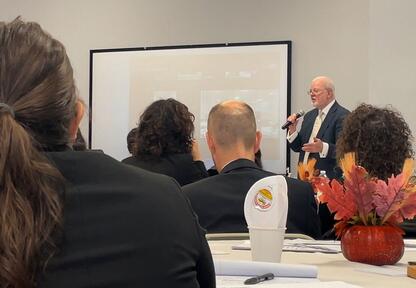
The opioid crisis continues to challenge communities across New York state, but regulatory changes are paving the way for expanded access to treatment. The changes are affecting care and those struggling with addiction. The updates are helping New York state to make strides in combating opioids with significant funding aimed at expanding access to treatment. The Coalition of Medication-Assisted Treatment Providers and Advocates symposium highlighted those efforts, showcasing a nine percent decrease in overdose deaths from April 2023 to March 2024, according to provisional data from the Centers for Disease Control and Prevention (CDC). Read more here.
Related: Urban opioid education moves to rural counties
Tonko, Turner Launch Inquiry to Ensure Access to Addiction Treatment for Opioid Use Disorder
|  | |
A Braided Funding Approach: Leveraging Opioid Settlement Funds to Strengthen Supports for Justice-Involved Populations
Individuals who are incarcerated or returning from incarceration face higher rates of substance use disorders, mental illness, and complex needs than the general population, yet only 32% of jails offer medication for opioid use disorder (MOUD). Untreated substance use and mental illness increase the risk of recidivism and overdose after release, with people leaving prison 129 times more likely to die of an overdose in the two weeks following release. To address these challenges, states are using strategies like expanding MOUD access and leveraging Medicaid 1115 demonstrations and opioid settlement funds to support reentry services. Read more here.
|  | |
Telehealth Is ‘Where the Puck Is Going’ in Youth Behavioral Health
Outpatient youth behavioral health services will likely continue to attract interest from venture capital, especially services that are enabled by telehealth and AI. That was one takeaway from a panel regarding the future of youth behavioral health models, which was part of Behavioral Health Business’s INVEST conference held in Dallas. Jose Guerola, a principal at Echo Health Ventures, said outpatient services “is where the puck is going” when it comes to investment Echo and other venture firms give to youth-focused behavioral health companies. Meanwhile, residential treatment “is just not a focus for us right now,” Guerola said. The heightened interest in outpatient settings enabled by telehealth and the waning interest in residential services are driven by several potent trends. Read more here.
|  | |
Researchers Report Effects of Intervention on Overdose Education and Naloxone Distribution
New research shows that the HEALing (Helping to End Addiction Long-term) Communities Study (HCS) significantly increased community access to naloxone, a lifesaving medication that quickly reverses the effects of opioids and helps restore breathing in someone who is experiencing an overdose. The paper, published in the American Journal of Public Health on Oct. 10, analyzed results from the HEALing Communities Study (HCS), which included the University of Kentucky as a research site. Launched in 2019, the landmark study was aimed at reducing overdose deaths in 67 communities across four states highly impacted by the opioid crisis: Kentucky, Massachusetts, New York and Ohio. Read more here.
Related: Teens, Drugs, and Overdose: Contrasting Pre-Pandemic and Current Trends
| 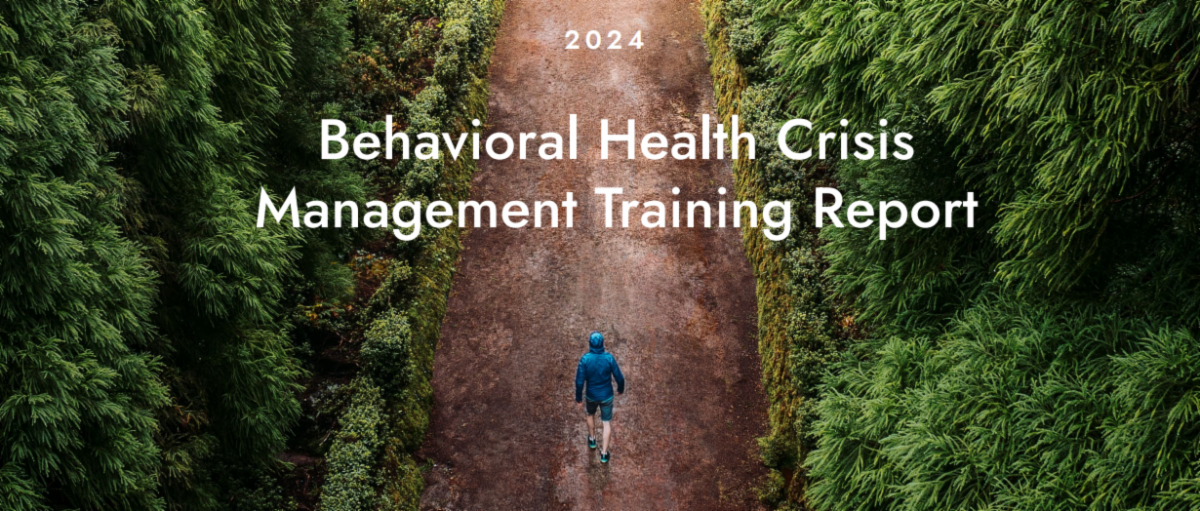 | |
New From Relias: The 2024 Behavioral Health Crisis Management Training Survey Report
The United States is at a critical juncture in responding to behavioral health crises, with opioid usage and suicide rates at all-time highs, making high-quality care essential. Effective crisis management depends on the training your staff receives, underscoring the need for strategic planning. The Relias 2024 Behavioral Health Crisis Management Training Report, featuring responses from nearly 9,000 behavioral health providers across the United States, uncovers significant industry trends. Behavioral health leaders can use this data to inform their organization’s learning and development programs to enhance their staff’s ability to mitigate crisis situations effectively.
Related: Three Things to Know About New Jersey’s Groundbreaking Community Response Legislation
|  | |
Improving Schizophrenia Outcomes: The Role of Long-Acting Injectables and Medication Adherence
Schizophrenia is a complex, chronic, and progressive illness that affects about 1.1% of adults in the United States. As with any disease that is challenging to diagnose and treat, supporting patients in navigating their journey requires a thoughtful, compassionate approach, as well as open, honest conversation and collaboration between patients and their care teams. For people living with schizophrenia, the demands of managing the treatment journey can be overwhelming. It has long been acknowledged in the medical literature that medication adherence in particular can present difficulty for these individuals, with significant short- and long-term clinical implications. Finding a treatment regimen that works and that a patient is willing and able to stay on long term can make a meaningful difference in preventing relapse and associated risks. Read more here.
Related: No Single Antipsychotic Offers Cognitive Benefit in Schizophrenia Disorders
| |
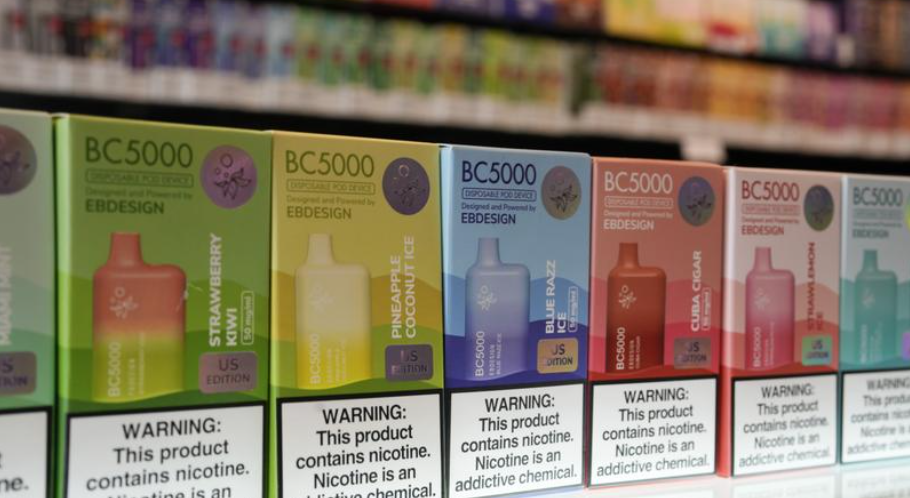 | |
Why Do We Vape? A NYC Teen Investigates the Trend Among Young People
Though vaping among teens is on the decline, a recent government report shows that a million and a half kids in the U. S. are still using e cigarettes. In New York, where it's illegal to sell vaping products to anyone younger than 21, and flavored products are banned, Many teens continue, though, to find ways to vape. 18-year-old Radio Rookies' reporter, Nora Dergam, looks into how easy it is to get addicted and the impact of vaping on young people. Read more here.
|  |  | |
UPCOMING EVENTS & TRAININGS
Mind Matters: Building a Justice System That Is Inclusive and Responsive to Brain Injury
October 17, 1 - 2:30 pm, CSG Justice Center
Stage CARES (Community Abatement Resources & Economic Solutions): Patent-Pending, Evidence-Based Tools to Solve the Opioid Epidemic at County and State Levels
October 17, 2 - 3 pm, NACo
Co-Occurring Disorders in Special Populations
October 22, 9:30 - 11:30 am, SAMHSA
Supporting Youth Mental Health in Rural Communities
October 22, 1 - 2 pm, Mental Health America
State Funding for County Behavioral Health Crisis Services: Examples and Opportunities
October 22, 2 - 3 pm, NACo
New York State Trauma-Informed Network & Resource Center Conference
October 23 - 25, Saratoga Springs, NYSTINRC
Examining Critical Mental Health Issues Across the Reproductive Life Cycle. A Webinar
October 23, 1 - 2:30 pm, NASEM
Suicide Prevention in Religious Communities – The Present and Future
October 24, 12 - 1 pm, AgriSafe Network
Courts Navigating the Behavioral Health Continuum
October 24, 12 - 1:15 pm, National Center for State Courts
Liability and Risk Considerations When Adopting AI Technology
October 25, 1 - 2 pm, National Council for Mental Wellbeing
Improving Health Outcomes for Pregnant and Postpartum Individuals with Substance Use Disorder
October 30, 1 - 2:15 pm, Center for Health Care Strategies
Transforming Systems: Strategies for Gender-Responsive Reentry and Crisis Response
October 30, 2 - 3:30 pm, CSG Justice Center
Person-Centered Care: Applications in Methadone Maintenance Treatment and Outpatient Program Settings
October 30, 2 - 4 pm, NCROTAC
Medications for Opioid Use Disorder (MOUD) in Criminal Justice Settings: Developing Partnerships between Correctional Professionals and Community-based Providers
October 31, 2 - 3:30 pm, SAMHSA's GAINS Center
Justice Center Code of Conduct Train-the-Trainer Session
November 13, 9:30 am - 12:30 pm, Justice Center for the Protection of People with Special Needs
Post-Traumatic Stress Disorder (PTSD): Clinical Considerations & Unmet Needs
November 15, 12 - 1 pm, PsychU
Justice Involvement in Special Populations
November 18, 9:30 - 11:30 am, SAMHSA
| |
CLMHD CALENDAR
OCTOBER
Mental Hygiene Planning Committee Meeting
October 19: 1 - 2:30 pm
Fall 2024 Full Membership Meeting
October 23-25, Clayton, NY (Jefferson County)
NOVEMBER
CLMHD Executive Committee Meeting
November 6: 8 - 9 am
Quarterly LGU Clinic Billing Staff Call
November 6: 11 am - 12 pm
LGU Clinic Operators Call
November 12: 10 - 11:30 am
Addiction Services & Supports (ASR) Committee Meeting
November 14: 11 am - 12 pm
Developmental Disabilities Committee Meeting
November 14: 1 - 2:30 pm
Mental Health Committee Meeting
November 14: 3 - 4 pm
IOCC Meeting
November 19: 1 - 3 pm - Empire State Plaza, Albany
Membership Call
November 20: 9 - 10:30 am
Children & Families Committee Meeting
November 26: 11:30 am - 1 pm
CLMHD Office Closed - Thanksgiving
November 28 - 29
| |







