|
Governor Hochul Announces More Than $6 Million Investment to Improve Health Equity Through Choose Healthy Life
Governor Kathy Hochul today announced $6.5 million in increased funding to support Choose Healthy Life, a program dedicated to expanding access and strengthening health services in underserved communities through the Black church. The Governor’s continued investment in Choose Healthy Life has grown consistently, reflecting her commitment to improving health outcomes for Black New Yorkers. With this new investment, the Governor will have committed over $20 million since taking office to support the expansion of critical services aimed at improving the health and wellbeing of Black communities. Notably, last year the Governor made a $5.9 million investment to expand operations outside of New York City, adding 10 Choose Healthy Life–funded churches statewide, now serving New Yorkers in several upstate communities. Choose Healthy Life was founded in 2021 amid the COVID pandemic and grew to fund 120 churches across 13 states. New York, with 30 churches, has more CHL churches than any other state. Read more here.
| |
New York State Awards $6 Million to Fund Behavioral Health Crisis Response Teams
The New York State Office of Mental Health on Wednesday announced the conditional award of $6 million to fund pilot programs in three communities across the state to ensure that crisis response systems prioritize a health-led response to behavioral health crisis. The funding will provide $2 million each to the city of Rochester, Central Nassau Guidance & Counseling Services, and Children’s Home of Jefferson County to provide a safe, compassionate response for New Yorkers in crisis. “By establishing a health-led system of response, communities can safely, effectively, and compassionately respond to individuals who experience a behavioral health crisis,” OMH Commissioner Dr. Ann Sullivan said. “These pilot programs, in conjunction with our Technical Assistance Center, will provide a roadmap for other communities across the State to develop a health-led behavioral health crisis response system.” Read more here.
| |
Disability History Museum Set To Open
A one-of-a-kind museum chronicling disability history is reopening after a five-year hiatus in a new, bigger space that’s hundreds of miles away from its previous home. The Museum of Disability History will open its doors Tuesday in Albertson, N.Y., just outside of New York City, with exhibits showcasing the history of the disability rights movement from its inception through today. Until 2020, the Museum of Disability History was housed at People Inc. in Buffalo, N.Y., but it shuttered after the COVID-19 pandemic left the institution unable to welcome visitors. The Viscardi Center, a nonprofit disability service provider, ultimately took over the collection and is now reopening the museum in a brand-new 4,500-square-foot gallery space in its Kornreich Institute for Disability Studies. Read more here.
| |
Construction Overdose, Suicide Deaths Fall in 2024
Fatal drug overdoses and suicides among U.S. construction workers declined in 2024, marking a notable shift in a sector long plagued by disproportionately high behavioral health risks. New data released by North America’s Building Trades Unions and CPWR — The Center for Construction Research and Training shows that drug-related overdose deaths among construction workers aged 16 to 64 fell 28.8% from 2023 to 2024 — representing approximately 4,600 lives. The overdose fatality rate dropped from 135.0 to 94.8 per 100,000 workers. For comparison, the industry’s on-the-job fatality rate in 2023 stood at 9.6 deaths per 100,000 workers, meaning overdose deaths were still more than 10 times higher than jobsite injury fatalities that year. Updated 2024 workplace fatality data from the Bureau of Labor Statistics is scheduled for release Feb. 19. Read more here.
Related: Pharmacists’ suicide risk higher than US average, study finds
| |
When the Doctor Needs a Checkup
He was a surgical oncologist at a hospital in a Southern city, a 78-year-old whose colleagues had begun noticing troubling behavior in the operating room. During procedures, he seemed “hesitant, not sure of how to go on to the next step without being prompted" by assistants, said Mark Katlic, director of the Aging Surgeon Program at Sinai Hospital in Baltimore. The chief of surgery, concerned about the doctor’s cognition, “would not sign off on his credentials to practice surgery unless he went through an evaluation,” Katlic said. Since 2015, when Sinai inaugurated a screening program for surgeons 75 and older, about 30 from around the country have undergone its comprehensive two-day physical and cognitive assessment. This surgeon “did not come of his own accord,” Katlic recalled. But he came. Read more here.
| |
The Post-Discharge Breakdown: Where Hospitals Lose Addiction Patients
Despite the high prevalence of substance use disorders among hospitalized patients, hospital-based addiction care across the U.S. remains inconsistent, a Cedars-Sinai behavioral health leader told Becker’s. “What’s not variable is the prevalence of alcohol and substance use disorders in hospitals,” Itai Danovitch, MD, chairman of the department of psychiatry and behavioral neurosciences at the Los Angeles-based health system, said. “About 1 in 10 patients that present to the ED and/or the hospital have a substance use disorder.” Substance use disorders often compound patients’ medical conditions rather than exist alongside them. “Frequently the substance use disorder is exacerbating, amplifying, complicating or causing their medical problems. It’s really significant,” Dr. Danovitch said. "The failure to address the substance use disorder while addressing other health issues or in other medical problems is a major failure and opportunity. There’s a big need there.” Read more here.
| |
A Better Way to Care for Older Adults with Opioid Addiction
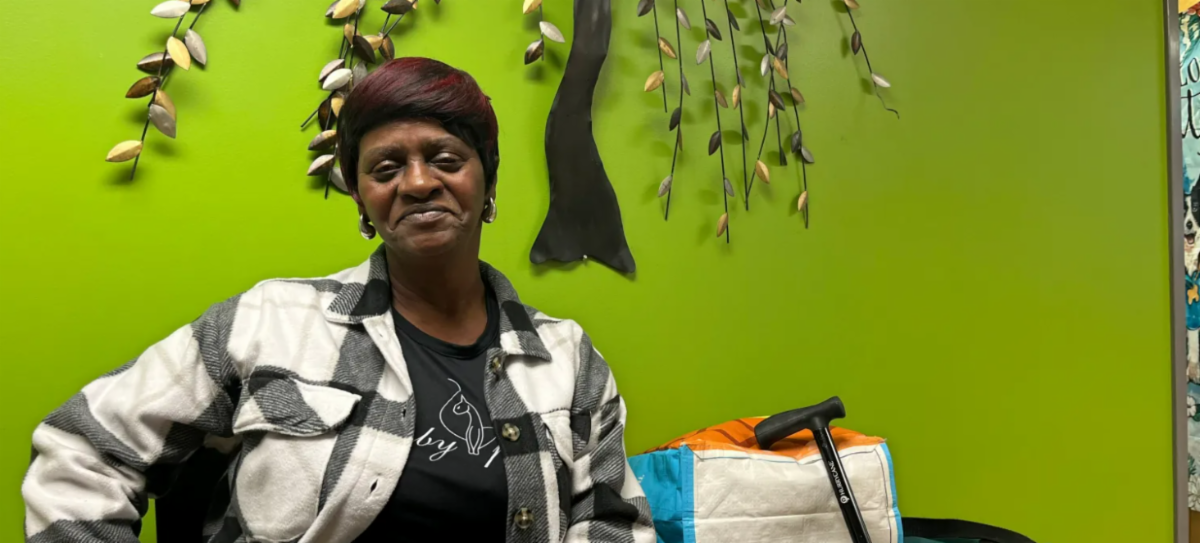
The pain in Renee Gray’s right hip had gotten so bad, not even the heroin could help. Through nearly three decades of addiction to heroin and cocaine, Gray’s physical health — her joints, her blood pressure, her teeth, her vision — had been an afterthought. Now, on this October night in 2023, Gray’s daughter and granddaughter watched as the then-64-year-old writhed on the ground — high and in agony. “It hurt me so bad that my granddaughter [had] seen me like that on the floor,” Gray says. Just 72 hours later, Gray walked through the doors of REACH Health Services, a methadone clinic in Baltimore that primarily serves older adults grappling with opioid addiction. Nearly 20,000 people over the age of 55 died of an opioid overdose in 2023, and the number of seniors living with opioid addiction has climbed in recent years to roughly 1 million. Like Gray, many have other health problems such as arthritis, diabetes and heart failure. Social issues like housing and loneliness pose increasing challenges for many people as they age. Read more here.
| |
Meet the New ‘Chief of Staff’ in Mental Health: AI
Artificial intelligence went from being seen as a complex technology that rarely entered conversations to one of the most discussed topics in the workplace zeitgeist. It’s not only changing the way business is done on a large scale, but generative AI tools like Google’s Gemini, OpenAI’s ChatGPT and Anthropic’s Claude are changing how mental health executives do their work daily. AI has brought efficiency and change to industries like health care that have long been burdened by antiquated technologies and cumbersome workflows. Beyond the tools that it’s baked into, AI has increasingly become a thought partner to executives as they move through their individual workflows, brainstorm strategies and organize priorities. A July 2025 report found that 72% of vice president and C-suite level executives use AI daily and tend to use it four times more often than frontline workers. In practice across the behavioral health sector, this looks like using ChatGPT or Gemini to remove friction and paperwork, draft emails, prep for meetings, structure programming, ask for feedback or suggest changes to a process. Read more here.
| |
|
Should People With Autism and Very High Needs Have a Separate Diagnosis?
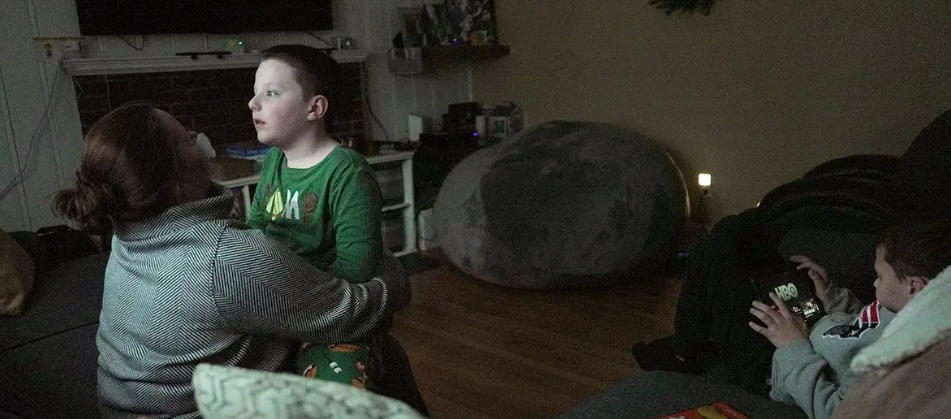
AYER, Mass. -- Connor Murphy walked in circles around his dad, then flopped down on the kitchen floor, got up and walked in circles again. His dad turned the 9-year-old's repetitive behavior into a chance to connect. "Want me to pick you up?" Matthew Murphy asked, lifting, tickling, and spinning with his son. Such spontaneous moments are common in the Murphy household, which revolves around the needs of Connor and his twin brother Ronan, who both have profound autism. "They're going to need 24-7 care for the rest of their lives," their father said. "Life will be a challenge for them, and we have to prepare them as best we can." Autism rates have been rising for decades, and two of the main reasons for the increase have, in a strange twist, taken some of the focus off helping people with round-the-clock needs. The diagnosis of autism spectrum disorder, adopted in 2013, is now very broad, including many people with low support needs. Also, better awareness of the condition has helped many more children get diagnosed than in the past -- and most of those cases are relatively mild. Read more here.
| |
Stopping Antidepressants During Pregnancy Can Be a Health Risk, Research Shows
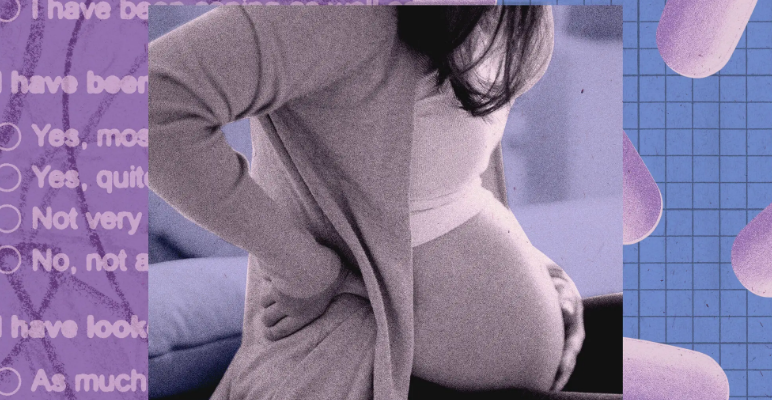
New research suggests that when pregnant women stop taking their antidepressants they are nearly twice as likely to have a mental health emergency as those who continue to take their medication. The research, which was presented at the annual conference of the Society for Maternal-Fetal Medicine, used private insurance and pharmacy claims data from Pennsylvania to examine the medical histories of more than 1,400 women who had a baby in 2023 or 2024. Each of the women had been diagnosed with anxiety or depression and were already taking an antidepressant before becoming pregnant. The data, which has not yet been peer-reviewed, showed that a majority of women stopped taking their antidepressants during pregnancy. Those who discontinued their medication had, in total, over 500 more emergency department visits for behavioral health reasons than those who kept taking the drugs. Before pregnancy, the number of mental health emergency visits was similar between the two groups of women. Read more here.
| | |
UPCOMING EVENTS & TRAININGS
Integrated Safety Planning (Suicide Safety Plans & Overdose Safety Plans)
February 19, 12:30 - 1:30 pm, Zero Overdose/Zero Suicide
Older Adults Behavioral Health Services
February 19, 2 - 3 pm, National Council for Mental Wellbeing
Crisis Is Not the Start: Prevention, Partnership, and Protection in Children, Youth and Families in Crisis Care
February 19, 2 - 3 pm, SAMHSA
Peer-to-Peer Learning Session: Service and Support Considerations for Individuals with Co-occurring Mental Health Conditions and Intellectual and Developmental Disabilities Across the Crisis Continuum
February 23, 3 - 4 pm, SAMHSA
Apprenticeships for Community Health Workers and Medical Assistants: What’s Working in New York
February 23, 3 - 4 pm, NY Health Foundation
North Country Telehealth Partnership Webinar
February 24, 10 - 11:30 am, CMS, NGS
Contingency Management Programs: State Lessons from Planning to Scaling
February 24, 12 - 1:15 pm, Center for Health Care Strategies
Partnering with Emergency and First Responders: Collaborative Models of Crisis Response
February 24, 2 - 3 pm, SAMHSA
Beyond Recidivism: Measuring Employment Data After Incarceration
February 24, 2 - 3:30 pm, CSG Justice Center
Process Addictions: Maladaptive Coping Across the Ages
February 25, 12 - 1:30 pm, NAADAC
Faith, Belonging, and Mental Health: Supporting Inclusive Communities
February 25, 1 - 2 pm, Temple University Collaborative
“The Virginia Model”: Improving Efficiency and Coordination of Hospital-based Competency Restoration
February 25, 3 - 4 pm, SAMHSA's GAINS Center
How AI Is Changing Admissions and Intake in Behavioral Health
February 26, 12 - 1 pm, Behavioral Health Business
Getting Ready for Medicaid Work Requirements: Strategies for Supportive Housing Providers
February 26, 1 - 2 pm, CSH
Transforming Futures: Education, Law, and Youth Wellbeing - IN PERSON
February 27, 9:30 am - 3 pm, Albany Law School Government Law Center
Solutions Not Suspensions
March 2, 1 - 2 pm, NAMI New York State
Addressing Veteran Substance Use: Promoting Recovery Through Collaboration and Compassion
March 3, 2 - 3:30 pm, SAMHSA
Collaborating to Support Youth Returning from Incarceration: What Child Welfare Leaders Need to Know about Medicaid Webinar
March 4, 2 - 3 pm, The Annie E. Casey Foundation
Innovation in Behavioral Health (IBH) Model Cohort II Notice of Funding Opportunity (NOFO) Webinar
March 5, 2 - 3 pm, CMS Innovation Center
Building a Licensed Workforce: Organizational Support for Clinical Licensure
March 5, 2:30 - 3:30 pm, National Council for Mental Wellbeing
Reducing Problem Gambling Stigma Through Language and Action
March 6, 1 - 2 pm, National Council on Problem Gambling
Breaking the Revolving Door: How an Intensive Crisis Stabilization Center Is Reducing ER Reliance
March 10, 1 - 2 pm, OPEN MINDS
Strengthening Helping Professionals: Ethics, Resilience, & Attachment-Informed Approaches
March 11, 12 - 1:30 pm, NAADAC
From Feedback to Impact: How CCBHCs Can Use Experience Management to Improve Quality and Engagement
March 11, 2 - 3 pm, National Council for Mental Wellbeing
Recovery Housing Funding Sources and Financial Sustainability Webinar
March 11, 2 - 3 pm, SAMHSA Center for Financing Reform and Innovation
Means Reduction Counseling and Overdose Prevention Strategies
March 12, 12:30 - 1:30 pm, Zero Overdose/Zero Suicide
Becoming a MHFA Instructor
March 12, 2 - 3 pm, National Council for Mental Wellbeing
Having an Impact: Young Adult Change-Makers Explore Mental Health Challenges and Accomplishments
March 17, 12 - 1 pm, NYS Public Health Association
Workforce Solutions Jam: Extending the Behavioral Health Workforce - Technology as an Extender
March 17, 1 - 2 pm, National Council for Mental Wellbeing
An Introduction to Problem Gambling Screening Tools
March 17, 1 - 2 pm, National Council on Problem Gambling
Leading Change With H.O.P.E. — How Leaders Can Enable Change That Sticks
March 18, 1 - 2 pm, Positively Partners
Suicide and Substance Misuse: Supporting Safety
March 23, 11:30 am - 12:30 pm, PCSS
Understanding The Role of Toxic Shame in Substance Use Disorders
March 25, 12 - 1:30 pm, NAADAC
2026 Working with Addictions Summit - VIRTUAL
March 28 - 29, NAADAC/Mental Health Academy
Care Coordination and Referral Partnerships in the Integrated Care Field
March 31, 3 - 4 pm, Center of Excellence for Integrated Health Solutions
Becoming a MHFA Instructor
April 16, 2 - 3 pm, National Council for Mental Wellbeing
Workforce Solutions Jam: Extending the Behavioral Health Workforce - Lived Experience as a Resource
April 21, 1 - 2 pm, National Council for Mental Wellbeing
| |
CLMHD CALENDAR
February
Developmental Disabilities Committee Meeting
February 19: 1 - 2 pm
March
Executive Committee Meeting
March 4: 8 - 9 am
Mental Hygiene Planning Committee Meeting
March 5: 1 - 3 pm
LGU Clinic Operators Call
March 10: 10 - 11 am
Addiction Services & Recovery Committee Meeting
March 12: 11 am - 12 pm
Mental Health Committee Meeting
March 12: 3 - 4 pm
Children & Families Committee Meeting
March 17: 12 - 1:30 pm
Membership Call
March 18: 9 - 10:30 am
| |