|
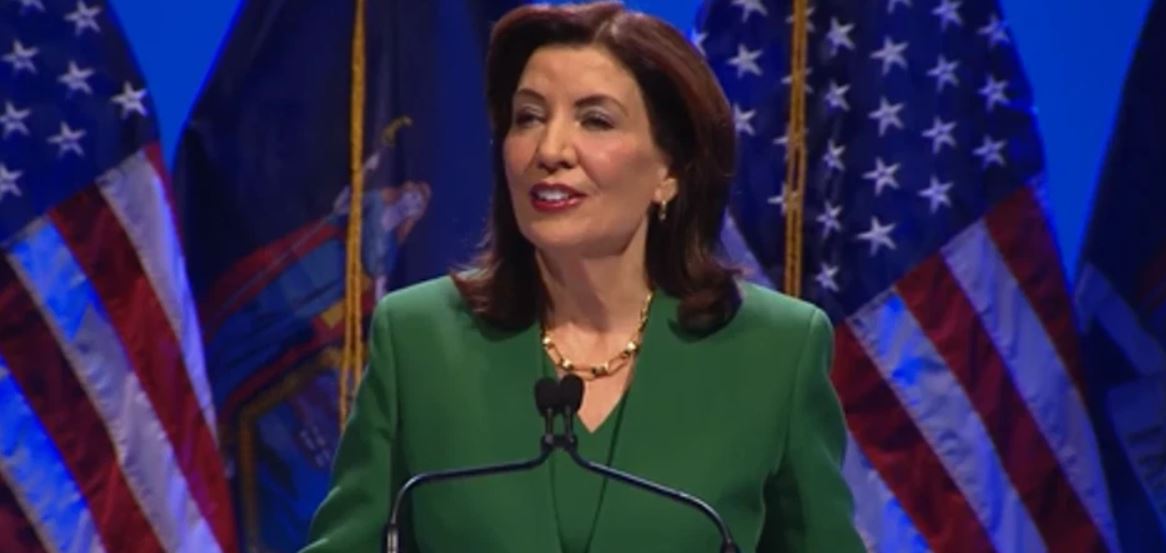
Governor Hochul Announces Improved Medicaid Access for Behavioral Health Care Services in New York
Governor Hochul on Tuesday announced that all Medicaid managed care plans operating in New York State have improved compliance with rules for fair access to mental health and substance use disorder services, even as the Trump Administration rolls back enforcement of these critical protections. Among the plans reviewed by the New York State Office of Mental Health (OMH), the Capital District Physicians’ Health Plan, Inc. and Excellus BlueCross BlueShield were found to be 100 percent compliant with all regulations. “While the Trump Administration sleeps on regulations aimed at ensuring access to critical behavioral health services, New York State has achieved landmark reforms and is holding insurance companies accountable so that all New Yorkers can get coverage for this critical care,” Governor Hochul said. “The gains in compliance we’re seeing today reflect our steadfast commitment to ensuring these carriers cover critical mental health services and don’t restrict access to care.” Read more here.
| |
New York State Department of Health Recognizes Men’s Health Month
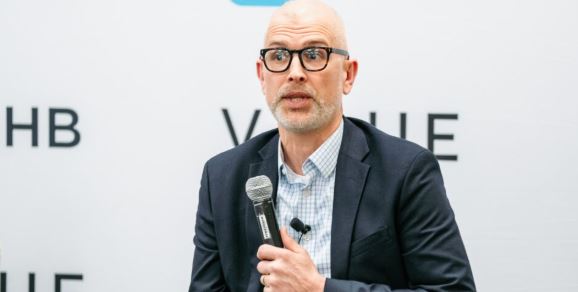
The New York State Department of Health recognizes Men's Health Month in June and urges men across New York to prioritize preventive health care, rather than waiting for a medical issue to arise. Establishing care with a primary care provider, and getting regular medical examinations, including cancer, diabetes and blood pressure screenings, as well as following a healthy lifestyle, are key components of preventive care that can lead to better health outcomes. "Too often men hold back from speaking up about their health – they push through pain, downplay their symptoms, or avoid it altogether. But staying silent only increases your risk," State Health Commissioner Dr. James McDonald said. "There is nothing stronger than taking care of yourself. Seeking support isn't a sign of weakness—it's a smart, selfless decision that benefits both you and your loved ones." Read more here.
| |
Two-Thirds of Troops Who Left the Military in 2023 Were at Risk for Mental Health Conditions, Survey Found
A mental health survey given to over 50,000 troops on their way out of the military in 2023 found that two-thirds indicated they might have a mental health condition worthy of medical follow-up. But of those identified in the program, more than half refused referrals to a transition program for counseling or other treatment, a government watchdog found. The high rate of potential mental health conditions was reported in a report released Thursday by the Government Accountability Office, or GAO, which examined the Department of Veterans Affairs’ mental health screening for troops on their way out of the service in 2023 and early 2024. The GAO found issues with the way that troops were screened for post-traumatic stress disorder, violence risk and alcohol use. Read more here.
| |
Navigating Methadone Modernization, the Shifting Regulatory Space of SUD Treatment
Regulatory changes have bombarded the addiction treatment space since Citizen Advocates CEO James Button took the reins at the company in 2020 – an especially precarious time for health care in general. The biggest change he has seen since taking the helm? Balancing patient preferences and new regulations. “We have to stay on our feet and ahead of what patient preferences are and what the community is struggling with to ensure that we’re relevant,” Button told Behavioral Health Business. “Patient preference is no longer limited to what was available. We went from a very static and structured environment to a very dynamic and undulating environment with constant evolution.” Part of that evolution included new regulations that created challenges in meeting new patient preferences for mental health and addiction recovery providers like Malone, New York-based Citizen Advocates. Read more here.
| |
RFK Jr. Is Shrinking the Agency That Works on Mental Illness and Addiction
The country's main mental health agency, the Substance Abuse and Mental Health Administration, commonly known as SAMHSA, is in the process of being dissolved. It has lost more than a third of its staff of about 900 this year as part of recent reductions in the federal workforce. President Trump's budget bill cuts $1 billion from the agency's operating budget, and its mission is being folded into a new entity shaped by Health Secretary Robert F. Kennedy Jr. Lawmakers, researchers and health care providers are concerned. At a hearing held by the House Appropriations Committee last month, some Democratic lawmakers grilled the health secretary about this. Rep. Madeleine Dean, representing suburban Philadelphia, asked Kennedy about these changes in light of the recent progress in overdose deaths. "A 27% reduction in overdose deaths in this country," said Dean, who has personal experience with opioid addiction through one of her sons who's in recovery. "Overdose is still stealing a generation in this country. So why in God's name are we shuttering SAMHSA?" Read more here.
| |
Gun Deaths of Children Rose in States That Loosened Gun Laws, Study Finds
Firearm deaths of children and teenagers rose significantly in states that enacted more permissive gun laws after the Supreme Court in 2010 limited local governments’ ability to restrict gun ownership, a new study has found. In states that maintained stricter laws, firearm deaths were stable after the ruling, the researchers reported, and in some, they even declined. Guns are the leading cause of death in the United States for people ages 1 through 17, according to the Centers for Disease Control and Prevention. Dr. Jeremy Faust, an emergency room doctor at Massachusetts General Brigham Hospital in Boston, who was the study’s lead author, said he was dismayed to find that most of the children’s deaths were homicides and suicides. Read more here.
| |
How Talkspace, Brightline, Behavioral Framework Employ Sustainable Staffing Practices
The impact of behavioral health staffing strategies extends beyond the HR office. Success or failure in hiring, training and retention can make or break the best-laid plans. Workforce strategies are the first move in the proverbial game to create clinical offerings that impress a behavioral health provider’s patients, payers, existing clinicians and prospective clinicians. But at the same time, an entrenched clinician shortage and increasingly complex payer requirements for reimbursement make simply staffing up an organization a challenge. “Some of our biggest challenges are, No. 1, finding the volume of people, and, No. 2, finding those people who actually meet all these criteria,” Brittany Rader, president of clinical services for Behavioral Framework, said recently. “And those are two vastly different populations, we are coming to find.” Read more here.
| |
Alabama Teaches Faith Leaders How to Help People Struggling With Addiction
The daughter of a police chief and schoolteacher, Denice Morris might have seemed safe from the trap of substance use. But she was in the grip of addiction from young adulthood into her early 30s, she says. When the right care opened a path out, she decided to spend her life helping others recover. Today, she’s head of substance use treatment for the Alabama Department of Mental Health. In recent years, she’s helped launch an innovative project training faith leaders to respond effectively when they discover members of their congregations have drug or alcohol problems. In Alabama the church has always been the pillar of the community, Morris says, the place where people go when they need help. If the problem is drugs, stigma can get in the way. Read more here.
| |
Is AI an Option for Managing Loneliness?
The epidemic of loneliness poses a grave threat to public health, just as obesity, social media, or substance abuse does. Occasional loneliness is usually not problematic, as almost everyone experiences loneliness from time to time. However, chronic loneliness is associated with depression, anxiety, and declining physical health. Approximately 46% of Americans experience loneliness some or all of the time. And the American Psychiatric Association reports that 33% of U.S. residents are lonelier today than before the pandemic. In 2023, the surgeon general, Vivek Murthy, MD, MBA, estimated that the mortality impact of being socially disconnected is even greater than that associated with obesity or physical inactivity. While some studies find that younger generations report feeling more lonely than older generations, loneliness can affect anyone of any age. Nearly one-third of U.S. adults ages 45 and older report feeling lonely, and the population of lonely people over age 45 has grown by 5 million in the past 8 years. Some lonely patients describe a situation where a physician's monthly home visit was their only human contact. Both men and women are equally prone to it. Read more here.
| |
Considerations for Evaluating State Medicaid Initiatives Addressing Health-Related Social Needs
State Medicaid agencies are implementing initiatives to address members’ health-related social needs (HRSN) using a range of federal policy mechanisms, including managed care in lieu of services, section 1115 demonstrations, and home- and community-based services waivers, among other levers. Regardless of the mechanism, a robust approach to both implementation and impact evaluation is essential for understanding program outcomes and identifying opportunities for improvement. This tool provides practical guidance for Medicaid agencies in developing effective strategies to monitor implementation and evaluate the impact of HRSN initiatives. It outlines federal requirements for HRSN program evaluation, highlights key elements to support effective monitoring, and shares considerations for developing evaluation plans. Read more here.
| |
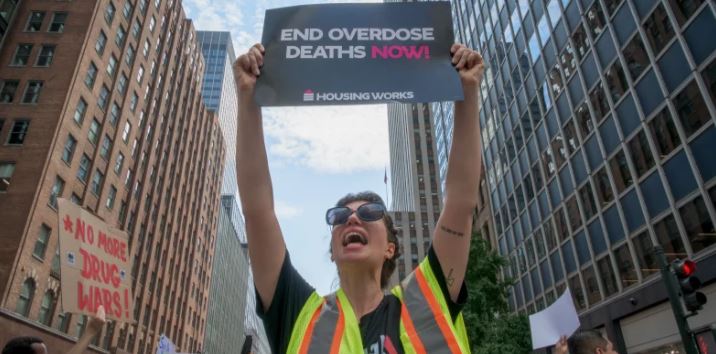
New SAMHSA Resources Support Opioid Use Disorder Treatment and Harm Reduction
SAMHSA has released four new resources to support providers, correctional systems, and policymakers working to address opioid use disorder (OUD):
Expanding Access to Methadone in Hospitals: A new advisory outlines best practices for offering methadone treatment in hospital settings, including guidance for healthcare teams and administrators.
MOUD in State Prisons: Practical guidelines help correctional facilities implement medications for opioid use disorder (MOUD), addressing service delivery, regulatory considerations, staff training, and cultural factors.
Naloxone Saturation Policy Academy Summary: This report captures insights from 26 states, DC, and Puerto Rico, including six state spotlights, highlighting progress and lessons learned from SAMHSA’s Naloxone Saturation Policy Academies.
Methadone in Correctional Settings: A second advisory provides clinical considerations and models for delivering methadone treatment to incarcerated individuals, underscoring the importance of continuity of care.
| | |
UPCOMING EVENTS & TRAININGS
Low-Threshold Access to Care: Initiating MOUD in the Emergency Department and Encouraging Treatment Retention
June 12, 12 - 1 pm, PCSS
Housing Instability Access to Care: Best Practices for Health Centers
June 12, 1 - 2 pm, Corporation for Supportive Housing
Advancing licensure: Growing the mental health care workforce
June 12, 2 - 3 pm, Kaiser Permanente
The Next Five Years: How Addiction Treatment Has and Will Change in the Decade Since COVID Changed Everything
June 12, 2 - 3 pm, Behavioral Health Business
Provider Investigation Basics (Virtual)
June 16 - 18, 9:30 am - 12:30 pm, NYS Justice Center
A Crisis Response to Supporting Older Adults Experiencing Grief and Loss
June 16, 1:30 - 2:30 pm, National Council for Mental Wellbeing
Proposed Payment System Rules – What to Know for 2025
June 16, 3 - 4 pm, Netsmart
The Interconnection between Health Equity, the Social Determinants of Health and the Impact of Intersectionality (in Rural Communities)
June 17, 10 am - 12 pm, NCROTAC
Supporting Young Adults Experiencing Early Serious Mental Illness in the Shift from Child to Adult Mental Health Services
June 17, 12 - 1 pm, SAMHSA
Building Affirming Health Systems for LGBTQ+ Communities
June 17, 1 - 2 pm, NY Health Foundation
The Future of Behavioral Healthcare: Trends Shaping the Next Decade
June 17, 1 - 2 pm, National Council for Mental Wellbeing
Workforce Solutions Jam | Skilling Up the Behavioral Health Workforce: Practical Solutions from Higher Ed
June 17, 1 - 2 pm, National Council for Mental Wellbeing
Measurement-Based Care in Practice: Impact and Strategies for Implementation
June 17, 1 - 2 pm, Qualifacts
Working Together to Support Individuals with Serious Mental Illness and Serious Emotional Disturbance and Their Families
June 17, 1:30 - 2:30 pm, SAMHSA
Artificial Intelligence in Behavioral Health: Embracing the Future of Provider Efficiency
June 17, 2 - 3 pm, Behavioral Health Business
An Introduction to EMPACT: Affirming Families, Empowered Youth
June 17, 7 - 8 pm, School Mental Health Resource Training Center
Getting Started with MHFA: Tools and Timelines for New Instructors
June 20, 2 - 3 pm, National Council for Mental Wellbeing
Understanding Substance Use Stigma in Rural Areas
June 23, 10 - 11:30 am NCROTAC
Emotional CPR: An Evidence-Based Support for Individuals with Serious Mental Illness and Serious Emotional Disorder and Their Families
June 23, 2:30 - 3:30 pm, SAMHSA
Professional Boundaries (in Rural Communities)
June 24, 1 - 3 pm, NCROTAC
Fostering Collaborative Partnerships: Lessons from Primary and Behavioral Healthcare Associations
June 24, 2 - 3:15 pm, National Council for Mental Wellbeing
State Peer-to-Peer Learning Session: Models of No-Barrier or Low Barriers Emergency and Clinical Crisis Stabilization Services - Part 1
June 24, 3 - 4 pm, SAMHSA
AI in Action: Build Trust, Engagement and Impact in Human Services
June 25, 1 - 2 pm, Netsmart/OPEN MINDS
Demystifying the Program Evaluation Process for Community Responder Programs
June 25, 2 - 3:30 pm, CSG Justice Center
Corrective Action Plan Guidance (Virtual)
June 26, 10 - 11 am, NYS Justice Center
Eating Disorders: The Collaborative School Community
June 26, 1 - 2 pm, SAMHSA
Building Rural Recovery Ecosystems
June 26, 1 - 2:30 pm, NCROTAC
Practical Strategies to Expand the Rural Behavioral Health Workforce
June 30, 10 - 11:30 am, NCROTAC
Next Steps for Cultural Responsiveness in Ethical Decision-Making
July 9, 12 - 1:30 pm, NAADAC
Re-entry Rethought: How Medicaid Can Strengthen Reentry and Reduce Recidivism
July 9, 2 - 3 pm, NAMI
Schools on the Frontline: Early Identification, Intervention, and Support
July 14, 2:30 - 4 pm, National Council for Mental Wellbeing
Injuries of Unknown Origin (Virtual)
July 17, 11 am - 12 pm, NYS Justice Center
Breaking the Cycle: Interrupting Intergenerational Trauma in Substance Use Disorders
July 23, 12 - 1:30 pm, NAADAC
Crisis Intervention Teams: Partnering with Families of Loved Ones with Serious Mental Illness and Serious Emotional Disturbance
August 6, 2 - 3 pm, SAMHSA
From Crisis to Care: How CCBHCs are Revolutionizing MOUD Access
August 14, 3:30 - 4:30 pm, National Council for Mental Wellbeing
Substance Use and Psychiatric Care: Bridging the Divide for Whole-Person Treatment
August 18, 2:30 - 4 pm, National Council for Mental Wellbeing
Suicide and Substance Use Disorders: A Current Epidemic
August 20, 12 - 1:30 pm, NAADAC
Toward Whole-Person Care: Integrated Substance Use and Primary Care Integration
September 8, 2:30 - 4 pm, National Council for Mental Wellbeing
| |
CLMHD CALENDAR
JUNE
Developmental Disabilities Committee Meeting
June 12: 1 - 2 pm
Mental Health Committee Meeting
June 12: 3 - 4 pm
Children & Families Committee Meeting
June 17: 11:30 am - 1 pm
Membership Call
June 18: 9 - 10:30 am
CLMHD Office Closed - Juneteenth
June 19
Mental Hygiene Planning Committee Meeting
June 26: 1 - 3 pm
JULY
CLMHD Executive Committee Meeting
July 2: 8 - 9 am
LGU Clinic Operators Call
July 8: 10 - 11:30 am
Addiction Services & Supports (ASR) Committee Meeting
July 10: 11 am - 12 pm
Mental Health Committee Meeting
July 10: 3 - 4 pm
Children & Families Committee Meeting
July 15: 11:30 am - 1 pm
Membership Call
July 16: 9 - 10:30 am
Mental Hygiene Planning Committee Meeting
June 26: 1 - 3 pm
| |