|
New York State Department of Health Releases Report on Adult Cannabis Use
The New York State Department of Health on Wednesday released a new Behavioral Risk Factor Surveillance System (BRFSS) brief providing a snapshot of adult cannabis consumption in New York State. The brief offers insight into how many adults aged 18 and older report consuming cannabis and how they consume it, as well as demographic data to help inform the State Health Department about the overall impact on the health of New Yorkers. While the report collects information on New Yorkers aged 18 and older, the legal age to purchase cannabis in New York is 21. "The Department encourages all New Yorkers who choose to consume cannabis, to do so safely and responsibly. This includes making sure any cannabis is safely stored and out of reach of children and pets," State Health Commissioner Dr. James McDonald said. "It's also critical to never drive after consuming cannabis. We urge all New Yorkers to take advantage of education tools offered by the state to understand the health and safety implications of consuming cannabis." Read more here.
| |
One Community Took a Radical Approach to Fighting Addiction. It’s Working.
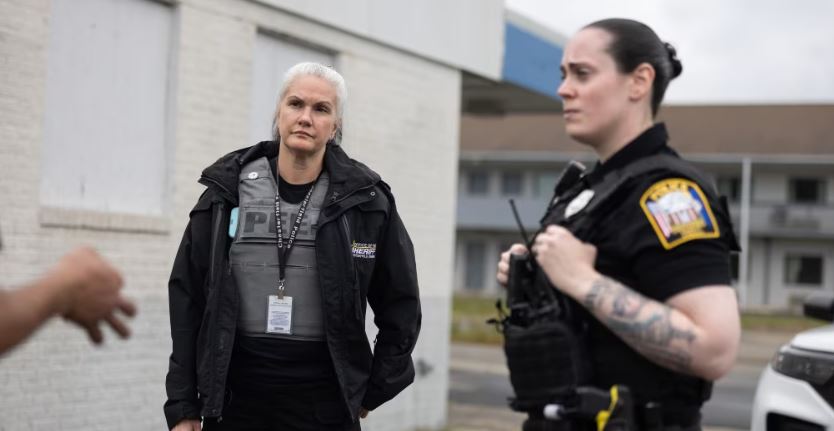
CHESTERFIELD COUNTY, Va.—When Officer Chelsea Johnston came across a wanted felon one evening in May, Johnston jerked her cruiser in front of him, sprinted after him and tackled him to the ground. Still catching her breath, Johnston motioned for someone to step out of the cruiser: Joy Bogese. Thank God,” the man said. “It’s you.” Bogese, who served time for financial crimes that fed a heroin addiction, now spends many of her evenings in a police cruiser as a recovery specialist helping people with addiction get into treatment. The man asked Bogese to help him get into a drug-treatment program at the local jail, where Bogese occasionally facilitates groups. She is part of a growing effort in Chesterfield County’s fight against addiction. In this county of nearly 400,000, overdose deaths have dropped by half in a single year—about double the decline of the rest of the country—to levels seen before the crisis began in 2015. Read more here.
| |
Kids Are in Crisis. Could Chatbot Therapy Help?
Ashland, Ohio, is a small rural city where Akron Children’s Hospital has one of its 46 pediatric clinics. Last winter, I met Kristin Seveigny, the clinic’s mental-health therapist, in her office there. The hospital hired her two years earlier, at a time when the pandemic had exacerbated a nationwide crisis in adolescent mental health. From 2007 to 2021, according to the Centers for Disease Control and Prevention, suicide deaths among 10-to-24-year-olds increased more than 60 percent. In 2023, the agency reported that 40 percent of high schoolers felt persistently sad or hopeless; one in five had serious thoughts of suicide, and one in 10 had attempted it. Currently, the agency estimates that nearly one in five children in the United States ages 3 to 17 has at some point been diagnosed with a mental- or behavioral-health condition. Among adolescents, one in five reports having unmet health care needs. The situation in Ashland mirrors those trends. The practice conducts 6,000 wellness checkups a year, each lasting 15 to 40 minutes. Read more here.
| |
SAMHSA Statement on 988 Press 3 Option
On July 17, the 988 Suicide & Crisis Lifeline will no longer silo LGB+ youth services, also known as the “Press 3 option,” to focus on serving all help seekers, including those previously served through the Press 3 option. The Press 3 option was established as a pilot program in Fiscal Year 2022 under a government agreement with a third party. The Fiscal Year 2023 Omnibus included a Congressional directive for $29.7 million to fund the specialized services. Federal funding in FY24 for the Press 3 services increased to $33 million. As of June 2025, more than $33 million in funds have been spent to support the subnetworks, fully expending the monies allocated for 988 Lifeline LGB+ subnetwork services. Everyone who contacts the 988 Lifeline will continue to receive access to skilled, caring, culturally competent crisis counselors who can help with suicidal, substance misuse, or mental health crises, or any other kind of emotional distress. Anyone who calls the Lifeline will continue to receive compassion and help.
Related: The Loss of a Vital LGBTQ+ Suicide Prevention Resource: In Conversation With AFSP’s Christine Yu Moutier, MD
| |
New Podcast & Toolkit from the NYS Justice Center Focuses on Abuse Prevention
The NYS Justice Center has launched a new podcast, Could This Happen In Your Program?, offering real-world insights and best practices to help prevent abuse and neglect. The podcast features lessons learned from a decade of investigations, training, and collaboration across service systems. To complement the series, the Justice Center also released a new prevention toolkit with case studies on 37 topics, including health and safety, boundaries, outing planning, and incident response. Both the podcast and toolkit are designed for providers, advocates, families, and anyone working to support vulnerable New Yorkers. Read more here.
| |
Payment Innovation, Patient Severity, Medicaid Cuts Drive Changes in Addiction Treatment
The experience of the addiction treatment industry in the five years since the onset of the COVID-19 pandemic illustrates the resilience of the industry. The industry is best defined by its ability to adapt to a constantly changing environment. COVID changed so much in American society and the economy nearly overnight; the addiction industry, in particular, has seen significant shifts in technology use, an increase in the acuity of its patient population, and faced down inflation and payer retrenchment on rates. “There were disruptors before COVID, there’ll be disruptors after COVID,” John Driscoll, CEO of the addiction treatment nonprofit Caron Treatment Centers said. “It’s important for us to understand what we need to do to continue to advance the science of treatment and help people move from active addiction to active recovery.” Read more here.
Related: New Study: Medicaid Open Access to Antipsychotics Linked to Lower Costs & Hospitalizations for Serious Mental Illness
| |
OASAS Podcast Explores Youth Substance Use Prevention with Stanford’s REACH Lab
When addiction prevention meets teens where they are - by addressing environmental concerns, social media targeting, and real-life stressors - they listen. Discover how OASAS and Stanford's REACH Lab are transforming youth substance use prevention in classrooms and communities across New York State. Tune in to OASAS' latest podcast, "The REACH Lab and OASAS: Partners in Youth Substance Prevention," on the OASAS website here.
| |
Health Plans Take Action to Simplify Prior Authorization
WASHINGTON, D.C. – Health insurance plans on Monday announced a series of commitments to streamline, simplify and reduce prior authorization – a critical safeguard to ensure their members’ care is safe, effective, evidence-based and affordable. Building on health plans’ existing efforts, these new actions are focused on connecting patients more quickly to the care they need while minimizing administrative burdens on providers. These commitments are being implemented across insurance markets, including for those with Commercial coverage, Medicare Advantage and Medicaid managed care consistent with state and federal regulations, and will benefit 257 million Americans. For patients, these commitments will result in faster, more direct access to appropriate treatments and medical services with fewer challenges navigating the health system. For providers, these commitments will streamline prior authorization workflows, allowing for a more efficient and transparent process overall, while ensuring evidence-based care for their patients. Read more here.
| |
New Gun Violence Report from Johns Hopkins
The Johns Hopkins Center for Gun Violence Solutions has released its latest annual report on U.S. gun deaths. The data highlights persistently high rates of firearm-related deaths in 2022 and 2023, including record-high suicides and ongoing racial disparities. Firearms remain the leading cause of death for children and teens in the U.S. Read the full report here.
| |
Hive Mind: The Surprising Mental Health Benefits of Beekeeping
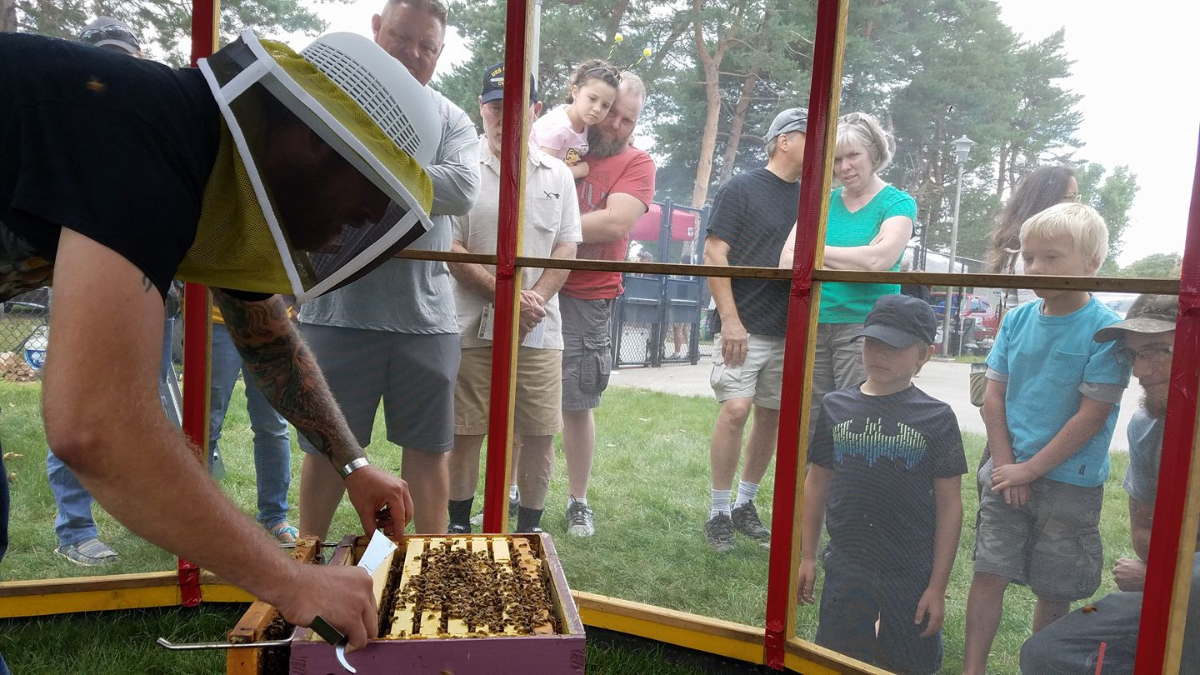
Tucked away in the shaded corner of a community garden in New Haven, Connecticut, a beehive awaits. Seven teenagers are here to check on their beehive’s health, but before they do, they need to prepare themselves for the moment. Gathered beneath a bountiful oak tree, they pull on their bee suits – pink and white and pale green – and don protective gloves and face coverings to avoid any risk of a sting. They bathe in the fog that spills out from a handheld smoker filled with burning white pine needles. It will mask any pheromones the bees emit and keep them calm during the inspection. The teens take a breath, steady their nerves, and approach the hive. These are beekeepers-in-residence with the Huneebee Project, a nonprofit that offers youth beekeeping training in a therapeutic context, focused primarily on those with experience in the foster care system. Since 2018, the organization has graduated 11 cohorts from its 15-week program, which helps teens develop job skills and build community — with humans and insects alike — while tending to a hive. Read more here.
| | |
UPCOMING EVENTS & TRAININGS
An Orientation to Wellness Action Recovery Plans (WRAP): Achieving a Self-Directed Life Through a Proven Daily Wellness Strategy
June 26, 4 - 5 pm, NAMI
Blueprint for a National Prevention Infrastructure for Behavioral Health Disorders: Report Dissemination Workshop
June 27, 10 am - 5 pm, NASEM
Treatment and Recovery for Adolescents with Opioid Use Disorder
June 27, 12:30 - 2 pm, NAADAC
The Urgency of Addressing Maternal Mental Health: Key Approaches for Healing
June 27, 1:30 - 3 pm, National Council for Mental Wellbeing
Practical Strategies to Expand the Rural Behavioral Health Workforce
June 30, 10 - 11:30 am, NCROTAC
Peer Support for SMI During Care Transitions
June 30, 1 - 2 pm, SMI TTAC
Co-Occurring Substance Use Disorders and PTSD
July 1, 2 - 3:30 pm Great Lakes ROTA-RC
Cultivating the Village: A Discussion on Suicide Prevention with Youth of Color
July 9, 12 - 1 pm, W Forefront Suicide Prevention
Next Steps for Cultural Responsiveness in Ethical Decision-Making
July 9, 12 - 1:30 pm, NAADAC
Re-entry Rethought: How Medicaid Can Strengthen Reentry and Reduce Recidivism
July 9, 2 - 3 pm, NAMI
Peer Connections Office Hours - Navigating Difficult Conversations
July 14, 2 - 3 pm, National Council for Mental Wellbeing
Intersections of Methamphetamine-Induced Psychosis and Schizophrenia Spectrum Disorders
July 14, 2 - 3 pm, National Council for Mental Wellbeing
Schools on the Frontline: Early Identification, Intervention, and Support
July 14, 2:30 - 4 pm, National Council for Mental Wellbeing
AI for Good? Expanding Our Understanding of Opinion Leaders in A Changing Digital Landscape
July 15, 12 - 1 pm, NYSPHA
Medicaid Innovation in Improving Access to Behavioral Health Care
July 15, 1 - 2:15 pm, Center for Health Care Strategies
DSM-5 TR and Substance Use Disorders
July 15, 1 - 3 pm, Great Lakes ATTC
Neurobiology and Recovery: Addressing Nicotine Use Among Individuals with Serious Mental Illness
July 15, 3 - 4 pm, UCSF
Preventing Substance Use Among Young Adults with Disabilities
July 16, 12 - 1:15 pm, Great Lakes ROTA-RC
NAMI Virtual Town Hall: Three Years of 988 and Reimagining Crisis
July 16, 3 - 4:30 pm, NAMI
Injuries of Unknown Origin (Virtual)
July 17, 11 am - 12 pm, NYS Justice Center
Patient Treatment Preferences in Bipolar-I Disorder: Are We Really Listening?
July 23, 12 - 1 pm, PsychU
Breaking the Cycle: Interrupting Intergenerational Trauma in Substance Use Disorders
July 23, 12 - 1:30 pm, NAADAC
The Impact Of Adherence In Patients With Bipolar I Disorder
July 24, 12 - 1 pm, PsychU
Aging and Addiction: Clinical Strategies for Supporting Older Adults with OUD and SUDs
July 30, 12:30 - 2 pm, NAADAC
How Humor Helps: Applying Humor With Stress
July 31, 11 am - 12:15 pm, Great Lakes ROTA-RC
Crisis Intervention Teams: Partnering with Families of Loved Ones with Serious Mental Illness and Serious Emotional Disturbance
August 6, 2 - 3 pm, SAMHSA
From Crisis to Care: How CCBHCs are Revolutionizing MOUD Access
August 14, 3:30 - 4:30 pm, National Council for Mental Wellbeing
Peer Connections Office Hours - Co-Instruction Best Practices
August 18, 2 - 3 pm, National Council for Mental Wellbeing
Substance Use and Psychiatric Care: Bridging the Divide for Whole-Person Treatment
August 18, 2:30 - 4 pm, National Council for Mental Wellbeing
Suicide and Substance Use Disorders: A Current Epidemic
August 20, 12 - 1:30 pm, NAADAC
Toward Whole-Person Care: Integrated Substance Use and Primary Care Integration
September 8, 2:30 - 4 pm, National Council for Mental Wellbeing
Mental Health Awareness: Shedding Light on the Interplay between Suicide & Stigma
September 10, 12 - 1 pm, PsychU
| |
CLMHD CALENDAR
JULY
CLMHD Executive Committee Meeting
July 2: 8 - 9 am
LGU Clinic Operators Call
July 8: 10 - 11:30 am
Addiction Services & Supports (ASR) Committee Meeting
July 10: 11 am - 12 pm
Mental Health Committee Meeting
July 10: 3 - 4 pm
Children & Families Committee Meeting
July 15: 11:30 am - 1 pm
Membership Call
July 16: 9 - 10:30 am
Mental Hygiene Planning Committee Meeting
June 26: 1 - 3 pm
| |