|
New York State Department of Health Releases Report on Sexual Orientation and Gender Identity
The New York State Department of Health on Tuesday released a new Behavioral Risk Factor Surveillance System (BRFSS) brief providing insight into the sexual orientation and gender identity of New Yorkers. The report provides important information that allows the State to better understand Lesbian, Gay, Bisexual, Transgender and Queer or Questioning, Intersex and Asexual (LGBTQIA+) communities, their health needs and the health disparities historically faced by these groups. "Gender identity and sexual orientation are inherent to and deeply personal aspects of an individual's overall sense of self and identity. This telephone survey of adult New Yorkers provides us with important insights and a better understanding of the health needs and health disparities historically faced by Lesbian, Gay, Bisexual, Transgender and Queer or Questioning, Intersex and Asexual (LGBTQIA+) community members," State Health Commissioner Dr. James McDonald said. Read more here.
| |
Governor Hochul Announces New Regulations Now in Effect to Help New Yorkers Access Behavioral Health Treatment
Governor Kathy Hochul on Tuesday announced that new network adequacy regulations give New Yorkers with qualifying health insurance plans access to an initial outpatient appointment for behavioral health care within 10 business days of the request. These new consumer protections also require these plans to post up-to-date and accurate lists of in-network providers on their websites, which will help to eliminate inaccurate or misleading directories. As of July 1, New Yorkers covered by Medicaid Managed Care, Child Health Plus, and the Essential Plan are entitled to these important consumer protections for appointment wait times. For New Yorkers covered by commercial health insurance plans, these wait time standards will take effect on a rolling basis as their policies are renewed, modified, or purchased on and after July 1. Read more here.
| |
The Forces Finally Driving Down Deaths from Overdose
Kari Herbert was working at a residential treatment program in California when she met a patient whose situation struck her as devastating, despite her long experience confronting the human costs of the opioid epidemic. “She was young, she was beautiful, she was strung out,” Herbert says. “And she was pregnant.” Two lives were at risk. If the patient did manage to give birth, her baby would battle withdrawal symptoms making it hard to eat, sleep or gain weight. The mom was ashamed but was open to help. Luckily, Herbert had a fresh weapon to bring to this fight. Her program had begun using buprenorphine, a drug that can help opioid users overcome their cravings. The young woman responded so well that the baby didn’t require neonatal intensive care. (This was a first, Herbert says.) The mother was able to breastfeed. She escaped the trauma of losing custody. Following her recovery, she became a counselor, drawing on her experience to help other pregnant women face their drug problems. Read more here.
Related: System Dynamics Modeling in Support of Community-Based Decision-Making to Reduce Opioid Overdose Fatalities
| |
Governor Hochul Announces Record-Level Investment in Victim Assistance Programs Across New York State
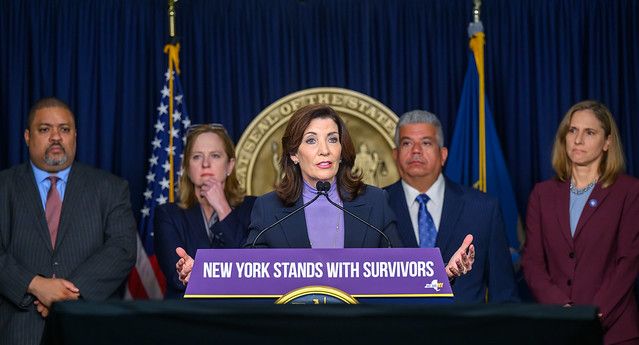
Governor Kathy Hochul on Monday announced a record investment of nearly $379.5 million in federal and State funding over three years to support programs and services for victims and survivors of crime and their families. This is the largest funding allocation ever administered by the State Office of Victim Services and is supported by $100 million in State funding secured by Governor Hochul to offset reductions in federal aid. OVS awarded grants to 230 nonprofit organizations, hospitals and government agencies to support victim assistance programs offering crisis counseling, therapy, emergency shelter, civil legal assistance, case management, advocacy and more across New York State. Available at no cost, these critical programs assist victims and survivors in the immediate aftermath of crime and for as long as they need help to heal and thrive. Read more here.
| |
Who Will Fill the 988 Hotline Gap for LGBTQ+ Youth?
The Trump administration recently directed the national suicide prevention hotline, 988 National Suicide & Crisis Lifeline, to end its specialized support for LGBTQ+ callers, saying they can use the general services instead. After July 17, youth and young adult callers will no longer have the option to "Press 3" or text "PRIDE" to be connected with counselors who offer tailored support as part of the hotline's LGBTQ+ Youth Specialized services program. This change will eliminate a critical LGBTQ+ support service from the crisis line -- ending life-saving services for the country's LGBTQ+ young people who rely on it. This is no small population: a report by The Trevor Project found that 39% of LGBTQ+ young people seriously considered suicide in the past year, and 12% attempted suicide. In fact, LGBTQ+ young people are more than four times as likely to attempt suicide than their peers. Since the specialized hotline was started in 2022, there have been over 1.3 million contacts (calls, texts, and chats) made. Read more here.
Related: Three years in, research shows regional, personal differences in use of 988 lifeline
| |
Proposed Federal Cuts Put Rural Behavioral Health Resources on the Line
Ten years ago, Nancy Winmill’s son survived an opioid overdose. In her search for support, she found almost nothing available in her Burley, Idaho community. “I had no idea what to do or where to go. I had no help. I had no resources,” Winmill said. That experience pushed her to create what was missing: support groups, counseling, and eventually Simply Hope Family Outreach—a nonprofit for families struggling with addiction, codependency, divorce, grief, and suicide for rural southern Idaho. The organization has rapidly expanded due, in part, to funding from the Substance Abuse and Mental Health Services Administration (SAMHSA) under the Building Communities of Recovery Grant (BCOR). “For rural communities like ours in Cassia and Minidoka counties, where access to behavioral health and recovery services is already limited, this grant has been nothing short of transformational,” Winmill said. But now, the grant that helped build this community lifeline is on the chopping block. Read more here.
| |
PBS Documentary Explores Transition To Adulthood For Young People With Disabilities
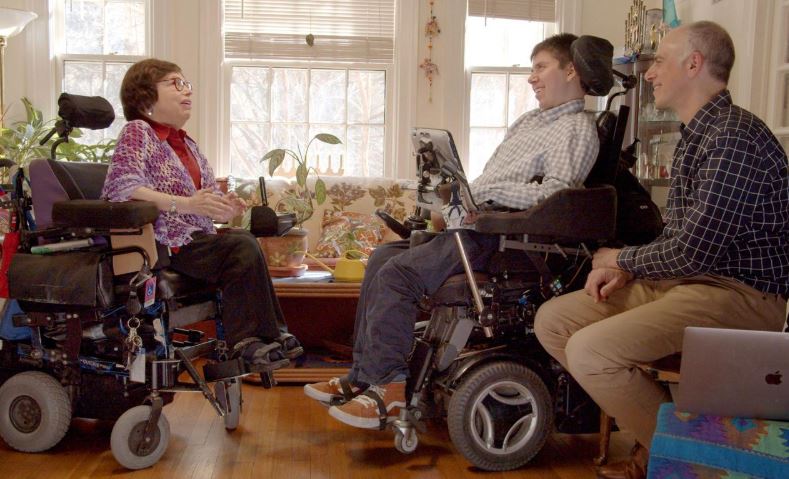
For individuals with disabilities, the road to becoming an independent adult can be especially challenging. A new film finds one man on the cusp of this transition seeking advice from notable disability activists. “The Ride Ahead” will premiere this month on PBS. The documentary features Samuel Habib, who has a rare genetic disorder, navigating his early 20s. “I was in general education classes all the way through school, and I had a lot of friends and was part of clubs and sports. But things felt confusing after I graduated,” Samuel Habib said. “But no one tells you how to be an adult, let alone an adult with a disability.” Read more here.
| |
States Scramble to Shield Hospitals from GOP Medicaid Cuts
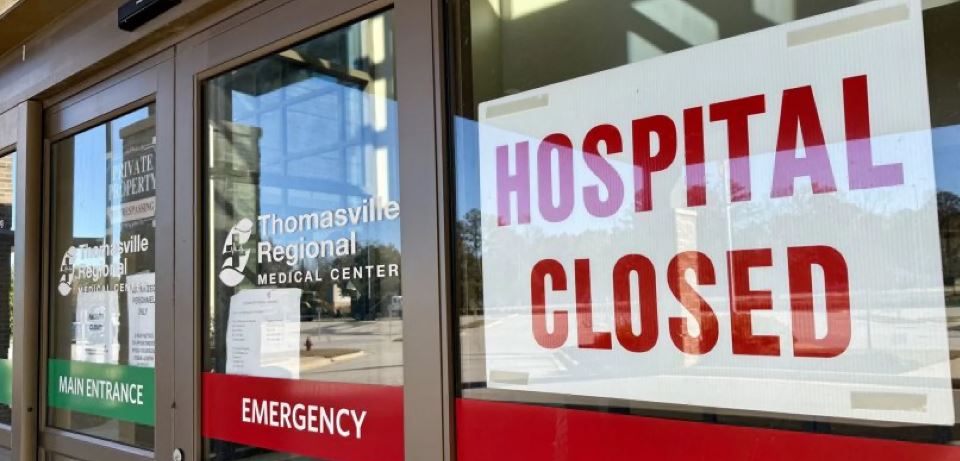
The giant tax and spending bill signed into law over the weekend includes the biggest health care spending cuts in U.S. history. In response, states are scrambling to shield their hospitals from the looming loss of hundreds of millions in federal funding. In Georgia, a key state panel late last month took steps to send more state Medicaid money to hospitals, hoping to maximize federal matching dollars before the cuts take effect. Other states are considering new grant programs that would funnel additional money to rural hospitals. Some state legislatures likely will reconvene to discuss how to fill holes in their Medicaid budgets. The tax and spending bill cuts more than $1 trillion from Medicaid, the public health insurance program for people with low incomes that’s jointly funded by states and the federal government. Under the measure, payments to hospitals or nursing facilities would probably decrease in at least 29 states, according to an analysis by KFF, a nonprofit health policy group. Read more here.
| |
Despite Progress, OTPs Still Show a Disconnect in MOUD Access
Less than half of opioid treatment programs (OTPs) throughout the U.S. offer the full range of FDA-approved medications for opioid use disorder (MOUD). Only 45% of all OTPs provide methadone, buprenorphine and naltrexone access – which is up from 33% in 2017, according to a new study. Although access to all three MOUDs has risen, the newly published data underscores significant barriers to the broader expansion of their use and availability. OTPs that offer all three medications were more likely to accept Medicare, be nonprofit or government-operated and also provide integrated services, such as peer support, telemedicine and MOUD education, researchers found. This is noteworthy because Medicare only began paying for care at OTPs in 2020 using weekly bundled payments. Read more here.
| |
New Generation of Workers Revitalizes Addiction Treatment Services
The retirement trend dominating employment conversations may be taking a turn – at least for the addiction treatment industry, where longtime professionals are noticing renewed attention from the younger side of the workforce. The growing demand for addiction treatment services is still swept up in the behavioral health industry’s ongoing workforce woes, where elevated needs are outpacing the number of professionals to meet them. However, the de-stigmatization of substance use disorders (SUDs) and more professionalization of this sector are two key aspects driving interest from the younger generation. This could help fuel the SUD workforce and change the workforce trajectory. Read more here.
| |
Locked Guns Tied to Lower Firearm Suicide Risk Among Teens
The odds of dying by firearm suicide were substantially lower for teens ages 15 to 20, but not for adults, when all firearms at home were locked, a case-control study showed. In a study of 725 individuals who died by suicide, 83.6% died by firearms. Adults who died by firearm suicide were no more likely than those who died by other suicide methods to have lived in a home with locked firearms (OR 1.15, 95% CI 0.67-1.95) or unloaded firearms (OR 0.78, 95% CI 0.44-1.36), said Matthew Miller, MD, MPH, of Northeastern University in Boston, and colleagues. For locked firearms, ORs were 1.29 for men and 0.58 for women. For unloaded firearms, ORs were 0.80 for men and 0.61 for women. Of decedents ages 15 to 20 years -- classified as adolescents in this study -- 26 of 43 (60.3%) who died by firearm suicide had lived in a home with unlocked firearms, but none of the seven adolescents who died by non-firearm suicide did, the researchers reported in JAMA Network Open. Read more here.
| | |
UPCOMING EVENTS & TRAININGS
Social Care Networks: Opportunities for Provider Participation and Impact
July 14, 11 am - 12 pm, NYS DOH
Peer Connections Office Hours - Navigating Difficult Conversations
July 14, 2 - 3 pm, National Council for Mental Wellbeing
Intersections of Methamphetamine-Induced Psychosis and Schizophrenia Spectrum Disorders
July 14, 2 - 3 pm, National Council for Mental Wellbeing
Schools on the Frontline: Early Identification, Intervention, and Support
July 14, 2:30 - 4 pm, National Council for Mental Wellbeing
Strategies to Prevent Substance Use Among Youth in Rural Areas
July 15, 10 - 11:30 am, NCROTAC
AI for Good? Expanding Our Understanding of Opinion Leaders in A Changing Digital Landscape
July 15, 12 - 1 pm, NYSPHA
Medicaid Innovation in Improving Access to Behavioral Health Care
July 15, 1 - 2:15 pm, Center for Health Care Strategies
DSM-5 TR and Substance Use Disorders
July 15, 1 - 3 pm, Great Lakes ATTC
Beyond the Stages: Affirming and Supporting Grief in Youth and Families
July 15, 1:30 - 3 pm, NTTAC
Extreme Risk Protection Orders: An Implementation Introspection
July 15, 2 - 3 pm, Rockefeller Institute of Government
Neurobiology and Recovery: Addressing Nicotine Use Among Individuals with Serious Mental Illness
July 15, 3 - 4 pm, UCSF
Behavioral Pharmacology of Cannabis: Trends in Use, Novel Products, and Impact
July 15, 3 - 4:30 pm, SAMHSA
Preventing Substance Use Among Young Adults with Disabilities
July 16, 12 - 1:15 pm, Great Lakes ROTA-RC
Virtual Town Hall: Three Years of 988 and Reimagining Crisis
July 16, 3 - 4:30 pm, NAMI
Injuries of Unknown Origin (Virtual)
July 17, 11 am - 12 pm, NYS Justice Center
The Future of Reentry Programs and Policy
July 22, 2 - 3 pm, CSG Justice Center
Patient Treatment Preferences in Bipolar-I Disorder: Are We Really Listening?
July 23, 12 - 1 pm, PsychU
Breaking the Cycle: Interrupting Intergenerational Trauma in Substance Use Disorders
July 23, 12 - 1:30 pm, NAADAC
Improving Medicaid Crisis Response: Introduction to National Training and Technical Assistance Center (NTAC) and Shaping Future Technical Assistance Support
July 23, 2 - 3 pm, CMS
Integrating Behavioral Health and Primary Care in Rural Communities
July 24, 10 - 11:30 am, NCROTAC
Introduction to Service Program for Older People (SPOP)
July 24, 12 - 1 pm, NYSACHO
The Impact Of Adherence In Patients With Bipolar I Disorder
July 24, 12 - 1 pm, PsychU
Financing Models and Federal Resources for Enhancing and Sustaining Peer-Run and Recovery Organizations
July 24, 2 - 3 pm, SAMHSA
Law Enforcement and Public Health Collaboration
July 29, 12 - 1:30 pm, NCROTAC
Aging and Addiction: Clinical Strategies for Supporting Older Adults with OUD and SUDs
July 30, 12:30 - 2 pm, NAADAC
How Humor Helps: Applying Humor With Stress
July 31, 11 am - 12:15 pm, Great Lakes ROTA-RC
Employment Supports: Advancing Opportunities for Recovery
July 31, 2 - 3 pm, SAMHSA
Crisis Intervention Teams: Partnering with Families of Loved Ones with Serious Mental Illness and Serious Emotional Disturbance
August 6, 2 - 3 pm, SAMHSA
Intergenerational Family Substance Misuse & Recovery
August 7, 2 - 3 pm, SAMHSA
From Crisis to Care: A Case Study of How a CCBHC is Revolutionizing MOUD Access
August 14, 3:30 - 4:30 pm, PCSS
Stepping Up for Youth: Improving Behavioral Health Outcomes in the Juvenile Justice System
August 14, 2 - 3 pm, CSG Justice Center
The Science of Addiction and Recovery—A Father’s Perspective
August 14, 2 - 3 pm, SAMHSA
From Crisis to Care: How CCBHCs are Revolutionizing MOUD Access
August 14, 3:30 - 4:30 pm, National Council for Mental Wellbeing
Peer Connections Office Hours - Co-Instruction Best Practices
August 18, 2 - 3 pm, National Council for Mental Wellbeing
Substance Use and Psychiatric Care: Bridging the Divide for Whole-Person Treatment
August 18, 2:30 - 4 pm, National Council for Mental Wellbeing
Suicide and Substance Use Disorders: A Current Epidemic
August 20, 12 - 1:30 pm, NAADAC
Toward Whole-Person Care: Integrated Substance Use and Primary Care Integration
September 8, 2:30 - 4 pm, National Council for Mental Wellbeing
Mental Health Awareness: Shedding Light on the Interplay between Suicide & Stigma
September 10, 12 - 1 pm, PsychU
| |
CLMHD CALENDAR
JULY
Addiction Services & Supports (ASR) Committee Meeting
July 10: 11 am - 12 pm
Mental Health Committee Meeting
July 10: 3 - 4 pm
Children & Families Committee Meeting
July 15: 11:30 am - 1 pm
Membership Call
July 16: 9 - 10:30 am
Mental Hygiene Planning Committee Meeting
July 26: 1 - 3 pm
AUGUST
Quarterly LGU Billing Staff Call
August 5: 11 am - 12 pm
CLMHD Executive Committee Meeting
August 6: 8 - 9 am
LGU Clinic Operators Call
August 12: 10 - 11:30 am
Addiction Services & Supports (ASR) Committee Meeting
August 14: 11 am - 12 pm
Mental Health Committee Meeting
August 14: 3 - 4 pm
Children & Families Committee Meeting
August 19: 11:30 am - 1 pm
Membership Call
August 20: 9 - 10:30 am
Developmental Disabilities Committee Meeting
August 21: 1 - 2 pm
| |