|
Governor Kathy Hochul’s 2026 State of the State: Your Family. Your Future. My Fight.
Governor Kathy Hochul today delivered her 2026 State of the State address, outlining more than 200 initiatives to make life more affordable, keep New Yorkers safe, and expand opportunity. The Governor's proposal lays out a clear, actionable plan to meet the challenges families face today, while preparing New York for the road ahead. The Governor provides a path to universal child care, to lowering energy bills, protecting consumers, and confronting the rising costs that hit working families hardest. The plan continues to invest in public safety with strategies that work—including targeted enforcement, cutting-edge technology, and a mental health system that treats people with dignity while keeping communities secure. Read more here.
Governor Hochul Unveils Proposals Building on Her Nation-Leading Commitment to Protect the Wellbeing of New York’s Youth
Keeping New Yorkers Safe: Governor Hochul Unveils Plan to Strengthen Public Safety and Make Our Streets and Subways Safer
Governor Hochul Unveils Proposals to Strengthen Support Systems and Make New York More Inclusive
Related: 2026 State of the State County Impact Report
| |
H.H.S. Reverses Decision to Cut $2 Billion for Mental Health and Addiction Services
Less than 24 hours after the Trump administration informed more than 2,000 addiction and mental health programs nationwide that it was immediately terminating almost $2 billion of their funding, the administration reversed course and reinstated the money. An administration official confirmed Wednesday night that the money was being restored, but declined to say why. The decision followed furious lobbying by lawmakers from both parties to restore the cuts and a letter to the health secretary, Robert F. Kennedy Jr., with signatures from 100 House members.
“These are cuts he should not have issued in the first place,” Representative Rosa DeLauro of Connecticut, the top Democrat on the House Appropriations Committee, said in a statement after reports of the reversal. “This episode has only created uncertainty and confusion for families and health care providers.” she added. “I hope this reversal serves as a lesson learned. Congress holds the power of the purse, and the Secretary must follow the law.” On Tuesday, the Substance Abuse and Mental Health Services Administration, which Mr. Kennedy oversees, had sent a form letter to the programs about the cuts. Read more here.
| |
Attorney General James Sues Trump Administration to Protect Billions of Dollars for Childcare and Support for Vulnerable Families
New York Attorney General Letitia James on January 8 led a coalition of four other attorneys general in suing the Trump administration to stop the illegal withholding of over $10 billion in critical funds to their states that help ensure low-income families can afford childcare, housing, food, and more. On January 5 and 6, the administration sent letters to New York, California, Colorado, Illinois, and Minnesota announcing that the Administration for Children and Families (ACF) was freezing funding for three critical programs: the Child Care and Development Fund (CCDF); Temporary Assistance for Needy Families (TANF); and the Social Services Block Grant (SSBG). Attorney General James and the coalition argue that freezing these funds will immediately jeopardize some of the most important anti-poverty programs in the states, putting vulnerable families at risk. Attorney General James and the coalition are seeking a court order declaring the funding freeze unlawful and preventing the administration from implementing it. Read more here.
Related: Counties Call for Restoration of Frozen Federal Funds
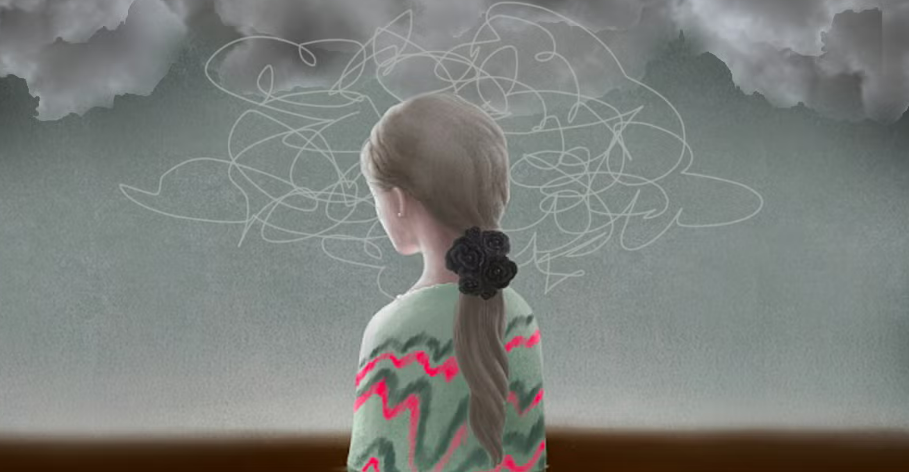
How Federal Cuts Are Dismantling Children’s Behavioral Health Systems
| |
Governor Hochul Announces $68 Million Awarded to Assist Nearly 1,300 Households Across New York
Governor Kathy Hochul announced New York is investing more than $68 million to assist nearly 1,300 low-to-moderate income households across the state. The grants awarded through New York State Homes and Community Renewal (HCR) provide individuals and families, including older adults and veterans, financial support to make accessibility upgrades, complete emergency repairs, replace manufactured homes, and receive rental assistance, as well as down payment assistance when purchasing a first home. Today’s announcement is part of Governor Hochul’s $25 billion comprehensive Housing Plan which is on track to create and preserve 100,000 affordable homes statewide. Read more here.
| |
Dutchess County Commissioner Jean-Marie Niebuhr Interviewed on The Capitol Pressroom
Dutchess County Mental Health Commissioner Jean-Marie Niebuhr appeared on The Capitol Pressroom this week to discuss the role of the 9-8-8 crisis hotline in supporting individuals experiencing mental health crises. The segment highlights ongoing gaps in public awareness of 9-8-8 across parts of New York State and underscores the importance of continued outreach to ensure people know how to access timely help. Listen to the interview here.
Related: 988 & 911: Strengthening Crisis Response While Managing Risk and Liability
| |
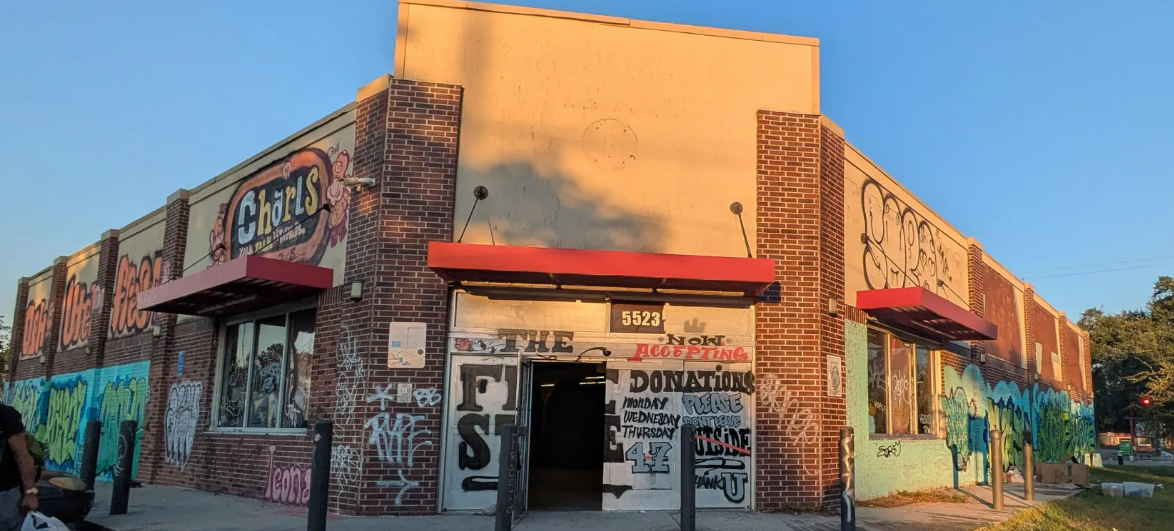
Thrift Store. Clinic. Roller Rink. Center Becomes ‘Radical’ Lifeline Amid Homelessness, Drug Crises.
NEW ORLEANS — From the outside, the abandoned Family Dollar store in the Lower 9th Ward looks intimidating. It’s covered in graffiti, with aluminum cans and trash dotting the parking lot. It sits on a street with other empty lots and decayed buildings — symbols of the lasting devastation this neighborhood, one of the city’s poorest, has endured since Hurricane Katrina.
But inside, the store is a welcoming oasis. Twinkly string lights adorn racks of donated clothing. Shelves and bins overflow with children’s books, allergy medications, and toiletries. Curtains cordon off one side of the room, where there’s a stage for musicians and a neon sign depicting roller skates for weekly free skate nights. The space is part free thrift store, part over-the-counter pharmacy, part punk show venue — and wholly “a radical community center,” said Dan Bingler, who runs the place. Read more here.
| |
25 Reentry Wins in 2025: How States Are Removing Barriers to Reentry Success
Last year tested the resilience of reentry systems nationwide. Amid budget cuts, staffing shortages, and growing service demands, partners across the 7 states in our Reentry 2030 initiative - including New York - stayed focused on whole-of-government solutions that reduce barriers to reentry success for people leaving incarceration. Their persistence and cross-system coordination turned a challenging year into one marked by meaningful wins and continued progress toward the vision that every person returning home from incarceration has access to the health care, treatment, housing, employment, and other essential supports they need to succeed. Here are 25 wins in 2025 that highlight collaboration, creativity, and innovation across the Reentry 2030 network. Read more here.
| |
To Reduce Therapist Burnout and Improve Care, Turn to Longitudinal Data
The mental health workforce is burning out, and it’s not from doing therapy. And despite increasing awareness of the issue, alarming data — such as the APA’s 2023 Practitioner Pulse Survey, which found that 36% of psychologists report feeling burnt out — remains stubbornly high. By now, healthcare leaders understand that mental health workers are at their limits. But what’s less universally understood is how the consequences of this crisis extend beyond clinician wellbeing, ultimately putting patient outcomes in jeopardy. Research published in JAMA Network Open found that patients treated by burned-out therapists achieved clinically meaningful improvement only 28.3% of the time, compared to 36.8% with non-burned-out therapists. Read more here.
| |
Physical Barriers at Jump Sites Prevent Suicides
From the time it opened in 1937 to 2024, a period of more than 85 years, the Golden Gate Bridge was the number one suicide site in the world. Confirmed suicides topped 2,000; the real number is likely higher, as other deaths were left unconfirmed—often because a body wasn’t recovered or it was recovered too far away to be connected with certainty to the bridge. In 2024, a marine-grade, stainless-steel net was installed under the bridge to prevent suicides. This was after public debate for decades over whether there should be any kind of physical suicide deterrent. Opponents voiced three main arguments:
- Installing a net or a taller railing would be expensive.
- It would spoil the beauty of the bridge.
It wouldn’t be effective because someone intent on suicide would just kill themselves another way. For advocates of a suicide barrier, it was relatively easy to dismiss the first two arguments. Yes, a physical barrier is expensive, but so too are lives lost. Read more here.
Related: We Need to Rethink Suicide Prevention, Starting Long Before Crisis
| |
How Hospitals Are Reengineering Pediatric Behavioral Health Care
In late 2025, pediatric behavioral health remains in the national conversation — but the focus has shifted. Where much of the past few years’ coverage described rising emergency department wait times and workforce shortages, recent reporting increasingly highlights innovative hospital-based solutions that are transforming how children and families access care. Across the nation, hospitals are moving beyond crisis response to redesign care systems, embedding behavioral health clinicians into pediatric clinics, forging partnerships with schools and community providers, and using telehealth to reach underserved populations. These approaches are driving earlier interventions, better outcomes, and more efficient use of health system capacity — offering real promise for an issue that affects millions of young people and their families and friends. Read more here.
| | |
Nominate a Champion for Children’s Mental Health in New York State
Do you know an individual, school, or organization making a real difference for children and families in your community? The planning committee for Children’s Mental Health Awareness Day is accepting nominations to recognize champions across New York State who are advancing children’s and youth mental health. Honorees will be recognized at the What’s Great in Our State (WGiOS) Children’s Mental Health Awareness Celebration on May 5, 2026, in Albany. Nominations are being accepted in six categories: Youth/Young Adult, Family/Caregiver, Lifetime, Systems of Care Community, Organization or Community Group, and School or School District. The nomination form includes brief descriptions of each category to help guide your submission. Access the nomination form here, and please note that the deadline to submit a nomination is February 6, 2026.
| |
UPCOMING EVENTS & TRAININGS
Carry the Message Toolkit
January 15, 2 - 2:30 pm, NCSACW
Supporting Wellness Through Supervision: Workforce Wellness Series
January 15, 2 - 3 pm, SAMHSA
Becoming a Mental Health First Aid (MHFA) Instructor
January 15, 2 - 3 pm, National Council for Mental Wellbeing
From Outreach to Shared Leadership: Expanding Collaborations with Young Adults with Lived Expertise
January 20, 2 - 3 pm, CIRC Center
How to Conduct a Quality Substance Use Evaluation
January 21, 12 - 1:30 pm, NAADAC
2026 Eligibility Must-Knows For Human Services
January 21, 1 - 2 pm, Netsmart
Fetal Alcohol Spectrum Disorder: Data, Systems, and Strategies for Change
January 21, 2 - 3 pm, NCSACW
Educator Café - School Mental Health & Resilience: An Action Guide
January 31, 3:30 - 4:30 pm, School Mental Health Resource Center
Transitional-Aged Youth (TAY) Services
January 22, 2 - 3 pm, National Council for Mental Wellbeing
CFRI Integrating SUD Prevention with Physical Health Care: Progress in States Webinar
January 28, 2 - 3 pm, SAMHSA/CFRI
Centering Families in Outpatient Treatment
January 29, 2 - 2:30 pm, NCSACW
Family Education Webinar - Supporting School Mental Health in 2026: A Conversation with the SMHRTCenter's New Director
January 29, 7 - 8 pm, SMHRTCenter
Data Management: Person-Directed Approaches and Perspectives
February 4, 1 - 2:30 pm, CSH
Introduction to Family Therapy with Adolescents
February 5, 12 - 2 pm, CTAC
Navigating Ethical Boundaries: Decision Making for Peer Support Specialists and Addiction Counselors
February 11, 12 - 1:30 pm, NAADAC
Ensuring People’s Rights, Choice, and Control in the Person-Centered Service Planning Process
February 11, 1:30 - 3 pm, CMS
Becoming a Mental Health First Aid (MHFA) Instructor
February 12, 2 - 3 pm, National Council for Mental Wellbeing
Toolkit for Trauma-Informed Care
February 12, 2 - 2:30 pm, NCSACW
Integration Under the Microscope: Proving Outcomes as Behavioral Health Enters a New Era of Accountability
February 17, 2 - 3 pm, Behavioral Health Business
Integrated Safety Planning (Suicide Safety Plans & Overdose Safety Plans)
February 19, 12:30 - 1:30 pm, Zero Overdose/Zero Suicide
Older Adults Behavioral Health Services
February 19, 2 - 3 pm, National Council for Mental Wellbeing
Process Addictions: Maladaptive Coping Across the Ages
February 25, 12 - 1:30 pm, NAADAC
Strengthening Helping Professionals: Ethics, Resilience, & Attachment-Informed Approaches
March 11, 12 - 1:30 pm, NAADAC
Means Reduction Counseling and Overdose Prevention Strategies
March 12, 12:30 - 1:30 pm, Zero Overdose/Zero Suicide
Understanding The Role of Toxic Shame in Substance Use Disorders
March 25, 12 - 1:30 pm, NAADAC
| |
CLMHD CALENDAR
JANUARY
Developmental Disabilities Committee Meeting
January 15: 1 - 2 pm
CLMHD Office Closed - Martin Luther King, Jr. Day
January 19
Children & Families Committee Meeting
January 20: 12 - 1:30 pm
Membership Call
January 21: 9 - 10:30 am
February
CLMHD Executive Committee Meeting
February 4: 8 - 9 am
Quarterly LGU Billing Staff Call
February 3: 11 am - 12 pm
LGU Clinic Operators Call
February 10: 10 - 11 am
Addiction Services & Supports (ASR) Committee Meeting
February 12: 11 am - 12 pm
Mental Health Committee Meeting
February 12: 3 - 4 pm
CLMHD Office Closed - Presidents Day
February 16
Children & Families Committee Meeting
February 17: 12 - 1:30 pm
Membership Call
February 18: 9 - 10:30 am
Developmental Disabilities Committee Meeting
February 19: 1 - 2 pm
| |