|
CMS Gives States Another 6 Months to Implement Medicaid Work Requirements
Passed last year as part of the One Big Beautiful Bill Act, states will need to verify starting Jan. 1 that its members have completed at least 80 hours per month of either paid employment, job training, education or community service to qualify for coverage. Some states have pushed back on the requirements, arguing that their IT systems aren’t equipped to handle the new eligibility checks and that they don’t have enough time or funding to get their systems up to snuff before the deadline. Some states have turned to the courts, including more than two dozen that sued the federal government to block work requirements entirely, arguing they go beyond the scope of the CMS’ authority. Federal judges haven’t opted to strike down the requirements, but they have chipped away at some guidance determining exceptions for medical frailty. Now, the CMS has told states they can delay implementation of the work requirements by offering a “hold harmless” option that would delay penalties for states. Read more here.
Related: Governor Hochul Takes Actions to Protect Medicaid Coverage for Nearly 2 Million New Yorkers
CMS CRUSH Proposed Rule Aims to Reap Nearly $90 Billion for Taxpayers in Savings by Targeting Fraud Across Medicare, Medicaid/CHIP, and the Marketplace
| |
‘A Hard Time’ as Federal Cuts Hobble Efforts To Stop Overdoses From Tainted Drugs
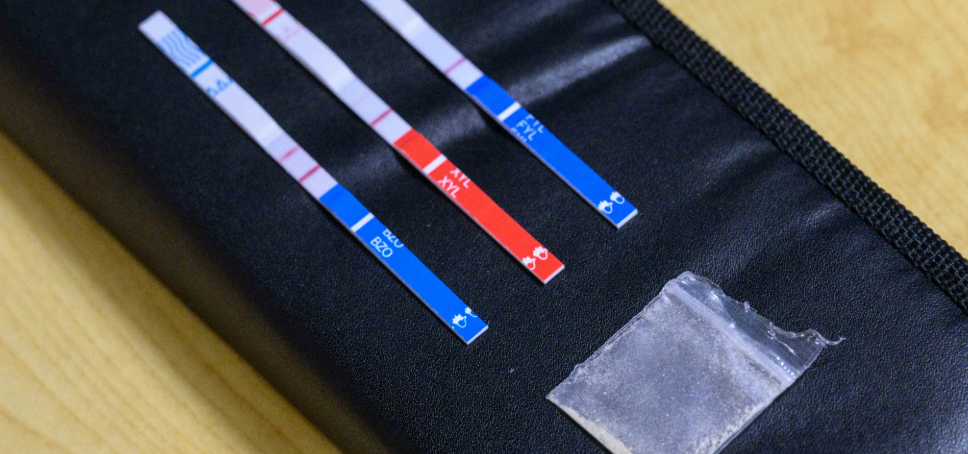
GREENVILLE, N.C. — When the federal funding ran dry, Diannee Carden Glenn’s options were few. Carden Glenn is the director of ekiM for Change, a volunteer-run public health organization that works to prevent overdoses in Greenville and surrounding rural communities. For much of the past decade, she relied on funding from the federal Substance Abuse and Mental Health Services Administration to buy drug test strips, used to check for contaminants in the street-drug supply. But in April, the federal agency sent out a “Dear Colleague” letter announcing that organizations like hers could no longer use its money to buy test strips for fentanyl, xylazine, medetomidine, or other substances that heighten the risk of overdose, particularly when the user is unaware of what they’re consuming. Read more here.
| |
Most People Haven't Heard of Kratom. What Is It, and Who's Using it?
Over the last few years, the kratom plant and supplements made from it have garnered increasing attention from public health leaders. This broad category of products, which largely skirts any regulation, has seen major surges in potency, while becoming omnipresent on smoke shop and gas station shelves. Health officials have warned that concentrated compounds like 7-hydroxymitragynine (7-OH) are an emerging public health threat, and federal policies to limit their availability are pending. In the meantime, multiple states and smaller localities have issued emergency bans on 7-OH, and in some cases, on all kratom products. Despite the messaging and rising use, few Americans are familiar with kratom or the newer derivative products. Read more here.
Related: Kratom and 7-OH can feel like 'a miracle.' They can also be addictive
Issues Local Governments Should Consider When Regulating Kratom
| |
How NY Communities Are Repurposing Vacant Properties to Fight Homelessness
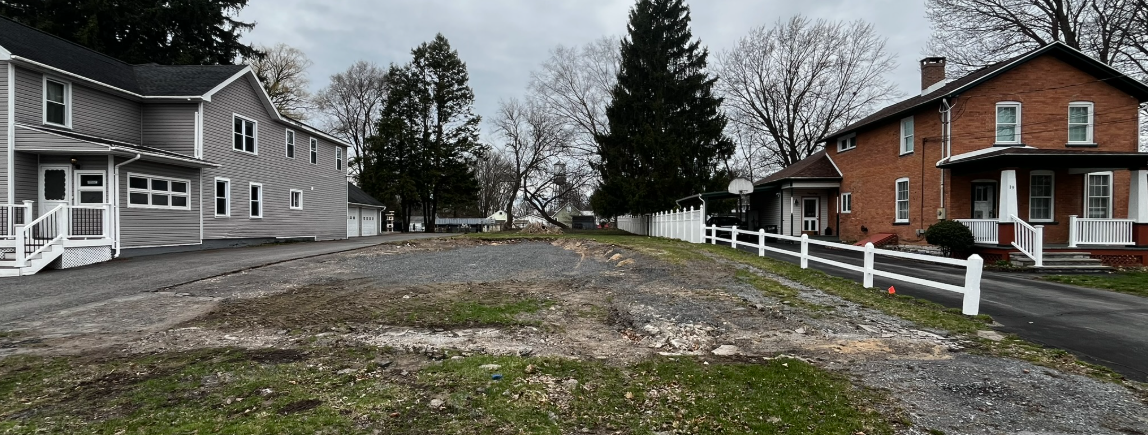
Early morning, on June 22, a fire ripped through the Knights Inn in Broome County, New York, tragically killing six occupants, including three children. These weren’t visitors passing through; 56 of the residents were placed at the motel by Broome County’s Department of Social Services. The hotel had a history of fire safety violations, although it had passed an inspection the year prior. Broome County is one of many counties in New York that have come to rely heavily on privately owned and operated hotels and motels to provide emergency housing, spurred on by a rise in homelessness across the state. But many of these hotels don’t meet fire or health safety standards. They are also a costly option that does not serve the area’s long-term housing needs. Broome County Executive Jason Garnar disclosed that the county spent $9.5 million last year placing homeless families in hotels. In 2018, that amount was less than $400,000. Read more here.
Related: Homeless New Yorkers’ healthcare costs plummeted after getting housed, study finds
Opioid Settlement Cash and Homelessness: It’s Not Always Clear How Addiction Fits In
| |
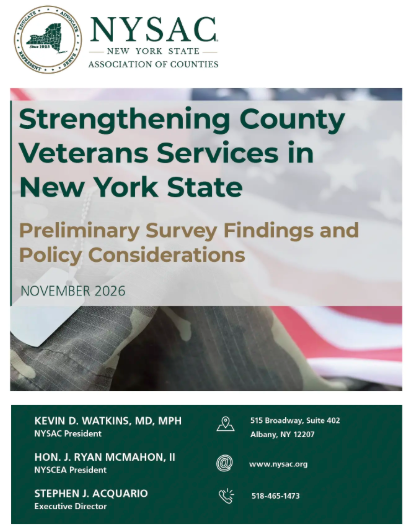
NYSAC Releases New Report on Strengthening County Veterans Services
On November 9, ahead of Veterans Day, NYSAC released a new report highlighting the critical role counties play in supporting veterans and identifying opportunities to strengthen services across New York State. Strengthening County Veterans Services in New York State: Preliminary Survey Findings and Policy Considerations is the first major product of NYSAC's newly established Presidential Task Force on Veterans Services and Support. Drawing on a survey of county veterans service officers and county leaders, the report examines challenges facing local veterans service agencies, including staffing shortages, funding constraints, and transportation barriers. It also highlights innovative county programs and outlines five state and federal policy priorities aimed at improving access to services. The release coincided with the sixth annual Operation Green Light for Veterans campaign, reinforcing NYSAC's commitment to turning recognition and appreciation into meaningful, year-round support for those who have served.
Related: Broader understanding of veteran deaths could improve suicide prevention & other supports
| |
Strengthening the Direct Care Workforce: Lessons from Three States
The direct care workforce includes paid frontline workers who provide critical assistance to older adults and people with disabilities. Representing more than five million workers nationwide, the direct care workforce is essential to helping people receive care and services in nursing homes, assisted living facilities, adult day centers, and in home- and community-based settings. Yet states across the country face significant direct care worker (DCW) shortages. Low wages, limited benefits, inconsistent work hours, and few opportunities for advancement contribute to high turnover and workforce instability. These challenges reduce access to home- and community-based services (HCBS), increase pressure on institutional care settings, and shift caregiving responsibilities to family members, all of which can limit people’s ability to live independently and age in place. Read more here.
| |
Caring Gene Trains 2,400 Upstate Healthcare Students As Tuition Program Nears End
New York’s Caring Gene program, which offers free tuition to healthcare students in exchange for a commitment to work in the state, is producing hundreds of new workers for critical roles across upstate New York — but the federally funded initiative is nearing its end. In less than two years, about 2,400 students have been trained or are being trained across the region through the Caring Gene program, all preparing to enter the healthcare field. So far, 125 students have graduated, with 600 more expected to graduate and enter the workforce by the end of this year. Kevin Kerwin, president and CEO of the Iroquois Healthcare Association, said the program’s progress is significant but not enough to solve ongoing staffing shortages. “The success is wonderful, but there’s more to be done,” Kerwin said. Read more here.
| |
Moving Beyond Parity: Recent State Approaches to Improving Access to Behavioral Health Providers
For many people seeking behavioral health care, the providers they need are out of reach – not because they don’t exist, but because they are outside their insurance plan’s network. A 2024 report found that out-of-network use of behavioral health services is several times higher than for other medical care, resulting in significantly greater financial burdens for patients. Consumers with private insurance who see an out-of-network provider often pay higher cost sharing and may be responsible for the difference between the provider’s bill and what the insurer pays — a practice known as balance billing. One study found that these balance-bill charges averaged $861 per year, with some patients facing bills as high as $1,684. These disparities in access and out-of-pocket costs have persisted alongside consistently lower in-network reimbursement rates for behavioral health providers. The data suggest that provider shortages alone do not fully explain these disparities. Read more here.
| | |
ALBANY: UAlbany Awarded $500,000 Federal Grant to Strengthen Suicide Prevention, Student Mental Health
BROOME: City of Binghamton Leads New Strategy To End Street Homelessness, Close Encampments
CATTARAUGUS: County’s shelter system served more than 600 adults, 68 children in first nine months of 2026
CAYUGA: Cayuga County diversion program receives $600,000 state award
CHAUTAUQUA: County may run its own homeless facilities
ERIE: After dropping clinician, Buffalo's Behavioral Health Team looks to reset
ERIE: Erie County collaborative provides updates on system-wide mental health crisis interventions
MONROE: Advocates see role for overdose prevention center
NASSAU: CN Guidance works to prevent suicide through screening, peer support and 24/7 crisis care
NYC: NYU Langone AI tool predicts PTSD risk from ER patient narratives: Study
NYC: New [NYU] Course Traces the Evolution of US Mental Health Policy, from Asylums to AI Therapists
NYC: Governor Hochul and Mayor Mamdani Announce Groundbreaking on Affordable and Supportive Housing and Community Facility in Astoria
NYC: Permanent Housing for Formerly Homeless New Yorkers Reduces Emergency Room Visits, Hospital Admissions, and Medicaid Costs, New Study Finds
ONEIDA: Local providers examine link between homelessness, mental health and addiction
ONONDAGA: Rescue Mission to open renovated resting center in 2027
ONONDAGA: Lisa Mancini named CEO of Helio Health
ORANGE: Orange County Crisis Call Center earns three-year national accreditation
PUTNAM: Putnam County’s harm reduction vending machine
SUFFOLK: William Floyd High Grows Career Program to 800 Students, Adds Mental Health Track
SULLIVAN: Experts say lack of infrastructure makes solving substance abuse a challenge in rural NY
WAYNE: Wayne County supervisors appoint new health director, Jennifer Rodriguez
WESTCHESTER: How Northwell built a front door to youth mental healthcare that isn’t the ED
| |
UPCOMING EVENTS & TRAININGS
Evolving a Trauma Responsive Environment to Support Workforce Wellness
November 20, 10 am - 12 pm, NCATTC
H.R.1-Related NYS Medicaid Updates, The Role of Assistors, and New PSYCKES Features
November 24, 12:30 - 2 pm, MCTAC
Self-Care & Wellness for ALL
November 30, 10 - 11 am, NCATTC
AI and Mental Health: Opportunities, Concerns, and Efforts to Promote Safety
December 1, 12 - 1:30 pm, NYSPHA
Medicaid's Current and Forthcoming Role in Addressing the Opioid and Overdose Crisis
December 1, 2 - 3:30 pm, FORE
The Power of Protective Factors: What Recovery Professionals Can Teach Prevention (and Vice Versa)
December 2, 12 - 1 pm, NAADAC
Measuring What Matters: Determining Impact of Peer Support Programs
December 3, 12 - 1:30 pm, MPATTC
HIV & Addiction: Integrated Care for Patients with Stimulant Use Disorders in Practice
December 4, 12 - 1 pm, NAHEWD
Treatment Considerations for Gambling Disorder and ADHD
December 4, 12 - 1:30 pm, NEATTC
Family Dynamics and their Impact on Substance Use Disorder (SUD) Care
December 9, 10 am - 12 pm, CEATTC
Considering Ethics in Documentation of Clinical Supervision
December 9, 12 - 1:30 pm, NAADAC
Person-Centered or Provider Driven?
December 14, 9:30 am - 12:30 pm, NCATTC
Voices of Promise: HBCU Students Shaping the Future of the Addiction Profession
December 16, 12 - 1:30 pm, NAADAC
Addiction Treatment Needs of Adolescents in the Legal System: Cross-collaborative Care, Innovative Treatment and Engagement Strategies
January 6, 1 - 2:30 pm, MPATTC
| |
CLMHD CALENDAR
November
CLMHD Office Closed - Thanksgiving
November 26 - 27
December
Executive Committee Meeting
December 2: 8 - 9 am
Mental Hygiene Planning Committee Meeting
December 3: 1 - 3 pm
LGU Clinic Operators Call
December 8: 10 - 11 am
Addiction Services & Recovery Committee Meeting
December 10: 11 am - 12 pm
Mental Health Committee Meeting
December 10: 3 - 4 pm
Children & Families Committee Meeting
December 15: 12 - 1:30 pm
CLMHD Membership Call
December 16: 9 - 10:30 am
Developmental Disabilities Committee Meeting
December 17: 1 - 2 pm
CLMHD Office Closed - Christmas
December 25
| |