|
Governor Hochul Signs New Law to Support Workers Facing Job-Related Post-Traumatic Stress
Governor Kathy Hochul signed new legislation to support working people who are facing job-related mental health crises. This law will allow any worker to file for workers' compensation for specific types of mental injury premised on extraordinary work-related stress. Signing this law continues Governor Hochul's commitment to addressing the mental health crisis in New York, including by investing $1 billion to transform the continuum of care. Through an agreement with the Legislature, Legislation S.6635/A.5745 will allow any worker to file for workers' compensation for specific types of mental injury premised on extraordinary work-related stress. This expands coverage to all workers in the State of New York; previously, only certain first responders were eligible for such benefits. Read more here.
| |
Spying on Student Devices, Schools Aim to Intercept Self-Harm Before It Happens
Dawn was still hours away when Angel Cholka was awakened by the beams of a police flashlight through the window. At the door was an officer, who asked if someone named Madi lived there. He said he needed to check on her. Ms. Cholka ran to her 16-year-old’s bedroom, confused and, suddenly, terrified. Ms. Cholka did not know that A.I.-powered software operated by the local school district in Neosho, Mo., had been tracking what Madi was typing on her school-issued Chromebook. While her family slept, Madi had texted a friend that she planned to overdose on her anxiety medication. That information shot to the school’s head counselor, who sent it to the police. When Ms. Cholka and the officer reached Madi, she had already taken about 15 pills. They pulled her out of bed and rushed her to the hospital. Read more here.
Related: SAMHSA Evidence-Based Guide: Suicide Prevention Strategies for Underserved Youth
Creating a Therapeutic Alliance in the Early Stages of Treatment With Adolescents at Risk for Suicide: A Tip Sheet for Clinicians
| |
Rhode Island Set to Open First Supervised Consumption Site for Illicit Drugs Outside NYC
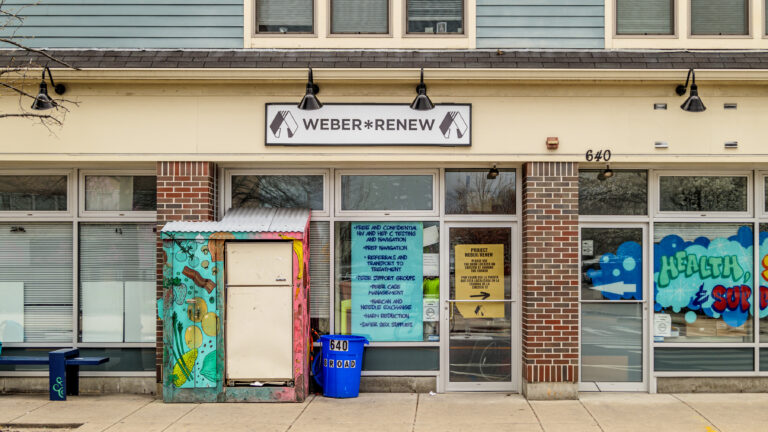
A Rhode Island nonprofit is set to open a state-sanctioned site for illicit drug use this week, making it just the second organization in the U.S. to officially offer supervised consumption and the first to do so outside New York City. The nonprofit, Project Weber/RENEW, will hold a ribbon-cutting event for its new facility in Providence, R.I., on Dec. 10, and is expected to begin offering the controversial harm reduction service upon receiving final licensing approval soon after. The opening represents a long-awaited expansion of supervised consumption, which aims to prevent death by allowing drug users to consume under medical supervision. Currently, only one organization, the New York-based nonprofit OnPoint, officially provides the service, having offered supervised consumption at its two Manhattan locations since late 2021. While organizations in other states have announced plans to operate similar facilities, they have faced resistance at the local and state level, and from the federal government. Read more here.
Related: What to know about the first overdose prevention center in the U.S., from the researchers studying it
| |
Treatment Episode Data Set (TEDS) 2022 Available
The Treatment Episode Data Set (TEDS) collects episode-level data on clients aged 12 and older receiving substance use treatment services from facilities that are licensed or certified by their respective single state agencies (SSAs). For each treatment episode, TEDS collects data on client’s characteristics, substance(s) used, the type and duration of treatment service(s) received, years of education completed, and national outcome measures (NOMs). The NOMs presented in this report include stability in housing, employment status, criminal justice involvement, social support, retention in treatment, and abstinence.
| |
CDC Warns of Carfentanil: An Opioid 100 Times More Potent than Fentanyl
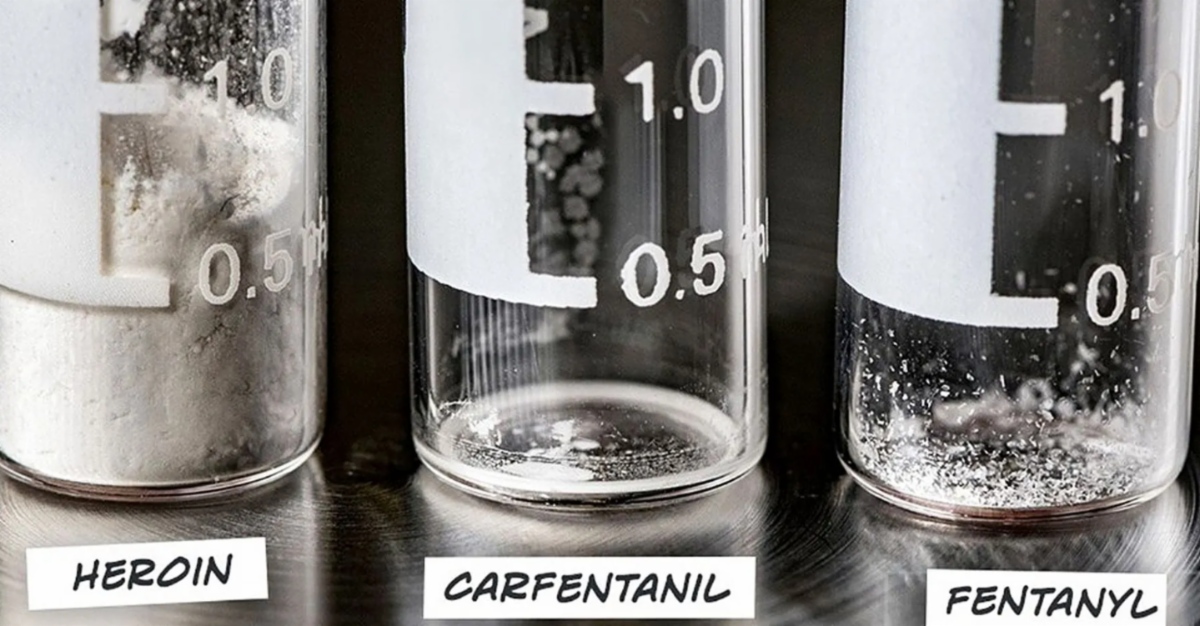
Fentanyl has made headlines for driving overdose deaths, but the Centers for Disease Control and Prevention (CDC) is warning of the rise of an even deadlier drug. Last year, nearly 70% of all U.S. overdose deaths were attributed to illegally manufactured fentanyls (IMFs). One of those was carfentanil, an altered version of fentanyl that is said to be 100 times more potent, the CDC warned in a Dec. 5 alert. Deaths from carfentanil rose by more than 700% in the past year, according to the same source — there were 29 deadly overdoses between January and June 2023, and 238 in that same time frame in 2024. Read more here.
Related: Medicaid Beneficiaries Twice As Likely to Die of Drug Overdose Deaths
| |
HRSA Releases 2024 State of the Behavioral Health Workforce Report
The United States is experiencing a mental health crisis with increased levels of unmet behavioral health needs among people of all ages. The capacity of the behavioral health workforce to meet the demand is limited by supply and distribution challenges. However, the challenges facing the behavioral workforce extend beyond the supply and demand issues and include:
- Patient-level barriers, such as stigma and ability to pay that both hinder access to care.
- Provider-level barriers, such as limited scopes of practice, reimbursement challenges, and clinician burnout all of which limit the ability to provide high-quality care.
This report provides an overview of the current behavioral health workforce supply and distribution in the United States as well as factors impacting the workforce and access to behavioral health care services.
| |
Updated Report Reflects Rise in Mass Violence, Calls for Heightened Urgency in Efforts To Stop It
According to a revised and updated report by the Medical Director Institute (MDI) of the National Council for Mental Wellbeing, Mass Violence in the United States: Definition, Prevalence, Causes, Impacts and Solutions, mass violence continues to escalate in the United States, and more must be done to address the increase. The findings build upon a 2019 report created by the MDI and a diverse team of policy and medical experts to examine contributing factors and actionable solutions to mass violence in the U.S. through the lens of behavioral health. In the new report, the team found that incidents of mass violence, while still relatively rare, are increasing — and the time to respond is now. “We have the ability to take effective steps right now to curtail mass violence, but we have not adequately addressed the crisis,” said National Council Medical Director Joe Parks, MD, cochair of the MDI. “This is a major public health problem, one no other country is facing to this degree, and we all should be doing more to stem it. While we cannot predict who will commit an act of mass violence, we can adopt a public health approach to prevent violence by reducing risk.” Read more here.
| |
ChatGPT For Autism? Researchers Work With AI To Decode Children’s Behavior
NEW ORLEANS — After 18 years of trying to decode his children’s behavior, 54-year-old Christopher Moore can usually understand what they need. But like a lot of parents of children with autism, he wonders who will take his place when he’s gone. Three of his four children have autism. Two are mostly nonverbal. As they were growing up, it was often difficult to figure out their cues — whether they were hungry, hurting or bored. Years of different therapies tried to bridge the gap but were focused on the child with autism adapting to typical communication styles, said Moore, who lives in Youngsville. In a University of New Orleans class on how computers learn to communicate with humans — programs like ChatGPT or Google’s Gemini, for example — Moore had his light bulb moment. Read more here.
Related: Using Open-Source Technology to Transform Healthcare and Housing for the Homeless
| |
A.D.H.D. Diagnoses Are Surging Among Older Americans
Over her life, Tanya Murphy had become accustomed to hiding her depression. In the Christian social circles in Georgia where she raised her three children, this was the rule — not the exception, she said. “God forbid you have a mental health issue,” said Ms. Murphy, 56, who now lives in Arlington, Va. “And if you do? Girl, all you have to do is fast and pray.” But by the time she reached her late 40s, she knew she couldn’t mask her problems any longer. Ms. Murphy had developed anxiety and started having thoughts of ending her life. She knew she was smart but she didn’t feel that way. Her difficulty focusing — as a child, her teachers called her a daydreamer — had translated into spending thousands of dollars on entrepreneurial projects that she later lost interest in and abandoned. Read more here.
| |
|
Gambling Addiction Quietly Taking a Toll as Betting Apps Gain Popularity
January will mark three years since mobile sports betting was legalized in New York. And while the market has already generated billions of dollars in wagers, it continues to pique concerns about gambling addiction. New York has a wide network of outpatient resources available to those seeking treatment for compulsive gambling, which a commission of experts recently declared is a global public health threat. But problem gambling clinicians fear that those resources are going underused. “There’s more methods of gambling, yet I’m getting less and less phone calls,” said Susan Browne, a gambling treatment counselor at Helio Health in Syracuse. “I think there will come a time that the floodgates open, but at this point, it just appears that folks are not seeking the help that’s available.” New York clinicians who reported a similar trend attributed it to the social stigma that still surrounds problem gambling. Read more here.
| |
New SAMHSA Resource: Financing Peer Crisis Respites in the United States
SAMHSA’s Financing Peer Crisis Respites in the United States report is a study from SAMHSA's Center for Financing Reform and Innovation (CFRI) is releasing a report on peer crisis respites as part of a recovery-oriented continuum of crisis care. The report and webinar identify common characteristics, operations, and funding of peer crisis respites in a national sample of programs across the United States.
| |
UPCOMING EVENTS & TRAININGS
Partnering with Community Colleges to Grow and Strengthen the Community Responder Workforce
December 12, 2 - 3:30 pm, CSG Justice Center
Addressing Behavioral Health Crisis in Aging Adults: Reducing Stigma and Enhancing Care
December 12, 2:30 - 4 pm, SAMHSA
Improving Health and Reducing Homelessness through Cross-Sector Partnerships: Insights from California
December 12, 2:30 - 4 pm, Center for Healthcare Strategies
Cognitive Enhancement - What the Research Shows
December 12, 4 - 5:30 pm, NAMI
Yates INSYGHT – Combating Mental Health Stigma in a Rural Community
December 13, 2 - 2:40 pm, BHN
Closing the Coverage Gap: Access to Addiction and Mental Health Care
December 16, 10 am - 1:30 pm, Rockefeller Institute/ InUnity Alliance
Director’s Innovation Speaker Series: Youth Suicidal Behaviors: Where Do We Go from Here?
December 16, 2 - 3 pm, NIMH
Overdose Safety Planning in Rural Communities
December 16, 2 - 4 pm, NCROTAC
The Caring Connection: Trauma-Informed Care and Recovery Planning (in Rural Settings)
December 17, 9:30 - 11:30 am, NCROTAC
Clinical High Risk for Psychosis Screening, Diagnosis, and Risk Assessment
December 17, 12 - 1 pm, SAMHSA ESMI TTA Center
Workforce Solutions Jam: Reducing Barriers to Licensure to Expand and Diversify the Behavioral Health Workforce
December 17, 1 - 2 pm, National Council for Mental Wellbeing
The CARE of Substance Use and Mental Health Disorders in Primary and Integrated Care Services for Hispanic Communities
December 17, 1 - 2 pm, SAMHSA
Family Treatment Courts: An Evidence-Based Approach to Family-Centered Care
December 17, 1 - 3 pm, NCSACW
Screenings and Assessments for Substance Use Disorders to Support Successful Reentry
December 17, 1:30 - 3 pm, SAMHSA's GAINS Center
Introducing the Center for Maternal and Child Health Medicaid Partnerships
December 17, 3 - 4 pm, CMMP
Substance Use and the Brain
December 17, 3:30 - 5 pm, COSSUP
Addressing Disparities through School-Based Health Centers
December 18, 10 - 11 am, NY Health Foundation
Transforming Child & Family Services With Innovation
December 18, 1 - 2 pm, Netsmart
Engaging Colleges and Universities in Prevention
December 18, 2 - 3 pm, Communities Talk
DHS Center for Prevention Programs and Partnerships: CP3 101
December 18, 3 - 4 pm, US Department of Homeland Security
Supporting Children of Incarcerated Parents: Addressing School-Based Bias and Stigma
January 8, 3 - 4 pm, CSG Justice Center
Becoming a MHFA Instructor
January 10, 2 - 3 pm, National Council for Mental Wellbeing
Case-based Discussion: The Link Between Trauma and Alcohol Use Disorder - Utilizing Medications as a Way Forward
January 14, 1 - 2 pm, PCSS
| |
CLMHD CALENDAR
DECEMBER
Addiction Services & Supports (ASR) Committee Meeting
December 12: 11 am - 12 pm
Mental Health Committee Meeting
December 12: 3 - 4 pm
Children & Families Committee Meeting
December 17: 11:30 am - 1 pm
Membership Call
December 18: 9 - 10:30 am
Mental Hygiene Planning Committee Meeting
December 19: 1 - 3 pm
CLMHD Office Closed - Christmas
December 25
| |