|
1 In 4 Recently Discharged Vets Suffers From Depression, PTSD, Survey Says
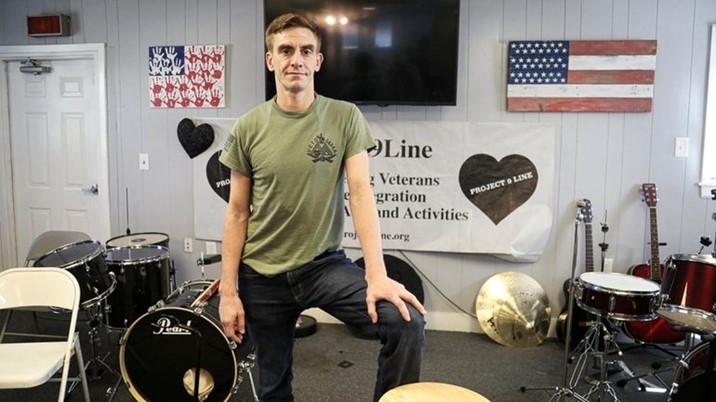
More than 60% of New York State veterans who recently left the military suffered a physical or mental disability while serving, and 1 in 4 were experiencing depression or post-traumatic stress disorder, a statewide survey found. The report also found rates of suicidal thoughts were twice as high among those veterans surveyed as in the general population. Among the 1,122 veterans discharged or separated from the military between January 2018 and January 2023, polled in the statewide report, 25% also said they dealt with food insecurity in the past year — approximately twice the national average — despite their high levels of employment and education. The report was commissioned by the nonprofit New York Health Foundation and conducted by RAND, a nonpartisan research institution. Among those polled, 62% were under age 45; about 15% were women, and nearly 40% were nonwhite. Read more here.
|  | |
Behavioral Health Advocates Rally for Increases in Rates and Contracts
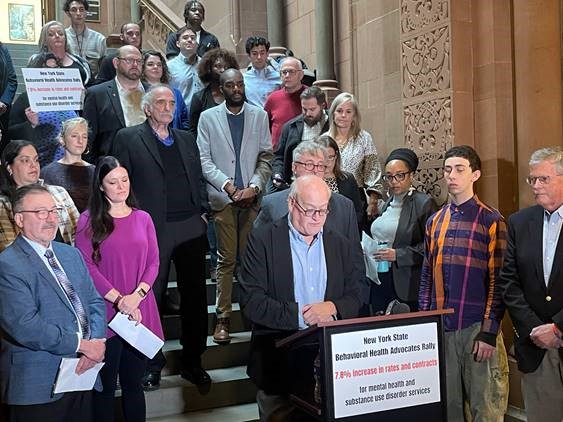
Eleven statewide advocacy groups spoke out in Albany asking Governor Hochul to include a 7.8% increase in rates and contracts for mental health and substance use disorder services in her SFY 2025-2026 executive budget proposal. The press event was held in Albany on Tuesday, November 12th at the NYS Capitol Building, between the LCA and Senate. Read more here.
|  | |
A Place to Call Home: A Key Ingredient to Reentry Success
On a spring day in Columbus, Ohio, on a quiet, tree-lined street, a woman I’d only just met opened her door wide and invited me into her warm, tidy home. She was a participant in a program called Returning Home Ohio, and she graciously showed me around her house, pointing out various personal touches in the design of each room. With each step, my hostess radiated pride and contentment for something so many of us take for granted daily; as someone who had been incarcerated for over 28 years, she now had a comfortable home in a safe community that she could call her own. Returning Home Ohio is one of the only programs of its kind in the country, in which a state department of corrections connects people to long-term supportive housing upon their release from prison. Read more here.
|  | |
At a Crossroads: Clinicians and Law Enforcement, a Partnership to Protect Mental Health
Clinicians and law enforcement are forging essential partnerships to improve responses to mental health crises and reduce fatal encounters. Through Crisis Intervention Team (CIT) programs, officers receive training to handle these situations with empathy, diverting individuals toward treatment rather than arrest. Supported by the Sequential Intercept Model, this collaboration focuses on early intervention and continuous support to decrease the presence of individuals with serious mental illness in the criminal justice system. These transformative initiatives are reshaping crisis response. Read more here.
|  | |
A Third of The Trevor Project's Increase in Post-Election Crisis Contacts Identify as BIPOC LGBTQ+ Youth
The Trevor Project’s classic crisis services experienced significantly increased volume related to the election over the last few days (pre-election, post-election). A third of those crisis contacts identified as BIPOC LGBTQ+ young people. The viral NBC News exit polls indicate that a majority (85%) of Black people voted for VP Harris, which includes a larger majority of Black women (91%). “Recognizing that the vast majority of Black voters voted for VP Harris, it makes sense that Black LGBTQ+ young people might be experiencing negative mental health outcomes following the election results. For LGBTQ+ young people, including BIPOC LGBTQ+ young people, we know that they can experience marginalization, and are at higher risk for discrimination, seriously considering suicide, and suicide attempts," says Jaymes Black, CEO for The Trevor Project. The Trevor Project’s research shows that Black LGBTQ+ youth often report mental health challenges, including suicidal ideation. Read more here.
|  | |
As the Pandemic Deepened, Americans Kept Drinking More
Americans started drinking more as the Covid-19 pandemic got underway. They were stressed, isolated, uncertain — the world as they had known it had changed overnight. Two years into the disaster, the trend had not abated, researchers reported on Monday.
The percentage of Americans who consumed alcohol, which had already risen from 2018 to 2020, inched up further in 2021 and 2022. And more people reported heavy or binge drinking, “Early on in the pandemic, we were seeing an enormous surge of people coming in to the clinic and the hospital with alcohol-related problems,” said Dr. Brian P. Lee, a hepatologist at Keck Medicine of the University of Southern California and the principal investigator of the study, published in Annals of Internal Medicine. Read more here.
|  | |
Centers for Medicare & Medicaid Services and Federal Transit Administration Release Medicaid Transportation Coordination Fact Sheet
Medicaid non-emergency medical transportation (NEMT) is an important benefit for beneficiaries who need to get to and from medical services but have no means of transportation. On Tuesday, FTA and the Centers for Medicare & Medicaid Services (CMS) released the Medicaid Transportation Coordination Fact Sheet, which encourages partnerships between the state departments of transportation (DOTs) and state Medicaid agencies to improve the accessibility and efficiency of NEMT for low-income individuals, people with disabilities, and older adults. Building from CMS’s Medicaid Transportation Coverage Guide issued in 2023, this fact sheet helps clarify and encourage partnership at the state level and includes commonly asked questions and relevant resources. Stakeholders, such as state DOT staff, provided input into the document. Read more here.
|  | |
Governor Hochul Announces 24 Community-based Partners for Plan to Strengthen Home Care Services for New Yorkers
Governor Kathy Hochul this week announced 24 community-based home care providers will join the new statewide partnership to strengthen New York’s Consumer Directed Personal Assistance Program, which provides vital home care services to New Yorkers. This follows the Governor’s previous announcement of Public Partnerships LLC as the lead partner in New York’s effort to protect and strengthen CDPAP. The State will continue to announce additional CDPAP partners in the coming weeks. This statewide partnership is expected to begin in January and take full effect by April 1. Read more here.
|  | |
ISMICC Submits 2024 Report to Congress
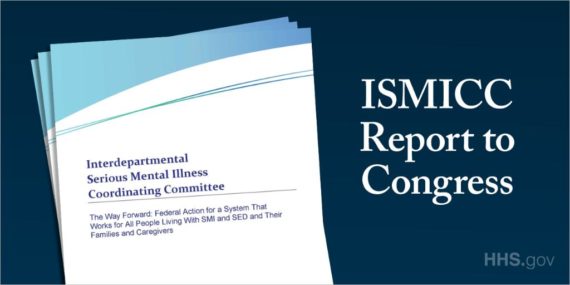
Late last month, the Interdepartmental Serious Mental Illness Coordinating Committee (ISMICC) published and submitted its 2024 Report to Congress. The report provides background information on serious mental illness (SMI) and serious emotional disturbance (SED), a summary of advances used to treat both conditions in clinical practice, and policy recommendations from ISMICC working groups. Check out the full report for more information.
|  | |
Improving Traumatic Brain Injury Recognition to Reduce Firearm Suicide Risk in Military Populations
Traumatic brain injuries (TBIs) are a significant risk factor for firearm suicides among veterans. To date, over 400,000 veterans have sustained these injuries while deployed in support of post-9/11 conflicts. Most TBIs are the result of an overpressure (or blast overpressure, above normal atmospheric pressure) caused by explosive devices. Recent research and reporting indicate that the number of service members and veterans with TBIs may be even higher than previously estimated given new diagnostic developments and understandings of exposures to blast overpressure during military training exercises, including firing mortars and tanks or breaching doors. TBI symptoms can be chronic and wide-ranging, including headaches, visual impairment, short-term memory loss, diminished executive functioning, tinnitus, and mood disturbances such as anger, impulsivity, and irritability. These “invisible” injuries are often overlooked, as affected service members and veterans appear “normal.” However, many have reported that chronic TBI symptoms severely impact their quality of life, sometimes leading to suicidal thoughts and behaviors. Read more here.
| |
|
Behavioral Health of Adolescents Across Sexual Identities: Results from the 2023 National Survey on Drug Use and Health
Behavioral Health of Adolescents Across Sexual Identities: Results from the 2023 National Survey on Drug Use and Health is an infographic report highlighting substance use and mental health indicators among LGB+ youth. Read the report here.
|  |  | |
UPCOMING EVENTS & TRAININGS
Treatment Pathways Across Cultures
November 14, 12 - 1 pm, PsychU
Suicide Prevention 2.0 Clinical Telehealth: Implementation of an evidence-based psychotherapy program to reduce suicide behavior in US Veterans
November 14, 1 - 2 pm, USDVA
Applying Trauma-Informed Principles for Quality Improvement Buy-In
November 14, 1 - 2 pm, Social Current
Design and Implementation of Crisis Services for Children, Youth, and Families as Part of a System of Care
November 14, 2 - 3 pm, SAMHSA
Understanding Autism in Indigenous Communities
November 15, 11 am - 12 pm, NIMH
Post-Traumatic Stress Disorder (PTSD): Clinical Considerations & Unmet Needs
November 15, 12 - 1 pm, PsychU
Visible and Vital: Protecting Transgender & Non-Binary Youth Webinar
November 15, 1 - 2 pm, SMHRT Center
HYPE on Campus: Initial Results from an Educational Support Intervention for Young Adult Students with Mental Health Conditions
November 15, 1:30 - 3 pm, Transitions ACR
NYS OMH Youth Safe Space Community Forum
November 15, 6 - 7 pm, NYSOMH
Justice Involvement in Special Populations
November 18, 9:30 - 11:30 am, SAMHSA
Unreal: Online Misinformation, Deep Fakes, and Youth
November 19, 12 - 1 pm, Children and Screens
ESMI TTA Center's Clinical High Risk for Psychosis Overview Webinar
November 19, 12 - 1 pm, SAMHSA
Workforce Solutions Jam | Addressing the Workforce Shortage Through Policy Change
November 19, 1 - 2 pm, National Council for Mental Wellbeing
Breaking the Stigma with ICAN’s Innovative Campaign
November 19, 2 - 2:45 pm, BHN
The Integration of the Stages of Change into Harm Reduction Care (in Rural Communities)
November 20, 10 am - 12 pm, NCROTAC
Understanding Medicare to Advance Medicare-Medicaid Integration: State and Enrollee Perspectives
November 20, 12 - 1:15 pm, Better Care Playbook
Breaking Barriers: Understanding and Combating Mental Health Stigma Among Children, Youth, and Families
November 20, 12 - 1:30 pm, CTAC/MCTAC
Educator Cafe - Beyond Behavior: Promoting Emotional Well-being in Autistic Students and Other Neurodivergent Learners
November 20, 3:30 - 4:15 pm, SMHRT Center
Treating Youth Firesetting Behavior
November 21, 12 - 2 pm, CTAC/MCTAC
Lived Expertise and Data Management: Trauma-Informed Approaches and Perspectives
November 21, 1 - 2:30 pm, Corporation for Supportive Housing
Hands Across Long Island – Stories of Stigma in the Healthcare System
November 21, 2 - 3:30 pm, BHN
Distinguishing Performance Measurement from Evaluation: What You Need to Know
November 21, 2 - 3 pm, COSSUP
Empowering Youth in Crisis: Collaborative Approaches to Mental Health
November 21, 2 - 3:30 pm, National Council for Mental Wellbeing
Financing Peer Crisis Respites in the United States
November 21, 2 - 3 pm, SAMHSA
Helping Children Thrive: Strategies to Support Children’s Mental Health
December 3, 12 - 1 pm, NIHCM Foundation
WeSpeakNYC – A Toolkit for Overcoming Mental Health Stigma in BIPOC Communities
December 3, 2 - 2:40 pm, BHN
Housing 101 for Health Centers
December 4, 2 - 3:30 pm, Corporation for Supportive Housing
Peer Recovery Support Series: Passionate Professionals; Dispassionate Practice
December 5, 12 - 1:30 pm, NAADAC
Breaking Mental Health Stigma in the NYC Hispanic/ Latino Community
December 5, 2 - 2:25 pm, BHN
Breaking Down Barriers with The SUNY Downstate STAR Program’s “Stop Mental Health Stigma” Campaign
December 9, 2 - 2:40 pm, BHN
Health and Housing Partnerships to Support Individuals Living with or at-risk for HIV/AIDS
December 10, 2 - 3:30 pm Corporation for Supportive Housing
Homelessness and Access to Care: Best Practices for Health Centers
December 11, 1 - 2 pm, Corporation for Supportive Housing
United Way of the Dutchess-Orange Region – Empowering Communities through Inclusion and Mental Health Anti-Stigma Efforts
December 11, 2 - 2:25, BHN
Yates INSYGHT – Combating Mental Health Stigma in a Rural Community
December 14, 2 - 2:40 pm, BHN
Transforming Child & Family Services With Innovation
December 18, 1 - 2 pm, Netsmart
| |
CLMHD CALENDAR
NOVEMBER
Developmental Disabilities Committee Meeting
November 14: 1 - 2:30 pm
Mental Health Committee Meeting
November 14: 3 - 4 pm
IOCC Meeting
November 19: Pre-Meeting - 11 am - 12:30 pm / IOCC Meeting - 1 - 3 pm - In-Person / Empire State Plaza, Albany
Membership Call
November 20: 9 - 10:30 am
Children & Families Committee Meeting
November 26: 11:30 am - 1 pm
CLMHD Office Closed - Thanksgiving
November 28 - 29
| |