|
DCSs Featured at Statewide Threat Assessment Management (TAM) Summit in Albany
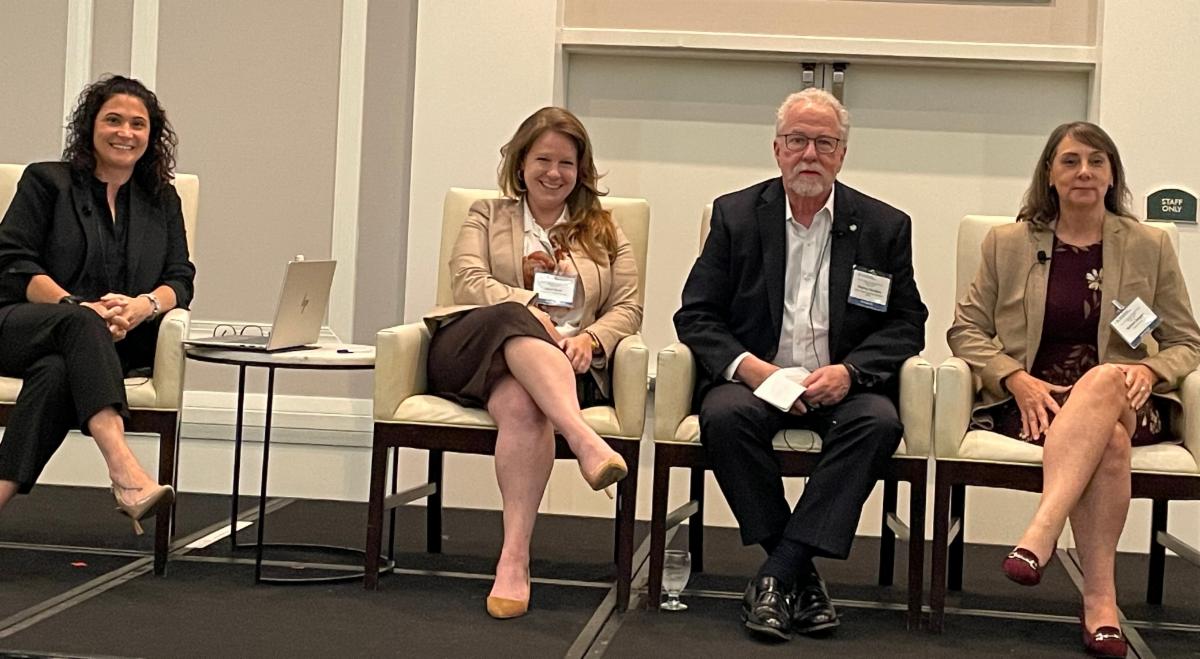
Four county Directors of Community Services (DCSs)—Sarah Bonk (Erie), Dr. Stephen Giordano (Albany), Richelle Gregory (Clinton), and Sara Servadio (Putnam)—served as panelists at the 2025 New York State Threat Assessment & Management (TAM) Team Summit in Albany. During the session, Incorporating Directors of Community Services in TAM, they discussed how counties are embedding behavioral health leadership into local threat assessment frameworks, improving coordination with law enforcement, schools, and community partners, and strengthening prevention efforts across systems. Pictured from L-R: Sara Servadio, Sarah Bonk, Dr. Stephen Giordano, Richelle Gregory.
| |
Governor Hochul Announces Certification of 13 New Community Behavioral Health Clinics
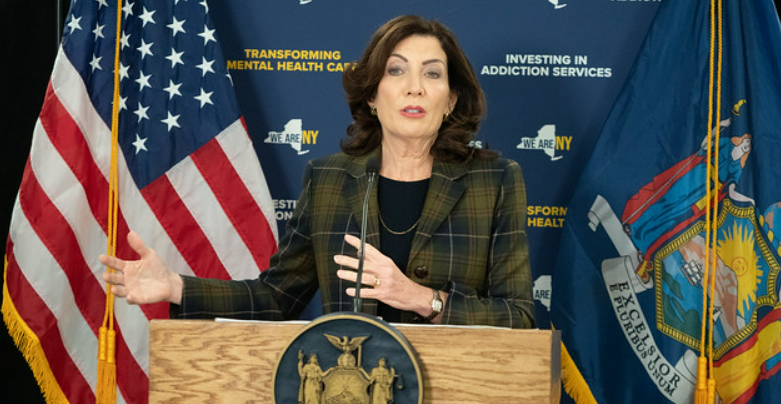
Governor Kathy Hochul last week announced that 13 new Certified Community Behavioral Health Clinics
have been designated, fulfilling her pledge to triple the number existing statewide by this summer. Administered by the state Office of Mental Health in partnership with the Office of Addiction Services and Supports, these clinics provide fully integrated person-centered and trauma-informed care for New Yorkers experiencing behavioral health issues regardless of their ability to pay for this treatment. New York now has 39 Certified Community Behavioral Health Clinics statewide to collectively provide walk-in, immediate integrated mental health and substance use disorder services for an estimated 187,000 individuals annually. OMH provided $265,000 in start-up funding to establish each of the 13 new clinics, which received federal certification in July. Read more here.
| |
Improving Access to Integrated Care for Dually Eligible Individuals in Rural Areas
About 20% of people dually eligible for Medicare and Medicaid live in rural areas, yet only about one in four have access to Medicare-Medicaid coverage options that fully integrate care across the two programs. Without integration, enrollees must navigate two separate systems with different rules, providers, and billing processes — leading to confusion and fragmented care. Expanding integrated care options in rural communities is critical to improving access, coordination, and outcomes for this population. Federal and state policymakers are working to better integrate the delivery, financing, and administration of Medicare and Medicaid services to improve care for dually eligible individuals. However, to scale integration into rural areas, policymakers need to address unique barriers these communities face. Read more here
| |
Counties Build Community: Local Leaders Driving Housing Solutions Across New York
Across New York, county governments are responding to an acute housing shortage by launching a variety of innovative programs aimed at connecting their residents to safe and affordable places to call home. - The needs are real and the impacts of the housing affordability crisis are great. Experts say the housing crunch fuels homelessness and contributes to outward migration of people who believe they can find less expensive accommodations in other states. They say the root cause of the crisis is an acute shortage of housing that is safe and within the means of prospective owners and tenants. Simply put, housing demand is not being met by the production of new homes. County governments have emerged as leaders in offering solutions. Westchester County, which operates multiple housing programs, boosted access to affordable housing opportunities by launching its updated HomeSeeker platform in May. Since then, some 2,500 people have registered on the site. Read more here.
| |
Movement to Include Mental Health Providers on Health Care Teams Is Coming Into Its Own
When Neftali Serrano, PsyD, graduated from Wheaton College Graduate School in 2001, his first job was at a federally qualified health center on Chicago’s West Side. It served some 30,000 Medicaid recipients—primarily African American and Mexican immigrant patients who had few resources and had likely never seen the inside of a therapy office. Serrano’s training had been in traditional psychotherapy: intensive, deep, one-on-one. And, as the clinic’s first and only mental health hire at the time, he assumed that was the type of care he would be providing. That thought did not last long. “What I discovered challenged virtually all my assumptions as a psychologist,” said Serrano, now chief executive officer of the Collaborative Family Healthcare Association, a membership organization that promotes the practice of integrated care. For one thing, he was surprised to find that his schedule was rarely full, even though he had been hired to take on the large number of patients with mental health issues who were showing up for care but whom physicians felt ill-equipped to handle. Read more here.
| |
OpenAI’s ChatGPT Could Be the Next Referral Gateway for Therapists
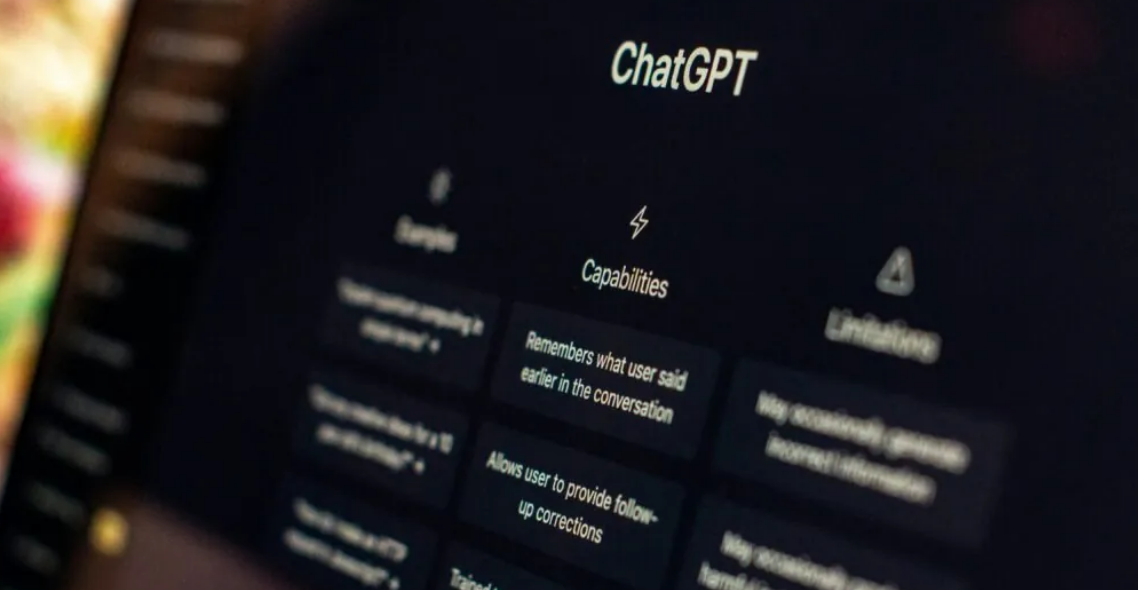
OpenAI – the tech giant behind the generative AI tool ChatGPT – is actively exploring how to build a network of licensed mental health professionals that users can access directly through the chat platform. This follows a wave of reported AI-induced psychosis states and user harm via chatbot conversing. The company recently reached 700 million weekly users and reportedly sees 2.5 billion daily prompts – creating massive potential for mental health referrals. That, combined with its newly announced $500 billion valuation and ongoing work to build mental health guardrails and connect users to therapists, could reshape how many patients and providers interact in a telehealth setting. It may also create demand for more mental health professionals in a field that is already suffering from shortages. Read more here.
| |
NYSAC Releases New Report: Navigating AI in County Operations
Artificial intelligence is starting to transform how governments work. Counties are looking at AI to streamline operations, strengthen decision-making, and improve the way they deliver services to residents. This summer, county leaders from across New York came together for the state’s first AI Summit to discuss both the opportunities and the risks. The conversations made clear that while no county can take on everything at once, having a roadmap is essential for beginning the AI journey. A new report, Navigating AI in County Operations: Policy, Practice, and Possibilities, offers counties that roadmap. It provides an overview of AI and how it applies to county government, practical steps for getting started or advancing an existing strategy, and examples of top use cases identified by local leaders. The report also addresses key challenges and training options and introduces a County AI Roadmap to guide responsible adoption.
Related: Hand in Hand - Schools’ Embrace of AI Connected to Increased Risks to Students
| |
Federal Report: The Number of Youth in Foster Care Declines Again in 2024
Four months ago, the Trump administration released the long-delayed 2023 national data on foster care, featured for the first time in a new dashboard displaying far more details than annual reports of yore. At the time, the administration vowed to use the dashboard to get the numbers out in a more timely manner. It appears they meant it, because the 2024 numbers from the Adoption and Foster Care Analysis and Reporting System (AFCARS) were publicly released this week. The new issuance, which for the first time included numbers for several tribes along with the 50 states, Washington, D.C. and Puerto Rico, brings the public data closer to present year than it’s been since August of 2020. The new data shows that the number of youth in foster care was down to 328,947 in 2024, a 3% decrease from the previous year and down 25% from the recent peak of 437,000 in 2018. That marks a six-year decline that began before COVID-19 and has now continued well beyond the social isolation measures prompted by the pandemic. Read more here.
| |
After the Sirens: The Echo That Remains
In the aftermath of large-scale disasters, the mental health needs of first responders often persist long after the sirens fade. This article reflects on two decades of behavioral health work within the FDNY and national disaster response efforts following the attacks of September 11, 2001. Drawing from field experience rather than theoretical frameworks, it explores how peer support, trust-building, and culturally competent care have evolved into essential components of long-term responder wellness. The narrative examines early missteps, lessons learned, and the enduring impact of silent grief, cumulative stress, and institutional loss. It also considers how the push to “professionalize” mental health programs can sometimes obscure the human connection at the heart of healing. Ultimately, the piece argues that sustaining responder mental health requires more than crisis intervention—it requires a commitment to walk alongside those who serve, through the long and complicated aftermath of trauma. Read more here.
| |
Few Psychologists Can Prescribe in the US — But That’s Starting to Change
A small but lively movement in state legislatures may add a new player to the mental health prescriber team.
Several states have recently considered giving specialized psychologists the authority to prescribe and manage patients treated with mental health-related medications. Last year, Utah became the seventh state to create such licensure. Advocates for the creation of this type of clinical role say the present shortage and a looming shortfall of psychiatrists and other doctors with similar authorities create a crying need for more clinicians who are specialized in treating mental health issues with pharmaceuticals. “Mental illness doesn’t wait very well,” Ryan Ernst, a neuropsychologist with psychopharmacology licensure in Iowa, told Behavioral Health Business. “There are certain things that you might be able to get away with waiting 90 days to see a doctor about. If you’re going through a high degree of psychological distress or you have a number of serious mental health conditions, you don’t have 90 days to be on a waitlist. That can have disastrous effects.” Ernst works with Clarinda Regional Health Center in Page County, Iowa. He is also the first-ever prescribing psychologist in the state of Iowa. Read more here.
| | |
ALBANY: At some local group homes, homeless shelters and recovery centers, employees can now get free college
CENTRAL NY: Attorney General James Announces Takedown of Central New York Fentanyl, Methamphetamine, and Cocaine Trafficking Network
LIVINGSTON: Livingston County Introduces Opioid Awareness & Education PSA Campaign
LIVINGSTON: Livingston County celebrates 5th anniversary of Operation Green Light
MONROE: Annual walk raises awareness for suicide prevention
MONROE: GCH earned honors for Neonatology, Neurology, Pediatric Cancer, and Behavioral Health
MONROE: New focus on the homelessness crisis
NASSAU: 275,000 students gain access to Northwell behavioral healthcare
NYC: Northside Center IMPACT Lunch To Support NYC’s Child Mental Health Crisis
NYC: NYC's state-of-the-art Mount Sinai Behavioral Health Center offers "more human" care, client says
NYC: Albert Einstein College of Medicine Receives $18 Million NIH Grant to Develop AI-Based Interventions for Severe Mental Illnesses
NYC: New York City sues social media companies for allegedly addicting children
NYC: Governor Hochul Announces Completion of $72 Million Affordable and Supportive Housing Development in the Bronx
NYC: Northside Center IMPACT Lunch To Support NYC’s Child Mental Health Crisis
ONEIDA: Construction Begins on $12M Wellness Center in Utica
ONEIDA: Camden Life Center hosts planning forum to strengthen rural services
ORLEANS: New ‘Fresh Start Center’ opens in Albion at Community Action
OSWEGO: Oswego Health expansion project to add to emergency, pediatric departments
STEUBEN: Steuben County joins national push to collect unused medications
SUFFOLK: Suffolk scores record $5 million grant to train more nurses, healthcare workers
SUFFOLK: Suffolk County, N.Y. launches new domestic violence initiative to coordinate agency responses
TOMPKINS: Tompkins County to host NYS Office of Mental Health for public engagement forums
TOMPKINS: Ithaca College students train for real-world health crises
WESTCHESTER: Westchester County Department of Community Mental Health and St. Vincent's Hospital 988 Suicide and Crisis Hotline Release Public Service Announcement
| |
Behavioral Health Workforce Resource Guide: Updated for 2025
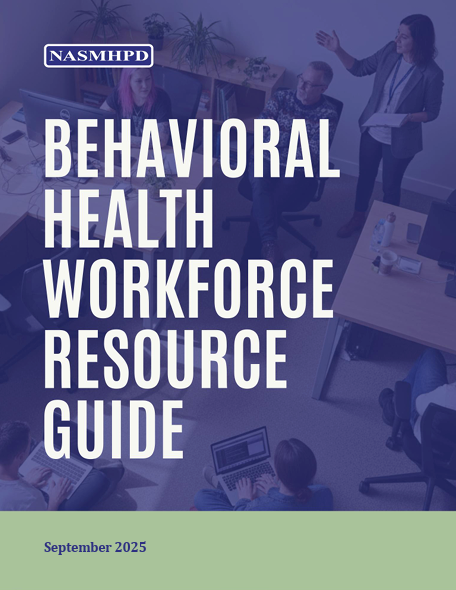
NASMHPD has released an updated version of its Behavioral Health Workforce Resource Guide. This new version includes additional innovative ideas and successful workforce strategies being implemented by states and territories and provides updates on outcomes of initiatives described in the prior iteration of the guide. Collectively, these strategies have the potential to improve the public behavioral health sector’s ability to recruit and retain staff, while simultaneously improving the system of care for individuals served. Read the guide here.
| |
UPCOMING EVENTS & TRAININGS
NAMI Ask the Expert: New Perspectives on Lithium
October 9, 4 - 5:30 pm, NAMI
World Mental Health Day Symposium
October 10, 10 am - 12 pm, BIPOC PEEEEEEK
Staying Compliant: Understanding the DOJ’s New DEI Guidance
October 13, 1 - 2 pm, National Council for Mental Wellbeing
Scaling Behavioral Health: Strategies for Sustainable Growth
October 15, 2 - 3 pm, Behavioral Health Business
NAMI Virtual Equity Summit: The Power of Storytelling, Partnership, and Advocacy - Advancing Mental Health Equity
October 15, 3 - 4:45 pm, NAMI
Competitive, Compliant and Client-focused SUD Care
October 16, 2:30 - 3:30 pm, Elias
State Strategies to Lower Funding Barriers for Community-Based Organizations
October 16, 3 - 4 pm, NASHP
2025 On the Shoulders of Giants Scientific Symposium
October 16, 5 - 7:30 pm, Child Mind Institute
What Every Campus Needs to Know About Mental Health Now
October 21, 12:30 - 1:30 pm, The JED Foundation
Workforce Solutions Jam | Resilience in Action: Strategies for the Behavioral Health Workforce
October 21, 1 - 2 pm, National Council for Mental Wellbeing
Behavioral Health and Justice: Helping Counties “Step Up” at Every Stage
October 21, 1 - 2 pm, CSG Justice Center
Putting Communities First: How Counties Leverage Tech to Improve Behavioral Health
October 21, 2 - 3 pm, NACo
Engaging Medicaid Members and Community-Based Organizations Through Beneficiary Advisory Councils
October 22, 1 - 2:15 pm, CHCS
2025 NYS Suicide Prevention Conference
October 22 - 23, OMH - IN-PERSON
AI in Action: Community Behavioral Health Providers Share Lessons Learned
October 23, 1 - 2 pm, National Council for Mental Wellbeing
Partnering with Community Based Organizations and Coalitions to Connect Systems and Evaluate Efforts
October 23, 2 - 3 pm, SAMHSA
Beyond Patient Portals: The Future of Consumer Collaboration in Behavioral Health
October 24, 1 - 2 pm, National Council for Mental Wellbeing
Co-creating Technology Solutions: The Power of Provider-Client-Developer Collaboration
October 28, 1 - 2 pm, National Council for Mental Wellbeing
Transforming SUD Treatment: The Science, Policy, and Practice of Recovery Incentive Programs
October 30, 1 - 2 pm, National Council for Mental Wellbeing
How Assessment Centers Promote Youth Diversion and Public Safety
October 30, 1 - 2 pm, CSG Justice Center
Ethical Considerations in Substance Use Disorder (SUD) Treatment
November 5, 12 - 1:30 pm, NAADAC
Supporting Families, Supporting Recovery: Overcoming Stigma in LGBTQIA2S+ SUD Treatment
November 6, 12 - 1:30 pm, NAADAC
From Insight to Action: Affirming Clinical Strategies for LGBTQ+ Clients with Co-Occurring Disorders
November 7, 12 - 1:30 pm, NAADAC
NAMI NYS 2025 Education Conference
November 14 - 16, NAMI NYS, IN-PERSON
| |
CLMHD CALENDAR
OCTOBER
Addiction Services & Supports (ASR) Committee Meeting
October 9: 11 am - 12 pm
CLMHD Office Closed - Columbus Day
October 13
LGU Clinic Operators Call
October 14: 10 - 11:00 am
Membership Call
October 15: 9 - 10:30 am
Developmental Disabilities Committee Meeting
October 16: 1 - 2 pm
Children & Families Committee Meeting
October 21, 11:30 am - 1 pm
CLMHD Fall 2025 Full Membership Meeting
October 22 - 24, Penn Yan, NY (Yates County)
NOVEMBER
CLMHD Executive Committee Meeting
November 5: 8 - 9 am
Quarterly LGU Billing Staff Call
November 5: 11 am - 12 pm
CLMHD Office Closed - Veterans Day
November 11
Addiction Services & Supports (ASR) Committee Meeting
November 13: 11 am - 12 pm
Mental Health Committee Meeting
November 13: 3 - 4 pm
Children & Families Committee Meeting
November 18: 11:30 am - 1 pm
Membership Call
November 19: 9 - 10:30 am
Developmental Disabilities Committee Meeting
November 20: 1 - 2 pm
CLMHD Office Closed - Thanksgiving
November 27 - 28
| |