|
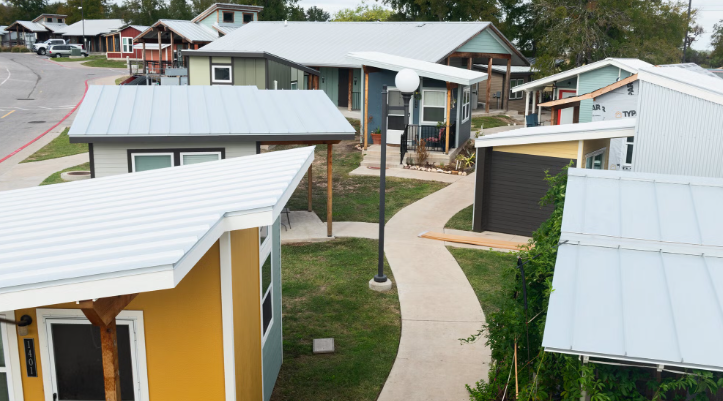
The Communities Sprouting in the Wake of the Housing Crisis
Many housing projects around the country are tackling major challenges — including rising homelessness, an aging population, social isolation and the cost of housing — by rethinking how we live together. These “intentional communities” take myriad forms, including apartment buildings for formerly homeless youth, affordable villages for veterans and their families, and multigenerational communities where foster families and older adults live side by side. We wanted to learn more about the types of intentional communities taking shape across the country, so, alongside previous coverage on the topic, we posted a call to readers. Nearly 3,000 people responded. The places they told us about mostly fell into three distinct buckets: intergenerational communities, veterans’ communities and transitional communities. Read more here.
Related: Cities Often Squabble Over Homelessness. A New Law Forces One Community to Try Something Different
Housing stability as suicide prevention: How VA is connecting the dots
Trump’s shift from 'Housing First' is causing upheaval for homelessness programs and many they serve
| |
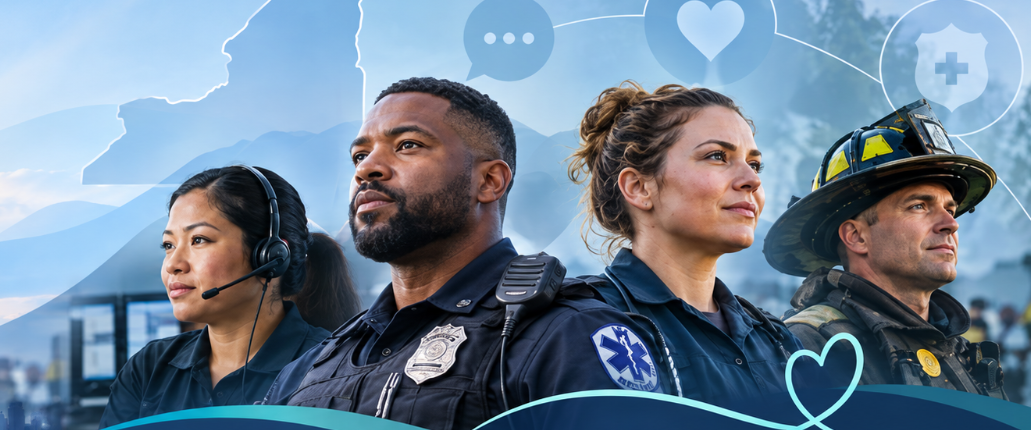
During Suicide Prevention Month, Governor Hochul Announces New Mental Health Training to Support First Responders
Governor Kathy Hochul on Tuesday announced the release of a new online training for mental health professionals working with or considering a career helping first responders such as 911 dispatchers, law enforcement, emergency medical technicians and firefighters. Developed by the Division of Homeland Security and Emergency Services, the First Responder Mental Health and Cultural Awareness Training features content on the challenges these individuals face and barriers to treatment they may encounter, using insights gained from Governor Hochul’s New York State First Responder Mental Health Needs Assessment, which included input from more than 6,000 emergency professionals statewide. The one-hour awareness-level training is for mental health professionals interested in working with first responders and includes suicide prevention videos specific to first responder professions, along with scenarios and interactive exercises. Read more here.
| |
In Recognition of Suicide Prevention Month, Chancellor King Highlights SUNY Campus Mental Health Initiatives
In recognition of September as Suicide Prevention Month, State University of New York Chancellor John B. King Jr. today highlighted SUNY initiatives to increase mental health awareness and connect campus communities with mental health resources. Across New York State, SUNY is advancing programs and initiatives to enhance student well-being, increase a sense of belonging and community, and provide access to vital mental health services. SUNY's mental health initiatives are supported by State investment from Governor Hochul and the State Legislature. The SUNY Board of Trustees allocates nearly $10 million in ongoing operational funds to support mental health services across State-operated campuses, and $3 million for mental health services at community colleges. Additionally, all SUNY campuses include the 988 Suicide and Crisis Lifeline on the back of all student ID cards to ensure students have immediate, 24/7 access to emergency support. Read more here.
| |
The Impacts of Suicide Run Deep
A decade later, Jacob Walter still vividly recalls that awful Colorado morning in August 2016. “I had just returned to college to start my sophomore year,” he said. “I remember waking up early that morning, and I had a bunch of missed phone calls, missed text messages from my sister. I finally got ahold of her, and she let me know that my dad had died by suicide.” He knew his father, Russell, known as Rusty and just 45 years old, was under a lot of stress managing the ranch—founded by Jacob’s grandfather—with several hundred head of cattle in southeastern Colorado. As the younger Walter was getting in his pickup truck the previous day to head back to Colorado State University in Fort Collins, his dad told him he loved him. “And he told me that things are never too bad that you can’t get out. That didn’t really resonate, but that’s the last thing my dad ever said to me.” Walter, now 31, knew how tough life as a rancher could be: No separation between work and family lives, animals to care for 24/7, fences to fix, and constant expenses to pay. Read more here.
Related: Navigating the ripple effects of suicide
| |
HRSA Awards Nearly $90 Million to Expand Addiction Treatment and Recovery Services in Rural Communities
The Health Resources and Services Administration (HRSA) today announced $89.3 million through the Rural Communities Opioid Response Program (RCORP) to expand access to substance use disorder prevention, treatment, and recovery services in rural communities across the country. Announced during National Recovery Month, these awards will support rural communities in 45 states and one territory and underscore the importance of ensuring that people can access treatment and the support needed for long-term recovery. “National Recovery Month reminds us that recovery is possible — and that people need access to treatment and support no matter where they live,” said HRSA Administrator Tom Engels. “While overdose deaths have declined nationally, rural communities continue to face significant challenges accessing substance use disorder treatment and recovery services. These awards will help rural communities expand services, respond to overdoses, strengthen their behavioral health workforce, and build the local partnerships needed to support long-term recovery.” Read more here.
| |
CMS Refocuses Medicaid Quality on Health Outcomes, Launches Innovative Partnership With 37 States
The Centers for Medicare & Medicaid Services (CMS) is launching an initiative with a founding group of 37 state partners to focus on how quality is measured in Medicaid and the Children’s Health Insurance Program (CHIP). The effort will put health outcomes — not processes and paperwork — at the center of how success is defined. CMS and its partners will prioritize measures that demonstrate meaningful improvements in prevention, chronic disease management, and behavioral health. A May 2026 CMS analysis of Medicaid managed care programs across 42 states found approximately 450 reporting requirements corresponding to roughly 260 unique quality measures for federal and state-specific quality reporting programs, largely with a focus on processes and utilization. CMS’ new effort, Investing in Health Outcomes, allows states to commit to a voluntary Medicaid Quality Pledge built around four principles. Read more here.
| |
Scrutiny of Police Reaction to Mental Health Calls Leads to New Ideas
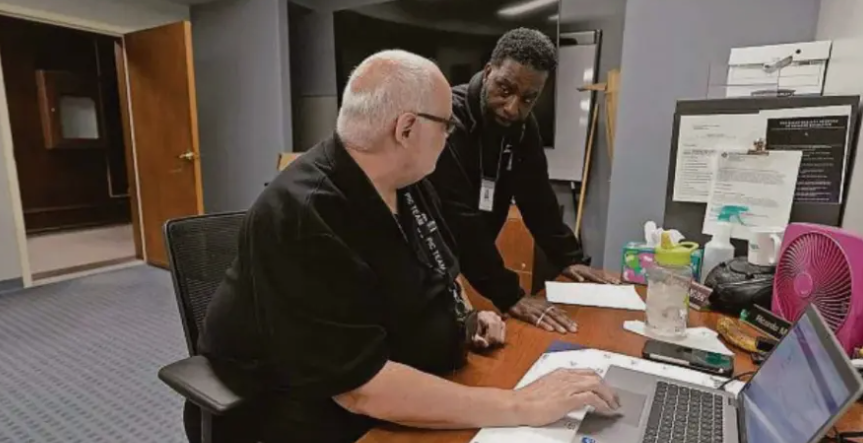
As protests erupted in New York over police responses to mental health emergency calls that ended in deaths, five officers in a Syracuse suburb used handcuffs, restraint holds and other force against people in mental health crises between 2020 and 2021. Those Cicero Police Department officers’ actions were ultimately deemed justified by internal investigations, which are only now fully coming to light amid a yearslong push for police transparency and accountability, records show. Cicero’s police were also not alone as 50% of the 18 total mental health cases newly uncovered from departments across New York also ended with police being cleared of wrongdoing, while most of the other officers faced limited discipline for misconduct involved in the incidents. Some advocates and police leaders now are also questioning whether law enforcement officers should be responsible for mental health emergency calls in general, or if mental health professionals and other community resources should be an alternative first response. Read more here.
| |
Why More States Are Eyeing Kratom Bans
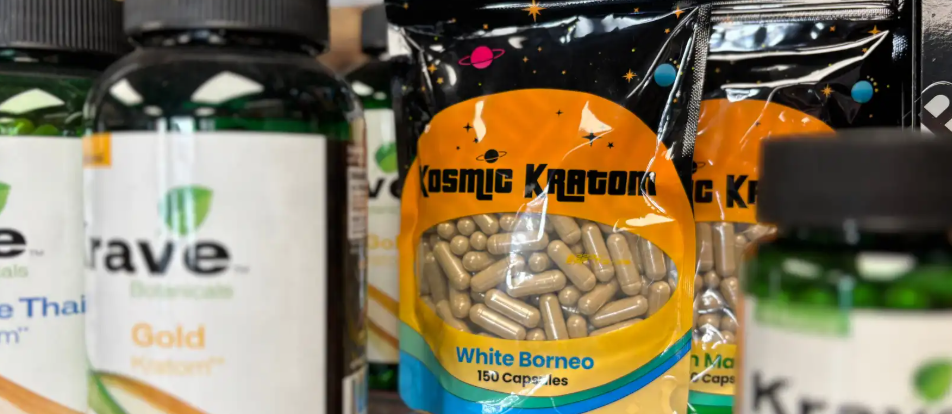
States around the country are wrestling with how to deal with kratom, a drug that Montana Sen. Ellie Boldman dubs “gas station heroin” for its strong effects and the ease with which many people can buy it. Hearing accounts of overdoses prompted her to sponsor a ban on kratom, which is currently unregulated in her state, as in several others. “It was actually families themselves that put [kratom] on our radar, and just the unprecedented tragedies, particularly of young men around our state … that were [suffering] fatalities,” Boldman says. About 24 million Americans use kratom, which acts as a stimulant at smaller doses but can have sedating effects in larger amounts. Kratom refers to products derived from the leaves of the kratom tree, native to Southeast Asia. Its first documented use in the U.S. was in 2004, and it gained popularity among people using it to try to quit opioids. Read more here.
Related: Kratom and 7-OH should be regulated, experts agree. They’re split on how
Addiction clinics see rising cases of kratom and 7-OH withdrawal
| |
Expanding the Youth Behavioral Health Workforce
In spring 2026, students from the United States’ first cohort of undergraduates majoring in child behavioral health walked across the stage to receive their diplomas from the Ballmer Institute for Children’s Behavioral Health at the University of Oregon. These students completed rigorous training as undergraduates that prepared them to enter the workforce in a new behavioral health role that is now eligible for a professional license in multiple states. The United States has never trained undergraduates to become behavioral health providers before, although this approach has shown great promise for increasing access to behavioral healthcare in European countries. Alongside state-level credentialing pathways, the creation of a standardized bachelor’s-level pathway to become a behavioral health provider stands to reshape the nation’s mental health workforce as it expands to other universities. Read more here.
| | |
SAMHSA Awards Almost $250 Million to Expand Addiction Treatment, Overdose Prevention and Mental Health Services
The Substance Abuse and Mental Health Services Administration (SAMHSA), an agency within the U.S. Department of Health and Human Services (HHS), today announced that it has awarded $247.9 million in grants to expand access to addiction treatment, mental health services, and recovery support in communities across the country. The investments will strengthen mental health support in schools, expand trauma treatment for children and families, equip first responders and communities to reverse overdoses, and help people in recovery return to work and rebuild their lives. Together, the awards expand access to care across the continuum, from early intervention and lifesaving treatment to long-term recovery support. Read more here.
| |
UPCOMING EVENTS & TRAININGS
Beyond Outcomes: The ROI of Measurement-Based Care
October 1, 1 - 2 pm, Greenspace Health
Supporting Crisis Stabilization for Youth and Young Adults During Reentry
October 6, 1 - 2:30 pm, CSG Justice Center
Restoration Over Optimization – Rebuilding Capacity in High-Demand Helping Professions
October 7, 12:45 - 2 pm, National Council for Mental Wellbeing
Introduction to the Rural Youth Mental Wellness Program
October 7, 6:30 - 7:30 pm, Rural Minds
Strengthening Rural Behavioral Health Care Access Through a Community-Based Workforce
October 13, 12 - 1 pm, Center for Health Care Strategies
The Battle at Home: Exploring the Complexities of PTSD, Substance Misuse, and Other Co-Occurring Conditions in the African American Veteran Population
October 14, 12 - 1:30 pm, NAADAC
How the New 1915(c)(11) Home and Community-Based Services Waiver Authority Can Enhance Access and Outcomes
October 14, 1:30 - 3 pm, CMCS
Expanding EMS Partnerships to Reduce Opioid Deaths Through Post-Overdose Response
October 14, 3 - 4 pm, NASHP
What Rural Hospitals Are Doing to Build Stronger Leadership Pipelines: Lessons From Nearly 500 Healthcare Leadership Placements
October 15, 2 - 3 pm, NRHA Services Corporation
Empowering Families: Making Sense of AI & Social Media
October 21, 3 - 4 pm, NYPCC
Using MyCHOIS for Recipients
October 22, 2 - 3 pm, OMH
Common Practices that Hurt Survivors and Their Antidotes
October 28, 12 - 1 pm, NAADAC
Beyond the Training Budget: Innovative Ways to Invest in Leadership Development
October 28, 1 - 2 pm, National Council for Mental Wellbeing
Cannabis Use among Youth and Young Adults: Prevalence, Assessment, Dependence, and Comorbidities
October 29, 12 - 1:15 pm, NEATTC
Using PSYCKES for Crisis Work
November 4, 10 - 11 am, OMH
Gambling in Justice- Involved & Reentry Populations (Overview, risks, Screening, and Recovery Supports)
November 9, 12 - 1:30 pm, NEATTC
PSYCKES for County Local Government Units
November 19, 1 - 2 pm, OMH
Bridging Community Health and Public Safety: Deflection, Situation Tables, and Cross-Sector Collaboration
November 18, 12 - 1:30 pm, NAADAC
The Power of Protective Factors: What Recovery Professionals Can Teach Prevention (and Vice Versa)
December 2, 12 - 1 pm, NAADAC
Considering Ethics in Documentation of Clinical Supervision
December 9, 12 - 1:30 pm, NAADAC
| |
CLMHD CALENDAR
October
Executive Committee Meeting
October 7: 8 - 9 am
Addiction Services & Recovery Committee Meeting
October 8: 11 am - 12 pm
Mental Health Committee Meeting
October 8: 3 - 4 pm
LGU Clinic Operators Call
October 13: 10 - 11 am
Developmental Disabilities Committee Meeting
October 15: 1 - 2 pm
Children & Families Committee Meeting
October 20: 12 - 1:30 pm
CLMHD Fall 2026 Full Membership Meeting
October 21 - 23, Lake Placid
November
Executive Committee Meeting
November 4: 8 - 9 am
Quarterly LGU Billing Staff Call
November 4: 11 am - 12 pm
LGU Clinic Operators Call
November 10: 10 - 11 am
CLMHD Office Closed - Veterans Day
November 11
Addiction Services & Recovery Committee Meeting
November 12: 11 am - 12 pm
Mental Health Committee Meeting
November 12: 3 - 4 pm
Children & Families Committee Meeting
November 17: 12 - 1:30 pm
CLMHD Membership Call
November 18: 9 - 10 am
CLMHD Office Closed - Thanksgiving
November 26 - 27
| |