|
DiNapoli: Rural Counties Face Shortage of Health Professionals
A new report by State Comptroller Thomas P. DiNapoli examined healthcare professional shortages in 16 rural counties in New York state and found alarming shortfalls in primary care, pediatric, and obstetrician and gynecologist (OBGYN) doctors, dentists and mental health practitioners, with several counties having no pediatricians or OBGYN doctors at all. The shortage of mental health practitioners in New York’s rural counties may be the most severe, with all counties designated by the federal government as areas having professional shortages. The rural counties examined were Allegany, Cattaraugus, Chenango, Delaware, Essex, Franklin, Greene, Hamilton, Herkimer, Lewis, Schuyler, Steuben, Sullivan, Washington, Wyoming and Yates. “Having access to health care is an essential quality of life issue and helps people live healthier lives,” DiNapoli said. “Addressing gaps in the rural healthcare workforce to alleviate current shortages and plan for future demand will not only positively impact the health of people living in less populated areas of New York, but could also create new jobs and bolster our rural economies.” Read more here.
Related: Behavioral Health Workforce Data-Driven Policymaking: A Utah Case Study
| |
Illinois Becomes 1st State to Require Student Mental Health Screenings
For students in Illinois, mental health screenings will soon be required alongside annual vision and hearing exams. Illinois Gov. JB Pritzker signed a bill into law Thursday that will require public school students in grades 3 through 12 in the state to undergo a mental health screening each year. The change will go into effect in the 2027-2028 school year with at least one screening per student required annually, according to a press release from Pritzker's office. Pritzker also said the new legislation makes Illinois the first state to mandate universal mental health assessments for public school students. "At a time when our kids are struggling with anxiety and depression more than ever before, it's our responsibility to ensure that young people have all the support that they need to get the help that they deserve," Pritzker said in remarks at the signing ceremony. Read more here.
Related: Illinois bans AI from providing mental health services
| |
Chatbots Can Trigger a Mental Health Crisis. What to Know About ‘AI Psychosis’
AI chatbots have become a ubiquitous part of life. People turn to tools like ChatGPT, Claude, Gemini, and Copilot not just for help with emails, work, or code, but for relationship advice, emotional support, and even friendship or love. But for a minority of users, these conversations appear to have disturbing effects. A growing number of reports suggest that extended chatbot use may trigger or amplify psychotic symptoms in some people. The fallout can be devastating and potentially lethal. Users ave linked their breakdowns to lost jobs, fractured relationships, involuntary psychiatric holds, and even arrests and jail time. At least one support group has emerged for people who say their lives began to spiral after interacting with AI. The phenomenon—sometimes colloquially called “ChatGPT psychosis” or “AI psychosis”—isn’t well understood. There’s no formal diagnosis, data are scarce, and no clear protocols for treatment exist. Psychiatrists and researchers say they’re flying blind as the medical world scrambles to catch up. Read more here.
Related: Risks and Regulations with the Use of AI in Behavioral Health
| |
Summer 2025 Issue of OMH News
OMH’s latest newsletter highlights the agency’s response to federal Medicaid cuts, new insurance rules improving access to behavioral health care, and legal action to protect mental health funding. It also features a spotlight on the Living Museum, supportive housing progress, and a celebration of the ADA’s 35th anniversary. Read more here or contact OMH at planning@omh.ny.gov.
| |
NY Holds EMS Mental Health and Wellness Symposium
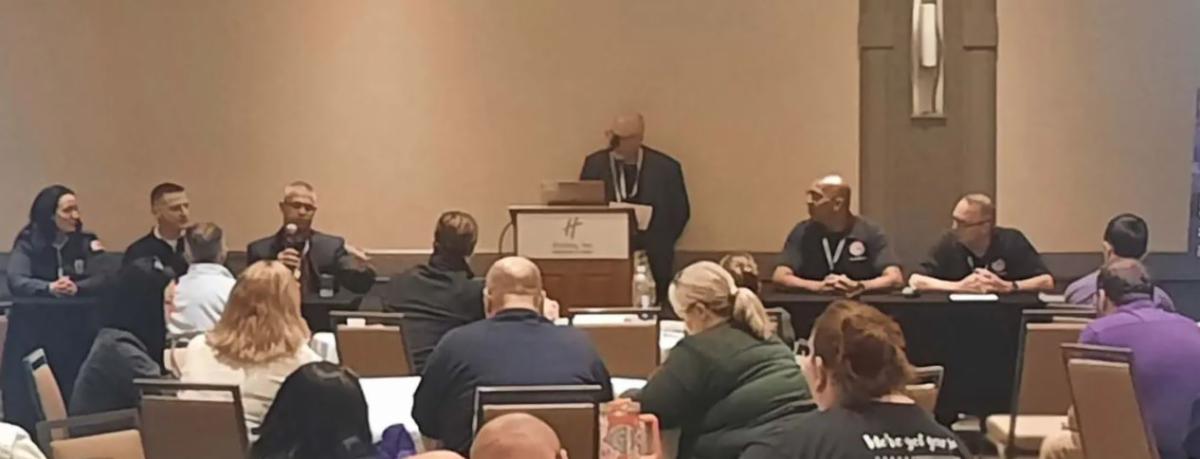
The New York State EMS Mental Health & Wellness Symposium was held on June 9, 2025, in Saratoga Springs, New York. The one-day event was attended by 150 EMS professionals from across the state, and it is hoped to become the first of an annual series, according to the Division of State EMS. It featured speakers and tabling by organizations devoted to promoting health and mental wellness. The first presentation was by well-known EMS and mental health speaker James Boomhower. Boomhower provides training events on resilience, stress, and health in EMS while working as both a mental health professional and a Critical Care Transport Specialist-Paramedic with Boston MedFlight. Entitled, “Resilience, Resistance, and the Pizza Party,” the talk focused on the way EMS agencies and, to a lesser extent, EMS providers respond to traumatic events. Boomhower spoke of the difference between “resilience” and “resistance.” In the context of how EMS providers react to traumatic events, resilience, he said, is the ability to bounce back after an event. Resistance, he said, is one’s “prep work,” one’s “armor.” Read more here.
| |
SAMHSA Releases Annual National Survey on Drug Use and Health
The Substance Abuse and Mental Health Services Administration (SAMHSA) recently released the results of the 2024 National Survey on Drug Use and Health (NSDUH), which shows how people living in United States reported their experience with mental health conditions, substance use and pursuit of treatment. This year marks the first year since 2020 in which there are at least four years of comparable data for key NSDUH outcomes to enable reporting of trends. The 2024 NSDUH provides a national snapshot of behavioral health in the United States based on self-reported responses from nearly 70,000 people. Read more here.
Related: Teen suicide is on the decline, new federal data shows
| |
American Foundation for Suicide Prevention Offers New Community-Based Program Supporting People Who Have Experienced a Loss to Suicide
In the United States, a suicide death touches about 135 people on average. Depending on circumstances such as proximity to the deceased and type of community, the risk of suicide contagion can increase. Knowing how to support those who are affected after these deaths can make a positive difference, but few know how. That’s why the American Foundation for Suicide Prevention (AFSP) launched Caring Communities: Guidance for Supporting Survivors of Suicide Loss, a new one-hour presentation, available in-person or virtually, designed to provide participants (age 18+) with information, resources, and practical guidance on how to support someone who has experienced a recent loss to suicide. The program is suitable for workplaces, community groups, and individuals who want to learn how to build more supportive environments for loss survivors. Read more here.
| |
New York Adult Smoking Rate Falls Below 10% for the First Time
The rate of New Yorkers smoking cigarettes is at a record low. Less than one in 10 adults reported they smoked for the first time since the state started to keep track. In the year 2000, one in four New Yorkers smoked. Now anti-smoking advocates are warning that federal cuts could undermine efforts to help those of you who want to quit. Read more here.
Related: New Website Empowers NYS Healthcare Leaders with Free Tools to Treat Tobacco Use
| |
How King County, WA Is Reshaping Its Mental Health Crisis Response System
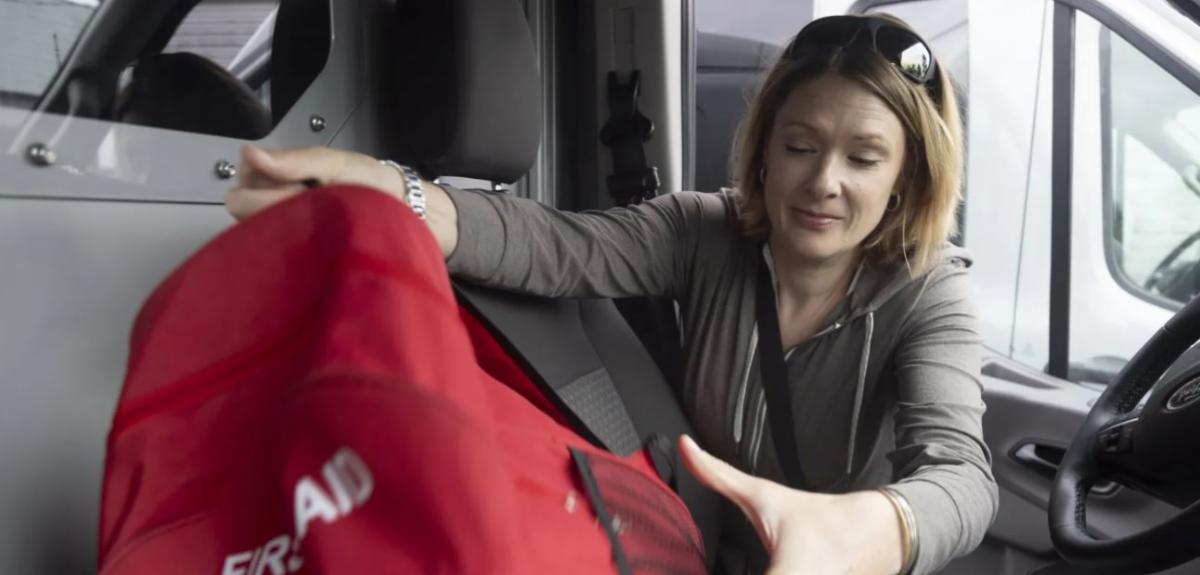
An unmarked gray van pulled into a South King County apartment complex on a drizzly June afternoon. A 911 caller had reported a family member was hearing voices and seemed disconnected from reality. A mental health professional and a case manager, not police or emergency medics, knocked on the door. A few hours later, this emergency crisis response team drove the resident to a crisis stabilization program, where she could get inpatient treatment and support. The first response system has long relied on 911 calls, police officers and firefighters to get people urgent help. Experts agree this hasn’t served people with mental health or substance use needs, who have often ended up in hospital emergency rooms or in jail, or haven’t gotten help at all. King County is building an alternative. Read more here.
| |
Judicial Task Force Releases Roadmap on Competence to Stand Trial
The National Center for State Courts (NCSC) has released a new resource: Competence to Stand Trial: A Roadmap for State Courts. This roadmap was developed to provide state courts with a better understanding of CST, outline recommendations to improve the CST process developed by the Conference of Chief Justices (CCJ) and Conference of State Court Administrators (COSCA) Judicial Task Force to Examine State Courts’ Response to Mental Illness (Task Force). It provides steps and examples of how to implement these recommendations. With too few other options, lawyers and judges raise the issue of competency in hopes that the defendant will be directed into a system of care and treatment. But, in the vast majority of jurisdictions, the CST evaluation and restoration process instead tracks the individual into prolonged incarceration, increased trauma, and narrowly focused and sometimes little if any actual mental health treatment. There are demonstrably better options, and the Task Force studied and recommended alternative systems responses.
| |
Engaging Medicaid Members and Community-Based Organizations in Medicaid Work Requirements Implementation
With the passage of the 2025 budget reconciliation bill (H.R. 1), state Medicaid agencies must implement new work requirements for certain Medicaid members ages 19-64 by December 31, 2026. While the U.S. Department of Health and Human Services is expected to release work requirement guidance to states by June 1, 2026, many states are already beginning to design their approaches given the significant administrative investments required. In preparing for implementation, states face the challenge of translating federal requirements into policies that are understandable and navigable for members. Engaging Medicaid members and community-based organizations (CBOs) early in the process can help states identify potential barriers, reduce administrative complexity, and support more effective communication and implementation. This brief outlines strategies states can use to partner with Medicaid members and CBOs in implementing work requirement policies that reflect community input. Read more here.
| |
Why Wearable Technology Could Become the ‘Stethoscope’ for SMI Care
Treating serious mental illnesses (SMI) is still a task in the behavioral health industry that not all providers want to engage in or feel comfortable navigating, but the growing popularity of wearables and their enhanced capabilities could make that easier. Currently, about 41% of adults in the U.S. and Canada own and use wearable devices. U.S. Health and Human Services (HHS) Secretary Robert F. Kennedy Jr. wants to make the use of these technologies even more widespread, too. During a June 24 hearing before the House Energy and Commerce Committee, Kennedy said his goal is “that every American is wearing a wearable within four years.” He plans to accomplish this via “one of the largest HHS campaigns in history to encourage their use.” Even so, wearables are unlikely to be a silver bullet, especially for tackling complex challenges like SMI, experts told Behavioral Health Business. And even if wearables can help providers capture more data and outcomes measures over time, they are also not expected to move the needle on value-based care. Read more here.
| | |
UPCOMING EVENTS & TRAININGS
Intergenerational Family Substance Misuse & Recovery
August 7, 2 - 3 pm, SAMHSA
Understanding Substance Use Stigma in Rural Areas
August 12, 10 - 11:30 am, NCROTAC
Virtual Support, Real Impact: Implementing Integrated Telebehavioral Health in Schools and School-based Health Centers (SBHCs)
August 12, 3 - 4 pm, National Council for Mental Wellbeing
From Idea to Impact: The Journey of Mental Health First Aid
August 13, 2 - 2:45 pm, National Council for Mental Wellbeing
Deepening Quality Improvement Efforts: Real-World Success Stories
August 14, 1 - 2 pm, Social Current
Stepping Up for Youth: Improving Behavioral Health Outcomes in the Juvenile Justice System
August 14, 2 - 3 pm, CSG Justice Center
The Science of Addiction and Recovery—A Father’s Perspective
August 14, 2 - 3 pm, SAMHSA
Strategies to Support Adults Experiencing Social Isolation and Loneliness
August 14, 2 - 4 pm, CTAC
From Crisis to Care: How CCBHCs are Revolutionizing MOUD Access
August 14, 3:30 - 4:30 pm, National Council for Mental Wellbeing
Black Men’s Mental Health Conference: Heal Brother, Heal
August 16, 9 am - 3 pm, IN-PERSON at the ETEC Building, University at Albany
Peer Connections Office Hours - Co-Instruction Best Practices
August 18, 2 - 3 pm, National Council for Mental Wellbeing
Substance Use and Psychiatric Care: Bridging the Divide for Whole-Person Treatment
August 18, 2:30 - 4 pm, National Council for Mental Wellbeing
Navigating the New Risk Environment: Top Compliance, Legal and Operational Challenges for Behavioral Health Providers
August 19, 12 - 1 pm, Behavioral Health Business
Workforce Solutions Jam | Provider Voices on AI: Real-World Insights for the Behavioral Health Workforce
August 19, 1 - 2 pm, National Council for Mental Wellbeing
AI In Behavioral Health: Ethics, Innovation, & Real-World Applications
August 19, 1 - 2 pm, OPEN MINDS/Core Solutions
Supporting Justice-Involved Service Members and Veterans through Early Interventions in Criminal Justice Settings
August 19, 1 - 2 pm, SAMHSA's GAINS Center
4th Annual School Mental Health Summer Academy
August 19 - 20, 8:30 am - 12 pm, School Mental Health Resource Training Center
Building Rural Recovery Ecosystems
August 20, 12 - 1:30 pm, NCROTAC
Suicide and Substance Use Disorders: A Current Epidemic
August 20, 12 - 1:30 pm, NAADAC
How States Can Leverage Medicaid to Reduce Recidivism and Improve Health Outcomes
August 20, 1 - 2 pm, CSG Justice Center
How Measurement-informed, Transdiagnostic Care Can Improve Behavioral Health Outcomes
August 20, 2 - 3 pm, CETA Global
Contracting to Provide Peer Services: Is Your Organization Ready?
August 20, 2 - 3 pm, SAMHSA
Part 1: Creating a Trauma-Informed Recovery Oriented System of Care (TI-ROSC)
August 20, 2 - 3 pm, National Council for Mental Wellbeing
Legal Challenges and Alcohol Use Among Rural Youth
August 20, 3:30 - 4:30 pm, PCSS
2025 Suicide Prevention Summit - VIRTUAL
August 23 - 24, 9 am - 4:30 pm, Mental Health Academy
Part 2: Creating a Trauma-Informed Recovery Oriented System of Care (TI-ROSC)
August 25, 1 - 2 pm, National Council for Mental Wellbeing
CoE-IHS Webinar: Behind the Curtain - A Discussion of Lessons Learned through Integrated Care Concept Planning
August 26, 1 - 2 pm, National Council for Mental Wellbeing
CoE-IHS Integration in Action: Beyond Depression and Anxiety: Scaling CoCM for Serious Mental Illness and Opioid Use Disorder
August 26, 2 - 3 pm, National Council for Mental Wellbeing
Practical Strategies to Expand the Rural Behavioral Health Workforce
August 27, 10 - 11:30 am, NCROTAC
Breaking the Cycle: Interrupting Intergenerational Trauma in Substance Use Disorders
August 27, 12 - 1:30 pm, NAADAC
Solving the EHR Puzzle: Exclusive Data on Pain Points, Priorities & Platforms
August 28, 12 - 1 pm, Behavioral Health Business
Creating Optimal Access for OUD Services Utilizing Stages of Change
September 4, 3 - 4 pm, PCSS
Toward Whole-Person Care: Integrated Substance Use and Primary Care Integration
September 8, 2:30 - 4 pm, National Council for Mental Wellbeing
Runaway & Homeless Youth in NYS: Services, Referrals, and Mental Health Intersections Part 2
September 8, 2:30 - 4 pm, CTAC
Mental Health Awareness: Shedding Light on the Interplay between Suicide & Stigma
September 10, 12 - 1 pm, PsychU
National Recovery Month Virtual Event: Recovery Ready, Set, Go!
September 16, 2 - 3 pm, National Council for Mental Wellbeing
Supporting Older Adults with Behavioral Health Needs
September 18, 10 am - 12 pm, SPOP
The Essentials for Contracting: Models, Contract Negotiation, and Compliance for Peer Organizations
September 18, 2 - 3:30 pm, SAMHSA
| |
CLMHD CALENDAR
AUGUST
LGU Clinic Operators Call
August 12: 10 - 11:00 am
Mental Health Committee Meeting
August 14: 3 - 4 pm
Children & Families Committee Meeting
August 19: 11:30 am - 1 pm
Membership Call
August 20: 9 - 10:30 am
SEPTEMBER
CLMHD Office Closed - Labor Day
September 1
CLMHD Executive Committee Meeting
September 3: 8 - 9 am
LGU Clinic Operators Call
September 9: 10 - 11:00 am
Addiction Services & Supports (ASR) Committee Meeting
September 11: 11 am - 12 pm
Mental Health Committee Meeting
September 11: 3 - 4 pm
Membership Call
September 17: 9 - 10:30 am
IOCC Meeting
September 18: 1 - 3 pm
Developmental Disabilities Committee Meeting
September 25: 1 - 2 pm
| |